


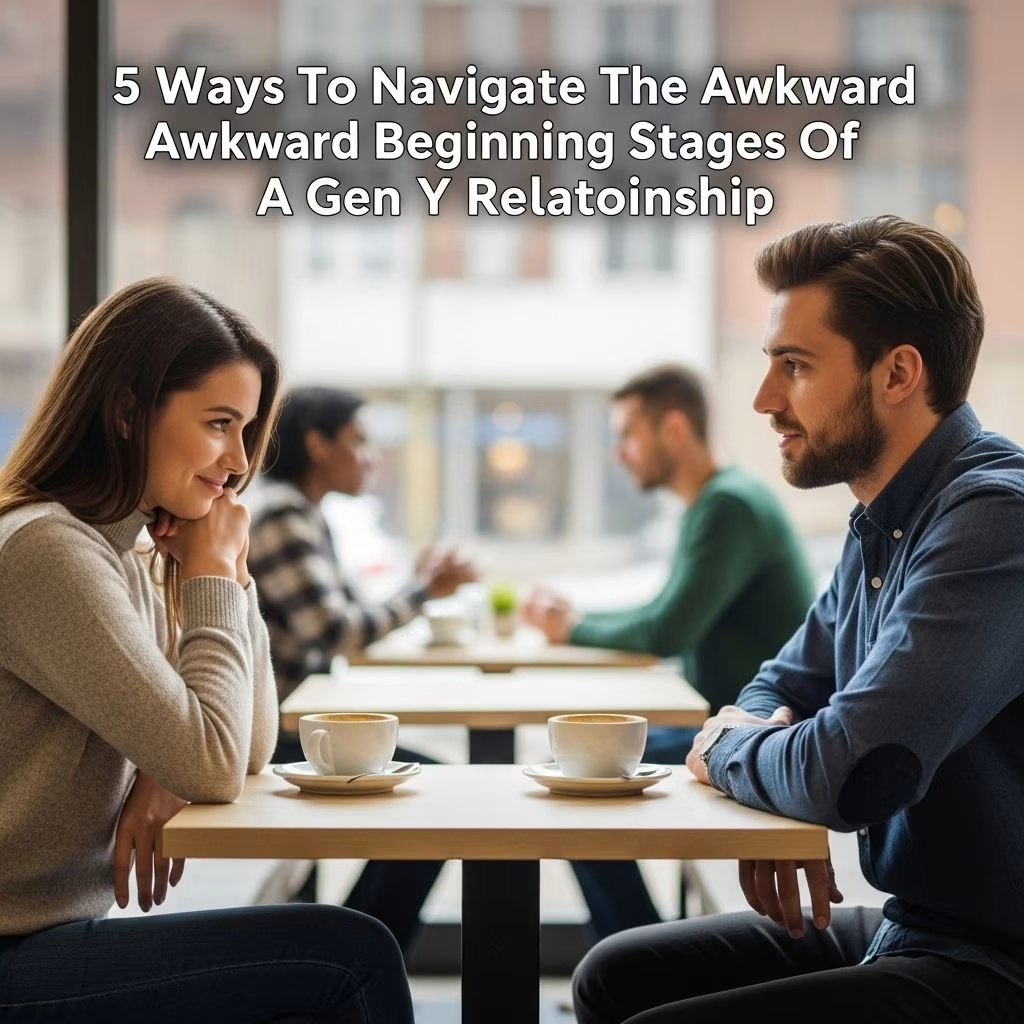
The Modern Relationship Landscape for Gen Y
The dating world has evolved dramatically, especially for those in Generation Y (millennials). With social media, dating apps, and ever-shifting expectations, the process of getting into a relationship can feel riddled with uncertainty. Gone are the days of formal “will you go out with me?” conversations—today, couples often drift from “talking” to “hanging out” with little explicit communication about what’s happening.
Understanding the “Talking” Phase
Many Gen Y couples spend a considerable amount of time in the nebulous “talking” phase. This is the period after you’ve met, you’re texting, maybe hanging out, but nobody has declared anything—there’s no label, no exclusivity, just a lot of hope and anxiety. Sometimes, this phase can last weeks, months, or even longer, leaving both parties wondering, “Where is this going?”.
During this phase, technology and social media play a massive role. Texts, Instagram stories, and Snapchats become the primary modes of connection, often filling the gaps between real-life interactions. While this offers constant communication, it can also amplify misunderstandings and anxiety about the relationship’s status.
5 Ways To Navigate The Awkward Beginning Stages
1. Don’t Succumb to Social Media Pressure
In a world where relationship statuses are publicly broadcast, it’s tempting to rush into labels for social validation. However, jumping too quickly into official status can backfire. Focus on genuine connection rather than the optics of social media. Let your relationship progress naturally, and don’t feel pressured to post or share until it feels right for both of you.
2. Communicate, But Don’t Overcommunicate
While it’s important to stay in touch, constant texting or social media checks can lead to burnout or misinterpretation. Balance digital and real-life communication. Make time for face-to-face conversations where you can truly get to know each other. This helps build a deeper relationship foundation and reduces the risk of miscommunication.
3. Set Comfortable Boundaries
In the early stages, it’s easy to lose yourself in excitement and ignore your own needs. Establish boundaries about how often you communicate, what you’re comfortable sharing, and how you want to spend your time together. This not only protects your emotional well-being but also sets a precedent for mutual respect throughout the relationship.
4. Embrace the Uncertainty
The “gray area” of a new relationship is uncomfortable but normal. Instead of panicking over the lack of clarity, try to enjoy the process. Focus on building attraction, having fun, and learning about each other. Relationship milestones aren’t always clearly marked, especially today—so give yourself permission to enjoy the ambiguity, as long as it doesn’t become stressful.
5. Let It Progress Naturally—Even If It Takes Time
Every relationship follows its own timeline. Some move fast; others take months to define. If you’re both interested, trust that the conversation about “what we are” will happen when it’s meant to. Trying to force the issue can create tension, while patience allows both parties to become genuinely ready for the next step.
Additional Tip: Don’t Bring Up Relationship Status First—Let It Happen
If you’re itching to know “where things stand,” it’s natural to want to ask directly. However, sometimes waiting for the other person to bring it up can ease tension and create a more organic transition. If the relationship is real, both of you will eventually feel ready to define it.
Common Pitfalls and How To Avoid Them
- Reading Too Much Into Text Messages: Remember, tone doesn’t always translate over text. A delayed response or a short reply might not mean what you think it does.
- Ignoring Red Flags: In the excitement of a new romance, it’s easy to overlook incompatibilities or warning signs. Stay aware and honest with yourself about your needs.
- Comparing to Others: Every couple’s journey is different. Comparing your relationship timeline to friends’ or what you see on social media only adds unnecessary pressure.
How Technology Shapes Early Relationships
| Aspect | Pros | Cons |
|---|---|---|
| Communication | Keeps connection alive between in-person meetings | Can lead to misinterpretation and anxiety if overused |
| Social Media | Offers insight into your partner’s life | Creates pressure to define the relationship too soon |
| Dating Apps | Expands the pool of potential partners | Can make commitment feel less urgent, leading to prolonged ambiguity |
Expert Insights from Matchmakers and Relationship Coaches
“Authenticity is key. People are looking for real connections, so be yourself and approach each connection with an open mind. Don’t get sucked into all the texting or video calls—meaningful face-to-face interactions are still the best way to build intimacy.”
— Elite Connections Matchmakers
Professional matchmakers emphasize the importance of authenticity and quality time in the early stages of a relationship. They note that while technology enables constant contact, it’s the real-life moments that solidify a bond.
The Roadmap from Talking to Exclusivity
- Initial Connection: Start with genuine interest, not just attraction to an online profile.
- Getting to Know Each Other: Share stories, values, and interests to build a foundation.
- Deepening the Relationship: Move beyond surface-level chats to meaningful, vulnerable conversations.
- Reality Check: Assess compatibility and shared goals.
- Commitment (If Both Want): Have the “define the relationship” talk and move toward exclusivity, celebrating milestones together.
Frequently Asked Questions (FAQs)
Q: How long should the “talking” phase last?
A: There’s no set timeline. It depends on the individuals, their comfort levels, and how quickly trust and connection build. For some, it’s a few weeks; for others, months.
Q: What if one person wants to define the relationship and the other doesn’t?
A: This is common. If you’re feeling ready while your partner isn’t, having an honest, non-confrontational conversation is key. Express your feelings, listen to theirs, and decide if you’re both happy with the pace.
Q: Is it bad to use social media to check up on someone I’m talking to?
A: Curiosity is natural, but excessive checking can create unnecessary anxiety and misread signals. Focus on direct communication and building trust.
Q: Should I keep dating other people during this phase?
A: Unless you’ve agreed to exclusivity, it’s generally acceptable to keep your options open. However, be honest with yourself and your partner about your intentions to avoid hurt feelings.
Q: How do I know if the relationship is progressing healthily?
A: Healthy progression includes increased trust, mutual respect, and both parties feeling comfortable discussing their needs and boundaries. If you’re both enjoying the process and looking forward to spending time together, you’re likely on the right track.
Conclusion
Navigating the awkward beginning stages of a Gen Y relationship requires patience, open communication, and a willingness to embrace uncertainty. By focusing on authenticity, setting boundaries, and letting the relationship progress naturally, you can build a strong foundation for whatever comes next. Remember, every relationship moves at its own pace—trust the process, and don’t be afraid to enjoy the journey.
References
- https://eliteconnections.com/the-8-stages-of-a-new-relationship/
- https://goodmenproject.com/featured-content/8-reasons-how-i-know-this-generation-is-capable-of-respecting-that-head-over-heels-kind-of-love-grgs/
- https://www.elitedaily.com/p/the-brutally-honest-stages-of-falling-in-love-according-to-a-millennial-8690917
- https://www.elitedaily.com/dating/5-ways-to-navigate-the-awkward-beginning-stages-of-a-gen-y-relationship
- https://mixergy.com/interviews/elite-daily-with-gerard-adams/
- https://en.wikipedia.org/wiki/Millennials


