


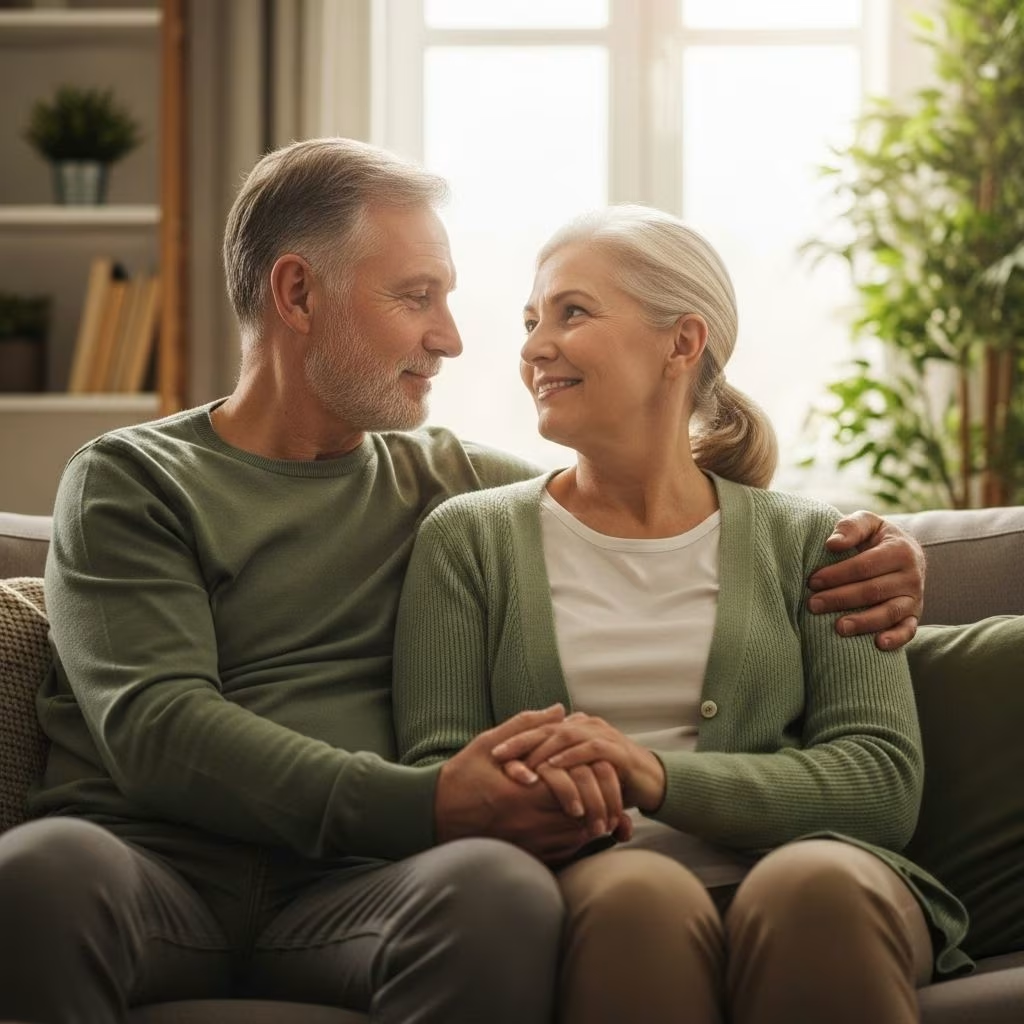
The honeymoon phase gets all the glory in relationships. It’s that intoxicating period when everything feels effortless, your partner seems perfect, and you can’t imagine ever feeling differently. But here’s something most people don’t talk about: the end of the honeymoon phase isn’t the beginning of the end—it’s actually when your relationship has the chance to become something far more meaningful and substantial.
Many couples panic when the initial excitement starts to fade, worried that losing those constant butterflies means losing love itself. The truth is far more optimistic. When the honeymoon phase ends, you’re not losing anything vital. Instead, you’re gaining the opportunity to build something real, lasting, and potentially more satisfying than those early days of infatuation.
Understanding What the Honeymoon Phase Really Is
The honeymoon phase represents that initial period of a relationship where everything feels magical and effortless. During this time, you and your partner seem to agree on everything, weekend plans align perfectly, and both of you appear constantly happy and radiant. This phase isn’t just about feeling good—it’s characterized by specific behaviors and brain chemistry that make everything seem more intense than it actually is.
Relationship experts note that during the honeymoon phase, everyone presents their best behavior and isn’t entirely authentic. You might pretend to love aspects of your partner’s life that don’t genuinely interest you, while they do the same. This mutual performance, while not malicious, means you’re both showing curated versions of yourselves rather than your complete, unfiltered personalities.
The duration of this phase varies significantly from couple to couple. While experts suggest the average honeymoon phase lasts around three months, some relationships maintain this intensity for months or even years, while others move through it more quickly. There’s no universal timeline, and the length of your honeymoon phase doesn’t predict the success or depth of your relationship.
Why Comfort Is Actually More Valuable Than Constant Passion
Passion generates excitement, but comfort creates sustainability. When the honeymoon phase ends and genuine comfort sets in, you experience something profoundly valuable: the ability to be completely yourself around another person who loves and accepts you unconditionally. This authentic comfort represents one of the most significant gifts a relationship can offer.
The magic of true comfort lies in its rarity and depth. During the honeymoon phase, neither partner is truly being themselves. You’re both performing, presenting idealized versions, and hiding the quirks, habits, and vulnerabilities that make you human. Only after this phase ends can you drop these pretenses and trust that your partner’s love extends to your actual self, not just the polished version you initially presented.
This transition from performance to authenticity allows relationships to deepen in ways that aren’t possible during the honeymoon phase. When you know your partner has seen you at your worst—whether that’s morning breath, bad moods, or unflattering pajamas—and still chooses to be with you, that knowledge provides a security that infatuation simply cannot match. This security becomes the foundation for genuine intimacy and lasting connection.
Learning to Navigate Conflict Constructively
The honeymoon phase typically involves minimal conflict. Disagreements get glossed over, boundaries remain unspoken, and both partners avoid confrontation to maintain the pleasant atmosphere. While this might feel nice temporarily, it prevents the development of crucial relationship skills that determine long-term success.
When the honeymoon phase ends, conflicts naturally emerge. This isn’t a sign of relationship failure—it’s a sign of relationship maturation. You begin confronting the boundaries, needs, and differences that you’ve been hiding or ignoring. These conflicts, when handled properly, actually strengthen your bond rather than weaken it.
Fighting fair becomes both a universal skill and a unique language you create with your partner. Licensed professional counselor and sex therapist Sarah Watson emphasizes that all couples argue, and discussing differences and needs is incredibly healthy. What distinguishes successful relationships isn’t the absence of conflict but the presence of constructive communication. Screaming and saying hurtful things creates damage, while respectful disagreement and honest communication build understanding and intimacy.
Developing this conflict resolution language takes time and practice. You learn each other’s triggers, communication styles, and needs. You discover what your partner needs when upset and what helps you both move toward resolution. This personalized conflict vocabulary becomes one of your relationship’s most valuable assets, enabling you to navigate future challenges effectively.
Reclaiming Your Individual Identity and Social Connections
The honeymoon phase often involves intense cocooning behavior. Couples spend every available moment together, often neglecting friendships, family relationships, and personal interests. While this intensity feels wonderful in the moment, it creates an unsustainable relationship dynamic that can lead to resentment and identity loss.
When the honeymoon phase ends, you naturally begin reconnecting with other important people and interests in your life. This isn’t a sign that your relationship is weakening—it’s evidence that your relationship is maturing enough to coexist with a full, balanced life. Getting back to connecting with friends, pursuing individual hobbies, and maintaining separate identities actually strengthens your romantic relationship.
Healthy relationships require balance between togetherness and independence. When both partners maintain their own friendships, interests, and identities, they bring more to the relationship. You have new experiences to share, different perspectives to discuss, and the refreshment that comes from variety in your daily life. This balance typically only emerges after the honeymoon phase ends and you settle into a more sustainable rhythm.
Additionally, maintaining friendships and outside interests provides essential emotional support beyond your romantic relationship. No single person can meet all your emotional needs, and expecting your partner to do so creates impossible pressure. Friends offer different types of support, perspectives, and connection that complement rather than compete with your romantic relationship.
Discovering Whether Your Connection Has Real Staying Power
The honeymoon phase feels wonderful, but it doesn’t tell you much about whether a relationship can actually last. Those early months are fueled by novelty, attraction, and optimism—all of which can obscure fundamental incompatibilities or issues. The post-honeymoon period is where you discover if your love has what it takes to go the distance.
This is the testing ground where you find out if your connection runs deeper than physical attraction and initial excitement. When everyday stresses emerge, when you see each other’s flaws clearly, when life gets mundane or difficult—these moments reveal whether your relationship has a strong foundation. Many relationships that seemed perfect during the honeymoon phase don’t survive this transition, and that’s actually valuable information.
The post-honeymoon phase helps you assess whether you’re building something lasting or experiencing a passing connection. You begin evaluating compatibility on practical matters: how you handle money, your approaches to cleanliness and order, your long-term goals and values, your communication styles, and countless other daily realities that didn’t matter during the intense early phase.
This evaluation period isn’t cynical or unromantic—it’s realistic and necessary. Understanding whether you’re truly compatible for a long-term partnership requires seeing each other in normal life circumstances, not just during special dates and passionate moments. The relationships that survive and thrive after the honeymoon phase are those built on genuine compatibility, shared values, and mutual respect rather than just initial attraction.
Embracing Authentic Imperfection Together
One of the most liberating aspects of moving past the honeymoon phase is the freedom to stop performing perfection. During those early months, many people feel pressure to maintain an idealized image—always looking great, always being positive, always agreeing with their partner. This performance is exhausting and ultimately unsustainable.
When the honeymoon phase ends, you finally get to be fully human around your partner. You don’t need to fake perfection or hide your quirks, odd habits, or occasional bad moods. Your partner sees the real you—including the parts that aren’t particularly attractive or impressive—and chooses to love you anyway. This acceptance of authentic imperfection creates deeper intimacy than any amount of surface-level perfection ever could.
This authenticity allows both partners to relax and be themselves. You can have lazy days without makeup, express genuine opinions even when they differ from your partner’s, and share the vulnerabilities and insecurities that make you human. While these revelations might occasionally annoy or frustrate your partner, they also create genuine understanding and connection.
The beauty of this phase is discovering that your partner’s quirks and imperfections, while sometimes irritating, are also endearing and part of what makes them uniquely themselves. You learn to accept and even appreciate the things that initially seemed like flaws. This mutual acceptance of imperfection creates a relationship where both people can be fully themselves without fear of judgment or rejection.
Building Deeper Emotional Intimacy
The honeymoon phase offers excitement and passion, but post-honeymoon relationships offer something potentially more valuable: deep emotional intimacy. This intimacy develops slowly over time as you share experiences, navigate challenges together, and truly come to know each other’s inner worlds.
Emotional intimacy involves understanding your partner’s fears, dreams, insecurities, and motivations at a profound level. It means being able to read their moods, anticipate their needs, and provide support in ways that genuinely help. This level of understanding simply isn’t possible during the honeymoon phase when you’re both still presenting curated versions of yourselves.
As you move past the honeymoon phase, you begin sharing the experiences that build real intimacy—supporting each other through difficulties, celebrating achievements together, navigating family dynamics, making joint decisions about your future, and simply being present through the mundane moments that make up most of life. These shared experiences create a relationship history that bonds you together in ways that early passion cannot.
This emotional intimacy also involves vulnerability. As you become more comfortable with each other, you take risks in sharing your authentic thoughts, feelings, and experiences. You reveal the parts of yourself that you typically keep hidden—your insecurities, past hurts, fears about the future, and deepest hopes. When your partner responds with acceptance, understanding, and support, it creates a bond that transcends the surface-level connection of the honeymoon phase.
Maintaining Romance Through Intentional Effort
One challenge of moving past the honeymoon phase is that romance stops happening automatically. During those early months, everything feels romantic because it’s new and exciting. After the honeymoon phase ends, maintaining romance requires conscious effort from both partners.
This doesn’t mean romance is less meaningful or valuable—it actually becomes more so. Romantic gestures during the post-honeymoon phase carry more weight because they represent deliberate choices rather than automatic infatuation-driven behaviors. When your partner brings you flowers or plans a special date after years together, it demonstrates that they’re actively choosing to prioritize romance and show their love.
The key is recognizing that romance requires work and being willing to put in that effort. This might mean scheduling date nights, explicitly asking for what you need romantically, or reminding your partner about important occasions. While some people worry that scheduled romance isn’t “real,” the opposite is true—being smart enough to proactively maintain romance demonstrates relationship maturity and commitment.
Successful long-term couples understand that romance evolves but doesn’t disappear. The grand gestures of the honeymoon phase might give way to smaller, more personalized expressions of love that reflect deep knowledge of your partner’s preferences and needs. A partner who remembers your favorite takeout order or gives you space when you’re stressed is demonstrating love just as meaningfully as one who surprises you with elaborate dates.
Creating Shared Joy and Laughter
Laughter represents one of the most underrated but crucial elements of successful long-term relationships. During the honeymoon phase, laughter comes easily—you’re carefree, overwhelmed with positive emotions, and finding joy in discovering each other. After this phase ends, maintaining that sense of playfulness and shared humor requires more intentional effort but remains vital for relationship health.
Genuine laughter from the belly up does wonders for relationships. It releases tension, creates positive associations, and reminds both partners why they enjoy being together. Couples who laugh together tend to have stronger, more positive relationships with greater intimacy, connection, and overall well-being.
Research consistently shows that shared laughter strongly indicates romantic attraction and relationship satisfaction. Compatible humor styles create positive relationship dynamics, while laughter can be used to manage stress and conflict within partnerships. When you’re in the thick of relationship challenges, remembering how good a shared laugh feels—especially with the person who means most to you—can help maintain perspective and connection.
Cultivating opportunities for laughter and play after the honeymoon phase might require deliberate effort. This could involve watching comedy together, engaging in playful activities, not taking yourselves too seriously, or simply being silly with each other. These moments of levity balance the more serious aspects of maintaining a long-term relationship and keep your connection feeling light and joyful.
Why Post-Honeymoon Relationships Can Be More Fulfilling
While the honeymoon phase has its charms, many people find that post-honeymoon relationships offer deeper satisfaction. This phase is where you experience the rewards of choosing someone every day, not just being swept up in automatic infatuation. It’s where you build a life together rather than just experiencing intense emotions together.
The security of a post-honeymoon relationship provides its own form of happiness. Knowing that your partner has seen you at your worst and still chooses you creates profound peace. Having someone who understands you deeply, anticipates your needs, and shares your history generates a sense of being truly known and accepted that surpasses the excitement of early attraction.
Additionally, post-honeymoon relationships offer the satisfaction of overcoming challenges together. When you’ve navigated conflicts, supported each other through difficult times, and made it through rough patches, you develop confidence in your relationship’s resilience. This confidence allows you to face future challenges without fear that any single problem will destroy what you’ve built together.
The depth of connection possible after the honeymoon phase also creates more meaningful intimacy. Physical intimacy often improves as partners become more comfortable expressing their needs and preferences. Emotional intimacy deepens as you share more experiences and truly come to know each other’s inner worlds. This multi-layered intimacy can be far more satisfying than the intense but ultimately superficial connection of the honeymoon phase.
Frequently Asked Questions
Q: How long does the typical honeymoon phase last in a relationship?
A: The average honeymoon phase lasts around three months, though this varies significantly between couples. Some relationships maintain this intensity for months or even years, while others transition more quickly. The length doesn’t determine relationship success or quality.
Q: Does the end of the honeymoon phase mean we’re falling out of love?
A: No, the end of the honeymoon phase doesn’t mean you’re falling out of love. It signals a transition from infatuation to deeper, more sustainable love. This is where real connection begins and you discover if your relationship has lasting potential.
Q: Is it normal to fight more after the honeymoon phase ends?
A: Yes, increased conflict after the honeymoon phase is completely normal and actually healthy. You’re confronting boundaries and differences that were previously hidden. Learning to fight fair during this period strengthens your relationship rather than weakening it.
Q: How can we keep romance alive after the honeymoon phase?
A: Maintaining romance after the honeymoon phase requires intentional effort from both partners. Schedule regular date nights, communicate your romantic needs clearly, remember important occasions, and make small gestures that show you’re thinking of each other. Scheduled romance is meaningful romance.
Q: Should we try to extend the honeymoon phase as long as possible?
A: Rather than trying to extend the honeymoon phase artificially, focus on building a strong foundation for the post-honeymoon period. The deeper connection, authenticity, and intimacy possible after the honeymoon phase often provides more lasting satisfaction than trying to maintain unsustainable intensity.
Q: What if my relationship never had a clear honeymoon phase?
A: Not all relationships experience a distinct honeymoon phase, and that’s perfectly fine. Some connections develop more gradually without intense initial infatuation. What matters is whether your relationship feels satisfying, supportive, and continues deepening over time, not whether it followed a particular pattern early on.
References
- https://preen.ph/94918/dont-be-scared-of-ending-the-honeymoon-phase-of-your-relationship
- https://www.elitedaily.com/p/5-reasons-why-the-end-of-the-honeymoon-phase-isnt-bad-for-your-relationship-12625933
- https://www.elitedaily.com/p/how-long-does-the-honeymoon-phase-last-10-people-share-their-relationship-stories-8912205
- https://www.yourtango.com/love/traits-married-couples-stay-madly-love


