


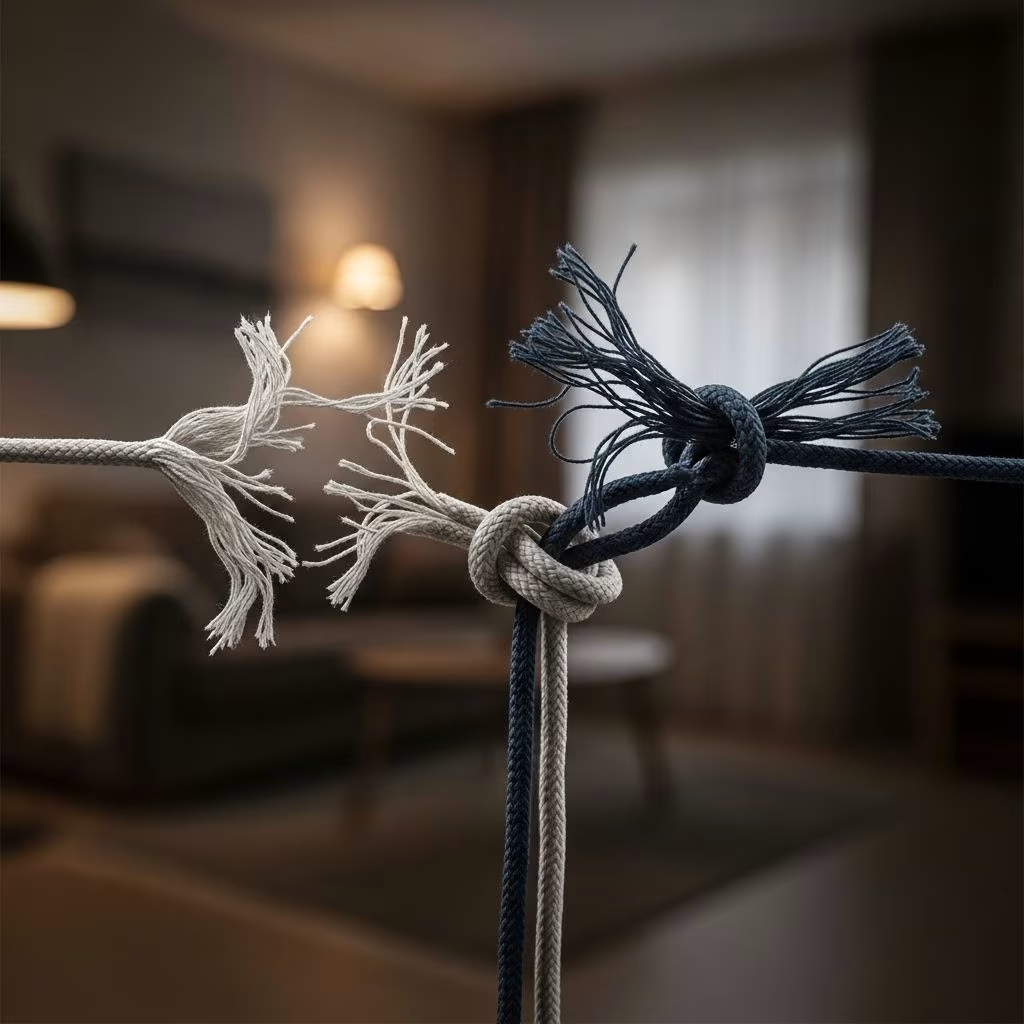
Relationships are complex, beautiful, and sometimes incredibly difficult to navigate. One of the hardest questions anyone in a relationship can face is whether to stay and fight for what you have or to walk away and start fresh. When you’re deeply invested in someone, it becomes challenging to see the situation clearly. You might find yourself clinging to memories of better times, hoping that person will return, or convincing yourself that things will improve if you just try harder. But sometimes, the most loving thing you can do for yourself is to recognize when a relationship has reached its natural end.
The truth is, knowing when to leave a relationship isn’t always obvious. Love can cloud our judgment, making us ignore warning signs that would be crystal clear to an outside observer. We make excuses, rationalize bad behavior, and convince ourselves that we’re being supportive rather than enabling. We stay because we’re comfortable, because we’re afraid of being alone, or because we’ve invested so much time that walking away feels like admitting defeat. But staying in a relationship that no longer serves you can be more damaging than the temporary pain of a breakup.
Understanding the difference between normal relationship challenges and fundamental problems that signal the end is crucial for your emotional well-being. Every relationship goes through rough patches, but some issues indicate deeper incompatibilities or unhealthy dynamics that won’t improve with time. The following four signs are strong indicators that your relationship may have run its course, and continuing to invest your energy might be preventing you from finding the happiness and connection you truly deserve.
The Foundation of Trust Has Crumbled
Trust forms the bedrock of any healthy relationship. Without it, everything else crumbles. When trust disappears, it creates a toxic environment where anxiety, suspicion, and insecurity flourish. If you find yourself constantly questioning your partner’s whereabouts, checking their phone when they’re not looking, or feeling a persistent sense of unease about their honesty, your relationship is suffering from a fundamental flaw that’s incredibly difficult to repair.
Chronic suspicion is exhausting and emotionally draining. Waking up every morning with a sinking feeling in your stomach, wondering if your partner is being faithful or honest with you, is no way to live. While some level of occasional concern is normal in any relationship, constant suspicion indicates a serious problem. Whether your partner has actually been unfaithful or you simply can’t shake the feeling that something isn’t right, the lack of trust creates an unbearable burden on the relationship.
The absence of trust manifests in various ways. You might find yourself overanalyzing every text message, scrutinizing their social media interactions, or feeling jealous when they mention coworkers or friends. Perhaps they’ve given you concrete reasons not to trust them through lies, broken promises, or actual infidelity. Or maybe the distrust stems from your own insecurities or past experiences. Regardless of the source, if you’ve communicated your concerns and nothing has changed, or if the trust has been broken so severely that repair seems impossible, it’s time to seriously consider ending the relationship.
Trust issues don’t just affect the present; they poison your vision of the future. When you can’t trust your partner, you can’t fully commit to building a life together. Every plan you make is shadowed by doubt. Every promise they make is questioned. This constant state of vigilance and worry prevents genuine intimacy and connection from developing or continuing. A relationship without trust is like a house without a foundation—it might stand for a while, but it’s fundamentally unstable and likely to collapse.
Quality Time Together Has Become a Rare Commodity
In the beginning stages of a relationship, couples typically can’t get enough of each other. You make time no matter how busy your schedules are, you prioritize each other above other obligations, and being together feels effortless and natural. But when a relationship starts dying, one of the first casualties is quality time spent together. If you and your partner consistently choose other activities, people, or obligations over spending meaningful time with each other, it’s a glaring red flag that the connection has weakened significantly.
It’s important to distinguish between healthy independence and neglectful avoidance. Mature relationships involve two individuals maintaining their own identities, friendships, and interests outside the partnership. However, when both partners regularly opt for literally anything else over spending time together, it suggests that the relationship is no longer a priority for either person. You might notice that you’re relieved when your partner makes other plans, or you deliberately schedule activities to avoid spending evenings together.
This sign becomes even more concerning when coupled with a lack of meaningful communication about the distance growing between you. If you’ve expressed that you’d like to spend more quality time together and your partner consistently fails to make it happen, or if you yourself have no real desire to reconnect despite recognizing the problem, the relationship may be beyond salvaging. Making time for your partner should feel like a joy, not an obligation or chore you keep postponing.
The quality of the time you do spend together matters just as much as the quantity. Are you actually engaging with each other, having real conversations, and enjoying shared experiences? Or are you simply existing in the same space, scrolling through your phones, watching television without interaction, or going through the motions without genuine connection? When being together feels more lonely than being apart, and when the thought of planning a date night fills you with dread rather than excitement, these are clear indicators that the emotional bond has severely deteriorated.
Broken Promises Have Become the Norm
Few things erode a relationship faster than a pattern of broken promises. When your partner consistently fails to follow through on their commitments, whether large or small, it sends a clear message: you’re not a priority, and your feelings don’t matter enough for them to keep their word. If this pattern has become the standard in your relationship rather than the occasional exception, it’s a strong sign that the relationship needs to end.
Broken promises come in many forms. Perhaps your partner repeatedly says they’ll be home for dinner and then shows up hours late without warning. Maybe they promise to work on specific behaviors that bother you but never actually make changes. They might commit to attending important events—meeting your friends, going to your work function, celebrating your achievements—and then cancel at the last minute or simply not show up at all. Each broken promise is like a small betrayal that chips away at the foundation of trust and respect in your relationship.
The emotional impact of broken promises is significant and cumulative. There’s the initial disappointment when they fail to keep their word, followed by embarrassment if you’ve told others about the plans, then anger at being let down once again, and finally a deep sense of being undervalued. When you can no longer count on your partner to do what they say they’ll do, you stop making plans that involve them. You stop expecting them to show up for you, both literally and figuratively. This emotional withdrawal is often the beginning of the end.
What makes chronic promise-breaking especially damaging is what it reveals about how your partner views you and the relationship. Someone who genuinely cares about you and values the relationship will make every reasonable effort to keep their promises. They understand that their reliability directly impacts your trust and emotional security. When someone repeatedly breaks promises without genuine remorse or behavioral change, they’re showing you through their actions that other things are more important to them than your happiness and the health of your relationship. Believing their words while ignoring their actions is a recipe for prolonged heartache.
You No Longer Feel Seen or Understood
One of the most beautiful aspects of a healthy relationship is feeling truly seen, understood, and accepted by your partner. When you’re with the right person, it often feels like they can read your mind, anticipate your needs, and understand your emotions without lengthy explanations. This deep level of connection creates a sense of safety and intimacy that makes the relationship feel like home. But when that feeling disappears—when you consistently feel misunderstood, overlooked, or invisible to your partner—it’s one of the most painful signs that the relationship has fundamentally changed.
The loss of emotional attunement manifests in countless ways. You might find yourself in situations where your partner seems completely oblivious to your emotional state, even when you’re clearly upset or struggling. Perhaps you’ve tried to share something important about your day, your dreams, or your concerns, only to be met with distraction, dismissiveness, or a complete change of subject. Maybe you feel like you’re constantly explaining yourself, defending your perspective, or trying to make your partner understand things about you that they should already know after months or years together.
This disconnection often creates a profound sense of loneliness, even when you’re physically together. You might feel like you’re speaking different languages, operating on completely different wavelengths, or living parallel lives that occasionally intersect but never truly merge. The person you’re with seems like a stranger, unable or unwilling to see the real you. This is particularly painful when you remember times in your relationship when you felt completely understood and deeply connected. The contrast between what you once had and what exists now can be heartbreaking.
Sometimes this disconnect happens because one or both partners have changed significantly. Personal growth is natural and healthy, but sometimes people grow in different directions. The person your partner fell in love with might be quite different from who you are now, and vice versa. If you’ve communicated about these changes, tried to bridge the gap, and still feel like you’re living with someone who doesn’t really know you anymore, it might be time to acknowledge that you’ve outgrown the relationship. Staying with someone who doesn’t see you, understand you, or accept who you’ve become is a form of self-abandonment that will ultimately leave you feeling empty and unfulfilled.
Recognizing When Fighting Is Futile
Many people pride themselves on being fighters who never give up, especially when it comes to relationships. There’s something admirable about commitment and perseverance. However, there’s a crucial difference between fighting for a relationship that’s worth saving and desperately clinging to something that’s already dead. Knowing when to stop fighting and walk away isn’t a sign of weakness or failure—it’s often an act of courage and self-respect.
When you’ve recognized multiple signs that your relationship is over, yet you continue to invest enormous amounts of emotional energy into trying to revive it, you’re likely fighting a battle you cannot win. Some relationships end not because of one catastrophic event, but because they’ve simply run their natural course. The love that once existed has faded, the compatibility that seemed perfect has revealed itself to be superficial, or the people involved have changed too much to remain compatible. No amount of effort can force a dead relationship back to life.
Consider whether you’re fighting for the relationship itself or for the idea of what the relationship once was or could have been. Are you in love with your partner as they are right now, or with your memories of how they used to be? Are you staying because the relationship genuinely brings joy, fulfillment, and growth into your life, or because you’re afraid of change, worried about being alone, or feel like you’ve invested too much to walk away? These are difficult but essential questions to answer honestly.
The sunk cost fallacy keeps many people trapped in relationships long after they should have ended. Just because you’ve invested years, shared experiences, or built a life with someone doesn’t mean you should continue investing in a relationship that makes you unhappy. Every day you spend in an unfulfilling relationship is a day you’re not available for something better—whether that’s a healthier relationship in the future or simply the peace and growth that comes from being single and focusing on yourself.
The Path Forward: Making the Difficult Decision
If you’ve recognized one or more of these signs in your relationship, you’re likely facing an incredibly difficult decision. Ending a relationship is never easy, even when you know it’s the right choice. You might worry about hurting your partner, fear being alone, or doubt whether you’re making the right decision. These concerns are natural and valid, but they shouldn’t prevent you from doing what’s ultimately best for your well-being and future happiness.
Before making a final decision, it can be helpful to have one last honest conversation with your partner about your concerns. If you haven’t already clearly communicated the issues you’re experiencing and given your partner an opportunity to address them, doing so is an important step. However, if you’ve had these conversations repeatedly with no lasting change, another discussion is unlikely to produce different results. At some point, you have to accept that actions speak louder than words, and if someone’s actions consistently show they’re not willing or able to be the partner you need, it’s time to move on.
Seeking support during this time is crucial. Talk to trusted friends or family members who have your best interests at heart. Consider working with a therapist who can help you process your feelings, gain clarity on your situation, and develop a plan for moving forward. Remember that feeling sad, scared, or uncertain about ending a relationship doesn’t mean you’re making the wrong choice. Grief is a natural part of ending any significant relationship, even when the relationship wasn’t healthy.
Ultimately, you deserve a relationship where you feel valued, trusted, seen, and prioritized. You deserve a partner who keeps their promises, makes time for you, and continues to choose you day after day. If your current relationship doesn’t provide these fundamental elements despite your best efforts to address the issues, letting go might be the kindest thing you can do for both yourself and your partner. Sometimes love isn’t enough, and recognizing that truth is the first step toward finding the happiness and fulfillment you deserve.
Frequently Asked Questions
Q: How long should I try to fix relationship problems before deciding to end things?
A: There’s no universal timeline, but if you’ve clearly communicated your concerns, given your partner reasonable time to make changes, and seen no meaningful improvement over several months, continuing to wait is unlikely to produce different results. Trust your instincts about when enough is enough.
Q: What if I still love my partner despite these problems?
A: Love alone isn’t sufficient to sustain a healthy relationship. You can love someone deeply and still recognize that the relationship isn’t working. Sometimes the most loving choice is to let go so both people can find relationships that truly fulfill them.
Q: How do I know if I’m giving up too easily versus recognizing when a relationship is truly over?
A: Ask yourself if you’ve genuinely communicated your needs, whether your partner has made consistent efforts to address issues, and if the problems are fundamental incompatibilities or temporary challenges. If you’re constantly unhappy despite sincere efforts from both sides, you’re not giving up too easily—you’re making a healthy choice.
Q: Should I stay in a relationship for the sake of children, financial stability, or other practical reasons?
A: While practical considerations matter, staying in an unhealthy relationship often does more harm than good, even when children or finances are involved. Children especially benefit more from happy, healthy parents—even if they’re apart—than from parents who are miserable together.
Q: What if my partner promises to change after I say I want to end the relationship?
A: Last-minute promises of change are common when someone faces losing the relationship, but they rarely lead to lasting transformation. If your partner didn’t prioritize making changes when you expressed concerns earlier, a promise made under the pressure of a breakup is unlikely to result in genuine, sustainable change.
References
- https://www.elitedaily.com/dating/time-to-leave-your-relationship/2005559
- https://www.elitedaily.com/p/5-signs-you-need-to-leave-your-relationship-1893110
- https://www.elitedaily.com/p/6-signs-your-on-again-off-again-relationship-isnt-working-you-should-break-up-for-good-8313488
- https://www.elitedaily.com/dating/signs-your-relationship-is-over/2032436
- https://www.elitedaily.com/p/4-obvious-signs-your-relationship-is-over-that-youve-been-missing-this-whole-time-3012693
- https://www.elitedaily.com/p/5-signs-you-your-partner-wont-last-in-marriage-according-to-expert-9189865
- https://www.elitesingles.co.uk/em/from-single-to-couple/ending-a-relationship
- https://www.elitedaily.com/dating/should-i-break-up-with-my-partner/1452055
- https://www.elitedaily.com/p/if-your-relationship-isnt-built-to-last-youll-notice-these-9-signs-17229032


