


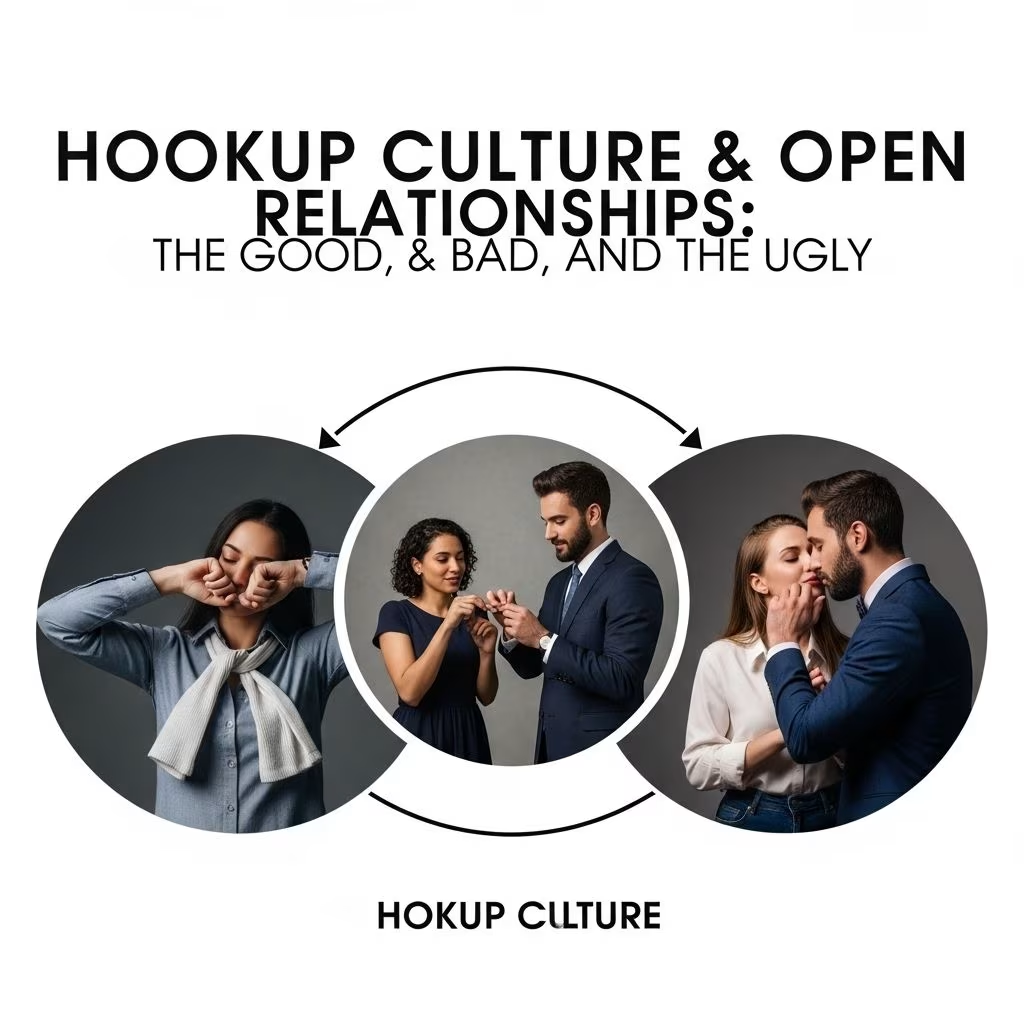
Introduction to Hookup Culture and Open Relationships
Hookup culture and open relationships have become increasingly prevalent in modern society, especially among younger generations. While these practices offer freedom and exploration, they also present challenges and controversies. This article delves into the world of casual encounters, consensual non-monogamy, and their impact on individuals and society.
Understanding Hookup Culture
Hookup culture refers to the social norms and practices surrounding casual sexual encounters. It is often associated with college life but extends beyond educational settings, influencing the broader dating scene. Proponents argue that hookup culture provides empowerment, allowing individuals, especially women, to focus on personal goals without the constraints of committed relationships. However, critics highlight that it can perpetuate misogyny and prioritize male pleasure over female satisfaction.
The Benefits of Hookup Culture
- Freedom and Autonomy: Hookup culture offers individuals the freedom to explore their sexuality without the obligations of a committed relationship. This can be particularly empowering for women, who can delay marriage and focus on personal development.
- Sexual Exploration: It allows for safe and consensual exploration of sexual desires and identity, which can be beneficial for individuals still discovering their preferences.
- Low-Risk Relationships: Casual encounters often come with less risk of emotional attachment or heartbreak, appealing to those who prefer to keep things light.
The Challenges of Hookup Culture
- Emotional Distress: Many individuals, particularly women, report experiencing emotional distress, low self-esteem, and regret after casual hookups.
- Misogyny and Sexism: Hookup culture can perpetuate societal sexism, as men often hold more power in these encounters, leading to an orgasm gap and prioritization of male pleasure.
- Lack of Fulfillment: The absence of meaningful connections can leave individuals feeling unfulfilled and disconnected from genuine emotional experiences.
Understanding Open Relationships
Open relationships involve consensual agreements between partners to engage in romantic or sexual activities outside of their primary relationship. Ethical non-monogamy and polyamory are forms of open relationships that emphasize transparency and mutual respect among all parties involved.
The Benefits of Open Relationships
- Increased Communication: Open relationships require open communication and trust, which can strengthen the bond between partners by fostering honesty and understanding.
- Personal Growth: They offer opportunities for personal growth and self-discovery, as individuals explore their desires and boundaries with multiple partners.
- Diverse Experiences: Open relationships allow for a variety of experiences and connections, which can enrich one’s life and relationships.
The Challenges of Open Relationships
- Complexity and Jealousy: Managing multiple relationships can be complex and may involve dealing with jealousy or insecurity among partners.
- Social Stigma: Open relationships often face societal stigma, making it challenging for individuals to openly discuss or maintain these relationships without judgment.
- Emotional Balance: Balancing emotional needs with the demands of multiple relationships can be emotionally taxing and require significant emotional intelligence.
Frequently Asked Questions (FAQs)
Q: Is hookup culture inherently bad?
A: Hookup culture is not inherently bad; it offers freedom and exploration but can be problematic if it prioritizes male pleasure over female satisfaction and perpetuates misogyny.
Q: How do open relationships work?
A: Open relationships involve consensual agreements between partners to engage with others outside of their primary relationship. They require transparency, trust, and open communication to succeed.
Q: Are open relationships more fulfilling than traditional monogamy?
A: Fulfillment in relationships depends on individual preferences and needs. Some people find open relationships more fulfilling due to the variety of experiences and personal growth opportunities, while others may prefer traditional monogamy.
Conclusion
Hookup culture and open relationships are complex and multifaceted, offering both empowerment and challenges. As society continues to evolve, it is crucial to address the issues of misogyny and emotional distress in hookup culture while respecting the diversity of relationships and promoting open, honest communication.
References
- https://thecrimsonwhite.com/86420/opinion/opinion-hookup-culture-is-anti-feminist/
- https://www.youtube.com/watch?v=6wnLUk1qiHA
- https://www.elitedaily.com/dating/ethical-non-monogamy-open-relationships-meaning-how-they-work
- https://www.thebabereport.com/how-accepting-the-hookup-culture-is-getting-20-somethings-nowhere/
- https://www.elitedaily.com/dating/sex/open-relationships
- https://www.nationalreview.com/2017/05/new-york-times-magazine-polyamory-elites-nonjudgment-poisons-american-culture/
- https://www.phillymag.com/news/2013/07/15/penn-females-hook-up-culture-kate-taylor/


