


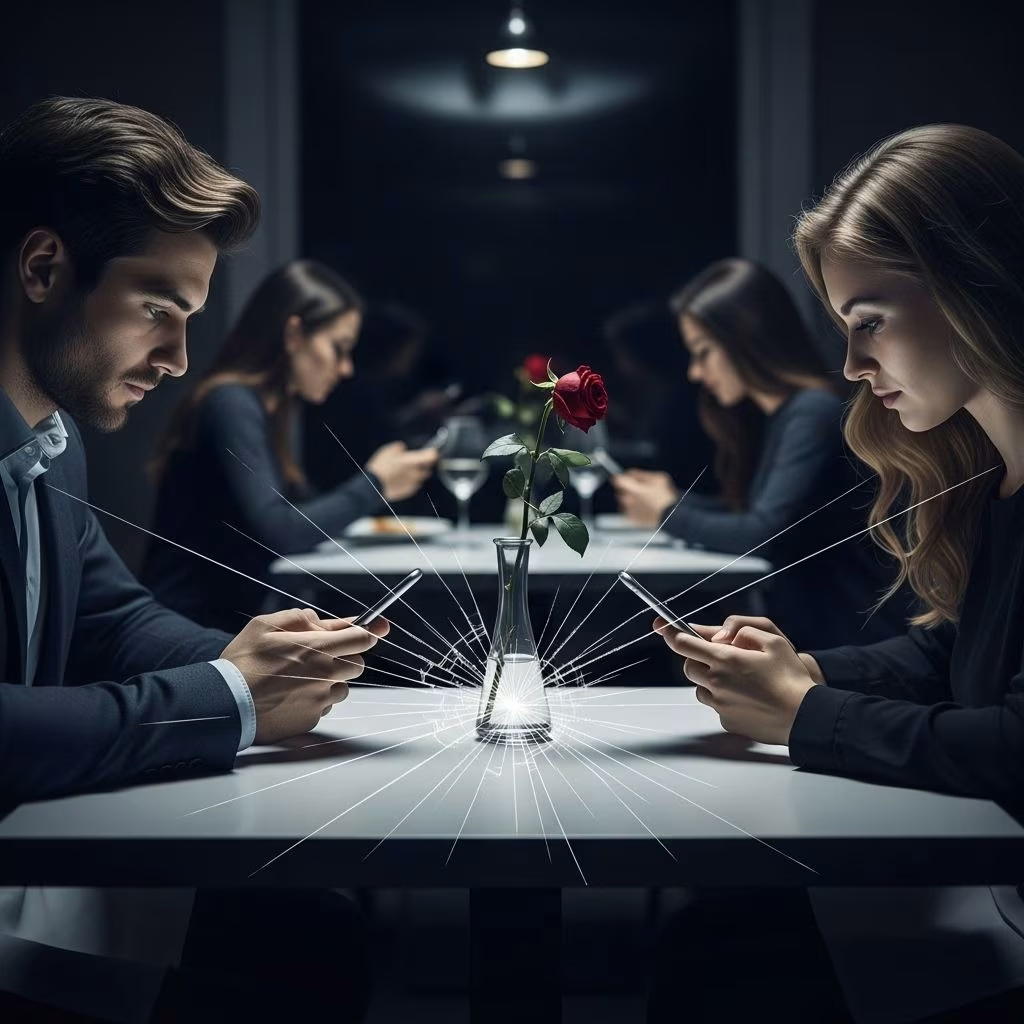
Confessions of Modern Romance: Why Texting Makes Us Sick of Each Other in Real Life
Once, the thrill of getting to know someone unfolded slowly: exchanges of letters or the electricity of long phone calls defined budding romance. Today, texting has become the dominant form of romantic communication, promising instant gratification and constant connection. But beneath this veneer of convenience and closeness, the relentless stream of messages may be eroding the very foundation of our relationships.
This article explores the hidden costs of excessive texting, why it leaves us emotionally exhausted, and how it fundamentally disrupts real-life intimacy.
The Toxic Relationship With Your Phone
Modern dating is often entangled in a toxic, albeit invisible, partnership: our relationship with our phones. It begins innocently—a new person enters your life, texts fly back and forth, and soon the rhythm of messages almost feels essential, as if each notification were a breath you couldn’t live without.
But as days turn into weeks of rapid-fire emoji-laced texts, the intense digital connection forms a surrogate for genuine, in-person rapport. This digital dependency is deceptive—while you may think you’re growing closer, what’s actually happening is a swift evaporation of mystery and excitement.
How Texting Destroys Genuine Intimacy
When texting is the primary method of communication, several subtle and damaging trends emerge:
- Overexposure before real connection: Sharing too much digitally too soon drains the energy from real-life meetings, leaving little fresh material for meaningful discovery.
- Unrealistic expectations: The perfect timing and carefully crafted punchlines possible via text create a persona that often falls apart in real, spontaneous interaction.
- Passive dependency: The ease of digital conversation fosters reliance on the screen, turning real conversations into awkward stumbles rather than organic exchanges.
The Illusion of Intimacy: Knowing Too Much, Too Soon
In traditional courtship, intimacy was built gradually. Today, two weeks of endless texting can exchange enough life details to fill a memoir. You discover their favorite coffee, pet peeves, secret hopes, even their cousin’s dog’s birthday—before you’ve sat across from them more than once or twice.
This over-sharing leads to the following problems:
- You arrive at dates with nothing new to discuss.
- The sense of mystery and discovery, foundational to attraction, evaporates.
- What should be a thrilling in-person meeting feels rote and redundant.
As a result, the person you finally meet IRL seems less exciting. The digital persona you constructed together—part fantasy, part highlight reel—rarely aligns with reality.
The Dependency Trap: When Constant Connection Turns Toxic
Texting all day, every day, feels intoxicating at first. The dopamine rush with each buzz creates a cycle of anticipation and reward. However, this constant dialogue quickly breeds dependency:
- The need for a constant stream of messages creates unhealthy attachment and anxiety.
- If the rhythm breaks, insecurity and doubt creep in: “Why haven’t they replied?”
- Real-world interaction becomes secondary to the addictive pattern of digital contact.
Eventually, this dependency erodes the actual connection you’re trying to build. Instead of growing together organically, both parties become more invested in maintaining the appearance of closeness through text than nurturing real intimacy.
Texting as a Mask for Isolation
Paradoxically, the more you text, the more isolated you may feel when finally in each other’s company. Since texting strips away the nuances of body language, tone, and real-time interaction, miscommunications and awkwardness increase. You might realize that, despite sharing so many words, you don’t really know how to be around each other anymore.
Texting in the “Getting to Know You” Stage: The Downfall of Chemistry
The “getting to know you” phase should be defined by thrill, anticipation, and a natural unfolding of stories and quirks. Texting, instead, speeds up the timeline and short-circuits the process:
| In-Person Dating | Text-Centric Dating |
|---|---|
| Curiosity builds over time | Stories and details are quickly revealed |
| Genuine reactions and body language guide chemistry | Reactions are limited to emojis and read receipts |
| Flaws and nuances are revealed gradually | Flaws can be hidden or misinterpreted |
| Expectation for face-to-face time remains high | Face-to-face interactions may seem redundant |
Death by Dialogue: When Conversation Becomes a Chore
Constant text contact inevitably leads to burnout:
- Endorphins from early constant texting fade, shifting to obligation.
- Forced replies and dwindling interest create a sense of “duty talking” rather than joy.
- Eventually, silence grows as exhaustion sets in, and the relationship fizzles out.
Unlike the old-school anticipation of a phone call or in-person date, the routine of texting fosters fatigue and lessens excitement over time.
The Perils of Digital Overexposure: Emotional Draining and Disconnection
Excessive texting does more than just reduce mystery—it creates emotional overload. You become emotionally saturated before you even have a chance to develop genuine affection or attachment.
This can lead to:
- Premature familiarity that inhibits further natural growth.
- An odd blend of deep personal knowledge with the emotional distance of a digital wall.
- Disconnection when the relationship transitions into the real world and natural chemistry cannot catch up with what digital exchanges promised.
Texting Replaces Learning How to Be Together
Face-to-face interaction offers countless cues—body language, voice inflection, shared silence—that cannot be replicated through text. When a relationship is built on texting, people:
- Struggle to communicate naturally in person.
- Miss out on learning to interpret subtle signals and building authentic comfort with silence.
- Risk mistaking digital compatibility for genuine, in-person intimacy.
What Are We Really Attached To? The Person or the Conversation?
Over time, excessive texting blurs the boundary between interest in the actual person and addiction to the conversation cycle itself. When the pace of texting slows or messages dry up, you might realize what you miss is not the person, but the sense of connection provided by constant digital engagement.
This realization can spark confusion, disappointment, and even resentment, crippling the possibility of deeper bonds developing organically.
The Final Consequence: Nothing Left to Discover
When partners finally spend time together after weeks of constant texting, they often find there’s nothing new left to say:
- All standard questions have been answered by chat.
- The initial charm and surprise of discovery are gone.
- Silence becomes more awkward than comforting.
This can leave relationships feeling stilted, mechanical, and ultimately unsatisfying.
Healthy Communication: Finding the Balance
While it’s nearly impossible to avoid texting in modern romance, balance is crucial. Here are strategies for healthier digital communication:
- Limit texting to essential logistics and brief check-ins.
- Reserve deeper, emotional exchanges for phone calls or face-to-face meetings.
- Prioritize planning real-world dates over extended text conversations.
- Be mindful of over-sharing and cultivate curiosity for in-person connection.
- Recognize your emotional responses to texting patterns and address anxieties openly.
Frequently Asked Questions (FAQs)
Q: Is texting always bad for relationships?
A: Not inherently. Texting is a convenient tool for brief, logistical communication. Problems arise when it replaces rich, face-to-face interactions or is used to foster premature intimacy.
Q: How much texting is too much when first dating?
A: There’s no universal rule, but when texting becomes constant and substitutes for real meetings, or you run out of things to say in person, it may be too much. Aim to use texting to facilitate, not dominate, your developing relationship.
Q: Can you recover relationship excitement if texting has overexposed you?
A: Authenticity and surprise can return with conscious effort. Focus on doing new things together, communicate openly about your needs, and create space for curiosity to flourish in person.
Q: What are healthy alternatives to constant texting?
A: Schedule regular in-person dates, try voice or video calls for more nuanced interaction, and save updates or stories for when you’re together to strengthen real-life connection.
Q: Why does texting feel addictive?
A: Each notification triggers a dopamine response, reinforcing the need for constant digital attention. This can create cycles of anticipation, attachment, and emotional burnout if not managed mindfully.
Conclusion: Reclaiming Real Romance
The allure of constant communication is powerful, especially in an era where digital connection feels safer and easier than vulnerability face-to-face. However, the future of genuine relationships depends on rediscovering the art of gradual intimacy, respecting boundaries, and valuing presence over pings. Less truly can be more—especially when what’s gained is the magic of real discovery.
References
- https://www.classicallyabby.com/commentary-lifestyle/texting-is-ruining-dating
- https://www.elitedaily.com/dating/texting-has-ruined-dating/971743
- https://www.elitedaily.com/dating/sex/texting-ruins-relationship/1685455
- https://www.sashacagen.com/dating/in-dating-beware-excessive-texting/
- https://affirmativetherapycollective.com/elite-daily-exercise-article/


