


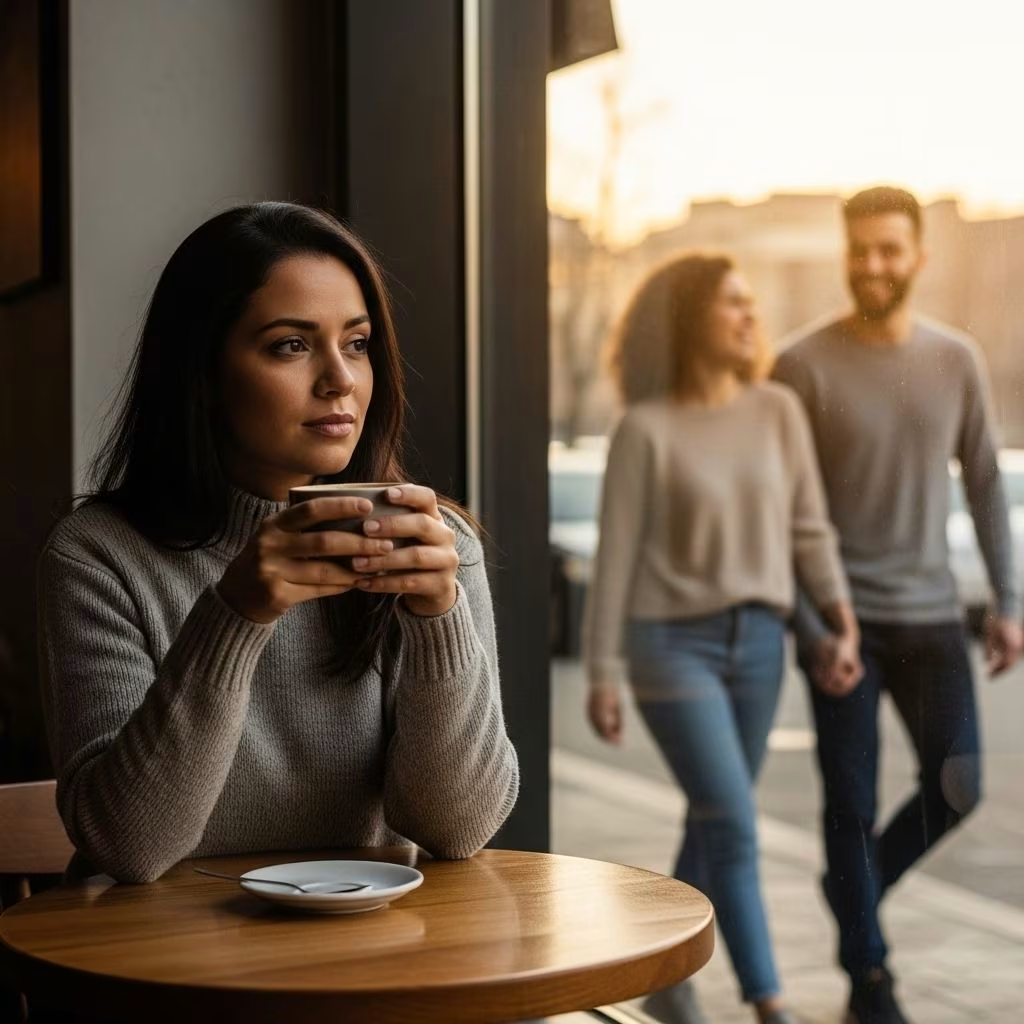
Introduction: When Your Best Friend Vanishes Into a New Relationship
It’s one of the most bittersweet realities of adult friendships: your best friend—your ride-or-die, your person—suddenly goes MIA after starting a new romantic relationship. One day you’re partners in crime, the next, you’re waiting days for a text back while she’s consumed by the excitement of new love. The emotions you feel—loneliness, envy, even frustration—are normal, but how you handle them can make or break your bond.
Cut Her Some Slack: Embrace Empathy
First things first: try to give your friend grace during her honeymoon phase. It’s easy to feel sidelined, especially when you’re used to being each other’s confidantes and co-pilots. But remember, fallings in love can make people a little single-minded and oblivious to life outside the new relationship.
- Validate your feelings, but keep things in perspective. Feeling hurt is natural, but try not to make yourself the center of her new relationship reality.
- Remind yourself you want her happiness. At the end of the day, you do care about her, and rooting for her success—romantic or otherwise—is part of what makes you a true friend.
- Accept that this phase is temporary. The intense focus on a new partner rarely lasts forever. As the relationship matures, chances are she’ll come back down to earth and reconnect with other priorities—including your friendship.
Pick Your Battles: Know What Really Matters
Before you confront your friend about her absence, ask yourself how serious the issue really is. Is she missing big life events, ditching urgent conversations, or just less available than before?
| Situation | How Concerned Should You Be? |
|---|---|
| Responds more slowly than usual | A natural shift; be patient |
| Misses important plans or milestones | Worth a direct conversation |
| Lies about where she is or who she’s with | Red flag; address respectfully |
There’s a difference between a friend who’s simply distracted and one who’s being inconsiderate. If she’s dropping big commitments or ignoring your needs repeatedly, it’s okay to speak up. But if she’s just less available overall, it might be better to wait it out and see if things improve as the relationship settles.
Be Honest—But Skip the Guilt Trip
If you’re feeling disconnected, it’s better to communicate directly than to let resentment build. Honesty strengthens friendships, but there’s an art to sharing difficult feelings without making things worse.
- Use “I” statements. Focus on how her absence makes you feel, not on her choices or her new partner. For example, “I miss spending time with you” hits differently than “You never hang out with me anymore.”
- Keep the focus on your friendship. This conversation isn’t about her relationship or her partner—it’s about the value you place on your connection and how you’d like to see it maintained.
- Don’t guilt or shame her. Falling in love can feel all-consuming, and people in new relationships often don’t realize the impact on their friendships. Coming from a place of resentment can backfire, making her defensive rather than receptive.
Approach your friend with genuine warmth and curiosity. Let her know you’re happy for her, while also expressing your desire to stay close. This way, she’s more likely to hear you out and make an effort to reconnect.
Make Peace With the Honeymoon Phase
Falling in love can be disorienting, even for the most loyal friends. The brain chemistry of new romance is intense, often making everything else fade into the background.
“The brain in love is no joke.”—Dr. Fisher (as quoted in Women.com).
Accept that your friend might be a bit of a “cartoon person”—forgetful, self-absorbed, and maybe even a little spacey. This isn’t a permanent state, and it doesn’t mean your friendship is doomed. With time and patience, the initial giddiness will cool, and her attention will likely begin to balance out again.
Make an Effort to Know Her New Partner
If your friend’s partner is sticking around, consider making an effort to get to know them. This isn’t about replacing your bestie, but about integrating the new reality into your life.
- Suggest casual group activities. Invite them both for drinks, dinner, or a movie night. This reduces the “either/or” dynamic and makes it easier for your friend to spend time with both important people in her life.
- Keep an open mind. Even if you’re skeptical about the new partner, approaching them with curiosity and respect can help ease tension. If you become friends with her partner, you might even expand your own social circle.
- Set boundaries if needed. If you’d rather have some one-on-one time with your friend, let her know you appreciate her partner, but sometimes just want “girls’ night” (or whatever you usually call it). Most people understand the need for balance.
Turning this into a “Friends” or “How I Met Your Mother” scenario—where everyone hangs out together—can actually make life easier for everyone involved. Plus, it sends the message that you’re supportive, not threatened.
Take Care of Yourself, Too
While you’re making space for your friend’s new relationship, don’t forget to nurture your own life and other relationships. Use this time to explore new hobbies, reach out to other friends, or focus on personal goals.
- Don’t put your life on hold. Waiting around for your friend to notice you again can breed resentment. Live your life, and let your happiness be a beacon for a healthier friendship.
- Be honest about your needs. If you need more from your friendship, say so. If you’re feeling abandoned, let her know (without making her responsible for your happiness).
Recognize the Long Game
Friendships, like all relationships, go through phases. Sometimes, one person’s priorities will shift—temporarily or permanently. While it’s natural to worry about being left behind, remember that most friendships that matter find their way back to equilibrium.
If your friend is truly the BFF she always was, she’ll eventually make time for you again. If not, your openness and honesty will at least give you clarity about where you stand. Either way, you’ll grow from the experience—and be better prepared for the next time a loved one goes MIA in a new relationship.
Frequently Asked Questions (FAQs)
Q: How long does the honeymoon phase last?
A: Typically, the intense “honeymoon” phase of a new relationship lasts anywhere from a few months to a year, but it varies by couple. Most people gradually return to their regular social lives as the excitement settles.
Q: What if my friend never comes back around?
A: It’s possible some friendships fade during major life changes, but the best way to know is to communicate openly. If you express your feelings and she still doesn’t make an effort, it may be time to focus on other relationships.
Q: Should I try to break them up?
A: No. Healthy friendships respect each person’s autonomy and choices. Express your concerns if you have them, but ultimately, her romantic life is her own.
Q: What if her partner doesn’t like me?
A: Stay polite and open, but don’t sacrifice your self-respect. If her partner is disrespectful or tries to come between you and your friend, talk to her honestly about your concerns.
Q: Can our friendship ever go back to the way it was?
A: Not exactly—every relationship evolves with new experiences and priorities. But with mutual effort, you can build a new normal that’s just as meaningful, even if it’s different.
Conclusion: Navigating Friendship Through Change
When your best friend disappears into a new relationship, it’s normal to feel a sense of loss, but it doesn’t have to mean the end of your bond. By embracing empathy, picking your battles, communicating honestly, and taking care of yourself, you can weather this phase and emerge with a friendship that’s deeper and more resilient than ever.
Remember, the best friendships are flexible enough to stretch with life’s changes—without breaking under the pressure. As you both grow, your connection can too—whether that means making room for new partners, rediscovering each other after some time apart, or simply appreciating the comfort of knowing your friend is there, even when she’s distracted by love.


