


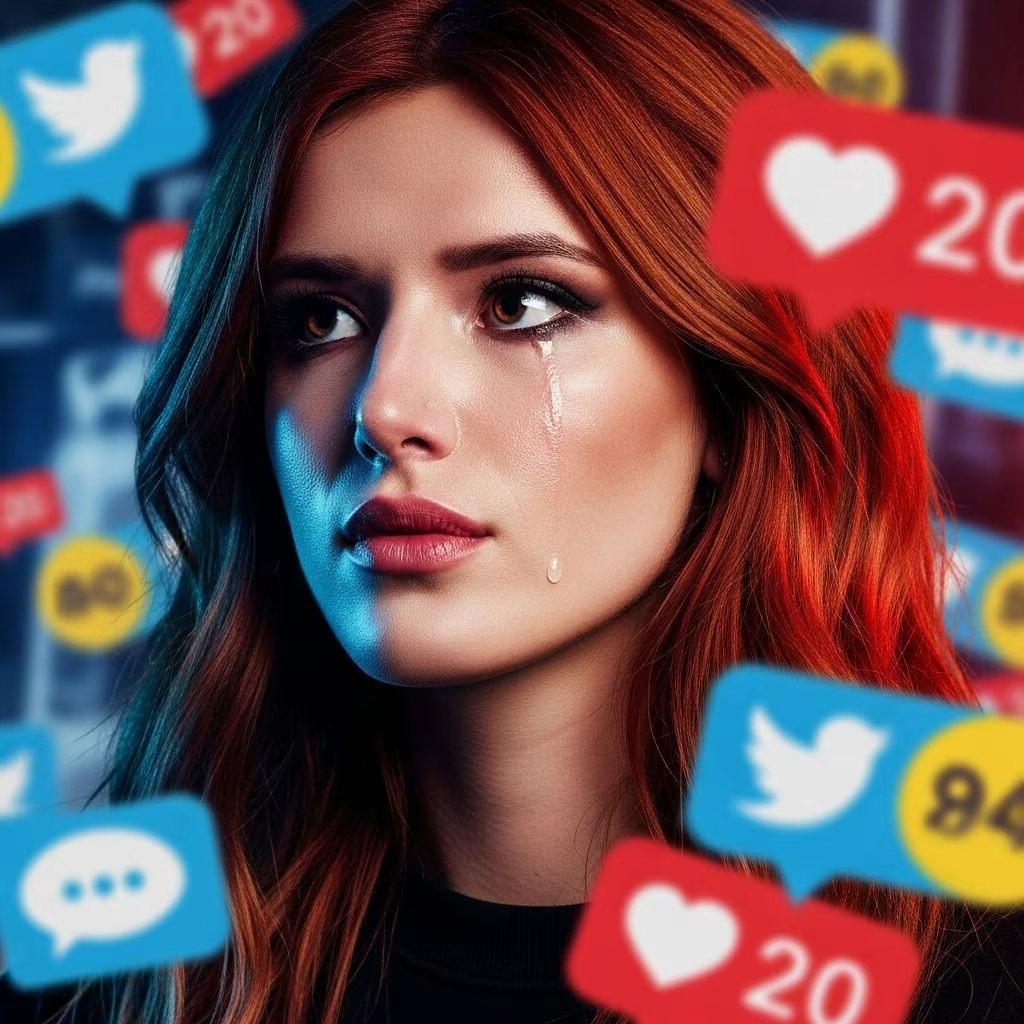
Twitter Reacts: Bella Thorne’s Relationship Drama Sparks Internet Frenzy
If you’ve spent any time on the internet, you know celebrity relationships rarely remain private, and Bella Thorne’s love life is no exception. When details of Thorne’s latest romantic chapter surfaced, Twitter erupted in a firestorm of memes, hot takes, and ruthless roasts. The situation quickly spiraled from personal news into a viral moment, capturing just how powerful — and unforgiving — the digital spotlight can be.
Why Does the Internet Care So Much About Bella’s Relationships?
The intersection of Bella Thorne’s fame and social media’s appetite for drama means that any revelation about her relationships almost guarantees an animated public response. Fans and commentators alike see these headlines as irresistible opportunities for opinions, jokes, and sometimes brutal criticisms. The phenomenon also underscores a broader cultural fixation on the private lives of celebrities, fueled by platforms like Twitter where reactions spread instantaneously.
The News That Ignited Twitter
The initial spark came as rumors (or confirmations) about Thorne’s new relationship began trickling onto celebrity news outlets. Instantly, the Twittersphere mobilized:
- Some fans expressed genuine excitement and support for the star’s happiness.
- Others dissected the pairing, referencing past relationships and public moments, sometimes with biting sarcasm.
- Memes, GIFs, and satirical commentary flooded timelines within hours.
The sheer speed at which these reactions emerged is emblematic of how quickly celebrities cede control of their narratives online.
The Art of the Twitter Roast
Twitter users are well known for their creative, razor-sharp wit — especially when it comes to roasting celebrities. Bella Thorne quickly became trending fodder for users eager to showcase their comedic chops. Here are a few recurring themes from the Twitter barrage:
- Comparisons to Past Flings: Many tweets drew parallels between Thorne’s previous partners and her latest beau, often exaggerating perceived patterns, for comedic effect.
- Jokes About Hollywood Romance: Several users poked fun at the fast-paced nature of celebrity dating, turning Thorne’s love life into a running punchline about Hollywood’s brevity.
- Photoshop and Meme Culture: Countless meme formats were repurposed to capture exaggerated reactions — from stock images of shock to viral screen grabs from pop culture moments.
The creativity (and at times cruelty) of these roasts is a testament to Twitter’s role as both a cultural commentator and a high-speed joke factory.
Celebrity Reactions: Support and Shade
No celebrity internet firestorm is truly complete without input from fellow stars. In response to the social media frenzy, there were:
- Empathetic outreach: Some celebrities defended Thorne’s right to privacy and autonomy, urging fans to consider the impact of their words.
- Playful engagement: Others joined in on the meme-making, demonstrating camaraderie (or sometimes, equally public shade).
This celebrity solidarity (or rivalry) often amplifies the spectacle, drawing fresh waves of attention.
A Closer Look: Memes that Ruled the Day
Meme culture thrives on relatable reactions and viral formats. Here is a breakdown of the kinds of memes that circulated as part of the Bella Thorne relationship discourse:
- “Who’s next?” memes: Templates imagining future suitors, using everything from movie villains to pop culture icons.
- Crying and laughing GIFs: Users expressed mock devastation or joy at the news, often accompanied by pop-culture images.
- Text overlays: Tweets with screenshots of the relationship headlines, captioned with exaggerated reactions or imagined conversations.
Why Do Celebrity Relationships Become Public Entertainment?
This phenomenon raises eyebrows: why does the internet care so deeply about the love lives of stars? Several factors drive this trend:
- Parasocial relationships: Social media creates an illusion of intimacy with celebrities, prompting many to feel invested in their personal affairs.
- Distraction and humor: Following and joking about celebrity news serves as an entertaining escape — especially during stressful times.
- Reflection of wider values: Often, responses reveal collective anxieties or aspirations related to love, fame, and privacy.
It’s a feedback loop: celebrities share — fans and critics react — media covers the reactions, prompting even more commentary.
The Dark Side: When Memes Cross the Line
While many Twitter reactions are light-hearted or clever, some descend into territory that can best be described as cyberbullying. Even supporters recognize that relentless online criticism and jokes, especially ones that become personal, have the potential to inflict genuine emotional harm.
- Shaming and rumors: Reckless speculation can turn into rumor-mongering, often weaponizing past mistakes or personal details against the subject.
- Overstepped boundaries: Jokes sometimes blur into invasions of privacy or even harassment, especially when fans and detractors pile on.
Bella Thorne’s Response: Owning the Narrative
Bella Thorne is no stranger to online controversy or the pressures of life in the spotlight. Her response to internet backlash — whether over relationships, fashion choices, or body positivity — has often been unapologetic. She’s defended not only her own choices but also taken a broader stand against the culture of online judgment. A typical Thorne approach includes:
- Direct clapbacks to body-shamers or trolls on Instagram and Twitter.
- Messages of empowerment, turning negative press into teachable moments.
- Standing up for others in similar situations, often pointing out the systemic nature of online harassment, especially for women in the public eye.
Her candor has won her both staunch supporters and additional critics, solidifying her place as a visible advocate for speaking up against cyberbullying.
What This Saga Says About Digital Celebrity Culture
The internet is a double-edged sword for celebrities: it connects them directly with fans, but also opens them up to instant — and often intense — scrutiny. The Bella Thorne Twitter roast epitomizes several truths about modern fame:
- The loss of privacy is nearly total when personal stories break online.
- Crowdsourced humor can be a blessing or a curse, depending on tone and context.
- The line between attention and harassment is often blurry, especially when social media is both a personal and promotional tool for stars.
Ultimately, these cycles reveal both the joy and the peril of being famous in the age of digital participation.
A Timeline of the Twitter Uproar
| Date | Event | Twitter Response |
|---|---|---|
| Day 1 | Bella Thorne relationship rumors hit media outlets. | Initial surge of tweets — supportive, skeptical, and comedic. |
| Day 2 | Memes and GIFs trend in response to the news. | #BellaThorne trending; debate over public vs. private matters erupts. |
| Day 3 | Celebrity reactions further fuel the conversation. | Increased polarization: defenders vs. critics. |
| Day 4+ | Thorne addresses the situation online. | Reflection, some apologies, but also ongoing memes. |
What Social Media Users Can Learn from the Episode
While celebrity gossip provides entertainment, the virality of such moments also invites larger reflection. Key takeaways include:
- Think before tweeting: Real people are behind trending topics, and words can do real harm.
- Appreciate humor, avoid cruelty: Roasting can be fun, but crossing personal boundaries risks perpetuating a toxic online culture.
- Critique the phenomenon: The speed and volume of digital reactions should prompt users to reflect on their own role in the cycle.
Frequently Asked Questions (FAQs)
Q: Why do Bella Thorne’s relationships always trend online?
A: Bella Thorne is a high-profile celebrity with an outspoken personality, making any public revelation about her personal life prime fodder for internet commentary and memes. Social media amplifies these moments instantly.
Q: Has Bella Thorne responded to the Twitter roasts?
A: Yes, Thorne often responds directly to criticism or roasts, either with lightheartedness, direct clapbacks, or statements about internet bullying and the challenges of fame.
Q: Are memes and jokes about celebrities considered cyberbullying?
A: Not all memes and jokes qualify as cyberbullying, but repeated, targeted mockery can cross the line. There’s a distinction between harmless humor and content that shames or harasses.
Q: What role do other celebrities play in these internet spectacles?
A: Fellow celebrities sometimes defend their peers, while others join in on the jokes. Their participation can either support or amplify the attention, shaping the tone of the discourse.
Q: What can fans do to support their favorite celebrities during social media storms?
A: Fans can show support by posting positive messages, calling out negative behavior, and resisting the urge to pile on with unsolicited opinions or hurtful jokes.


