How to Reduce Sodium Without Sacrificing Flavor
Reducing sodium intake is a proven way to support heart health, lower blood pressure, and decrease the risk of cardiovascular disease. Yet the idea of eating bland, flavorless food often deters people from making meaningful changes to their diets. The truth, however, is that sodium reduction does not mean compromising on taste. With the right techniques and ingredients, food can be both satisfying and heart-friendly.
Why Should You Cut Down on Sodium?
- Excess sodium is strongly linked to high blood pressure and increased risk of heart disease.
- The World Health Organization recommends less than 2,000 mg of sodium per day for most adults, but many consume much more due to processed and restaurant foods.
- Lowering sodium is one of the most cost-effective ways to improve overall health.
| Sodium Source | % of Average Intake |
|---|---|
| Processed/Packaged Foods | ~75% |
| Table Salt / Condiments | ~15% |
| Natural Foods | ~10% |
This data highlights the importance of focusing on fresh, minimally processed ingredients and being mindful of sodium lurking in foods that do not taste salty.
Make Flavorful Food Without Salt: Proven Strategies
The following evidence-based strategies allow you to enjoy delicious meals while slashing sodium.
1. Cook More Meals from Scratch
- Most of our sodium comes from commercially prepared meals, not from home.
- Preparing dishes at home gives you control over ingredients, helping you avoid the excess sodium in ready-made soups, frozen meals, packaged rice mixes, and restaurant foods.
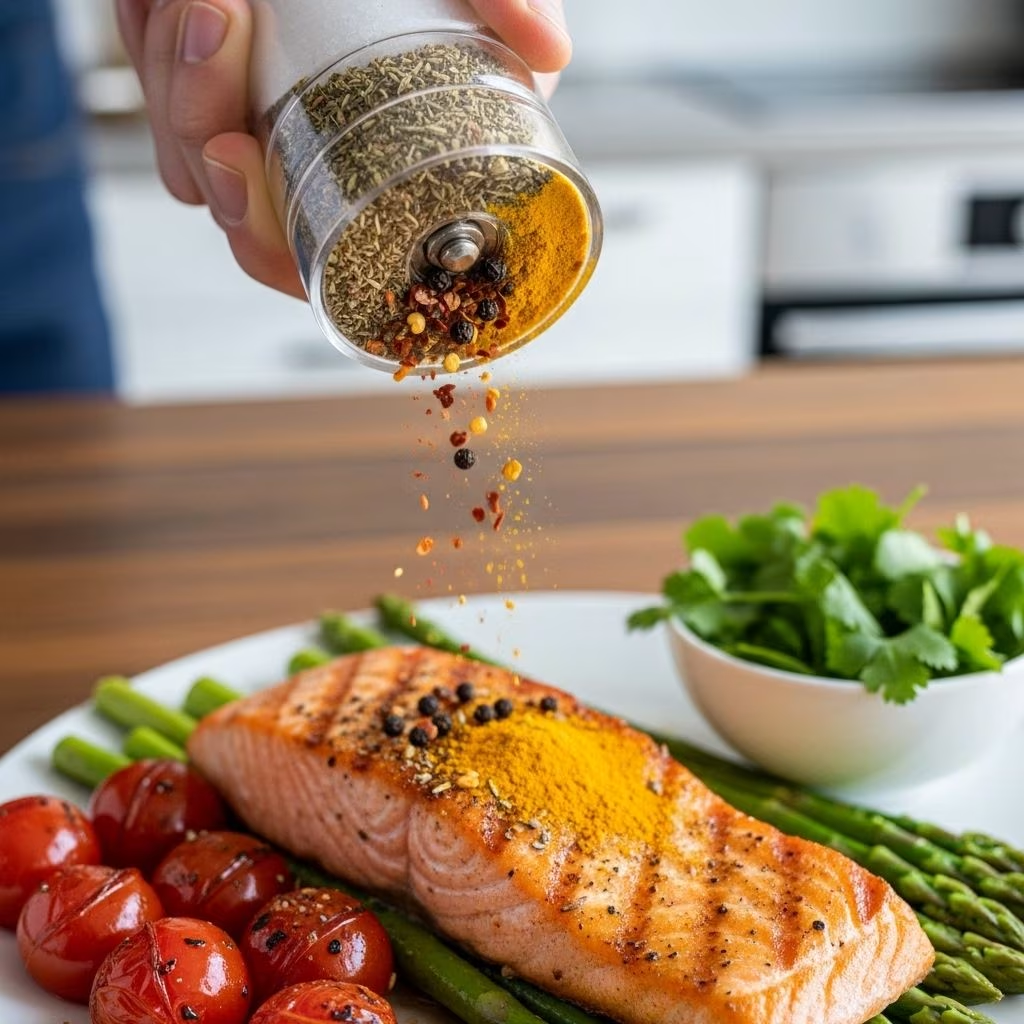
- Homemade meals let you flavor food with herbs, spices, citrus, and other non-salt alternatives, truly enhancing the taste.
2. Choose Fresh, Whole Ingredients
- Fresh fruits, vegetables, and unprocessed meats are naturally low in sodium.
- Skip products labeled “cured”, “smoked”, or “seasoned” as these often include added sodium.
- Opt for fresh or frozen poultry, fish, and meats without injected solutions or marinades.
3. Read Nutrition Labels Carefully
- Check for terms like “low sodium,” “reduced sodium,” or “no salt added.”
- Compare brands and choose products with the lowest sodium content.
- Remember: foods without a salty taste (like breads, cereals, and canned vegetables) may still contain high levels of sodium.
4. Limit Restaurant and Takeout Meals
- Restaurant dishes are often high in sodium for both taste and preservation.
- Ask for sauces, dressings, and cheese on the side, or request no added salt.
- Choose grilled, baked, or steamed options over fried or breaded items.
5. Rethink the Salt Shaker
- Table salt accounts for a relatively small portion of total sodium intake.
- Gradually decrease added salt by using flavorful alternatives—they’ll stimulate your palate and make sodium less central to your experience.
Creative, Flavorful Alternatives to Salt
Food without salt can still be delicious when seasoned thoughtfully. Consider these substitutes and techniques:
Herbs and Spices
- Herbs: Basil, thyme, oregano, parsley, cilantro, rosemary.
- Spices: Black pepper, cumin, paprika, turmeric, ginger, cinnamon.
- Mix and match to create regional or global flavors:
Italian – garlic, basil, oregano; Indian – cumin, coriander, turmeric; Mexican – chili powder, cilantro, lime.
Citrus and Acid
- Zest and juice from lemons, limes, and oranges add brightness and tang.
- Vinegars—apple cider, balsamic, sherry—provide sharp, complex notes.
Aromatic Vegetables
- Fresh garlic, onions, scallions, ginger, chiles, and shallots offer intense flavor without sodium.
Umami-Rich Ingredients
- Umami is the savory-rich taste found in mushrooms, tomatoes, fermented products, and aged cheeses.
- Utilize concentrated tomato paste, sautéed mushrooms, roasted vegetables, miso, nutritional yeast, or a touch of Parmesan.
- Monosodium glutamate (MSG) can replicate salt’s savory effect with less sodium and is widely recognized as safe for most people.
Flavorful Cooking Techniques
- Roasting, grilling, caramelizing, and toasting intensify flavors and create depth without added salt.
- Slow-cooking and braising allow spices and vegetables to infuse deeply into dishes.
Tips for Making the Transition Easier
Cutting sodium shouldn’t mean sacrificing favorite foods. Take a gradual, sustainable approach:
- Slowly reduce salt in recipes—your palate will adapt over time to lower sodium tastes.
- Replace salty condiments with herbal or citrus blends, or try healthy dips made from yogurt, avocado, or pureed beans.
- Choose salt-free seasoning blends for easy flavor.
- Experiment with small amounts of salt substitute, but check first with your healthcare provider if you have kidney issues or take medications affecting potassium.
Common High-Sodium Foods to Watch For
- Breads and rolls (hidden sodium)
- Canned soups/vegetables
- Cold cuts and cured meats (ham, bacon, sausage)
- Cheese, especially processed
- Frozen entrees and pizzas
- Sauces, dressings, and condiment packets
Salt Substitutes: Are They Right for You?
Many salt substitutes use potassium instead of sodium. While these can help replicate salty taste, they aren’t safe for everyone. Individuals on certain blood pressure or heart medications, or those with kidney disease, must consult their healthcare provider first.
Sample Sodium-Smart Flavor Pairings
| Food | Flavorful Alternatives |
|---|---|
| Grilled Chicken | Lemon zest, cracked pepper, thyme, rosemary |
| Steamed Vegetables | Garlic, basil, olive oil, chili flakes |
| Homemade Soup | Bay leaf, onion, carrots, celery, paprika |
| Fish Fillets | Lime juice, cilantro, cumin, tomato salsa |
| Whole Grain Rice | Toasted sesame seeds, green onions, ginger |
Reducing Sodium: Frequently Asked Questions
Q: Can I stop using the salt shaker and cut all sodium?
A: Most dietary sodium comes from processed foods, not the salt shaker. Start by lowering the sodium in your recipes and focus on using more fresh ingredients. Gradually reduce table salt over time; your taste buds will adapt.
Q: How do I know if I’m eating too much sodium?
A: Check food labels for sodium content. The recommended daily limit is 2,300 mg or less—ideally 1,500 mg for heart health. Many packaged and restaurant foods exceed this amount.
Q: Are salt substitutes safe?
A: Most salt substitutes use potassium chloride, which can be risky for people with kidney disease or those on certain medications. Always consult your healthcare provider before switching to a salt substitute.
Q: What if my food tastes bland after cutting sodium?
A: Use herbs, spices, citrus, and cooking techniques (like roasting and grilling) to develop flavor. Try umami-rich ingredients such as mushrooms, tomatoes, or a modest amount of MSG for enhanced taste.
Q: How long does it take to adjust to less salty food?
A: Taste buds adapt in about 2–4 weeks after reducing sodium intake. Most people find that once they’re used to less sodium, foods with lots of salt taste overwhelmingly salty.
Key Takeaways for Flavorsome, Lower Sodium Eating
- Reducing sodium does not mean losing flavor—use fresh foods, herbs, spices, acidity, and umami to create delicious meals.
- Read food labels, cook at home, and make informed choices when dining out.
- Take it slow: your palate will adjust to new, healthier flavors over time.
References & Further Reading
- World Health Organization: Sodium Reduction Guidelines
- Mayo Clinic: Sodium — How to Tame Your Salt Habit
- Harvard Health: 10 Tricks to Reduce Salt (Sodium) in Your Diet
- NCBI: Taste and Flavor Roles of Sodium in Foods — A Unique Challenge to Reduce Intake
- Healthline Nutrition: Is MSG Truly Unhealthy?
References
- https://batonrougeclinic.com/news-education/5-flavorful-ways-to-use-less-salt/
- https://www.ncbi.nlm.nih.gov/books/NBK50958/
- https://www.mayoclinic.org/healthy-lifestyle/nutrition-and-healthy-eating/in-depth/sodium/art-20045479
- https://www.healthline.com/nutrition/msg-good-or-bad
- https://www.who.int/news-room/fact-sheets/detail/sodium-reduction
- https://www.healthline.com/nutrition/is-salt-bad-for-you
- https://www.health.harvard.edu/blog/10-tricks-to-reduce-salt-sodium-in-your-diet-2018072014281