


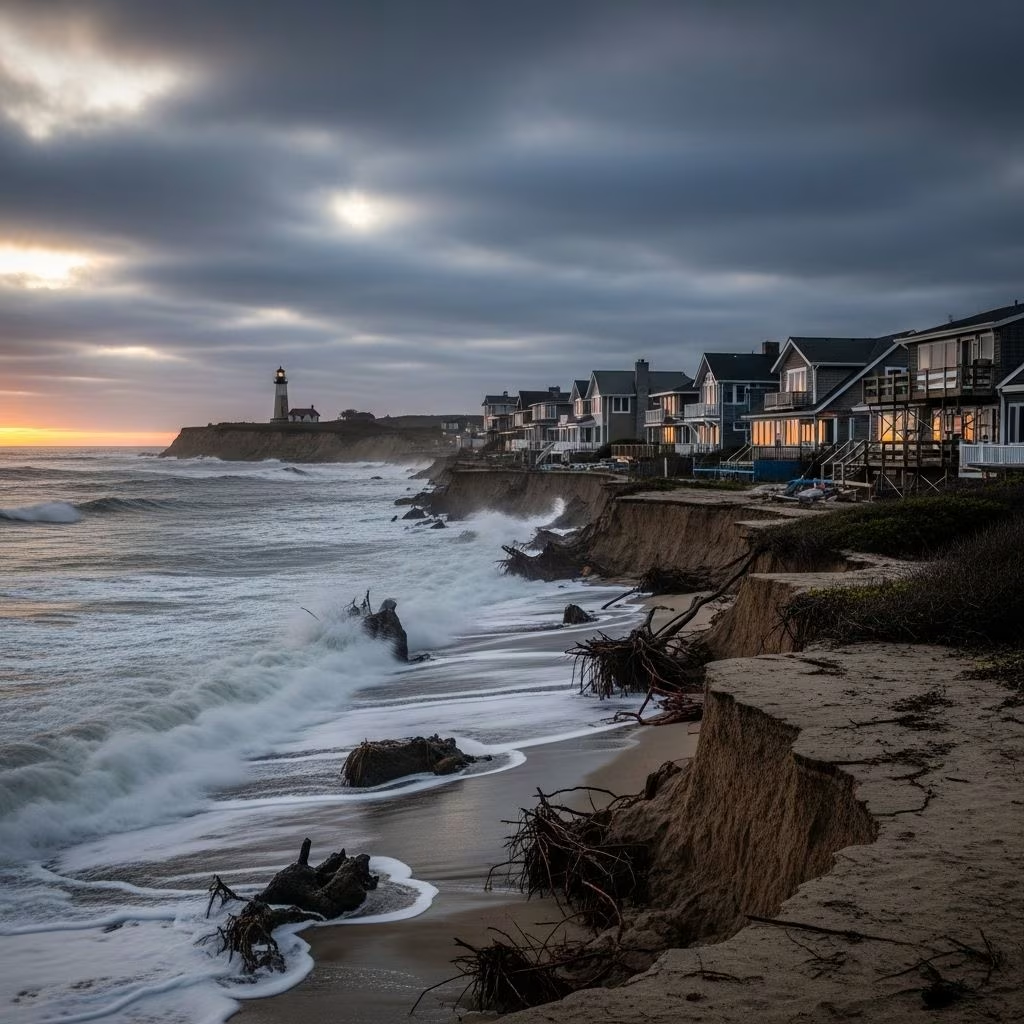
Introduction to Threatened U.S. Coastlines
The United States boasts a diverse and extensive coastline, stretching from the Atlantic to the Pacific and including the Gulf of Mexico. However, this coastline is facing unprecedented threats due to climate change, human activities, and natural processes. This article delves into the challenges and potential solutions for these threatened regions.
Climate Change and Sea Level Rise
One of the most significant threats to U.S. coastlines is climate change, particularly sea level rise. Rising sea levels increase the risk of coastal flooding, erosion, and saltwater intrusion into freshwater sources. By 2050, sea levels along U.S. coastlines are projected to rise by 0.25–0.3 meters, leading to more frequent and severe flooding events.
Coastal Erosion and Loss of Habitats
Coastal erosion is another critical issue. The loss of natural habitats such as mangroves, dunes, and wetlands exposes coastal communities to increased vulnerability. These ecosystems play crucial roles in protecting shores from waves and storms, providing habitats for wildlife, and supporting biodiversity. The destruction of these habitats accelerates erosion and makes coastal areas more susceptible to damage from storms and rising sea levels.
Environmental Impacts on Coastal Ecosystems
Coastal ecosystems face numerous environmental challenges, including pollution, invasive species, and overfishing. Pollution from agricultural runoff, industrial waste, and plastic debris harms marine life and contaminates water sources. Invasive species can outcompete native flora and fauna for resources, disrupting local ecosystems. Overfishing depletes marine populations, affecting the food chain and economic stability of coastal communities.
Examples of Threatened Coastal Regions
– Key Largo Tree Cactus: This species, once thriving in Florida, has been lost due to rising sea levels and other environmental pressures like saltwater intrusion and herbivory.- Atlantic White Cedar: Forming “ghost forests” along the Northeast coast, these trees are dying due to saltwater encroachment and rising sea levels.- Northern California’s Coastal Cypress Trees: These trees are threatened by nativist policies that lead to their destruction, compounded by coastal erosion issues.
Solutions and Mitigation Strategies
Mitigating the threats to U.S. coastlines requires a multi-faceted approach:- Adaptation and Resilience: Implementing sea walls, dunes, and other protective barriers can help safeguard against erosion and flooding.- Ecosystem Restoration: Restoring natural habitats like mangroves and wetlands enhances coastal resilience and biodiversity.- Sustainable Practices: Promoting sustainable fishing practices, reducing pollution, and protecting native species can help preserve coastal ecosystems.- Climate Change Mitigation: Reducing greenhouse gas emissions to slow climate change is crucial for preserving coastlines in the long term.
Frequently Asked Questions (FAQs)
Q: What is the impact of rising sea levels on coastal ecosystems?
A: Rising sea levels lead to increased flooding, erosion, and saltwater intrusion, damaging habitats and threatening biodiversity.
Q: How can coastal communities adapt to climate change?
A: Communities can adapt by building protective barriers, restoring natural habitats, and implementing sustainable practices to enhance resilience.
References
- https://milliontrees.me/2013/12/31/coastal-trees-endangered-by-nativism/
- https://www.earth.com/news/sea-level-rise-claims-its-first-coastal-plant-victim-in-the-u-s/
- https://joegardener.com/podcast/recognizing-confronting-threats-facing-americas-trees/
- https://www.nature.com/articles/s41586-024-07038-3


