


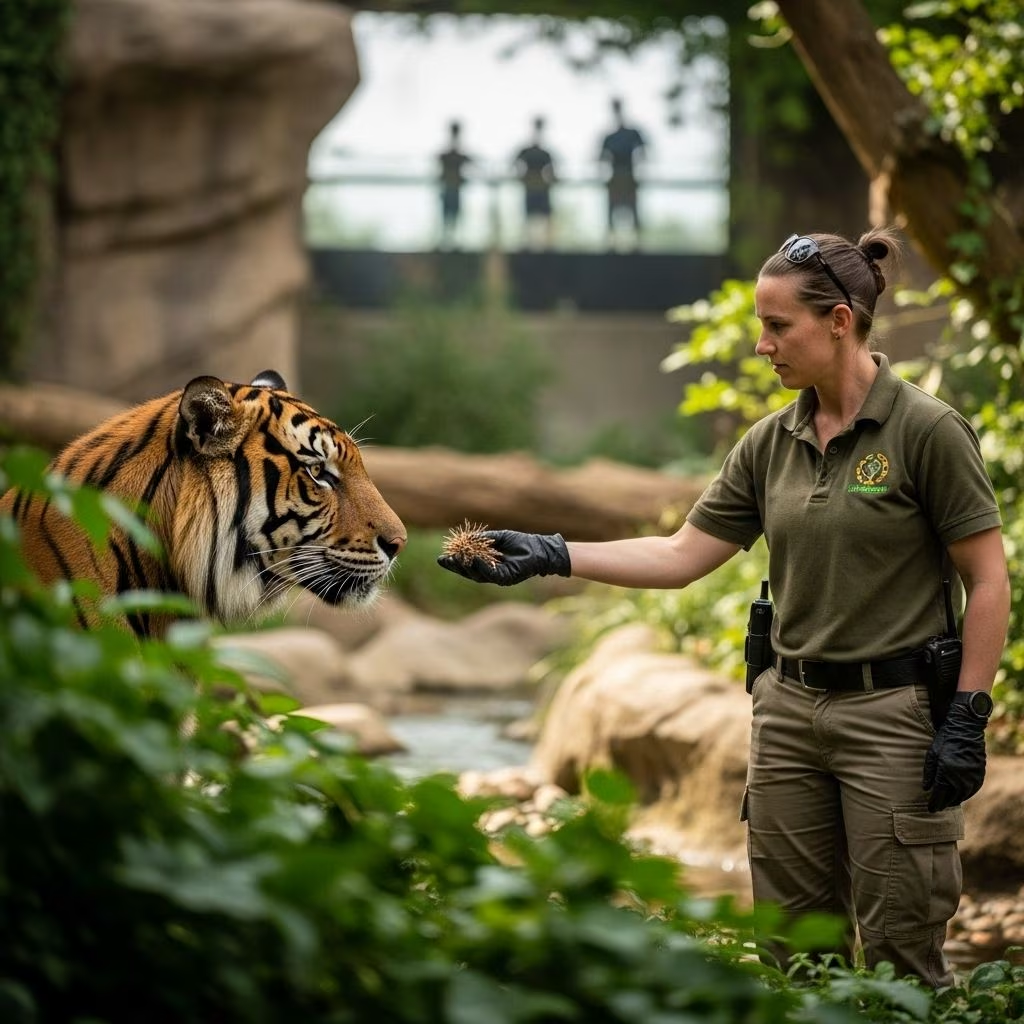
Zoos and Endangered Species Conservation: A Complex Relationship
Zoos have evolved dramatically from their origins as menageries exhibiting exotic animals for entertainment. Today, many leading zoos frame their mission as a critical part of global efforts to conserve endangered species. This article explores the different dimensions of zoo-based conservation, from success stories and ongoing challenges to ethical controversies and the complicated reality of captive breeding and reintroduction programs.
The Purpose and Evolution of Zoos
- Historical context: Originally, zoos showcased exotic creatures primarily for entertainment and status.
- Modern mission: Most leading zoos now emphasize conservation, research, education, and animal welfare goals, aligning themselves with international standards and organizations like the Association of Zoos and Aquariums (AZA).
- Global impact: Over 230 accredited zoos and aquariums participate in more than 2,500 conservation projects annually in over 100 countries.
The Foundation of Zoos: Conservation and Care
Unlike their predecessors, contemporary zoos increasingly aim to provide animals with environments that promote physical health, mental stimulation, and species-typical behaviors. Enrichment care—keeping animals mentally and physically active—is now a core part of responsible animal management.
How Do Zoos Help Endangered Species?
Zoos contribute to conservation in several ways:
- Captive breeding: Controlled breeding programs prevent extinction by maintaining genetically viable populations.
- Genetic management: Exchange of animals between zoos helps introduce new genetic material and reduce inbreeding risk.
- Rescue and rehabilitation: Zoos care for injured or confiscated animals, sometimes supporting their release back to the wild.
- Research and knowledge: Studies in zoos advance understanding of animal biology, behavior, disease, and nutrition, informing both captive and wild management strategies.
- Public education and advocacy: By showcasing rare species and conservation challenges, zoos inspire support and funding for wider conservation projects.
Zoo Success Stories: Species Saved from Extinction
Several iconic species owe their survival to zoo-based conservation and breeding programs. Examples include:
- Panamanian Golden Frog: Once extinct in the wild, this amphibian survives due to rigorous captive breeding efforts.
- Arabian Oryx: Previously extinct in the wild, Arabian oryx numbers have rebounded thanks to zoo breeding and reintroduction programs.
- Przewalski’s Horse: The world’s only living wild horse species was re-established in Mongolia after being extinct in the wild, with all current animals descended from zoo stock.
- Scimitar-horned Oryx: Native to North Africa, rescued from extinction through captive breeding and successful reintroduction.
- Blue-crowned Laughing Thrush, Amur Leopard, Mountain Chicken Frog, Ploughshare Tortoise: These and several other species are fighting extinction with support from zoo-backed programs worldwide.
Captive Breeding: Pros and Cons
Proven Benefits
- Increased population size: Captive breeding creates insurance populations able to buffer against catastrophic declines or extinction in the wild.
- Genetic management: Periodic animal exchanges between zoos introduce new genes, reducing inbreeding and boosting population health.
- Research opportunities: Captive settings facilitate detailed research, resulting in better conservation strategies for wild populations.
- Supporting habitat restoration: Some zoo-bred animals have been successfully reintroduced into restored habitats, revitalizing ecologically important species.
Common Criticisms and Limitations
- High costs: Captive breeding and reintroduction programs are expensive, often diverting resources from in-situ (on-site) conservation in the wild.
- Limited genetic diversity: Small original founding populations can lead to genetic bottlenecks and increased susceptibility to disease or genetic defects.
- Loss of natural behaviors: Animals bred in captivity may lack crucial survival skills. Release programs sometimes fail due to poor adaptation to the wild.
- Inbreeding depression: Maintaining viable populations with sufficient genetic diversity is a constant challenge, as demonstrated by the phasing out of species like Mhorr gazelles in US zoos.
| Pros | Cons |
|---|---|
| Growing populations of endangered species | Limited genetic pool |
| Research for better conservation strategies | Loss of wild survival skills |
| Education & advocacy | High costs |
| Reintroduction to the wild | Risk of inbreeding depression |
Challenges Facing Zoos
- Balancing Conservation and Entertainment: The need to attract visitors for financial viability can conflict with conservation priorities; zoos often face criticism for “putting on a show” rather than focusing on animal welfare.
- Species prioritization: Limited space and resources force zoos to prioritize which species to support. Criteria often include endangered status, ecological role, and viability of captive populations.
- Funding Constraints: Conservation and breeding programs require substantial resources, which are not always available.
- Ethical concerns: Animal welfare advocates argue that captivity fundamentally impairs animal wellbeing, especially for complex, intelligent species like elephants and primates.
- Risk of disease and natural disasters: Concentration of animals from varied regions makes zoos vulnerable to outbreaks, environmental disasters, and other threats.
Case Study: Elephants in Captivity
The plight of elephants in zoos illustrates broader ethical concerns:
- Captive elephants are often sourced from the wild, occasionally disrupting wild populations.
- The captive environment cannot meet elephants’ complex physical, social, and psychological needs.
- Zoo-born elephants have higher rates of health issues, such as Elephant Endotheliotropic Herpesvirus Haemorrhagic Disease (EEHV-HD), than their wild counterparts.
The Ongoing Debate: Should Animals Be Kept in Zoos?
Opinions on the ethical validity and practical effectiveness of zoos remain deeply polarized. Some critics argue:
- Exploitation over conservation: Many animals in zoos are not endangered, and captivity may prioritize human entertainment rather than genuine conservation outcomes.
- Insufficient return to the wild: Of more than 145 zoo-led reintroduction programs in the last century, only a small percentage succeeded in restoring wild populations.
- Captivity-induced suffering: Welfare concerns persist, especially for highly intelligent or social animals.
Supporters counter with the tangible benefits zoos deliver:
- Conservation lifeline: Zoos sometimes represent the only hope for species without viable wild populations.
- Research and education: Zoos fund, enable, and disseminate research vital for species’ survival and inspire future conservationists.
- Public engagement: Zoos provide millions with access to wildlife that would otherwise remain distant, engendering empathy and support for conservation action.
Zoos and the Big Picture of Conservation
Leading conservationists and biologists agree that zoos are neither a panacea nor a substitute for in-situ conservation—the preservation of wildlife in their natural habitats. Instead:
- Zoos offer important backup populations and genetic reservoirs when wild populations collapse.
- They can fund and support habitat restoration but cannot alone address the root causes of biodiversity loss such as habitat destruction, climate change, poaching, and pollution.
- Global collaboration is vital: No single institution can solve the crisis of extinction; success relies on integration with field conservation and regulatory policies.
Comparing In-Situ vs. Ex-Situ Conservation
| In-Situ Conservation | Ex-Situ Conservation (Zoos) |
|---|---|
| Protects species in their natural habitat | Maintains species in controlled environments |
| Addresses ecosystem-level threats | Provides backup populations, especially for critically endangered species |
| Requires large-scale policy, enforcement, and funding | Enables research and genetic management |
| Greater ethical acceptance | Ongoing welfare and ethical debates |
Future Directions: Innovation and Collaboration
The future of zoos as conservation centers depends on:
- Improved animal welfare standards: Advances in enclosure design, enrichment, and veterinary care promote the psychological and physical health of residents.
- Transparent conservation outcomes: Zoos are increasingly measured by their real-world impact on species’ survival, genetic health, and successful reintroduction rates.
- Integration with global conservation efforts: Zoos must partner with field researchers, governments, NGOs, and local communities to create sustainable solutions.
- Education and public engagement: Progressive zoos inspire visitors not only to appreciate species but to advocate for their protection in the wild and at home.
Frequently Asked Questions (FAQs)
Q: What are the main conservation benefits of zoos?
A: Zoos protect species from extinction through captive breeding, maintain genetic diversity, support research, and provide education and advocacy that fund broader conservation programs.
Q: Which species have been saved by zoos?
A: The Panamanian Golden Frog, Arabian Oryx, Przewalski’s Horse, Scimitar-horned Oryx, Amur Leopard, and Blue-crowned Laughing Thrush are among those saved or sustained due to zoo programs.
Q: What are the major criticisms of zoos in conservation?
A: Critics point to limited genetic diversity, high costs, loss of wild survival skills, ethical concerns about animal welfare, and the fact that only a minority of reintroduction programs truly succeed.
Q: How do zoos prioritize which species to save?
A: Zoos typically prioritize endangered species based on their ecological importance and the potential to maintain a viable captive population without severe inbreeding.
Q: Are most zoo animals endangered?
A: No, the majority of animals in zoos are not endangered species, though flagship breeding and conservation programs focus heavily on those at greatest risk.
Conclusion
Zoos occupy an undeniably complex space in worldwide conservation efforts. In their best form, they represent hope for species teetering on the edge of extinction, blending research, education, and activism. Yet the ethical and practical challenges they face—and the limits of what can be achieved within their walls—ensure that the debate about their true value remains ongoing. For zoos to fulfill their potential as conservation leaders, continuous innovation, collaboration, and prioritization of animal welfare must remain at the forefront of their mission.
References
- https://sites.psu.edu/ameliaemahizer/2021/04/05/zoos-help-not-harm/
- https://wildwelfare.org/the-conservation-mission-of-zoos-nabila-aziz/
- https://ineducationonline.org/2022/01/07/the-foundations-of-zoos-ineducationonline-org/
- https://earth.org/wild-animal-captivity/
- https://theminimalistvegan.com/should-animals-be-kept-in-zoos/


