


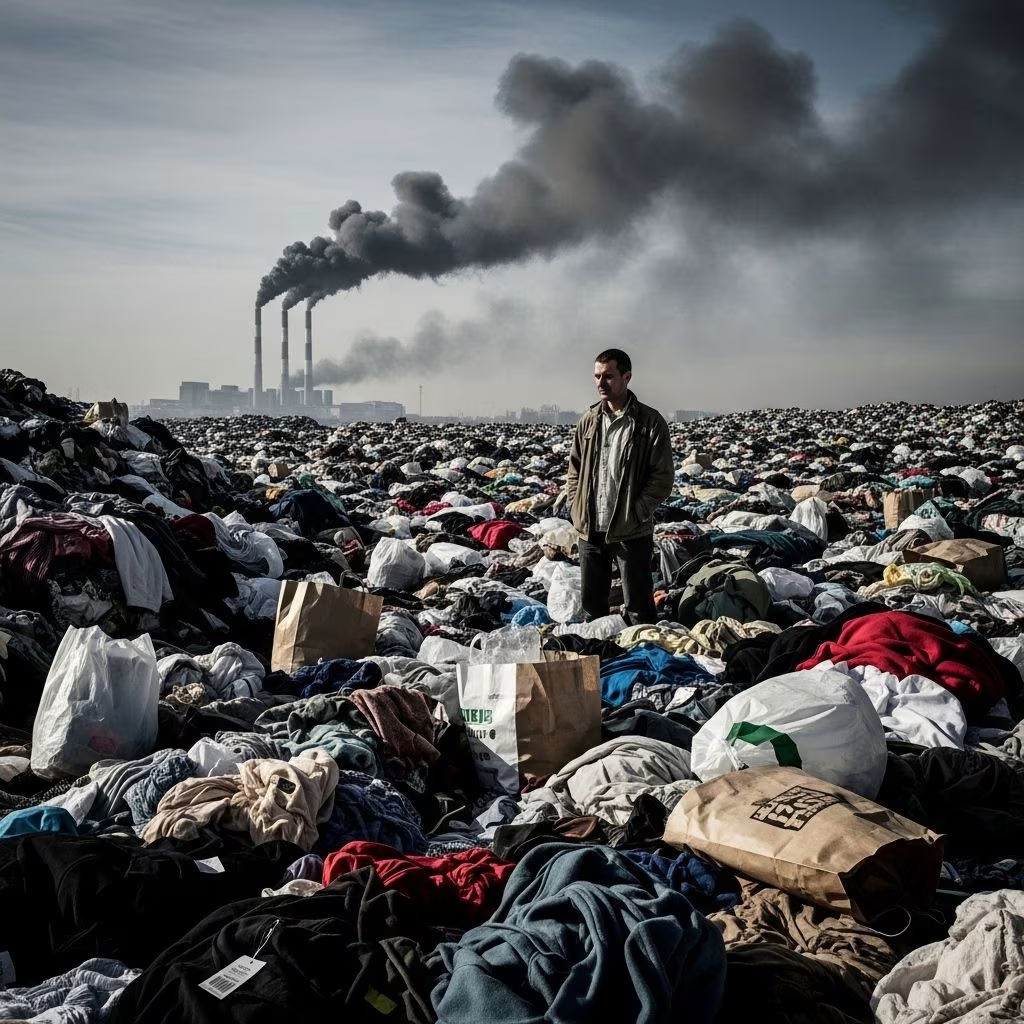
Why Men’s Shopping Habits Are More Damaging to the Climate Than Women’s
The choices consumers make in their daily lives have a measurable impact on the environment. Recent research shows that men’s shopping habits, especially in fast fashion and general consumption, contribute more substantially to climate change than those of women. This article thoroughly examines the evidence behind this claim, considers the cultural and psychological drivers of these patterns, and explores practical interventions for a more sustainable future.
Climate Cost of Consumption: The Gender Divide
Fashion is one of the leading contributors to global carbon emissions, producing roughly 10% of the world’s greenhouse gases—a figure greater than all international flights and maritime shipping combined. As consumers buy, use, and discard clothing at unprecedented rates, the industry’s impact only grows, with men’s choices intensifying this trend. But what makes men’s shopping habits especially problematic in the context of climate change?
- Higher carbon footprints: Studies show that, on average, men’s spending habits—across clothing, travel, meat, and fuel—carry a carbon cost 16% higher than women’s.
- Preference for high-impact items: Men are more likely to purchase items and services with greater environmental consequences, such as electronics, vehicles, and certain clothing types.
- Lower rates of sustainable behavior: Shifts toward eco-friendly shopping are slower among men compared to women, due in part to cultural stereotypes and market messaging.
Fast Fashion: A Climate Crisis Accelerated by Men’s Choices
The rise of fast fashion—the rapid production of cheap, trend-driven clothing—has made it easier and more affordable for individuals to constantly refresh their wardrobes. While the industry as a whole bears responsibility for a surge in environmental degradation, recent studies reveal that men’s participation in fast fashion is rising more quickly than women’s. In particular:
- Increased clothing turnover: Men are buying and discarding clothing at higher rates, feeding energy-intensive supply chains and waste streams.
- Brand marketing shifts: Fast fashion retailers increasingly target men, normalizing frequent purchases and disposability in menswear.
| Factor | Men | Women |
|---|---|---|
| Average Annual Clothing Purchases (units) | Higher (↑ 10% year-on-year) | Moderate (Stable or rising slowly) |
| Adoption of Resale and Repair | Minimal | Rising rapidly |
| Brand Influence | Trend- and convenience-driven | Eco- and value-driven |
Beyond Fashion: Broader Consumption Patterns Fueling Climate Impact
Men’s higher climate impact extends well beyond apparel. Across major spending categories—such as food, travel, vehicles, and electronics—men tend to select options with larger carbon footprints.
- Transport: Greater use of cars, preference for larger vehicles, and more frequent travel lead to higher emissions per capita among men.
- Diet: Higher consumption of red meat, which is more carbon-intensive compared to plant-based diets adopted more often by women.
- Home energy: Men are less likely to engage in energy-saving behaviors at home, from thermostat adjustments to appliance use.
Case Study: The Carbon Footprint of a Typical Shopping Basket
Analyses comparing typical shopping baskets indicate that men’s preferences routinely result in greater climate costs—whether in the form of new electronics, resource-hungry fashion, or single-use items.
Cultural Barriers and the “Eco-Stigma” Among Men
If adopting sustainable behaviors can so clearly reduce environmental harm, why are men less likely to do so? A constellation of cultural, psychological, and commercial factors help explain the “eco-stigma” surrounding male participation in green consumerism.
- Masculinity stereotypes: Research uncovers widespread perceptions of eco-friendly behaviors—such as buying used clothing, choosing vegan meals, or using reusable bags—as aloof, unmanly, or even a risk to masculine identity.
- Market messaging: Many green products and campaigns target women, inadvertently alienating male shoppers.
- Peer norms: Concern over social conformity and ridicule discourages men from embracing visible sustainability commitments.
For instance, when asked about clothing repair, a sizable portion of men cited embarrassment or lack of knowledge as reasons for discarding rather than mending garments. This extends to reusable shopping bags and other low-carbon alternatives, which some men avoid to fit social or perceived gender expectations.
Shifting the Narrative: Closing the Gender Gap in Sustainable Consumption
Efforts to mitigate climate change require both systemic transformation and individual accountability. To close the gender gap in environmental responsibility, a multifaceted approach is essential:
- Targeted marketing: Brands have begun launching inclusive, male-positive campaigns to destigmatize sustainable behaviors and reframe them as aspirational, strong, and intelligent choices.
- Celebrating male role models: Publicizing stories of men embracing sustainable living helps change perceptions and create new norms.
- Gender-neutral product design: Eco-friendly items, from clothing to home goods, must appeal to all genders in aesthetics and messaging.
- Policy interventions: Financial incentives for low-carbon choices (such as repair, reuse, and buying local) reduce barriers—especially when paired with education that counteracts gendered misconceptions about green living.
Examples of Successful Interventions
- Repair workshops: Community-based programs that teach clothing repair skills without gender-based marketing.
- Male sustainability ambassadors: Prominent athletes, musicians, and actors discussing their climate-friendly practices in media campaigns.
- Inclusive resale platforms: Online and brick-and-mortar outlets expanding their offerings and outreach to encompass wider male audiences.
Rethinking Consumer Capitalism: Systemic Solutions for Climate-Safe Shopping
While changing individual behavior is crucial, the problem also lies in the structure of global consumer capitalism—an economic model that encourages excessive resource extraction, production, and waste. Tackling the climate impact of men’s shopping means:
- Reforming supply chains: Supporting circular fashion initiatives that prioritize repair, rental, and recycling over perpetual newness.
- Regulating fast fashion: Policymakers should enact regulations for brands to disclose carbon footprints, incentivize durability, and penalize wasteful manufacturing practices.
- Smarter design: Encouraging innovative, long-lasting products engineered to outlast trends.
Practical Tips: How Men Can Reduce Their Climate Impact Through Shopping
- Buy less, choose well: Focus on versatile, high-quality garments and goods that can be worn or used often.
- Repair and upcycle: Learn basic repair skills or support local alteration services instead of discarding.
- Embrace resale: Shop secondhand or participate in clothing swaps and online reselling platforms.
- Prioritize ethical brands: Support companies prioritizing low emissions, fair wages, and transparent supply chains.
- Mind the footprint: When making big purchases (e.g., electronics, vehicles), opt for energy-efficient options and keep lifespan in mind.
- Advocate for change: Vote for policies, share resources, and join conversations that pressure businesses and lawmakers to do better.
Gender, Responsibility, and Climate Justice
It’s important to emphasize that the climate impact of consumption is not only a gender issue but intersects with race, class, and geography. Still, tackling disparities in gendered behavior is a clear and actionable route toward global emissions reduction. As social expectations shift and more men see sustainability as compatible with their identity, collective progress accelerates.
Frequently Asked Questions (FAQs)
Q: Why do men’s shopping habits impact the climate more than women’s?
A: Research shows men tend to spend more on items and services that carry higher carbon footprints (cars, red meat, fast fashion, electronics), while women are more likely to adopt sustainable habits and purchase eco-friendly products.
Q: What are the main drivers behind men’s higher climate impact in shopping?
A: Key drivers include cultural perceptions of masculinity, targeted brand marketing, less engagement with sustainability initiatives, and preferences for high-impact goods.
Q: How can men make their shopping habits more climate-friendly?
A: Men can adopt sustainable practices by buying fewer but higher-quality items, repairing rather than discarding goods, participating in resale markets, choosing ethical brands, and advocating for policy change.
Q: What role do brands and policies play in changing men’s shopping behavior?
A: Brands can push inclusive marketing and product design, while governments can incentivize low-carbon consumption and regulate unsustainable business models, helping men overcome stigma and barriers to green living.
Q: Are there examples of successful approaches to engage men in sustainability?
A: Examples include gender-neutral repair workshops, male climate ambassadors in media, community resale initiatives, and educational campaigns that reframe sustainable behaviors as universally appealing and aspirational.
References
- https://academic.oup.com/oocc/article-pdf/1/1/kgab003/38246049/kgab003.pdf
- https://www.allcottonandlinen.com/blogs/news/three-reasons-why-vs-13-reasons-why
- https://trellis.net/article/evolution-tree-hugger/
- https://www.jstor.org/stable/41209926
- https://sustainablebusinessmagazine.net/uncategorized/how-global-warming-is-affected-by-our-shopping-habits-and-climate-change/


