What to Consider When Planning a Wildlife Pond
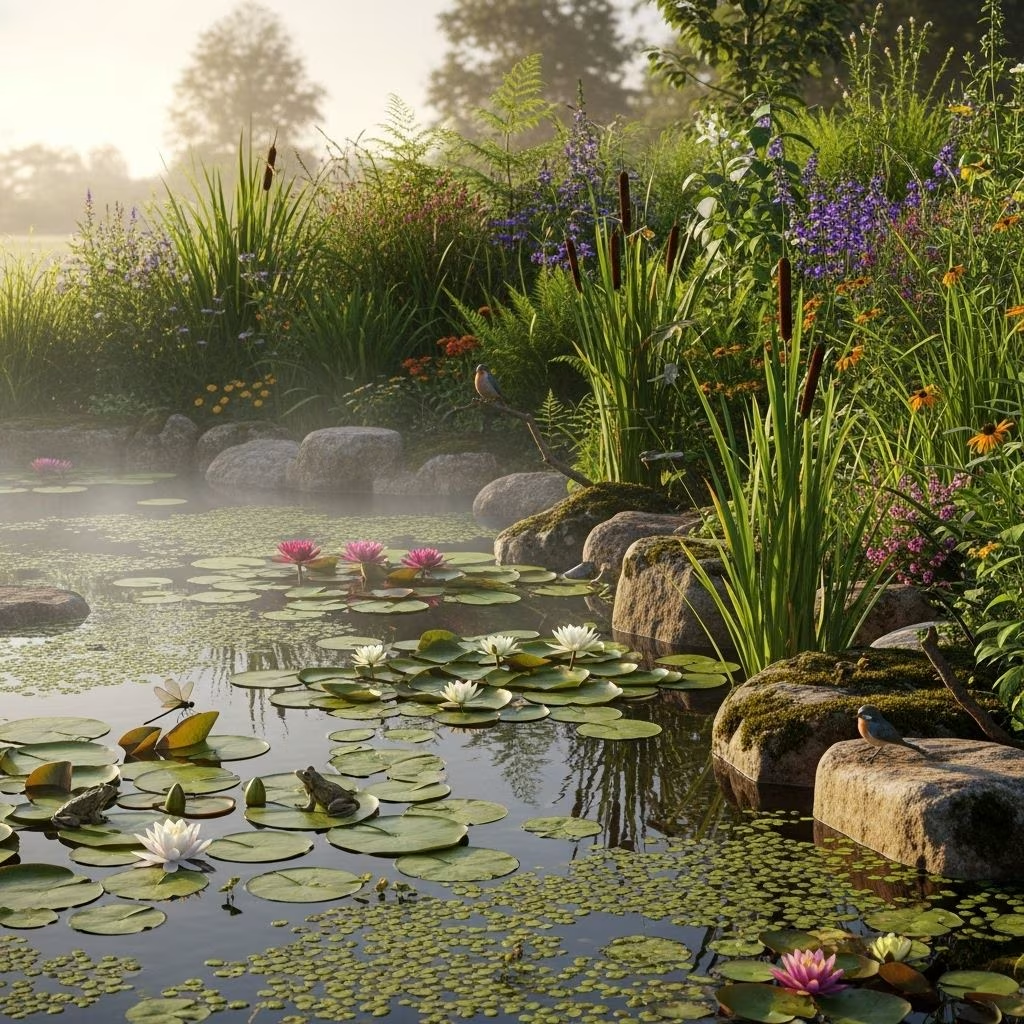
Establishing a wildlife pond is one of the most impactful actions you can take to support biodiversity in your garden. A well-designed pond acts as a magnet for native species, providing habitat and a reliable water source. This guide explores crucial planning aspects — from location and design to planting and ongoing stewardship — to help you create a thriving wetland oasis for wildlife.
Why Build a Wildlife Pond?
Unlike ornamental water features, wildlife ponds prioritize habitat, shelter, and resources for local fauna. Frogs, dragonflies, birds, insects, and mammals all rely on these water sources for drinking, reproduction, and nourishment. A wildlife pond brings ecological value, visual interest, and dynamic natural drama into every season.
- Biodiversity boost: Attracts amphibians, insects, birds, and small mammals.
- Natural pest control: Frogs and dragonflies help regulate insect populations.
- Educational opportunity: Observe life cycles and seasonal changes up close.
Best Placement: Choosing the Right Location
The health and productivity of your wildlife pond begin with careful site selection. Consider these primary factors:
- Sunlight: Ideally, choose a spot with access to both sun and shade. Morning sunlight fosters plant growth and amphibian warmth, while partial shade helps moderate water temperature and prevent algal blooms.
- Avoid runoff: Locate your pond away from areas subject to agricultural or chemical runoff, as these pollutants harm aquatic life and disrupt natural filtration.
- Proximity to habitat: Ponds placed near existing trees, shrubs, and log piles offer immediate shelter, basking sites, and corridors for wildlife movement.
- Visibility and enjoyment: Place your pond where you can observe and appreciate it easily, but avoid heavy foot traffic to keep disturbance minimal.
Shape and Size: Designing for Wildlife
Wildlife ponds function most effectively when their shape and profile meet animal needs:
- Irregular, natural shapes mimic natural wetlands, maximizing edge habitat and microclimates.
- Sloping edges allow animals to enter and exit safely; a range of water depths supports various species, including shallow margins for wading birds and larvae and deeper sections for overwintering amphibians.
- Minimum size: Even small ponds (1–2 meters across) provide significant benefit, but larger areas allow for greater ecological diversity and resilience.
Consider including multiple shelves or terraced edges at various depths, catering to emergent, marginal, and submerged plant growth.
Pond Construction: Materials and Methods
Depending on your budget and the scale of your project, you can build wildlife ponds using:
- Flexible Pond Liners: EPDM or butyl rubber liners are durable and easy to fit to irregular shapes.
- Pre-formed Basins: Rigid plastic basins are quicker to install, with predictable shapes and depths.
- Natural Clay: In some soils, excavating and compacting clay creates a pond without artificial lining.
- Small Containers: Even repurposed tubs, barrels, or stock tanks can be transformed into micro-wetlands for patio spaces.
Construction Tips:
- Mark your pond outline with rope or hose before digging.
- Dig shelves and sloping sides to ensure safe access for animals.
- Protect liners with an underlay fabric to guard against stones and roots.
- Avoid adding pumps and filters; these disrupt natural processes and risk harming eggs and larval stages.
Pond Edges and Surroundings: Creating Shelter and Connectivity
The zone around your pond is just as vital as the water itself. Many amphibians, reptiles, and insect larvae spend months or years in terrestrial habitat, only returning to the water to breed. Shoreline vegetation, wildflower meadows, and log piles extend the utility of your pond.
- Native plant buffers protect water quality and provide food, cover, and shade.
- Wildflower meadows support pollinators and insects.
- Logs, branches, and rocks create basking sites and hiding places, especially for frogs, toads, and newts.
- No turfgrass: Lawns offer little ecological value and create hazards for traversing wildlife.
Establishing natural vegetation helps prevent erosion, filters runoff, and stabilizes pond temperature, while also offering crucial refuge for migratory and resident species.
Pond Planting: Selecting Native Species for Biodiversity
A diverse mix of native aquatic plants supports healthy ecological function and offers vital resources year-round:
- Marginal plants (e.g., marsh marigold, water iris) thrive at pond edges and provide nesting sites for birds and insect larvae.
- Emergent plants (e.g., reeds, rushes) create vertical structure, stabilize banks, and oxygenate water.
- Submerged plants (e.g., pondweed, hornwort) produce oxygen and shelter fish, invertebrates, and amphibian eggs.
- Floating plants (e.g., water lilies, duckweed) give shade, reduce algal growth, and offer landing spots for insects.
Native species are preferable as they are adapted to local conditions, support native fauna, and are less likely to become invasive.
Maintenance: Supporting the Pond’s Natural Balance
Wildlife ponds are dynamic systems best left largely undisturbed. Avoid over-cleaning or chemical treatments, which can harm beneficial microorganisms and destroy habitat. Maintenance should focus on keeping the pond accessible for wildlife and preventing excessive silt buildup.
- Remove debris and dead plant material from the surface only when necessary; leave some structure for invertebrates and amphibians.
- Top up water with rainwater during dry spells; avoid using tap water, which may contain chlorine or excess nutrients.
- Monitor plant growth and thin out dense patches if they begin to crowd open water, maintaining a balance between shade and sunlight.
- Leave leaf litter and fallen branches in and around the pond — these provide essential microhabitats.
Common Wildlife Visitors: What to Expect
A healthy wildlife pond attracts a range of species across seasons. Here’s a table of typical garden pond visitors and how they contribute to the ecosystem:
| Species | Ecological Role | Seasonal Activity |
|---|---|---|
| Frogs & Toads | Control insect populations; indicator of pond health | Spring (breeding), Summer (foraging) |
| Dragonflies & Damselflies | Pollinators; aquatic larvae prey on mosquito larvae | Summer (adults), Year-round (larvae) |
| Birds | Drink and bathe; feed on insects | All seasons |
| Newts | Egg deposition; larval predation on pests | Spring (breeding) |
| Small mammals | Water source; food (insects, plants) | All seasons |
Accessibility & Safety: Making Your Pond Wildlife-Friendly
- Ensure gently sloping entry points for animals to climb in and out.
- Add small stones or shallow shelves for birds and pollinators to drink safely.
- If young children visit your garden, consider a secure fence or low hedge for safety while keeping visual access for observation.
Creating Connectivity: Linking Habitats
Ponds should not exist in isolation. Connecting water features to hedges, woodpiles, or wildflower areas ensures greater success and resilience.
- Install log piles or stone refuges nearby for terrestrial shelter.
- Grow uncut grass and meadow wildflowers up to pond edges.
- Provide corridors to larger habitats (woodland, grassland, hedgerows) for safe animal transit.
Frequently Asked Questions (FAQs)
Q: How large should a wildlife pond be?
A: Any pond can improve biodiversity. Ideally, aim for at least 1–2 meters in diameter, with variable depths and gently sloping sides for safety and habitat versatility.
Q: Should I introduce fish to my wildlife pond?
A: For maximum wildlife value, avoid stocking ponds with fish. Most native amphibians and invertebrates do better without competition or predation from fish.
Q: Is filtration necessary in wildlife ponds?
A: No. Rather than mechanical filters, use native plants to filter nutrients, oxygenate the water, and create healthy balance without disturbing eggs or larvae.
Q: Can I use tap water to fill my pond?
A: If possible, use collected rainwater or pond water from an established wildlife source. Tap water may contain chlorine and excess nutrients.
Q: How can I make my pond safe for children and pets?
A: Consider shallow shelves, gently graded edges, and low barriers such as hedges or fencing to prevent accidents. Avoid deep drop-offs or slippery margins.
Expert Tips for a Successful Wildlife Pond
- Go chemical-free: Avoid fertilizers, pesticides, and herbicides in or around your pond area.
- Choose native plants: They are best adapted for supporting local wildlife and will require less maintenance.
- Add structure: Logs, stones, and leaf litter boost habitat opportunities for a wider range of species.
- Let nature manage: Allow natural cycles and processes, intervene only when necessary, and observe the seasonal changes without excessive management.
Conclusion
Planning a wildlife pond requires attention to site, structure, planting, and most of all, a commitment to supporting the needs of native species. By following the principles in this guide, you can help create a resilient oasis that buzzes, chirps, and flourishes, bringing nature’s rich tapestry right to your door.
References
- https://www.youtube.com/watch?v=P3d7DeNmiko
- https://www.wildlifetrusts.org/actions/how-build-pond
- https://www.humanegardener.com/wildlife-ponds-pristine-ponds-be-gone/
- https://freshwaterhabitats.b-cdn.net/app/uploads/2024/01/UCL_FHT_pond_conservation_guide.pdf
- https://forum.inaturalist.org/t/tips-and-tricks-for-building-a-mini-wildlife-pond/55137