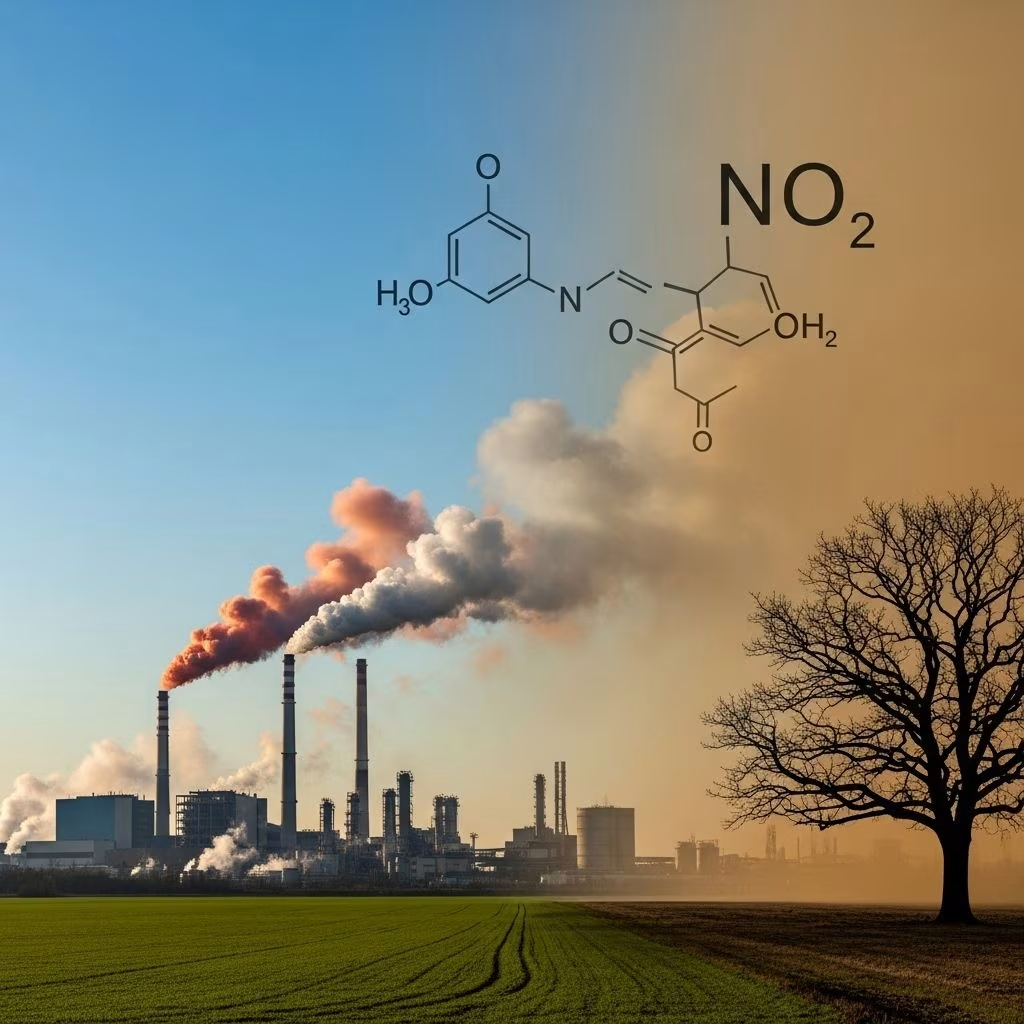
What Are Nitrogen Oxides?
Nitrogen oxides (NOx) are a group of highly reactive gases composed mainly of nitric oxide (NO) and nitrogen dioxide (NO2). They are formed when fossil fuels such as coal, oil, gasoline, diesel, and natural gas are burned at high temperatures, and are emitted from vehicles, industrial processes, power plants, and indoor appliances like gas stoves and heaters.
- Nitric oxide (NO): Colourless, rapidly oxidizes in the atmosphere into NO2.
- Nitrogen dioxide (NO2): Has a pungent odor, acidic, highly corrosive, visible as a reddish-brown haze in polluted air.
- Other nitrogen oxides: Includes nitrous acid and nitric acid, which play distinct roles in atmospheric reactions.
Primary Sources of NOx Pollution
- Motor vehicles: Cars, trucks, buses, and off-road equipment.
- Power plants: Burning of coal, oil, and natural gas.
- Industry: Factories, chemical plants, refineries.
- Indoor sources: Gas stoves, heaters, and wood-burning appliances, especially in poorly ventilated settings.
How Nitrogen Oxides Get Into the Air
During combustion, nitrogen in fuel and air combines with oxygen, primarily at high temperatures, generating NO, which then oxidizes to NO2. Emissions are highest wherever fuel is burned and air pollution controls are weak or lacking.
Indoor NOx pollution becomes significant in homes with unvented combustion appliances.
Health Effects of Nitrogen Oxides
Nitrogen oxides, especially NO2, are widely recognized as hazardous air pollutants. They cause:
- Respiratory symptoms: Increased airway inflammation, coughing, wheezing, difficulty breathing, and reduced lung function.
- Asthma aggravation: Higher rates of asthma attacks and hospital admissions in sensitive groups.
- Chronic lung diseases: Long-term exposure can contribute to chronic respiratory diseases and decrease resistance to infections.
- Pediatric risks: Evidence links NO2 exposure to asthma development in children.
Susceptible populations include children, asthmatics, and the elderly, who may experience more severe effects even at lower concentrations.
Recent reviews suggest associations between elevated NO2 and more subtle outcomes such as heart and kidney damage, adverse birth outcomes, and possibly cancer, though the evidence for non-respiratory conditions is less robust.
Environmental Effects of Nitrogen Oxides
Nitrogen oxides not only harm human health but also have extensive impacts on the natural environment:
- Vegetation damage: NO2 can injure plant foliage, reduce crop yields, and stunt growth, with short-term toxic concentrations affecting some plants at levels as low as 120 μg/m3.
- Formation of acid rain: NOx gases react with water vapor and oxygen to form acids (primarily nitric acid), which fall as acid rain, harming forests, soils, lakes, and aquatic ecosystems.
- Smog and ozone production: NOx reacts with volatile organic compounds (VOCs) and sunlight to form ground-level ozone and photochemical smog—the yellow-brown haze seen in polluted urban air.
- Particulate matter (PM2.5) creation: Through reactions in the atmosphere, NOx contribute to secondary fine particulate matter formation, a major health hazard in urban areas.
- Discoloration and material damage: Acid deposition and ozone can fade or corrode buildings, monuments, and fabrics, affecting visibility and damaging infrastructure.
- Nutrient pollution: When deposited on land or water, nitrogen compounds from NOx can over-fertilize ecosystems, leading to nutrient pollution in rivers, lakes, and coastal seas, causing algal blooms and oxygen depletion.
Smog and Visibility Impacts
NOx and their products cause haze and reduce visibility, affecting natural landscapes and national parks. Urban smog’s characteristic color is largely due to NO2.
Global Prevalence of NOx Pollution
NOx pollution is a major concern worldwide, especially in cities with dense traffic, heavy industry, or coal-fired power generation. In some regions, ozone, produced from NOx, routinely exceeds regulatory standards and jeopardizes public health.
Ground-level ozone from NOx pollution is worst in suburbs and rural areas downwind of cities, while central urban NO emissions sometimes reduce ozone locally by chemical conversion.
Regulation and Air Quality Standards
NO2 is one of six major air pollutants regulated by national air quality standards in many developed countries. These standards set maximum allowable concentrations in outdoor air to protect public health and the environment.
- Ambient NO2 limits: Often include specific thresholds for hourly and annual average concentrations.
- Indoor air quality guidelines: Recommendations for safe appliance operation and proper ventilation.
Despite regulations, many communities near highways and industrial zones still exceed safe limits, putting vulnerable populations at risk.
Mitigation: How Is NOx Pollution Being Reduced?
Nations and cities employ various strategies and technologies to curb NOx emissions:
- Cleaner fuels: Switching from coal and diesel to natural gas or renewables reduces NOx emissions.
- Emission controls on vehicles: Catalytic converters, diesel particulate filters, and other technologies lower tailpipe NOx.
- Regulation of power plants: Scrubbing devices and changes in combustion technology help reduce NOx output from large facilities.
- Appliance standards: Improved indoor appliance standards and proper ventilation decrease indoor exposure.
- Traffic reduction: Policies encouraging mass transit, pedestrian infrastructure, cycling, and electric vehicles help cut emissions.
International agreements and national laws, such as the Clean Air Act, put pressure on major polluters to adopt best practices and reduce public health risks.
The Chemistry of Nitrogen Oxides in the Atmosphere
NO and NO2 are continually cycled and transformed in the atmosphere. The key reactions include:
- Oxidation: NO + O3 → NO2 + O2
- Reaction with water vapor: NO2 + H2O → HNO3 (nitric acid)
- Formation of nitrates: Leads to fine particulate matter (PM2.5).
- Reaction with VOCs and sunlight: Forms ground-level ozone and photochemical smog, especially in summer.
These reactions explain why NOx controls can also reduce ozone and particulate pollution.
Indoor Nitrogen Oxide Pollution
Indoor environments can be significant sources of NOx, especially where gas appliances are unvented or poorly maintained. Gas stoves, wood heaters, and kerosene heaters emit NO2 and contribute to household air pollution.
Symptoms of exposure may include headaches, eye irritation, and breathing difficulty. Good ventilation and appliance maintenance are key preventive steps.
Impact on Children and Sensitive Populations
Children are particularly prone to the effects of NOx due to smaller airways, developing lungs, and higher activity levels. Chronic exposure can lead to asthma, reduced lung development, and higher rates of respiratory infections.
- Older adults: Often experience aggravated chronic conditions.
- People with existing respiratory illness: Asthma and COPD patients have increased risk of acute attacks and hospital visits.
Environmental Fate: From Air to Water and Soil
Once in the atmosphere, NOx can be transported far from their source, eventually depositing onto soil and water bodies as acidifying compounds or nutrients.
- Acidification of lakes and streams: Nitric acid formation leads to decreased pH, harming fish and aquatic life.
- Soil degradation: Excess nitrate can disrupt soil chemistry and nutrient balance.
- Eutrophication: Overfertilization from nitrogen deposition sparks algal blooms in waterways, causing hypoxia and loss of biodiversity.
Future Pathways: The Road Ahead
Technological advancement and stronger policy enforcement are needed to address residual NOx pollution, especially as urban populations and vehicle ownership grow globally. Promising approaches include:
- Zero-emission vehicles: Electrification revolution in transport.
- Renewable energy shift: Wind, solar, and hydro reducing reliance on combustion.
- Urban planning: Green spaces, public transit, and pedestrian-friendly design cut emissions and exposure.
- Public awareness: Education around indoor sources, appliance safety, and ventilation improves health outcomes.
Frequently Asked Questions (FAQs)
What is the difference between NO and NO2?
NO is nitric oxide, a colourless gas that quickly oxidizes in the atmosphere, while NO2 is nitrogen dioxide, an odorous reddish-brown gas known for its toxic effects.
Why are nitrogen oxides so harmful?
Because they damage respiratory health, contribute to the formation of ozone and particulates, stunt plant growth, and cause acidification of soils and water bodies.
Where am I most likely to be exposed to high NOx levels?
Near busy roads, industrial zones, power plants, and in homes with unvented gas stoves or heaters.
How can I reduce my own exposure to NOx?
- Limit outdoor activity near heavy traffic or on high-smog days.
- Ensure proper ventilation and maintenance for indoor combustion appliances.
- Advocate for clean transportation and energy in your community.
Does NOx pollution affect animals and plants?
Yes. Aquatic and terrestrial animals experience respiratory and physiological stress, while plants exhibit reduced growth and increased susceptibility to disease at elevated NOx concentrations.
Summary Table: Key Impacts of Nitrogen Oxide Pollution
| Category | Main Effect |
|---|---|
| Health | Respiratory symptoms, asthma, increased infections, possible cardiovascular and developmental harm |
| Environment | Acid rain, smog, ozone production, visibility reduction, nutrient pollution, crop damage |
| Indoor Air | Increased risks from gas stoves, heaters, especially in poorly ventilated homes |
| Regulation | Air quality standards, emission controls, clean energy transition |
Takeaway
Nitrogen oxide pollution is a pervasive challenge tied to fuel-burning processes worldwide. It puts human health and ecosystems at risk, but ongoing commitment to cleaner technologies and smart regulatory policies is charting a path toward better air for all.
References
- https://www.lung.org/clean-air/outdoors/what-makes-air-unhealthy/nitrogen-dioxide
- https://www.qld.gov.au/environment/management/monitoring/air/air-pollution/pollutants/nitrogen-oxides
- https://www.canada.ca/en/environment-climate-change/services/air-pollution/pollutants/common-contaminants/nitrogen-oxides.html
- https://www.epa.gov/no2-pollution/basic-information-about-no2
- https://en.wikipedia.org/wiki/NOx
- https://ww2.arb.ca.gov/resources/nitrogen-dioxide-and-health
- https://ecology.wa.gov/air-climate/air-quality/air-quality-targets/air-quality-standards/nitrogen-dioxide
- https://environment.govt.nz/facts-and-science/air/air-pollutants/nitrogen-dioxide-effects-health/