


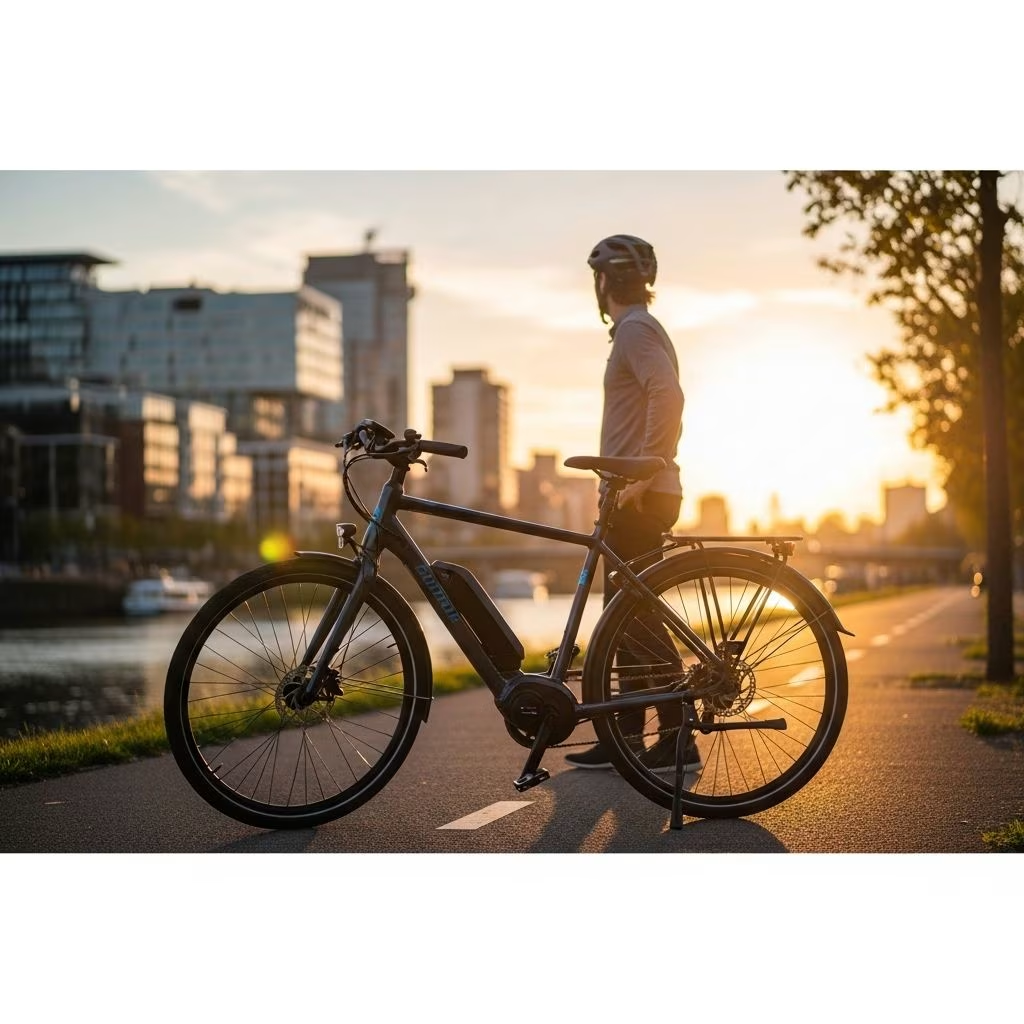
Over the past two years, the presence of electric bikes—popularly known as e-bikes—has soared. For many, an e-bike is more than just another gadget; it’s a genuine shift in how we navigate our cities, complete everyday errands, and even reconceptualize what travel means. Drawing on two years of continuous riding and observation, this article explores the lessons learned, environmental impacts, lifestyle transformations, challenges, and essential advice for those considering taking the electric plunge.
What It’s Like to Live with an E-Bike: The Everyday Experience
Getting an e-bike isn’t just about buying a new piece of tech—it’s an invitation to rethink your relationship with the city and your own movement. For the author, that meant trading in the car keys more often for a battery-powered alternative, and discovering a different rhythm to daily life.
- Commute Transformation: Daily trips that felt like chores in a car—grocery runs, post office errands, spontaneous coffee stops—were recast as pleasant jaunts. Hills that once inspired dread became opportunities instead of obstacles.
- Healthier Lifestyle: Despite the electric assist, e-biking still demands moderate physical effort, which encourages daily exercise without the sweat-soaked limitation of traditional cycling.
- Rediscovering Local Life: The increased connection to one’s community—seeing familiar faces, stopping on a whim—led to a greater sense of place and presence in the neighborhood.
Throughout, one constant remains: an e-bike consistently delivered moments of unexpected joy—something car commutes rarely do.
The Practical Matters: Charging, Maintenance, and Reliability
The practicalities of owning an e-bike can initially be daunting, but with time, they blend seamlessly into daily routines:
- Battery Charging: Most e-bikes need to be plugged in after every few trips, but charging is simple—a matter of connecting a removable battery at home or at the office, typically overnight.
- Range Anxiety: Early worries about running out of power fade as riders learn their bike’s real-world range. For most urban commutes and errands, the battery capacity is more than sufficient, especially with selective use of pedal assist.
- Basic Maintenance: E-bikes require slightly more attention than a traditional cycle. Keeping tires inflated, battery terminals clean, and drive components lubricated goes a long way toward reliability. Flat tires remain the most common issue, but they’re no more frequent than on any other bicycle.
- Long-Term Durability: After two years, the only notable wear was to consumable items—brake pads, tires, and chains—while the battery and motor exhibited resilience, with some reduction in range but no critical failures.
As the months roll on, the e-bike proves not just reliable, but robust enough to stand up to all-season urban riding—rain, snow, or shine.
Financial and Environmental Impact: The True Cost (and Benefit)
There’s a common belief that e-bikes are an expensive investment, but two years of ownership paint a more nuanced picture.
| Mode of Transportation | Average Upfront Cost | Ongoing Maintenance | Fuel/Energy Cost | Environmental Footprint |
|---|---|---|---|---|
| E-Bike | $1,000–$3,000+ | Low (mainly tires, brake pads, lubrication) | Pennies per charge | Minimal emissions, especially vs. cars |
| Car | $20,000+ | High (repairs, insurance, fuel, parking) | $1,000–$2,000/year (fuel only) | High emissions (production & operation) |
| Public Transit | Low-Medium | None for individuals | $500–$1,200/year (passes) | Moderate emissions |
- True Cost: Upfront, an e-bike isn’t cheap, but its cost is a fraction of a car’s, especially once gas, insurance, and parking are considered. Maintenance costs are minimal compared to the complexities of auto repair.
- Fuel Savings: With charging costs measured in cents, every trip made on an e-bike saves money compared to driving.
- Environmental Impact: Using an e-bike in place of a car slashes emissions. Battery production does have an environmental cost, but it’s outweighed by reductions in gasoline usage and the lower carbon footprint compared to even the greenest electric cars.
Common E-Bike Concerns (and Surprises)
Every e-bike owner faces a set of recurring questions and anxieties from curious friends and strangers alike. Here’s what two years on the saddle reveals about the top concerns:
- Is It \”Cheating\”? E-bikes do use electric assist, but studies show riders cover further distances—often burning nearly as many calories as regular cyclists, making e-bikes a gateway to more frequent, longer rides.
- Are They Good for the Environment? It all comes down to what the e-bike is replacing. If it’s displacing car trips, the benefits are substantial. If it replaces ordinary cycling, the advantage is smaller, but e-bikes overwhelmingly capture users who otherwise drive.
- Theft Risk: E-bikes are tempting targets. A hefty lock, secure parking, and removable batteries—especially those that easily fit in a bag—are crucial for peace of mind. Conversion kits for older bikes can sometimes help, as old-looking bikes may attract less attention.
- Weather and Range: Wet, cold, or snowy seasons don’t necessarily halt e-bike use with adequate preparation. Range anxiety is rare after adjusting to real-world riding habits and battery care.
Upgrades, Accessories, and the Growing E-Bike Ecosystem
One of the biggest transformations has taken place in the realm of e-bike accessories and upgrades:
- Battery Design Improvements: Newer batteries are more compact, snap easily into place, and avoid unnecessary complexity—improving usability, safety, and real-world practicality.
- Conversion Kits: For those with a trusty old bike, upgrading with a conversion kit allows the best of both worlds and can significantly reduce both costs and carbon footprint.
- Safety Improvements: Integrated lights, better brakes, more durable frames, and theft-deterrent features have become common, making e-bikes safer and more convenient than early models.
- Customization: From cargo racks to child seats, baskets to weather protection, the accessory market is booming, enabling riders to tailor bikes exactly to their lifestyle and cargo needs.
The Social and Cultural Impact of E-Bikes
Two years of riding reveals a larger story: e-bikes are changing urban life itself.
- Reducing Reliance on Cars: Each trip shifted from car to e-bike lessens traffic congestion, air pollution, and urban noise. E-bikes make possible what public transit and walking can’t always achieve: fast, flexible transport at a personal scale.
- Opening Cycling to All: The electric assist bridges age, fitness, and geographic divides, enabling a broader population to experience cycling joy and utility.
- Reshaping Infrastructure: Increasing e-bike use compels cities to rethink bike lanes, parking, security, and charging points, making urban design more people-centric.
- Changing Social Interactions: E-bikes spark conversation among passersby, encourage spontaneous meetings, and foster new communities among owners sharing tips and advice.
Challenges and Limitations
No commute revolution is without its hurdles—and two years with an e-bike offer perspective on these evolving challenges:
- Initial Expense: High-quality e-bikes still demand substantial upfront investment, though conversion kits and lowering production costs provide alternatives.
- Weight and Handling: E-bikes are heavier than traditional bikes, making them less convenient for walk-up apartments, public transit, or carrying up stairs.
- Battery Longevity: Batteries inevitably degrade, and replacements can be expensive—around $300–$800 depending on brand and model.
- Regulations and Restrictions: Speed limits, permitted usage areas, and age requirements vary; riders must stay up-to-date with evolving city rules and state or national legislation.
- Theft and Security: As noted earlier, security is a major concern. Removing batteries, parking in visible areas, and using robust locks is essential.
Tips for New E-Bike Owners
If you’re considering making the leap to electric cycling, these practical recommendations will help maximize the benefits and minimize headaches:
- Test Ride Multiple Models: Each brand and design offers a different feel, ride position, and assist level. Try before you buy—or at least read real-world reviews.
- Prioritize Security: Invest in heavy-duty locks and be strategic about parking. Consider insurance for added peace of mind.
- Understand Your Battery: Learn optimal charging habits and real-life range for your needs. Bring your charger to the office if needed.
- Plan for Maintenance: Find a bike shop experienced with e-bikes and get comfortable with minor repairs—especially tire changes.
- Gear Up for Weather: Fenders, waterproof covers, and proper attire extend the riding season and shield you from the elements.
Frequently Asked Questions (FAQs)
Q: Do e-bikes require a license or insurance?
A: Most e-bikes do not require a license or special insurance in many regions, but local laws may vary. Check city and state regulations before riding.
Q: How far can an e-bike go on a single charge?
A: Typical urban e-bikes deliver 20–50 miles (32–80 km) per charge, depending on rider weight, assist level, terrain, and weather.
Q: What if the battery dies while riding?
A: An e-bike can always be pedaled like a normal bicycle, just with added weight. Plan longer trips with battery range in mind.
Q: Are e-bikes safe to ride in the rain or snow?
A: Most e-bikes are weather-resistant and can be safely used in rain with appropriate tires and fenders. Snow riding requires extra care, lower speeds, and suitable tires.
Q: Is an e-bike really worth it for daily commuting?
A: For many, e-bikes are a game changer, saving time, reducing commute stress, and offering a healthier, more sustainable way to navigate the city.
Final Thoughts: The Transformative Power of Two Years With an E-Bike
After two years, the e-bike has proved more than a mode of transport—it’s a catalyst for change: in attitude, lifestyle, and city living. What began as an experiment has become a habit, and, for many, a new model for how we move through the world: cleaner, quieter, healthier, and connected. If you’re still on the fence, know this—electric cycling is not just a fad. It’s an evolutionary step for everyday transportation.
References
- https://lloydalter.substack.com/p/e-bikes-are-everywhere-and-the-cbc
- https://www.caranddriver.com/car-accessories/g65252890/best-cargo-electric-bikes-tested/
- https://www.sixthreezero.com/blogs/bike-advice/parents-should-you-let-your-child-get-an-ebike-electric-bike-debate
- https://electricbikereview.com/best-electric-bikes/
- https://www.bikehugger.com/posts/category/blog/


