Iconic Animals Making a Comeback: How Conservation Efforts Lead to Recovery
For decades, many of the world’s most iconic animal species have been pushed to the brink of extinction by human activities including habitat loss, poaching, pollution, and climate change. However, collaborative global conservation initiatives have reversed the fate of several such species. This article explores notable success stories of animal recovery, examining the threats these species faced, the strategies employed to rescue them, and the lessons drawn from their astonishing turnarounds.
Main Causes of Decline Among Iconic Species
- Habitat Loss: Deforestation, land conversion, and urbanization disrupting ecosystems.
- Poaching & Overhunting: Illegal wildlife trade and unsustainable hunting practices.
- Pollution: Pesticides like DDT, heavy metals, and lead poisoning.
- Climate Change: Alteration of habitats and food resources.
- Invasive Species & Disease: Disrupting native wildlife populations.
Giant Panda (Ailuropoda melanoleuca)
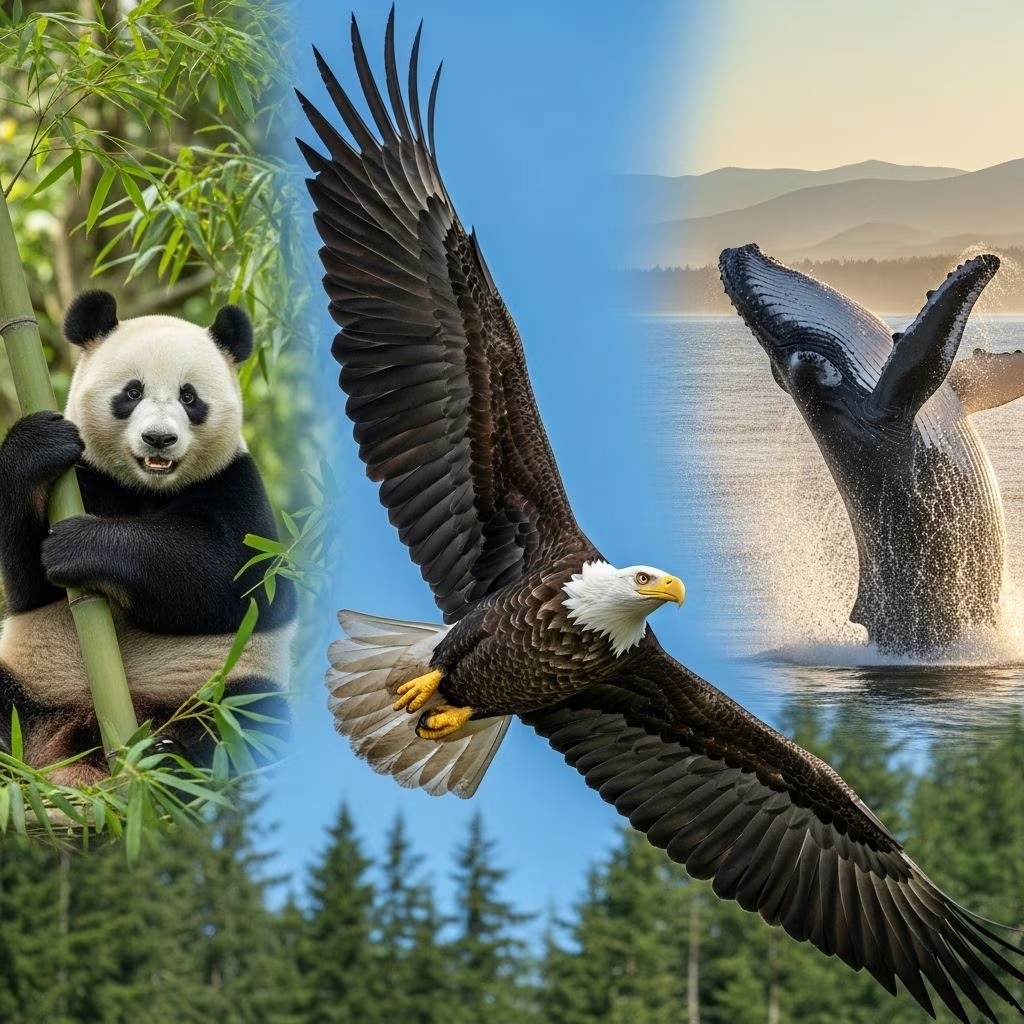
The giant panda, with its charismatic black-and-white markings, stands as an international symbol of wildlife conservation. Native to China’s mountainous bamboo forests, giant pandas experienced a catastrophic decline due to habitat fragmentation and low reproductive rates.
Until the late 20th century, fewer than 1,000 pandas were believed to survive in the wild, leading to urgent action from Chinese authorities and conservation organizations. Efforts centered on habitat preservation, captive breeding, and anti-poaching measures.
- Habitat Protection: Establishment of designated nature reserves and corridors to link fragmented habitats.
- Captive Breeding: Initiatives at research centers improved panda reproduction and successful reintroductions.
- Public Awareness: The panda became an emblem, driving global support for conservation.
These programs doubled the wild panda population from the 1970s to over 2,000 individuals today, prompting the IUCN to reclassify the panda from “endangered” to “vulnerable.” The giant panda story highlights the importance of combining science, policy, and community engagement for animal recovery.
Key Fact: The panda’s recovery also safeguarded extensive forest habitat, benefitting a host of other threatened species.
Bald Eagle (Haliaeetus leucocephalus)
As the national bird and emblem of the United States, the bald eagle faced dire threats in the 20th century. Widespread use of the pesticide DDT led to eggshell thinning, causing nesting failures. Habitat destruction and hunting further reduced numbers; by 1963, fewer than 500 pairs remained in the contiguous U.S.
- DDT Ban: The U.S. EPA banned DDT in 1972, which was a turning point in eagle recovery.
- Endangered Species Act: Legal protections made it illegal to hunt eagles and helped preserve nesting areas.
- Reintroduction and Nesting Support: Relocation programs, artificial nests, and monitoring led to rebounding populations.
The bald eagle population surged, with recent estimates placing over 71,000 pairs nationwide. As bald eagles flourished, they bolstered ecosystem health as apex predators and sentinels of environmental quality.
Key Fact: Bald eagle recovery is cited as one of the best examples of conservation legislation in action.
Gray Wolf (Canis lupus)
Once roaming vast areas of North America, Eurasia, and the Middle East, gray wolves suffered persecution and habitat loss, driving them to near extinction in many regions. Eradication programs, negative public perception, and competition with livestock interests shrank their ranges to isolated pockets.
- Legal Status: Reintroduction of federal protections and shifts in public attitude reduced hunting and culling.
- Reintroduction Projects: Wolves were reintroduced into Yellowstone National Park (1995), resulting in ecosystem restoration through controlled prey populations and improved biodiversity.
- Population Monitoring: Intensive tracking and management stabilized numbers and restored ecological balance.
Wolf numbers rebounded, with an estimated 200,000 to 250,000 globally in stable populations. Their reintroduction underscored the ecological importance of apex predators in maintaining healthy landscapes.
California Condor (Gymnogyps californianus)
The California condor, North America’s largest land bird (wingspans over 10 feet), faced extinction from hunting, lead poisoning (consumption of lead bullets left behind in carcasses), and habitat encroachment. By the 1980s, only 27 individuals survived, triggering emergency action.
- Captive Breeding: Biologists captured remaining birds to breed in controlled environments, ensuring genetic diversity.
- Lead Reduction Initiatives: Advocacy for lead-free ammunition reduced poisoning rates.
- Reintroduction: Condors were gradually released back into California, Arizona, and Baja California.
By December 2022, numbers exceeded 500, with increasing wild populations. The California condor story highlights the importance of science-driven species management and the complexity of large animal recovery.
Golden Lion Tamarin (Leontopithecus rosalia)
Natives of Brazil’s Atlantic Forest, golden lion tamarins declined dramatically in the 1970s from habitat fragmentation and logging, leaving fewer than 200 in the wild. As their striking appearance made them icons in Brazil, global partnerships formed for their rescue.
- Zoos & Breeding: Over 150 zoos worldwide participated in breeding programs, raising tamarins in captivity.
- Reintroduction: Released tamarins into protected forest reserves to build wild populations.
- Forest Restoration: NGOs and government agencies restored corridors to link isolated populations.
Wild populations swelled to approximately 2,500, although ongoing threats from urban sprawl and development could pose future risks. The golden lion tamarin is celebrated on Brazilian currency, highlighting public attachment.
Arabian Oryx (Oryx leucoryx)
The Arabian oryx, a desert antelope, nearly went extinct in the wild in the 1970s because of overhunting. Only a handful, kept in captivity, stood as a lifeline for the species. Partnerships developed between American and Middle Eastern zoos, launching ambitious breeding and reintroduction projects.
- International Collaboration: Conservationists coordinated captive breeding across continents.
- Release Programs: Oryxes were carefully reintroduced into restored desert habitats.
The wild population today exceeds 1,000 individuals, with captive numbers reaching 7,000. Their comeback is a testament to international conservation cooperation.
Black-Footed Ferret (Mustela nigripes)
The black-footed ferret, North America’s only native ferret, was thought extinct after a precipitous decline from habitat loss, disease, and dwindling prairie dog prey. In 1979, a surprising discovery by a Wyoming pet owner revealed a living colony, prompting targeted conservation efforts.
- Captive Breeding: Wild ferrets were inducted into breeding programs, managing genetic diversity and health.
- Habitat Restoration: Reintroduction focused on restoring prairie dog colonies, an essential food source.
The population now exceeds 1,000, a huge leap from the verge of extinction.
Additional Success Stories: A Snapshot
| Species | Primary Threats | Conservation Actions | Current Status |
|---|---|---|---|
| Brown Pelican | DDT, habitat loss | DDT ban, breeding support | Recovered, delisted |
| Peregrine Falcon | DDT, illegal hunting | DDT ban, hacking programs | Recovered, widespread |
| American Alligator | Overhunting, habitat loss | Habitat preservation, hunting ban | Recovered, stable |
| Sea Otter | Fur trade, pollution | Legal protection, monitoring | Increasing, monitored |
Strategies in Conservation Success
- Creating protected areas and nature reserves
- Captive breeding combined with reintroduction into the wild
- International collaboration between governments, nonprofits, and local communities
- Education and engagement to shift public attitudes
- Legislative protection, such as the Endangered Species Act
- Addressing direct threats, such as banning harmful chemicals and restricting hunting
Challenges Facing Ongoing Recovery
- Climate change and shifting habitats limit recovery possibilities
- Continued human development pressures on land and resources
- Genetic bottlenecks in species resurrected from very small populations
- Dependence on constant funding, monitoring, and structural support
- Need for landscape-scale conservation planning
Lessons Learned and Future Outlook
These remarkable stories demonstrate that endangered species recovery is achievable—even for animals once considered “lost causes.” Conservation requires a commitment to science-based management, sustained funding, and public participation. While victory is celebrated for some, vigilance remains essential: challenges like climate change, disease, and ongoing habitat loss threaten hard-won progress.
- Species recovery is ongoing—not static. Constant monitoring and adaptive management are key.
- Humans play a crucial role both as stewards and disruptors. Global collaboration and education are central to success.
- Protecting habitat can be as important as species-focused actions, benefitting entire ecosystems.
Frequently Asked Questions (FAQs)
Q: What is the most important factor in species recovery?
A: The most significant factor is comprehensive habitat protection, combined with legal enforcement and public engagement.
Q: Why is captive breeding often used in animal rescue?
A: Captive breeding ensures species survival when wild populations are dangerously low, allowing for genetic management and future reintroduction.
Q: Are all recovered species safe from future threats?
A: No; recovered species may face new challenges like climate change, genetic bottlenecks, and renewed habitat loss. Ongoing monitoring and management are crucial.
Q: How can individuals help support endangered animals?
A: Support conservation organizations, advocate for sustainable policies, minimize ecological footprints, and help raise awareness in your local community.
Q: Which animal has made the greatest recovery in recent decades?
A: The bald eagle is often cited as the most dramatic example, with population numbers soaring from the brink of extinction to stability nationwide.
Conclusions: Hope for Iconic Wildlife
The resurgence of these iconic animal species reflects what is possible when science, policy, and compassion unite. These success stories sustain hope that other endangered creatures can similarly be restored—if global society remains resolutely committed to their protection.
References
- https://www.green.earth/blog/from-the-brink-of-extinction-four-endangered-species-that-made-a-comeback
- https://www.mentalfloss.com/article/519659/25-species-have-made-amazing-comebacks
- https://www.nwf.org/Educational-Resources/Wildlife-Guide/Understanding-Conservation/endangered-species-success-stories
- https://www.nature.org/en-us/about-us/where-we-work/united-states/endangered-species-success-stories/
- https://www.nhm.ac.uk/discover/ten-animals-we-have-saved-from-extinction.html
- https://www.businessinsider.com/animals-saved-endangered-species-act-passed-eagle-grizzly-wolf-alligator-2023-11