Why You Don’t Need Fast Fashion in Your Life
Fast fashion has transformed the way people shop for clothing, offering a constant supply of new styles at low prices. But the promise of trendy, accessible attire hides significant costs to our wallets, wellbeing, and the planet. Contrary to the relentless advertising and peer pressure, you do not need fast fashion to be happy or look good. In fact, a life without fast fashion can be more joyful, stylish, and sustainable.
What Is Fast Fashion and Why Is It So Tempting?
Fast fashion refers to the rapid mass-production of inexpensive clothing items designed to keep up with the latest styles seen on the runway or in popular culture. New collections arrive in-store and online every week, inviting consumers to buy more, more often.
- Low Prices: Fast fashion garments are typically very cheap, making it seem easy and affordable to regularly update your wardrobe.
- Instant Gratification: The promise of immediate trendiness appeals to our love of novelty and self-expression.
- Marketing Pressure: Social media, influencers, and advertising encourage us to keep buying the latest styles to avoid missing out.
But this cycle of buy more, wear less, discard quickly is neither sustainable nor necessary for a happy, well-dressed life.
The Fast Fashion Trap: The Reality Behind the Bargains
While fast fashion may seem like a harmless source of fun and affordable shopping, there are serious consequences:
- Environmental Impact: The fashion industry is responsible for up to 10% of global carbon emissions, contributing more to climate change than international flights and shipping combined.
- Textile Waste: The average person throws away over 37 kilograms (81 pounds) of textiles every year, much of which comes from cheaply made, short-lived garments.
- Poor Quality: Fast fashion items are designed for disposability, often falling apart after a handful of wears and washes.
- Human Rights Abuses: Many fast fashion brands rely on factories with unsafe conditions, long hours, and poverty wages for their workers.
- Microplastics Pollution: Cheap, synthetic fabrics shed microplastics every time they are washed, contributing to the contamination of our oceans and food chains.
The Slow Fashion Alternative: More Joy, Less Waste
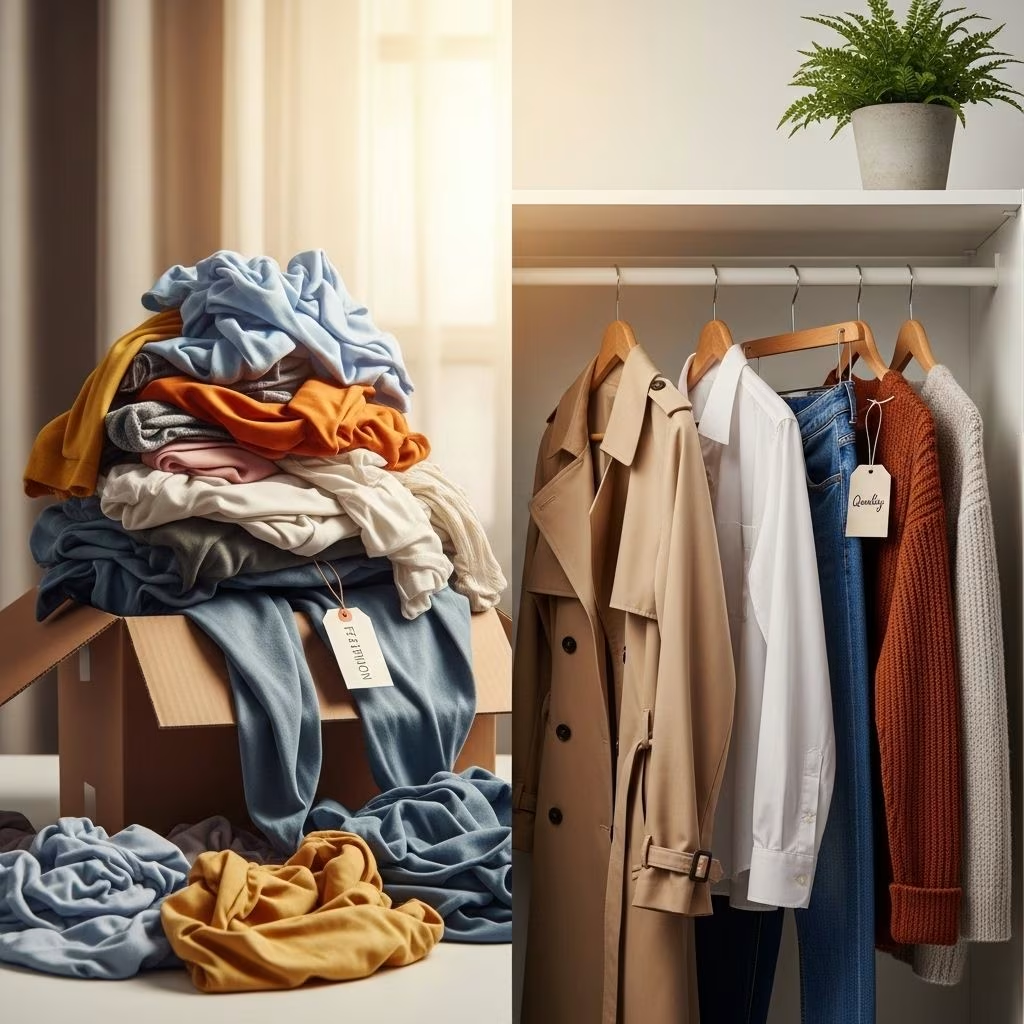
Unlike fast fashion, slow fashion is about thoughtful consumption. It encourages choosing fewer, higher-quality garments that reflect your true style and values. Here’s why slowing down is not only better for the planet but transformative for your own life:
Key Benefits of Slow Fashion
- Durability and Quality: Investing in well-made clothes ensures a longer lifespan, reducing the need to constantly replace your favorites.
- Personal Expression: A thoughtfully curated wardrobe expresses your taste more authentically than chasing fleeting trends.
- Savings Over Time: High-quality garments may cost more initially, but their longevity means a lower cost per wear and less money spent in the long run.
- Reduced Environmental Impact: Slow fashion brands often use eco-friendly materials and processes, conserving water and minimizing pollution.
- Ethical Production: Companies committed to slow fashion typically prioritize fair wages, safe working conditions, and transparency.
- Improved Wellbeing: Letting go of shopping pressure leads to a calmer, more intentional relationship with clothing and self-image.
The Illusion of Scarcity and Need in Fashion
Fast fashion thrives on the belief that you always need new clothes to keep up, be relevant, or attractive. But consider this:
- Most people wear 20% of their wardrobe 80% of the time. The rest often languishes unused, forgotten, or thrown away after a handful of wears.
- Billions of clothing items are produced each year—far more than what’s necessary or even possible to sell and use sustainably.
Breaking free from this trap allows you to reconnect with your own style and needs rather than being dictated by shifting trends.
How to Break Free from Fast Fashion
Moving away from fast fashion is easier than you might think and can be personally rewarding. Here’s how to start:
- Assess Your Closet: Take inventory of what you already own. Identify favorite pieces and items you rarely wear. Ask yourself why certain clothes make you feel good and why others don’t.
- Define Your Style: Focus on clothes, colors, and silhouettes that suit your personality and lifestyle. Build a signature look with items you truly love.
- Shop Intentionally: Buy only when you really need something. Favor quality over quantity and support sustainable, ethical brands when possible.
- Cherish Your Clothes: Take care of your garments—wash less, repair when possible, and store properly to make them last longer.
- Engage in Clothing Swaps: Exchange items with friends or local groups to refresh your wardrobe without buying new.
- Donate Thoughtfully: If you must part with clothing, ensure it’s clean and in good condition for donation. Avoid dumping unusable items, as most are sent to landfill or incinerated.
Debunking Fast Fashion Myths
| Myth | Reality |
|---|---|
| “I need to buy new clothes constantly to look stylish.” | Personal style is about authenticity and curation, not constant change. Well-chosen staples and accessories can provide endless creative options. |
| “Cheap clothes save me money.” | Low-quality, disposable clothes wear out quickly. Over time, investing in fewer, better items saves money. |
| “Fast fashion is the only way to access trends.” | You can adopt inspiration from trends, but you don’t need to buy into every one. Secondhand and vintage stores offer unique, on-trend finds with a lower environmental cost. |
| “Sustainable fashion is too expensive.” | Sustainable brands may cost more at first, but they often last much longer. Also, buying fewer items balances out the overall budget. |
Building a Joyful, Mindful Wardrobe: Tips for Every Budget
Curating a wardrobe that feels good and looks good doesn’t require a big budget or perfect circumstances. Here’s how to make it work wherever you are:
- Thrift and Vintage: Shop secondhand for unique, affordable pieces with less environmental impact.
- DIY and Repair: Learn basic mending or restyling skills. A hole or loose seam doesn’t have to mean the end of a favorite item.
- Capsule Wardrobe: Build a versatile collection of essentials—that mix and match—rather than lots of single-use pieces.
- Mindful Shopping: Pause before purchases. Ask yourself if the item fits your life, matches your style, and will last.
- Support Ethical Brands: When buying new, choose brands committed to fair labor and sustainable materials.
The Big Picture: Fast Fashion, Sustainability, and Social Justice
The impact of fast fashion goes beyond pollution and waste. It’s a system that thrives on overconsumption and undervalues people and resources. By stepping away from this cycle, you support:
- Environmental Protection: Fewer toxic chemicals, less waste, and reduced emissions.
- Worker Dignity: Ethical brands prioritize fair wages and safe working conditions, supporting livelihoods rather than exploitation.
- Consumer Empowerment: Making mindful choices sends a clear message to brands and policymakers to prioritize sustainability and fairness.
Frequently Asked Questions (FAQs)
Q: Isn’t fast fashion the only affordable option for people on tight budgets?
A: While fast fashion appears cheap upfront, repeated purchases add up over time. Thrifting, swapping, and buying fewer, higher-quality pieces offer greater value at any budget.
Q: How does slow fashion help the environment compared to fast fashion?
A: Slow fashion uses fewer natural resources, minimizes waste, and often employs natural fabrics that don’t release microplastics—dramatically reducing its environmental footprint.
Q: Will I look out-of-date if I stop buying fast fashion?
A: Not at all—personal style transcends trends. Classic, well-made pieces and creative accessorizing keep your look fresh and unique, regardless of what’s new in stores.
Q: Isn’t sustainable fashion always expensive?
A: Some ethical brands are pricier due to fair wages and quality materials, but buying less and prioritizing quality often makes it affordable over time. Secondhand and upcycled options also make sustainable fashion accessible for everyone.
Q: What’s the simplest way to start moving away from fast fashion?
A: Start by reviewing your wardrobe, shopping less, choosing quality pieces, and exploring secondhand finds. Small, intentional changes add up to big impact.
Final Thoughts: You Already Have Enough
Fast fashion’s greatest illusion is that fulfillment comes from more — more clothes, more trends, more shopping. But real contentment, style, and sustainability begin when you choose less but better. By embracing a mindful wardrobe, you save money, honor people and the planet, and rediscover the pleasure of dressing as an act of expression rather than consumption.
You do not need fast fashion to live a happy, stylish, and impactful life. The clothes you need and love are likely already in your closet, waiting for a second look and a new appreciation.
References
- https://nori.co/a/blog/disadvantages-of-slow-fashion
- https://www.miik.ca/blogs/news/7-benefits-of-ethical-fashion-why-sustainable-fashion-matters
- https://sanvt.com/blogs/journal/advantages-of-slow-fashion
- https://www.limcollege.edu/blog/can-sustainable-fashion-be-affordable
- https://www.projectcece.com/blog/605/advantages-of-fast-fashion/
- https://www.genevaenvironmentnetwork.org/resources/updates/sustainable-fashion/
- https://pomp.store/blogs/journal/fast-fashion-vs-sustainable-fashion-real-cost-benefits-of-sustainable-clothing