The Iowa loose meat sandwich, sometimes called a “Tavern” or simply a “loosemeat,” is a fixture of Midwestern comfort food, boasting a humble appearance but unforgettable flavor. Neither a burger nor a sloppy joe, this sandwich represents a unique evolution of regional American cuisine—tender, seasoned ground beef piled onto a pillowy bun, perfectly balancing savory richness and simplicity. In this article, you’ll discover the sandwich’s fascinating history, the science behind its preparation, a meticulous recipe, and key techniques to help you master the art of the loose meat sandwich at home.
What Is a Loose Meat Sandwich?
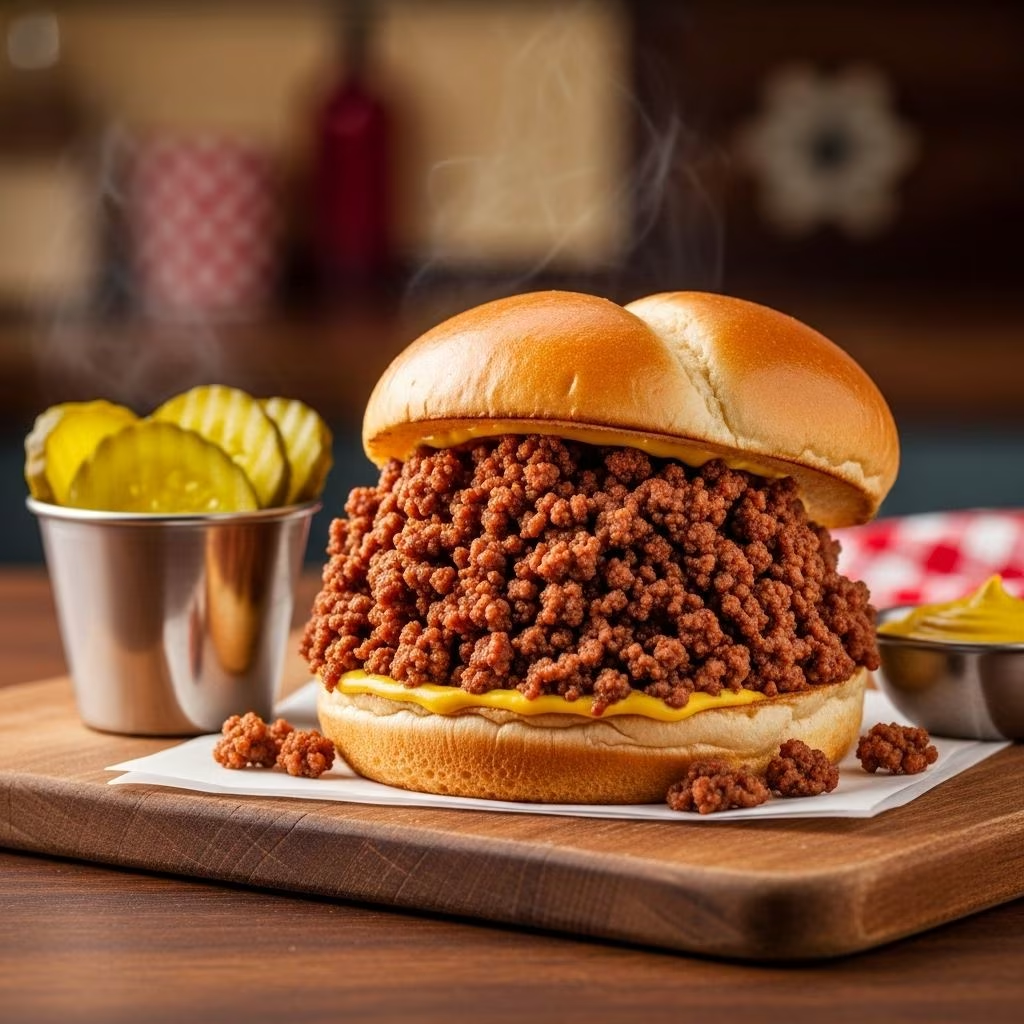
A loose meat sandwich is a warm, crumbled ground beef sandwich—distinct from both hamburgers and sloppy joes. Unlike a traditional burger, the beef is not shaped into a patty, and unlike a sloppy joe, there is no tomato sauce or strongly sweet profile. Instead, the meat is delicately seasoned and served with its juices on a soft hamburger bun.
- Originates from Iowa taverns in the early 20th century
- Popularized by restaurants such as Maid-Rite and Ye Olde Tavern
- Features seasoned, crumbled ground beef with onions, sometimes with a splash of tangy brine or vinegar
- Garnished simply—often pickles, onions, mustard, or cheese
This sandwich’s texture is uniquely moist and crumbly, offering an eating experience somewhere between a hamburger and a traditional stew.
The History and Culture Behind the Sandwich
The loose meat sandwich originated in the Midwest—specifically Iowa—during the 1920s. Numerous small-town diners and lunch counters staked their claim to its creation, but it was Floyd Angell and the opening of Maid-Rite in Muscatine, Iowa, in 1926 that brought commercial attention to this humble dish. Meanwhile, establishments such as Ye Olde Tavern in Sioux City also contributed to its rise in popularity.
Through the decades, the loose meat sandwich became:
- A local tradition for Midwestern families
- A menu mainstay at lunch counters and diners across Iowa and neighboring states
- An embodiment of affordable, unpretentious American comfort cooking
This iconic sandwich even inspired pop culture references, appearing as the menu specialty at the fictional Lanford Lunch Box in the sitcom “Roseanne.”
Understanding the Science: Texture, Flavor, and Fat
The hallmark of a great loose meat sandwich lies in its unique texture—each beef morsel stands distinct, with enough fat and cooking liquid to remain moist without being greasy. Achieving this result involves:
- Using high-fat ground beef for flavor and juiciness (generally 80/20 or 85/15 beef to fat ratio)
- Simmering the beef gently with onion and seasoning, breaking it apart meticulously
- Allowing some of the fat to remain for luscious mouthfeel
- Adding flavor-boosters like a splash of pickle brine or vinegar for brightness
This method creates a sandwich that is neither dry nor oily. Fat plays an essential role—too little results in a parched filling, while too much can lead to a greasy bite. The science is about balancing fat, moisture, and seasoning to let the natural beef flavor shine.
Essential Ingredients for Authentic Flavor
| Ingredient | Role in Sandwich | Optional Substitutions/Tips |
|---|---|---|
| Ground Beef (80/20) | Rich texture and deep flavor | Can use ground chuck for best results |
| Onion | Savory sweetness, aromatic depth | White or yellow onion preferred |
| Pickle Brine | Acidity, brightness, subtle tang | Can use apple cider vinegar or dill pickle juice |
| Mustard | Piquancy and complexity | Yellow or Dijon; optional but traditional |
| Salt & Black Pepper | Fundamental seasoning | To taste; freshly ground pepper for best flavor |
| Soft Hamburger Buns | Balances moisture, absorbs juices | Steamed buns are ideal |
| Pickle Chips & Sliced Onion | Traditional garnishes, crunch and zing | Optional: cheese slice, ketchup |
Additional seasonings like Worcestershire sauce, garlic powder, or a touch of sugar may appear in certain family variations, but the basic recipe remains minimalistic and beef-forward.
A Step-by-Step Guide: Classic Iowa Loose Meat Sandwich Recipe
Ingredients
- 2 pounds (900g) ground beef (80/20 preferred)
- 1 large onion, finely chopped
- 1/4 cup (60ml) pickle brine or apple cider vinegar
- 1 tablespoon yellow mustard
- 1/2 teaspoon salt, plus more to taste
- 1/2 teaspoon freshly ground black pepper
- 6 soft hamburger buns
- Dill pickle chips, for garnish
- Extra sliced onion, for topping (optional)
- Slices of American cheese (optional)
Instructions
- Render and Brown the Beef:
- Set a heavy-bottomed skillet or Dutch oven over medium-high heat. Add the ground beef, breaking it into crumbles with a spatula or wooden spoon as it cooks.
- Stir regularly to promote even browning and proper crumbling.
- Once the beef is no longer pink but not fully browned, drain off excess fat if desired (but leave at least some for flavor and moisture).
- Saute the Onion:
- Add the finely chopped onion to the beef and cook, stirring, until translucent and just beginning to soften—about 3-4 minutes.
- Deglaze and Season:
- Pour in the pickle brine (or vinegar) and mustard, stirring well to loosen any browned bits from the pan.
- Season with salt and pepper. If desired, add a splash of Worcestershire sauce for depth.
- Simmer Gently:
- Reduce heat to low and let the mixture gently simmer for at least 10 minutes, scraping and breaking down the beef as needed. The aim is for the meat to be tender and finely crumbled, with a bit of liquid remaining.
- Taste and Adjust:
- Season further with salt and pepper to taste. For a brighter profile, add a splash more pickle juice.
- Prepare the Buns:
- While the beef simmers, steam or lightly toast the hamburger buns. Steaming is traditional and helps them better hold the juicy filling.
- Assemble the Sandwich:
- Spoon a generous heap of the hot, loose meat mixture onto each bun bottom.
- Top with pickle chips, extra onions, and optional cheese if desired.
- Cap with the bun top and serve immediately (preferably with plenty of napkins!).
Tips and Variations for the Perfect Loose Meat Sandwich
- Beef Selection: Opt for ground chuck or a blend with higher fat content for the juiciest, most flavorful results.
- Crumbing Technique: Stir constantly and use a potato masher or sturdy spatula to achieve the finest crumble—the signature texture.
- Moisture Management: Leave a small amount of fat in the pan; draining fully sacrifices flavor. The goal is a moist, not soupy, filling.
- Bun Preparation: Steamed buns are more traditional and absorb the filling better than toasted buns. Wrap them in a damp towel and microwave, or use a steamer basket.
- Personal Touches: Common additions include a sprinkle of sugar, Worcestershire sauce, or even a squirt of ketchup for sweetness. Some recipes suggest simmering with beef broth or beer for added depth.
- Cheese Lovers: A slice of American cheese can be added for a melt-in-your-mouth upgrade—though purists may skip it.
Nutritional Considerations
Loose meat sandwiches are nutritious in moderation and provide a hearty source of protein. However, due to the beef’s fat content and the presence of white rolls, they are best enjoyed as an occasional comfort treat rather than a daily staple. For those seeking a lighter option, ground turkey or leaner beef can be substituted, but some richness will be inevitably lost.
Loose Meat Sandwich vs. Sloppy Joe vs. Hamburger: Key Differences
| Sandwich | Meat Texture | Primary Seasoning | Signature Sauce | Typical Garnishes |
|---|---|---|---|---|
| Loose Meat | Crumbled, juicy | Salt, onion, brine, mustard | None (meat juices only) | Pickles, onion, mustard |
| Sloppy Joe | Crumbled, saucy | Sweet/savory mix | Tomato-based, sweet sauce | Cheese, sometimes |
| Hamburger | Patty, compact | Salt, pepper | Optional sauces | Lettuce, tomato, pickles, cheese |
Serving Suggestions: What to Eat with Loose Meat Sandwiches
- Crispy French fries or onion rings
- Classic potato salad or coleslaw
- Dill pickles and pickled vegetables
- Simple iceberg lettuce salad with ranch dressing
- Thick-cut potato chips
For drinks, cold root beer or a local Midwestern beer complement the meal perfectly. Dessert? Try a slice of homemade pie or a scoop of vanilla ice cream to round out the classic diner experience.
Frequently Asked Questions (FAQs)
Q: Can I make loose meat sandwiches ahead of time?
A: Absolutely. The filling can be made up to two days in advance—store tightly covered in the refrigerator. Gently reheat before assembling the sandwiches for best flavor and texture.
Q: Does the recipe freeze well?
A: Yes. Cool the meat mixture completely and transfer to freezer-safe containers. Freeze for up to three months. Thaw overnight in the refrigerator and reheat gently before serving.
Q: What are some popular variations or add-ons?
A: Besides the classic toppings, American cheese, chopped pickled peppers, or a squirt of ketchup are common. Some add a tablespoon of sugar to the meat for a subtle sweetness, while others simmer with beef broth or even beer for extra sabor.
Q: Are there vegetarian versions of loose meat sandwiches?
A: Yes, plant-based ground beef alternatives can be used successfully. Choose options with higher fat content for better texture and replicate the seasoning for authentic flavor. Sauté mushrooms or lentils for additional depth.
Q: Why does the bun fall apart?
A: Excess moisture in the filling or insufficiently steamed buns can cause this. Steaming the buns and simmering off extra liquid from the filling produces a sturdier sandwich.
Final Thoughts: The Sandwich as a Midwestern Treasure
The Iowa loose meat sandwich stands as an example of how American regional cuisine celebrates simplicity, comfort, and community. Whether you have roots in the Midwest or are simply on a culinary adventure in your own kitchen, mastering this humble sandwich recipe is a delicious link to a beloved food tradition.