Red Light Therapy: A Game-Changer in Beauty and Wellness
Red light therapy (RLT) is rapidly becoming a must-try skincare and wellness trend, lauded for its ability to transform skin, stimulate hair growth, relieve muscle soreness, and even support sleep. But what is red light therapy, exactly, and how does it work? Backed by mounting scientific research and expert dermatologists, RLT is more than just a social media craze—it’s a proven self-care upgrade.
What is Red Light Therapy?
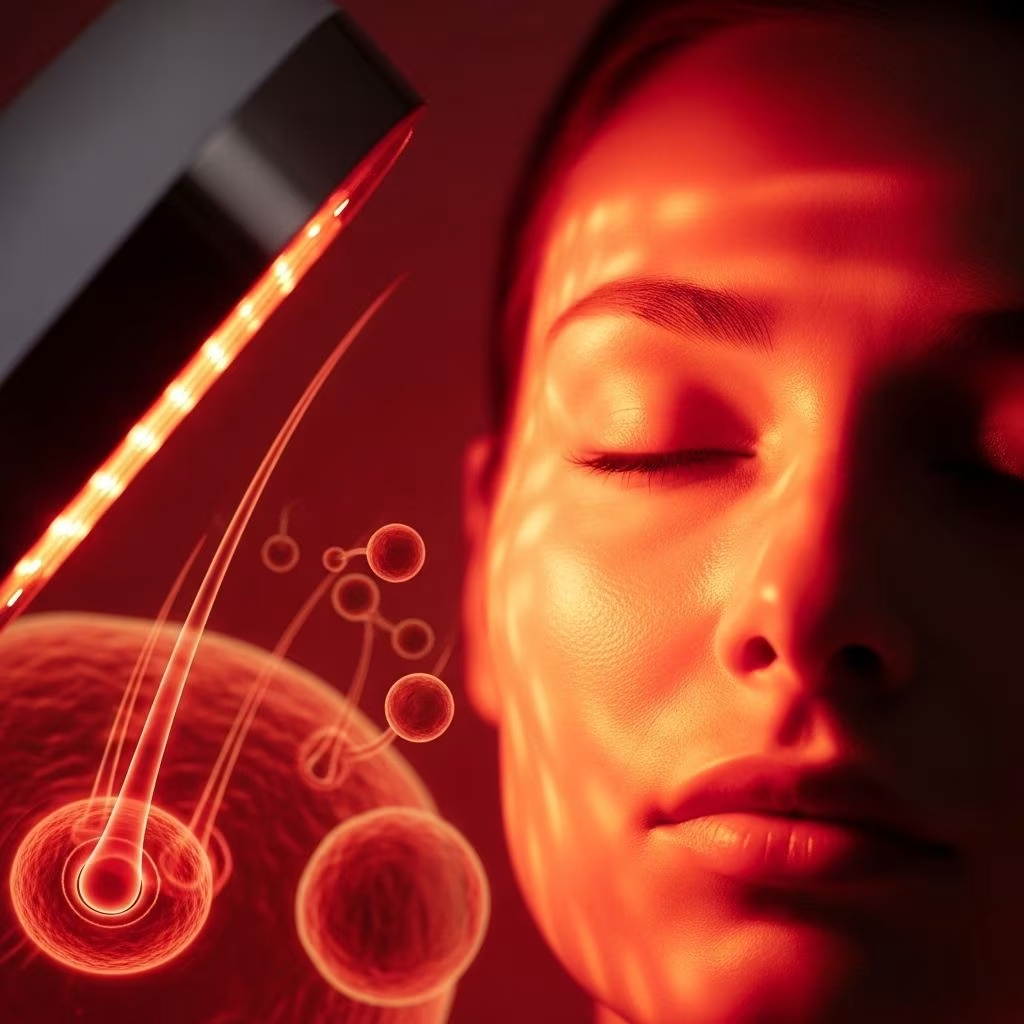
Red light therapy, also known as low-level light therapy (LLLT), uses specific wavelengths of red and sometimes near-infrared light to target skin and deeper tissues. The procedure can be performed in clinics or easily at home using a growing lineup of facial masks, wands, and LED panels.
Unlike sunbathing or traditional tanning, RLT does not expose the skin to harmful UV rays. Instead, it delivers gentle, visible red light energy to skin cells, enhancing their natural functions without inducing damage. Dr. Heather Rogers, a board-certified dermatologist, notes, “Low-level therapy devices that emit red light and infrared light are the most effective option for skin rejuvenation and wound healing.”
How Red Light Therapy Works—The Science
When your skin is exposed to red and near-infrared wavelengths, the light is absorbed by the mitochondria—the so-called powerhouses—of your cells. This boosts your cells’ energy production, leading to increased adenosine triphosphate (ATP), which powers critical processes like:
- DNA repair and cell turnover
- Collagen and elastin synthesis
- Reduction of inflammation
- Improved circulation and oxygenation
Increased ATP production makes skin cells more active. The result? Faster cell repair, less inflammation, and improved overall skin health. These cellular changes underpin the wide-ranging benefits of red light therapy.
Optimal Wavelengths for Red Light Therapy
| Type | Wavelength Range | Main Benefits |
|---|---|---|
| Red Light | ~640 nm (±25 nm) | Skin rejuvenation, collagen production, inflammation reduction |
| Near-Infrared Light | ~880 nm (±50 nm) | Deeper tissue healing, muscle recovery |
The best devices typically use red and/or near-infrared LEDs. Other colors like blue or green may be marketed for skin, but clinical evidence overwhelmingly supports red and near-infrared light for rejuvenation and healing.
Key Benefits of Red Light Therapy
Supports Skin Health and Beauty
Red light therapy’s primary beauty draw is its ability to stimulate collagen and elastin production, which are essential in maintaining a smooth, firm, and youthful complexion. Dermatologists report RLT can help:
- Reduce fine lines and wrinkles
- Fade acne scars and other skin texture issues
- Even out skin tone and minimize discoloration
- Calm irritated, inflamed, or puffy skin
- Accelerate wound and blemish healing
Dr. Dendy Engelman explains, “Because red light therapy promotes cellular turnover and collagen production, it’s able to minimize the appearance of fine lines, wrinkles, acne scars, and other skin texture concerns.”
Aids in Hair Growth
Beyond skincare, red light therapy is gaining recognition for supporting hair growth and scalp health. The therapy increases blood flow and circulation at the scalp, optimizes cellular metabolism, and promotes follicle strength. Clinical and anecdotal evidence suggest that with consistent application, many users notice:
- Thicker, fuller hair
- Reduced hair shedding
- Increased hair density and scalp coverage
This makes RLT a non-invasive option for those experiencing mild to moderate hair loss or seeking overall scalp vitality.
Minimizes Inflammation and Supports Recovery
Red light therapy is not just for beauty enthusiasts. Athletes and fitness devotees are also adding it to their routines for post-exercise muscle recovery and decreased soreness. By dialing down inflammation and accelerating cellular repair, RLT helps:
- Reduce swelling and puffiness (even in the face or under eyes)
- Shorten muscle recovery time and ease aches
- Support joint and wound healing
Dr. Mohab Ibrahim, pain specialist, details how RLT applied to inflamed tissue—like an overworked knee—relieves pain and boosts healing by calming biological inflammation pathways.
Improves Sleep Quality
Newer research highlights RLT’s ability to optimize sleep. By influencing the body’s circadian rhythms and possibly stabilizing melatonin production, red light can help promote a regular, restful sleep cycle. This is why insomniacs and shift workers are among those experimenting with red light devices for evening use.
Red Light Therapy vs. Other Light Therapies
The surge in at-home LED devices speaks to the ongoing popularity of light therapy—yet the wavelength matters. Here’s how RLT stacks up against other colors:
- Red & Near-Infrared: Best studied for skin rejuvenation, anti-inflammation, wound and muscle healing.
- Blue Light: Primarily targets acne-causing bacteria; evidence is less robust for anti-aging or repair.
- Green/Amber: Sometimes used for redness or pigmentation but lacks the clinical data backing RLT.
In short, if your goal is overall healthier, more resilient skin, RLT is the superior choice.
Devices: At-Home Tools vs. In-Office Treatments
Red light therapy can be accessed in two ways:
- In-Office Treatments: Performed by dermatologists or aestheticians with professional-grade equipment. Sessions may offer higher intensity and more precise control, often yielding results faster.
- At-Home Devices: Masks, wands, and handheld panels are available for daily or weekly use. These are generally less powerful but highly effective for maintenance and long-term care.
Dr. Rogers advises that while at-home devices aren’t replacements for medical lasers, they are “excellent for maintenance.” In fact, pre- and post-procedural RLT helps enhance healing and prolong the benefits of in-office treatments.
What to Look for in a Red Light Device
Shopping for a red light therapy tool? Keep these essentials in mind:
- Wavelength: Choose devices emitting in the red (~640 nm) or near-infrared (~880 nm) spectrum.
- Clinical Validation: Look for products that are FDA-cleared and supported by independent clinical studies.
- Coverage and Fit: Masks or panels should offer even coverage for the area you wish to treat (face, scalp, etc.).
- Safety Features: Devices should include auto-shutoff and materials that are skin-safe and easy to clean.
- Reputable Brand: Established brands with strong customer reviews and scientific backing are best.
Consistency is key: Most users note visible results after several weeks to months of regular sessions, whether using in-clinic devices or at-home gadgets.
Is Red Light Therapy Safe?
According to Cleveland Clinic and expert dermatologists, red light therapy is considered low-risk and non-invasive. Adverse effects are rare and mild (e.g., temporary redness or irritation). However, it is always wise to:
- Consult a dermatologist if you have photosensitive skin or existing skin disorders
- Avoid direct eye exposure with high-intensity devices
- Follow all manufacturer guidelines
Pregnant individuals, those with active cancer, or people on photosensitizing medications should seek medical advice before use.
Who Are the Experts?
Heather Rogers, MD, is a board-certified dermatologist and cofounder of Modern Dermatology as well as CEO of Doctor Rogers Skin Care. Dendy Engelman, MD, board-certified dermatologist and Mohs surgeon at Shafer Clinic, specializes in cosmetic dermatology.
Lauren Balsamo is the deputy beauty director at Cosmopolitan, with over a decade of experience covering skincare innovations. Her expertise ensures only science-backed trends are recommended.
The Bottom Line
Red light therapy is a proven way to support healthier, more vibrant skin and hair, decrease inflammation, and accelerate healing. Both in-office and at-home RLT devices offer benefits, but patience and consistency deliver the best results. As social media and wellness communities continue to spread the word, red light therapy is moving from fad to must-have in any serious beauty or wellness routine.
Frequently Asked Questions (FAQs)
Q: How soon can I expect to see results from red light therapy?
A: Results vary per individual and concern, but many users notice improvements in skin clarity and texture within three to six weeks of consistent use. For hair growth or deeper healing, expect several months for full benefits.
Q: Is red light therapy safe for all skin types?
A: Yes, red light therapy is generally safe for all skin types. However, consult with a dermatologist if you have a condition that causes light sensitivity or are on medications that increase photosensitivity.
Q: Can I use red light therapy devices daily?
A: Most at-home devices are designed for daily or every-other-day use. Always adhere to manufacturer guidelines and avoid overuse for optimal safety and results.
Q: Does red light therapy help with acne?
A: Red light therapy can help reduce inflammation and speed healing of acne lesions. It works best for mild to moderate cases and is not a replacement for prescription treatments when needed.
Q: What should I look for in a red light therapy device?
A: Choose a reputable, FDA-cleared tool emitting true red or near-infrared wavelengths. Coverage, power, and fit for your specific needs are essential factors.
References
- https://www.cosmopolitanme.com/beauty/red-light-therapy
- https://www.doctorrogers.com/blogs/blog/one-minute-clinic-red-light-therapy
- https://www.cosmopolitan.com/health-fitness/a64759543/light-therapy-benefits/
- https://www.cosmopolitan.com/style-beauty/beauty/a61836669/red-light-therapy-benefits/
- https://www.cosmopolitan.com/uk/beauty-hair/skincare/g37210914/best-led-face-masks/
- https://www.womenshealthmag.com/beauty/g42005167/best-red-light-therapy-tools/
- https://my.clevelandclinic.org/health/articles/22114-red-light-therapy