Philly Roast Pork Sandwich: South Philadelphia’s Unsung Hero
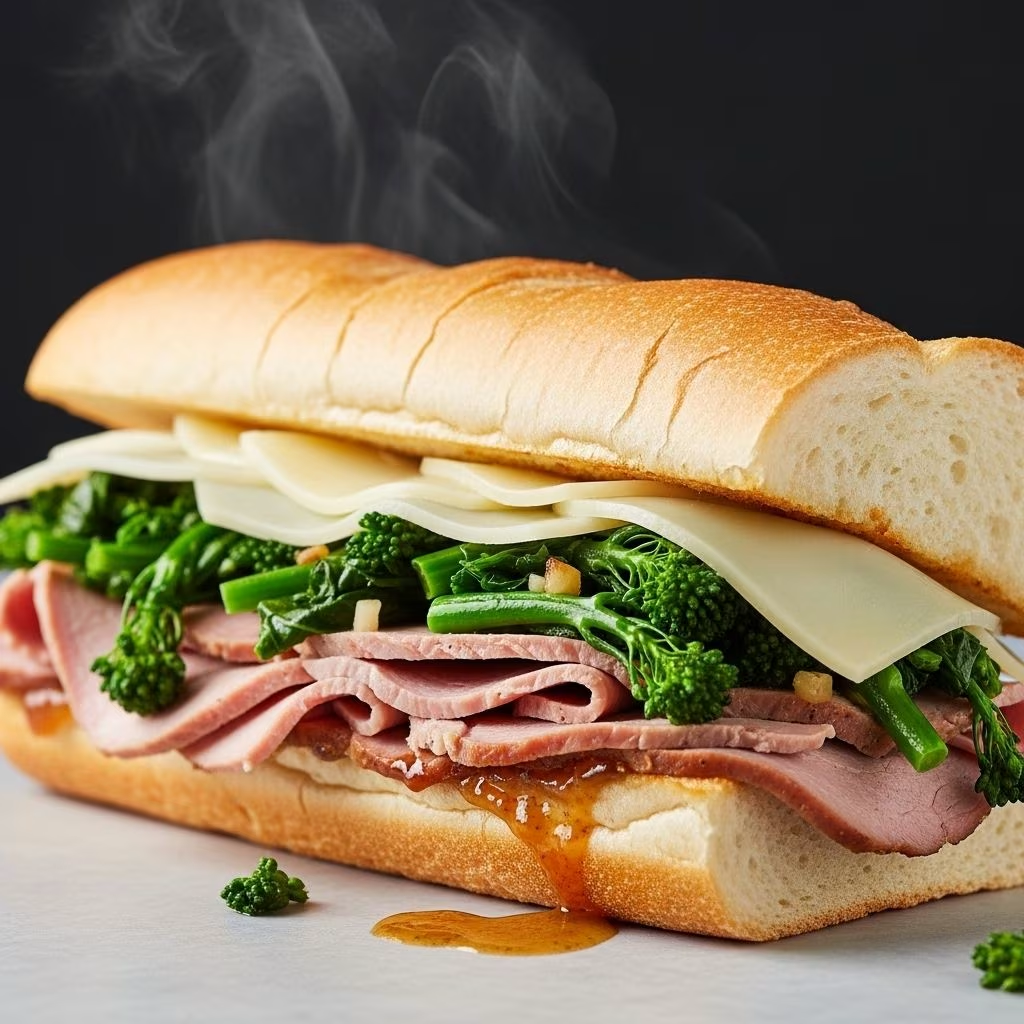
Overshadowed nationally by the cheesesteak, the Philly roast pork sandwich holds an honored place in South Philadelphia’s culinary history. Known for its tender slow-cooked pork, sharp provolone, and bitter greens on a crusty Italian roll, this sandwich blends Italian-American tradition with blue-collar ingenuity. Below, we’ll cover every facet of this iconic creation: its history, essential ingredients, detailed recipe, tips for perfect execution, and frequently asked questions.
History of the Philly Roast Pork Sandwich
While the cheesesteak has become Philadelphia’s signature sandwich nationwide, locals cherish the roast pork sandwich as the city’s true working-class gem. Its origins trace back to the Italian immigrant neighborhoods lining South Philly, with sandwich shops such as Tony Luke’s and John’s Roast Pork serving this specialty since the mid-20th century.
- Roots: Italian immigrants brought slow-roasted pork traditions to Philadelphia.
- Evolution: Amalgamated with American sandwich culture, resulting in a roll-based meal.
- Landmarks: Tony Luke’s and John’s Roast Pork are among the most famous purveyors.
- Distinct Identity: Unlike cheesesteaks, these sandwiches showcase bitter greens and sharper cheeses.
How Philly’s Pork Sandwich Stands Apart
- Pork over Beef: Uses seasoned, slow-cooked pork shoulder instead of beef.
- Bitter Greens: Broccoli rabe or spinach—never sweet, always bitter—contrast the fatty pork.
- Sharp Provolone: Distinctly robust, pungent cheese is favored over milder options.
- Crusty Italian Roll: A sturdy foundation capable of soaking up juices without disintegrating.
Essential Ingredients: Key Components
The hallmarks of an authentic roast pork sandwich are top-quality ingredients. Each plays a vital role, and substitutions should be made carefully.
| Ingredient | Role in Sandwich | Recommended Type |
|---|---|---|
| Pork Shoulder/Boston Butt | Main filling; tender, juicy, and flavorful | Bone-in, well-marbled |
| Italian Roll | Supports wet ingredients; absorbs juices | Crusty, chewy, fresh |
| Sharp Provolone | Pungent, salty, creamy counterpoint to pork | Imported or aged, never mild |
| Broccoli Rabe | Bitter greens that cut the richness | Lightly blanched or sautéed |
| Spinach (alternative) | Softer green with milder bite | Sauteed with garlic |
| Pork Broth or Jus | Moistens the pork and bread; adds flavor | Reserved from roasting |
| Aromatics & Seasonings | Layers of flavor in roast | Garlic, fennel, rosemary, black pepper |
Ingredient Shopping and Preparation Tips
- Always choose well-marbled pork for best flavor and moistness.
- Sharp provolone is necessary; mild provolone won’t deliver the punch.
- Bitter greens like broccoli rabe are traditional—substitute spinach only when necessary.
- Seek out local bakeries for high-quality Italian bread or hoagie rolls.
Step-by-Step Recipe Overview
This recipe emulates the flavors and textures found in renowned South Philadelphia sandwich shops. Allow ample time for marination and slow cooking.
Ingredients List
- 1 boneless or bone-in pork shoulder (about 4–5 pounds)
- 2 tablespoons kosher salt
- 1 tablespoon fresh ground black pepper
- 2 tablespoons fennel seed, lightly crushed
- 1 tablespoon dried rosemary
- 6 cloves garlic, smashed
- 1 tablespoon olive oil
- 1 cup low-sodium chicken stock or water
- 1 bunch broccoli rabe, cleaned and trimmed
- 6 crusty Italian rolls or hoagie rolls
- 6 ounces sharp provolone, thinly sliced
- Crushed red pepper flakes (optional)
Instructions
- Season the Pork: Mix salt, pepper, fennel seed, rosemary, smashed garlic, and olive oil into a paste. Rub thoroughly over pork shoulder, covering all surfaces. Let marinate for at least 3 hours (ideally overnight in the fridge).
- Sear (Optional): Preheat oven to 300°F (150°C). Sear pork in a roasting pan over medium-high heat until browned on all sides. This deepens flavor; skip if time is short.
- Roast the Pork: Add chicken stock or water to pan. Cover tightly with foil and roast for 3–4 hours, until pork is fall-apart tender. Uncover for last 30 minutes to brown exterior, basting occasionally.
- Rest, Shred, and Moisten: Remove pork; tent loosely with foil, rest 20 minutes. Shred meat, discarding excess fat and bone, then return to jus/broth to keep moist.
- Prepare the Greens: While pork rests, blanch broccoli rabe in salted boiling water for 2 minutes, drain. Sauté in olive oil with minced garlic and red pepper flakes until tender, 3–4 minutes.
- Assemble Sandwiches:
- Split rolls, layer each with a generous heap of pork (moistened with jus).
- Add sautéed broccoli rabe or spinach.
- Top with slices of sharp provolone; the residual heat may slightly melt the cheese.
- Optional: drizzle more jus for extra flavor.
- Serve Immediately: Sandwiches are best eaten hot, straight from assembly.
Pro Tip: Make Ahead & Reheating
- Pork can be cooked a day ahead; store shredded meat in jus, reheat gently on stovetop.
- Greens cook quickly and are best fresh.
Tips, Techniques, and Variations
Mastering the roast pork sandwich requires a blend of planning, technique, and adaptation. Here’s how to elevate your sandwich game:
Advanced Tips
- Use a thermometer: Pork is ideally cooked to 190°F–200°F for shredding ease.
- Fenugreek and Fresh Herbs: Add a pinch of fenugreek or fresh rosemary for aromatic lift.
- Broil Cheese: Flash assembled sandwiches under your oven’s broiler to melt provolone for a gooey finish.
- Crock Pot Option: For hands-off cooking, use a slow cooker on low for 8 hours (popular for at-home versions).
Regional and Restaurant Variations
- Some shops use spinach instead of broccoli rabe for a milder flavor.
- Sandwich may be topped with long hot peppers for extra spice.
- Alternative cheeses like aged Asiago or Pecorino add different flavor notes but sharp provolone remains classic.
- Double dipping: Some vendors dip the bread in pork jus before assembly for extra juiciness.
Serving and Storing Suggestions
This sandwich is best served piping hot. For gatherings and parties, keep components warm and assemble sandwiches to order.
- Pair with crispy fries, pickled vegetables, or a simple Italian salad.
- For storage, refrigerate pork and juice separately from bread and cheese. Greens may lose quality when stored, so prepare fresh if possible.
Freezing and Reheating
- Shredded pork, well-covered in jus, freezes for up to two months.
- Thaw overnight in refrigerator then reheat gently (avoid boiling to prevent drying).
Frequently Asked Questions (FAQs)
Q: Can I use pork loin instead of pork shoulder?
A: Pork loin is leaner, and while it can work, it won’t yield the same melt-in-mouth texture and rich flavor as shoulder or Boston butt.
Q: What are classic sides to serve with roast pork sandwiches?
A: Traditional accompaniments include fries, pickles, sautéed Italian greens, or spicy long hot peppers.
Q: Is sharp provolone essential?
A: Yes; its pungent bite balances the rich pork and bitter greens. Substitutes lack the same character.
Q: What’s the difference between broccoli rabe and regular broccoli?
A: Broccoli rabe is a leafy, bitter green—closer to turnip greens—with slender stalks and sharp flavor, while regular broccoli is much sweeter and crunchier.
Q: How do I keep my sandwich from getting soggy?
A: Use crusty rolls, avoid overloading with jus, and serve immediately after assembly for best results.
Conclusion: Celebrate South Philly’s Heritage
The Philly roast pork sandwich is more than a recipe—it’s a testament to immigrant ingenuity and local pride. Layered flavors, textures, and the interplay of simple ingredients make this a must-try for any sandwich enthusiast. Whether you follow tradition to the letter or innovate with your own twist, this classic will win new fans wherever it’s served.