Persimmons: A Comprehensive Guide to the Vibrant Autumn Fruit
Persimmons, with their bright orange hue and sweet flavor, are a highlight of the fall and early winter fruit selection. Although they may be less familiar than apples or pears, persimmons bring unique tastes, nutritional benefits, and culinary versatility. This guide explores persimmons from their origins and varieties to their nutritional profile, health benefits, and the many ways you can enjoy them fresh, cooked, or baked.
What Is a Persimmon?
Persimmons are sweet, flavorful fruits belonging to the genus Diospyros. They are native to China but are now grown in many regions with temperate climates, including the United States, Japan, Korea, and Italy. Their vivid orange skin and plump shape make them notable at farmer’s markets and specialty grocers in late autumn and early winter.
Main Types of Persimmons
- Hachiya Persimmon: Acorn-shaped, deep orange, and astringent when under-ripe. Best enjoyed when fully soft and jelly-like.
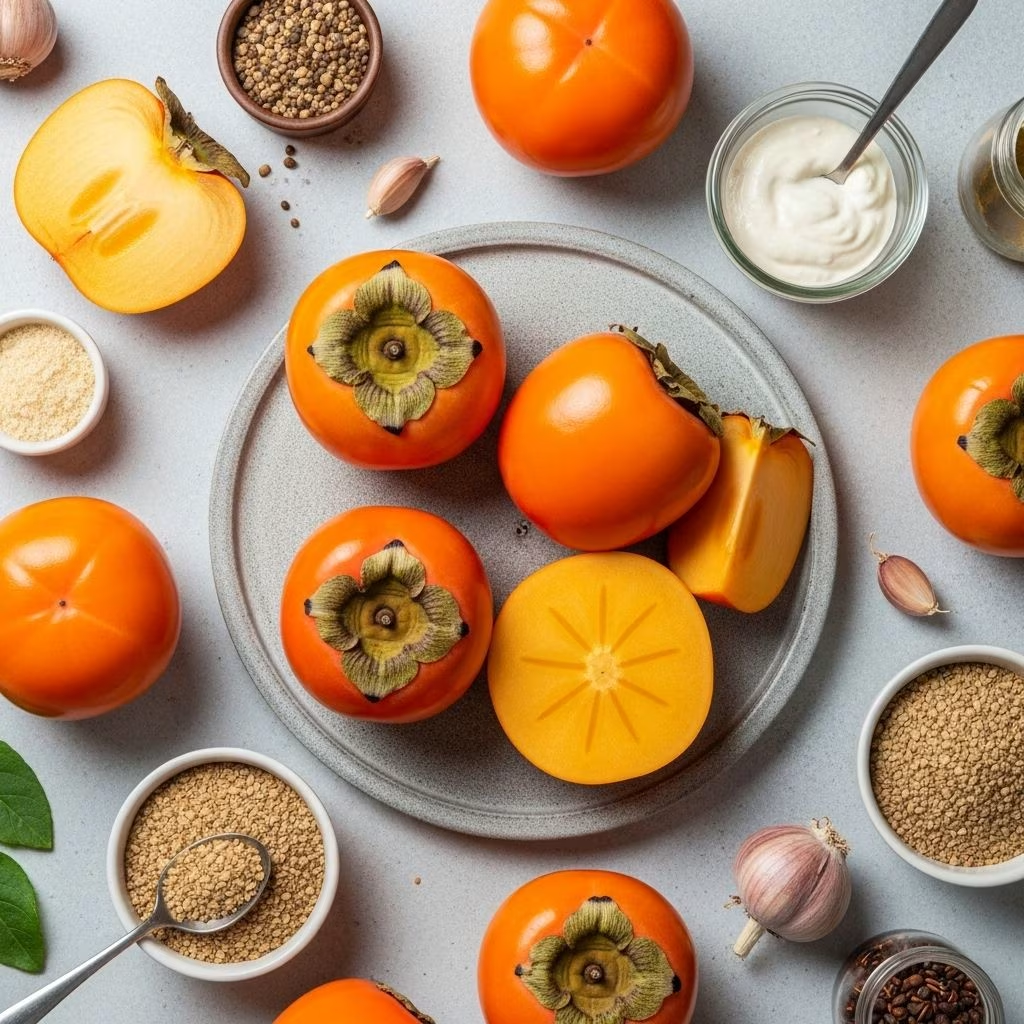
- Fuyu Persimmon: Squat and tomato-shaped, bright orange, non-astringent; can be eaten while firm, just like an apple.
- Other Varieties: Includes American persimmons (Diospyros virginiana), which are smaller and less commonly found outside specific regions.
| Type | Appearance | Taste When Ripe | Best For |
|---|---|---|---|
| Hachiya | Tall, acorn-shaped, deep orange | Sweet, custardy, soft flesh | Baking, puree, eating with spoon |
| Fuyu | Short, squat, tomato-shaped, matte orange | Sweet, crisp, crunchy flesh | Raw eating, salads, slicing |
| American | Small, round, yellow-orange | Sweet, complex, often seed-filled | Regional specialties, preserves |
How Do Persimmons Taste?
The flavor profile of persimmons depends greatly on the variety and ripeness:
- Fuyu: Eaten while firm, Fuyus have a crisp texture like apples, with a mild honeyed sweetness. They are non-astringent and can be enjoyed raw, sliced, or diced.
- Hachiya: When ripe (soft and almost jelly-like), Hachiyas offer a deep, honeyed sweetness with notes of mango and apricot. Under-ripe Hachiyas are astringent and unpleasantly tannic; they must be allowed to fully ripen.
- American Persimmons: These are smaller and less widely available but have an intense natural sweetness and are often used in jams, puddings, or baking.
Where to Find and How to Buy Persimmons
Persimmons are in season from late September through early winter. Look for them at well-stocked grocery stores, farmer’s markets, and specialty Asian markets. While varieties like Fuyu may sometimes be found at major retailers, Hachiya and other types are less common and may be easier to find at regional markets or stores such as Trader Joe’s or Costco.
- Choose fruit with smooth, bright orange skin and free from bruises or deep cuts.
- Firm Fuyus are ready to eat; Hachiyas should be very soft to the touch before eating.
- Store Fuyus at room temperature until ripe (slightly soft) and refrigerate only after cutting. Hachiyas often benefit from ripening on the counter up to the point of becoming very soft.
Persimmon Nutrition Facts
Persimmons are rich in essential vitamins, minerals, and fiber. One average-sized persimmon provides:
- Calories: 118
- Protein: 1 gram
- Fat: 0 grams
- Carbohydrates: 31 grams
- Fiber: 6 grams
- Sugars: 21 grams
Persimmons are an excellent source of vitamin A and vitamin C, both of which support immune health, skin, and vision. They contain manganese, which aids in blood clotting, and are abundant in antioxidants that help counteract cellular damage and reduce risks linked to cancer and stroke.
Fiber and Antioxidants
- High fiber content supports digestion and regularity.
- Antioxidants, including beta-carotene and flavonoids, may help lower inflammation and protect against heart disease.
Health Benefits of Persimmons
Regular consumption of persimmons can offer several health advantages:
- Decrease inflammation throughout the body
- Support healthy vision due to high vitamin A
- Reduce cholesterol, contributing to cardiovascular health
- Lower blood pressure, aiding overall vascular function
- Promote digestive regularity thanks to dietary fiber
How to Eat Persimmons
Persimmons are extremely versatile and can be enjoyed in various ways depending on the type and your culinary preferences.
Eating Raw Persimmons
- Fuyus can be sliced, chopped, or eaten whole like an apple. Their skin is edible but may be peeled if desired.
- Hachiyas should be scooped with a spoon when completely soft. Their flesh resembles jelly and is ideal for puddings and purees.
Cooking and Baking with Persimmons
- Add sliced persimmons to salads for a juicy crunch.
- Use them in breakfast bowls, oatmeal, or granola blends.
- Roast persimmons for a simple, sweet autumn dessert.
- Swap in persimmons for apples in pork dishes for an Asian-inspired twist.
- Bake into muffins, quick breads, cakes, and cookies.
Popular Persimmon Recipes
James Beard’s Persimmon Bread
This classic autumn recipe showcases Hachiya persimmons at their finest:
- Ingredients:
- 3 1/2 cups sifted flour
- 1 1/2 teaspoons salt
- 2 teaspoons baking soda
- 1 teaspoon ground nutmeg
- 2 to 2 1/2 cups sugar
- 1 cup melted unsalted butter (cooled)
- 4 large eggs, lightly beaten
- 2/3 cup Cognac or bourbon (optional)
- 2 cups persimmon puree (about 4 very soft Hachiya persimmons)
- 2 cups toasted, chopped walnuts or pecans
- 2 cups raisins or diced dried fruits (apricots, cranberries, dates)
- Method: Combine dry ingredients, mix in wet ingredients, fold in fruit and nuts, pour into loaf pan and bake. Yields a moist, nutty, fruit-laden bread perfect for fall gatherings.
Persimmon Salad
Combine sliced Fuyu persimmons with salad greens, toasted pecans, dried cranberries, and goat cheese. Drizzle with honey-lemon vinaigrette for a meal packed with texture and flavor.
Roasted Persimmons
- Slice Fuyu or peeled Hachiya persimmons.
- Roast drizzled with a bit of honey and mint for a simple, aromatic dessert.
Persimmon Smoothie
- Blend ripe Hachiya persimmon flesh with yogurt, orange juice, and a dash of cinnamon for a creamy fall smoothie.
Tips for Serving Persimmons
- Peeling: Skin is edible but can be removed for a smoother texture.
- Seeds: Most store-bought Fuyus are seedless; Hachiyas may contain a few small seeds that you can remove when scooping the flesh.
- Ripening: Place firm Hachiyas in a paper bag with an apple or banana to hasten ripening.
- Portion Control: Persimmons are naturally high in sugar; enjoy moderate servings as part of a balanced diet.
Persimmons Around the World
- Japan: Persimmons are prized both for eating fresh and for making dried persimmons (hoshigaki), where the fruit is peeled and hung to air dry, developing a rich, concentrated sweetness.
- Korea: Used in teas, puddings, and as garnishes; dried Korean persimmons (gotgam) are a traditional ingredient in many sweets.
- Italy: Known as “cachi,” persimmons are blended into jams and used in confections.
Frequently Asked Questions (FAQs)
Q: What’s the difference between Fuyu and Hachiya persimmons?
A: Fuyu persimmons are squat, tomato-shaped, and can be eaten while firm and crunchy. Hachiya persimmons are elongated and astringent until fully ripened, at which point their flesh becomes soft and jelly-like, ideal for baking and purees.
Q: Can you eat persimmon skin?
A: Yes, persimmon skin is thin and completely edible in both Fuyu and Hachiya varieties, though some prefer to peel for texture reasons.
Q: How do I ripen a firm Hachiya?
A: Let Hachiyas ripen on the counter until extremely soft. To speed up the process, place them in a paper bag with an apple or banana.
Q: Are persimmons good for you?
A: Persimmons are high in fiber, vitamin A, vitamin C, and antioxidants, all of which support good health, digestion, and immunity.
Q: What’s a simple way to eat a persimmon?
A: Fuyus can be sliced and eaten fresh, similar to apples. Ripe Hachiyas are delicious when eaten with a spoon or blended into smoothies or baked goods.
Conclusion: Why Persimmons Deserve a Place in Your Kitchen
Persimmons provide a distinctive sweetness and texture that sets them apart from typical fall fruits. Whether you enjoy the crispness of Fuyu slices on a salad or the jammy flesh of ripe Hachiyas in bread or desserts, persimmons add both nutrition and gourmet flair to seasonal cooking. From global kitchens to home bakers, this ancient fruit continues to inspire delicious possibilities.