Introduction
Japanese curry, known locally as Kare Raisu (カレーライス), is a comforting, richly savory stew served over steamed rice. Unlike the fiery curries of South Asia, Japanese curry is mellow, thick, slightly sweet, and loaded with tender meat and vegetables. It holds a special place in the hearts of many, ranking alongside ramen and sushi as one of the country’s defining dishes.
What is Japanese Curry?
Japanese curry is a thick stew prepared by simmering meat (often chicken, beef, or pork), potatoes, carrots, and onions in a spiced, roux-thickened broth. Typically served over hot rice, it’s a staple of home kitchens, school cafeterias, and curry houses across Japan. Satisfying and easy to adapt, kare raisu is a quintessential example of Japanese comfort food—simple, hearty, and deeply flavorful.
How It Differs From Indian and Thai Curry
- Mildness: Japanese curry is much milder in heat and pungency compared to Indian or Thai curries.
- Texture: The sauce is thickened with a gravy-like roux, resulting in a silky, almost creamy texture.
- Slight Sweetness: Grated apples, honey, or even chocolate are common for rounding flavors and adding sweetness.
- Key Spices: Though curry powder is used, the spice notes are subdued—sweet, fragrant, and warming, but not sharp or intense.
A Brief History of Japanese Curry
Curry was introduced to Japan during the latter half of the 19th century by the British Navy. At the time, Japan was rapidly modernizing, and the navy adopted curry for nutritional and practical reasons—the rich, filling stew was a perfect way to feed crews. The popularity quickly spread to the military, then school cafeterias and eventually home kitchens, solidifying its status as a symbol of home-cooked comfort.
By the early 20th century, Japanese companies began producing curry powders and later the convenient curry roux blocks that dominate today’s market. These pre-packaged roux blocks made curry preparation quick, easy, and consistent, and by the postwar decades, curry rice was a staple of daily life.
Key Ingredients in Japanese Curry
- Meat: Most commonly chicken, beef, or pork cut into bite-size chunks. The meat is usually seared first for extra flavor.
- Vegetables: Onion, carrot, and potato are classic; peas or mushrooms are also sometimes included.
- Curry Roux: The cornerstone ingredient. Typically sold as solid blocks, these are made from flour, fat (often butter or oil), seasonings, and Japanese-style curry powder.
- Curry Powder: Japanese curry powder contains turmeric, coriander, cumin, fenugreek, and other sweet spices, but is blended for restraint and balance.
- Optional Sweeteners: Grated apple, honey, or a spoonful of fruit preserves lend depth and a gentle sweetness.
- Stock or Broth: Chicken or beef broth helps build a savory backbone for the sauce.
How To Make Japanese Curry From Scratch
While most Japanese people use store-bought curry roux blocks, you can create a more flavorful, less processed curry by making the roux and sauce from scratch. Here’s a comprehensive guide to the process:
Ingredients
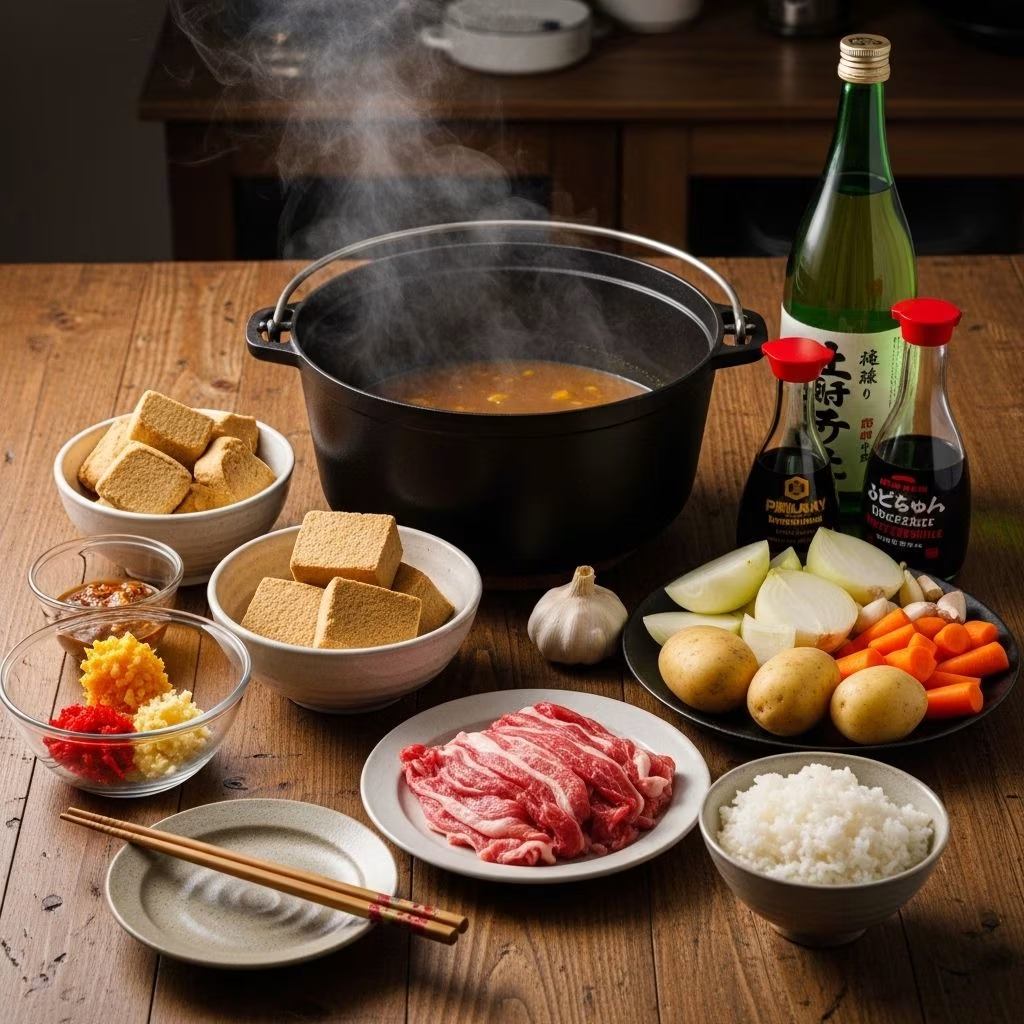
- 1 1/2 lbs chicken thighs or beef chuck, cut into bite-size pieces
- 2 large onions, sliced
- 3 medium carrots, peeled and cut into chunks
- 2 large potatoes, peeled and cubed
- 2 tablespoons butter (for sautéing)
- 2 cloves garlic, minced
- 1 tablespoon grated ginger
- 2-3 tablespoons Japanese curry powder
- 3 tablespoons all-purpose flour
- 4 cups chicken or beef broth
- 1 apple, peeled and grated (or 2 tablespoons honey)
- 2 tablespoons soy sauce
- 1 tablespoon Worcestershire sauce
- Salt and pepper, to taste
- 1/2 cup frozen peas (optional)
- Steamed white rice for serving
Step-by-Step Instructions
- Sear the Meat: Heat butter in a large pot over high heat. Add meat and cook, turning, until lightly browned. Remove and set aside.
- Sauté Onions: Add onions to the same pot. Season with salt and cook, stirring, until softened and golden, about 8 minutes.
- Add Aromatics: Add garlic and ginger; sauté until fragrant, about 1 minute.
- Incorporate Curry Powder & Roux: Sprinkle curry powder and flour over the onions. Stir constantly for about 2 minutes until the mixture is toasted and smells fragrant but not burnt.
- Deglaze and Simmer: Slowly add broth, stirring to dissolve the roux.
- Add Vegetables: Return meat to the pot and add carrots, potatoes, grated apple (or honey), soy sauce, and Worcestershire sauce. Simmer gently, partially covered, until vegetables are tender (about 20–25 minutes).
- Finish: Taste and adjust seasoning with salt, pepper, or additional honey if desired.
- Optional: Stir in the peas and cook for 2 minutes more.
- Serve: Ladle curry over steaming hot rice and garnish with sliced scallions, chives, or Japanese pickles.
The Role of Curry Roux
In most Japanese households, store-bought curry roux blocks are the gold standard for weeknight curry. These blocks, available in sweet (ama-kuchi), medium (chu-kara), and hot (kara-kuchi) flavors, offer consistent results and a nostalgic, familiar taste.
However, making your own roux gives you full control over the flavors and body of the sauce. Flour is cooked with butter or oil until nutty, then seasoned with curry powder and sometimes other spices or chocolate for added depth.
Popular Variations
- Katsu Curry: A golden, crispy breaded cutlet (usually chicken or pork) served over rice and topped with curry sauce. The cutlet adds a crunchy-salty dimension that perfectly complements the stew.
- Vegetarian Curry: Swap meat for tofu, mushrooms, or fried eggplant. Use vegetable stock for a satisfying meatless meal.
- Seafood Curry: Less common, but shrimp or whitefish may be gently simmered in the sauce.
- Regional Styles: Some regions, such as Hokkaido, are famous for soup curry—a thinner, spicier variant loaded with vegetables.
| Type | Main Features | Protein |
|---|---|---|
| Kare Raisu | Classic hearty stew, served over rice | Chicken, beef, or pork |
| Katsu Curry | Breaded cutlet atop rice, smothered with curry | Pork or chicken cutlet |
| Soup Curry | Thinner, brothier, loaded with veggies | Chicken, sausage, or none |
| Seafood Curry | Shrimp, calamari, or whitefish | Seafood |
Serving and Classic Accompaniments
- Rice: Always served with short-grain steamed rice, forming the base of the meal.
- Pickles: Common garnishes include fukujinzuke (crunchy sweet-sour pickled vegetables) or rakkyo (pickled shallots), which add brightness and counterbalance the rich curry.
- Sliced Scallions or Chives: Provide fresh green color and a mild bite.
Tips for Perfect Japanese Curry
- Caramelize Onions Thoroughly: Slowly sauté onions for maximum sweetness and savory depth.
- Toast the Curry Powder: Brief toasting before adding liquid unlocks the full aroma and flavor of the spices.
- Simmer Gently: Avoid rapid boiling, which can break vegetables apart and muddy the sauce.
- Adjust Consistency: The sauce should be hearty and gravy-like. Thin with extra broth if too thick, or simmer uncovered to reduce if too thin.
The Cultural Importance of Japanese Curry
Curry has become an everyday food in Japan, appearing everywhere from home kitchens to school lunches and late-night diners. Its adaptability—easily customized with favorite vegetables, proteins, or spice blends—makes it endlessly appealing. For many Japanese people, curry is a taste of nostalgia, family, and warmth.
Japanese curry continues to evolve, with gourmet curry restaurants, curry bread (kare pan), and inventive new varieties appearing across the country. Yet at its core, it remains a simple, hearty dish that brings people together, reflecting the nation’s spirit of comfort and ingenuity.
Frequently Asked Questions (FAQs)
What’s the difference between Japanese curry and curry from India or Thailand?
Japanese curry is milder, less spicy, and has a thicker, gravy-like sauce thanks to the use of a roux rather than coconut milk or tomato as the base. It’s also slightly sweeter and served over rice.
Can I make Japanese curry vegetarian or vegan?
Yes! Simply use vegetable stock and omit the meat. Tofu, mushrooms, or fried eggplant make excellent substitutes.
How spicy is Japanese curry?
Most store-bought roux comes in mild, medium, or hot varieties, but even the hottest is usually gentle compared to many Indian or Thai curries. Adjust with more curry powder or chili for more heat.
Is Japanese curry gluten-free?
Traditional roux is made with flour, so most curry is not gluten-free. However, you can make a gluten-free version by substituting rice flour or a gluten-free blend.
Can I freeze Japanese curry?
Absolutely. Leftover curry freezes well—just cool it fully before portioning into airtight containers. Reheat gently over low heat, thinning with a splash of water if needed.