McDonald’s Cheeseburger, McDouble, and Double Cheeseburger: The Ultimate Showdown
For generations, McDonald’s burgers have remained fast-food staples, with the Cheeseburger, McDouble, and Double Cheeseburger standing out among their menu’s most iconic items. While these burgers may seem similar at a glance—ground beef, American cheese, pickles, and onions nestled in a squishy bun—a closer look reveals subtle distinctions that can make a big difference in taste, value, and satisfaction for burger aficionados.
Overview: Burger Lineage and McDonald’s Burger Philosophy
McDonald’s built its empire on the back of the classic single-patty cheeseburger. Over time, the introduction of larger double-patty options (first the Double Cheeseburger, then the McDouble) reflected changing consumer tastes, competitive pressure, and twists on the essential formula. These three burgers, though occupying the same price tier and ingredients, each follow a subtly different approach:
- Cheeseburger: The baseline McDonald’s beef experience.
- McDouble: A two-patty, one-cheese solution to deliver more meat at a budget price.
- Double Cheeseburger: Double patties, double cheese—sometimes considered the gold standard of McDonald’s non-premium line.
McDonald’s consistently delivers on simplicity, uniformity, and nostalgia—qualities that shine through these menu items in different ways.
Burger Breakdown: Ingredient by Ingredient
Despite their similar appearances, the Cheeseburger, McDouble, and Double Cheeseburger are distinguished by their ingredient layering and distribution. Let’s break down each burger, focusing on components and assembly.
| Burger | Patties | Cheese Slices | Onions | Pickles | Ketchup & Mustard | Bun Size |
|---|---|---|---|---|---|---|
| Cheeseburger | 1 | 1 | Rehydrated diced | 2 | Yes | Regular |
| McDouble | 2 | 1 | Rehydrated diced | 2 | Yes | Regular |
| Double Cheeseburger | 2 | 2 | Rehydrated diced | 2 | Yes | Regular |
The ingredient similarities mask textural and flavor differences, primarily dictated by the cheese-to-patty ratio and the cheese’s placement between meat layers.
The Cheese Difference
- Double Cheeseburger: Distinct two-slice structure—one under each patty, maximizing cheese-to-bite ratio and helping bind the sandwich.
- McDouble: One cheese slice, usually placed between the two patties for a thinner cheese note relative to its meat content.
- Cheeseburger: Classic single cheese slice placed directly atop a lone beef patty.
The Beef Ratio
- Cheeseburger: Modest beef hit—ideal for a snack or a quick fix.
- McDouble and Double Cheeseburger: Double the beef, with McDouble costing less (thanks to less cheese), and Double Cheeseburger providing a slightly creamier, richer bite.
All three utilize the same base bun—a soft, squishy, slightly sweetened roll custom-made for mass production and consistency.
Side-by-Side Comparison: Visual and Structural Differences
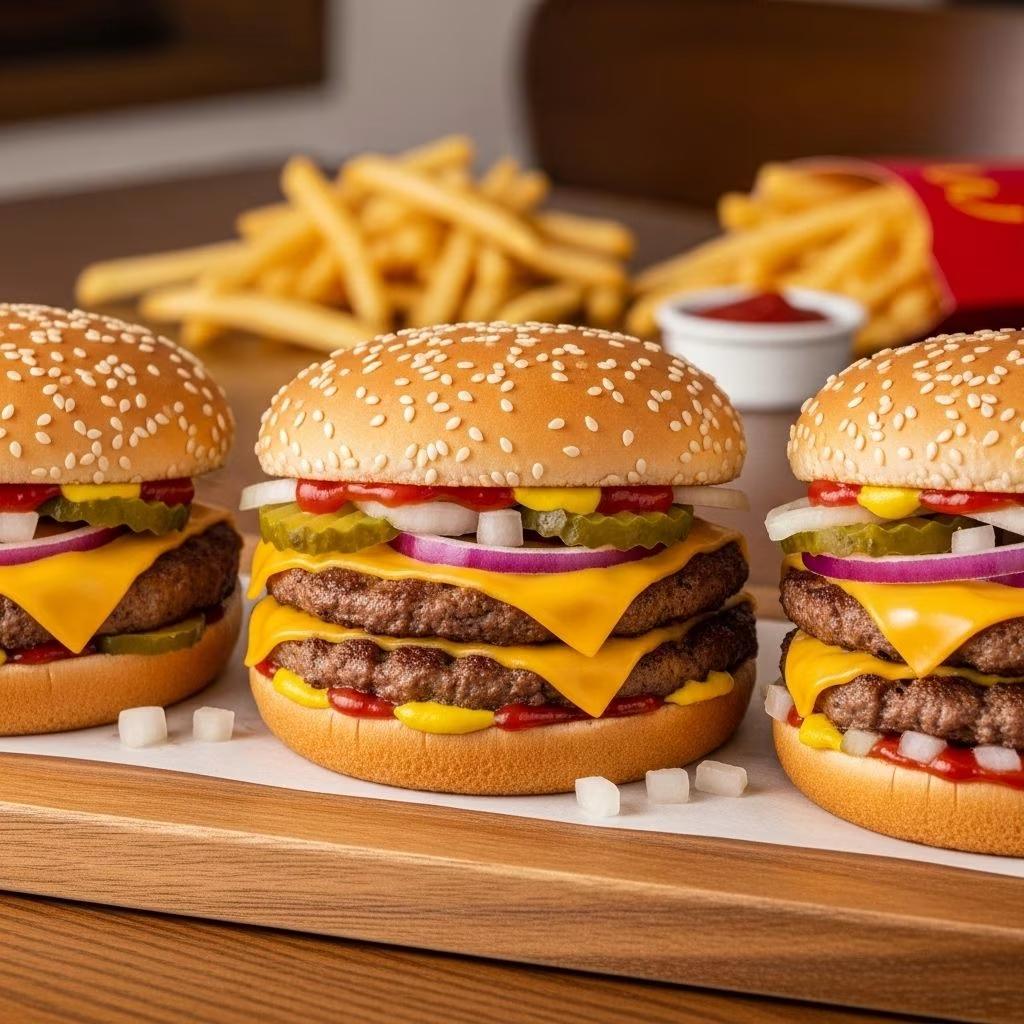
Lay these burgers out next to one another, and the first thing you notice isn’t size—it’s the layering and melt of the cheese and meat.
- The Cheeseburger looks squat and compact, with condiments visible underneath the bun lid. The package is unpretentious, resembling the pure idea of a fast-food burger.
- The McDouble is slightly thicker due to the twin patties stacked atop each other. However, the single cheese slice often gets lost amid the meat, adding a subtle creaminess but not overwhelming the beef flavor.
- The Double Cheeseburger is visually the most appealing of the three: its cheese is generously distributed between both patties, resulting in oozy melt and perfect layering. It’s not much larger but feels richer and structurally more stable, as the cheese glues the elements together.
Photographic Evidence
High-resolution burger cross-sections highlight the subtle interplay between patty, cheese, and condiments. In every case, the toppings (pickles, onions, ketchup, and mustard) provide a necessary acidity and crunch, while a swipe of American cheese rounds out the experience.
Flavor Analysis: Tasting Notes from Bun to Patty
Despite shared heritage and ingredient lists, each burger elicits a unique palate response. Here’s a breakdown of the tasting experience:
Cheeseburger
- Bun: Sweet and pillowy, offering gentle resistance before yielding to fillings.
- Patty: Thin, salty, and cooked firm—a carrier for the iconic beefy, processed flavor profile of McDonald’s.
- Cheese: Creamy, slightly tangy American cheese supplies just enough melt and fat to moisten the patty.
- Acidity: Pickles, diced onions, ketchup, and mustard cut through the richness and brighten the sandwich, balancing every bite.
- Overall: Familiar and comforting, but modest in size and heft; best for quick cravings or alongside fries.
McDouble
- Bun: Same as cheeseburger, but just barely able to contain the double-meat stack.
- Patties: Two slim beef discs stacked with the lone slice of cheese melting between them. The cheese presence is subtler than the double cheeseburger, making the meat flavor dominant.
- Flavor Balance: Enhanced beefiness, as the single cheese slice acts more as a lubricant than a flavor bomb. Onions and pickles retain their crunch, but richer meat flavor runs the show.
- Overall: Prized for value and protein content, but can border on dry if the patties are slightly overdone or the cheese melts unevenly.
Double Cheeseburger
- Bun: Pushed to its limits by the double patty and double cheese—firm but fragile.
- Patties: Two beef patties, taste and texture similar to McDouble, but elevated by extra cheese.
- Cheese: Two slices, perfectly positioned to ooze between patties and meld around toppings. The cheese provides noticeable tang and creaminess.
- Flavor Balance: Best harmony of beef, cheese, and acidity. The ratio ensures there’s never a dry bite, and the sandwich feels decadent without being over-the-top.
- Overall: The closest thing to an ‘upgrade’ in the classic McDonald’s burger canon without escalating cost or complexity.
Condiments: Critical for Balance
All three burgers lean heavily on the trinity of ketchup, mustard, onions, and pickles to provide zing and texture. The acidity of pickles and ketchup cuts through the fat, while onions offer aromatic crunch. The spread is measured, never excessive, ensuring each bite remains familiar and manageable.
Value Discussion: Which Burger Offers the Best Bang for Your Buck?
| Burger | Avg. Price (USD) | Calories | Cheese Per Dollar | Patties Per Dollar |
|---|---|---|---|---|
| Cheeseburger | $1.49 | 300 | ~0.67 | ~0.67 |
| McDouble | $2.19 | 390 | ~0.45 | ~0.91 |
| Double Cheeseburger | $2.79 | 450 | ~0.72 | ~0.72 |
Pricing varies by region and location, but generally:
- Cheeseburger: The most affordable, ideal for cost-conscious diners or those seeking a snack.
- McDouble: Priced slightly above the cheeseburger but offers a better meat-to-dollar ratio.
- Double Cheeseburger: Commands a further premium, primarily for the double cheese, and delivers top-tier decadence.
Ultimately, the McDouble is often seen as the best pure value by those seeking maximum meat content per dollar, while the Double Cheeseburger offers the richest taste and texture for a modest cost increase. The Cheeseburger remains unbeatable for simplicity and nostalgia.
Nutritional Information
| Burger | Calories | Total Fat (g) | Sodium (mg) | Protein (g) |
|---|---|---|---|---|
| Cheeseburger | 300 | 12 | 720 | 15 |
| McDouble | 390 | 18 | 850 | 22 |
| Double Cheeseburger | 450 | 23 | 1050 | 25 |
All burgers deliver high protein and satisfying fat levels for their size. Sodium is relatively high—standard for commercial fast-food—but the overall caloric load stays manageable for occasional indulgence.
Frequently Asked Questions (FAQs)
Q: What sets the McDouble apart from the Double Cheeseburger?
A: The Double Cheeseburger includes two slices of American cheese, while the McDouble only has one. Otherwise, both have two beef patties and the same condiments.
Q: Why does the McDouble often cost less?
A: By omitting one slice of cheese, McDonald’s can position the McDouble as a budget-friendly alternative to the Double Cheeseburger, allowing greater meat value for less cost.
Q: Are there significant taste differences between the three?
A: Yes. The extra cheese in the Double Cheeseburger provides more creaminess and tang, enhancing flavor cohesion. The McDouble tastes beefier but slightly drier due to less cheese, while the Cheeseburger offers a classic, balanced salty-sweet bite with a single patty.
Q: Which burger is best for a light snack?
A: The Cheeseburger is smallest in size and calorie load, making it best suited for lighter appetites.
Q: Can you customize these burgers?
A: Absolutely. McDonald’s allows you to add or remove condiments, extra cheese, or patties to suit your preferences, though customizations may affect price and nutritional values.
Final Thoughts
The Cheeseburger, McDouble, and Double Cheeseburger each embody a unique solution to the eternal fast-food burger debate—balancing taste, texture, and value. Whether you’re seeking nostalgic simplicity, meaty bang-for-your-buck, or decadent cheese-driven richness, McDonald’s offers a burger to match. Next time you find yourself at the counter, consider what you crave: pure beef, pure cheese, or cost-effective protein. You’re only ever one bite away from fast-food comfort food perfection.