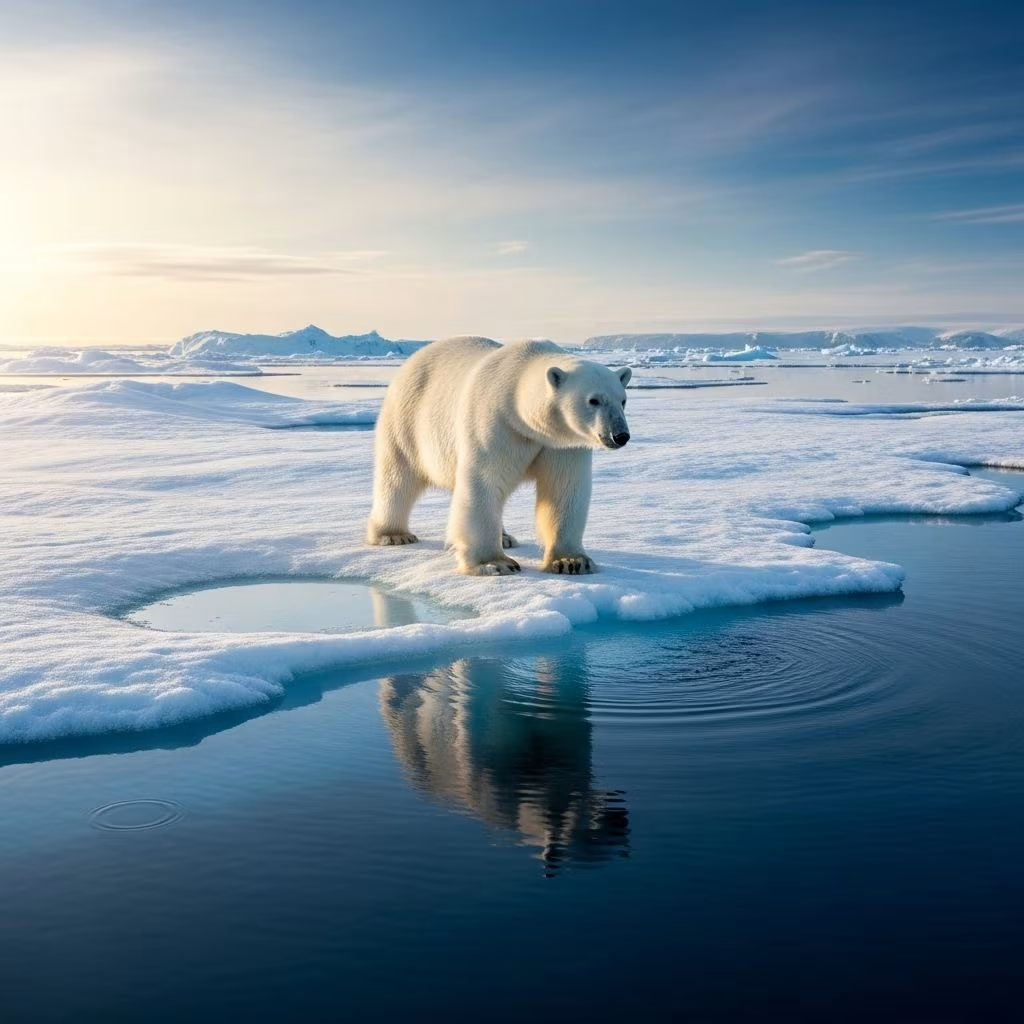
International Polar Bear Day: Raising Awareness for a Fragile Arctic Icon
Every year, on February 27, people around the globe come together to raise awareness for one of the Arctic’s most majestic yet vulnerable inhabitants: the polar bear. International Polar Bear Day is an annual event designed to highlight the plight of polar bears, educate the public about the challenges facing these creatures, and inspire action to secure their future.
Why International Polar Bear Day Exists
International Polar Bear Day was founded by Polar Bears International to coincide with the period when polar bear mothers and cubs are denning, a critical and vulnerable phase in their lifecycle. The event serves as both a celebration of these animals and a reminder of the threats posed by climate change, habitat loss, and human activity. Its objectives include:
- Raising public awareness of the conservation status and challenges facing polar bears.
- Encouraging individual and collective action to reduce carbon emissions and mitigate climate change.
- Educating communities about the impact of global warming on polar bear populations.
- Highlighting the importance of Arctic ecosystems for polar bears and other wildlife.
The Importance of Polar Bears
Polar bears are more than just charismatic symbols of the Arctic; they play a crucial role in the ecosystem as top predators. Their survival reflects the health of the wider environment:
- Key indicator species: Polar bears are sensitive to changes in sea ice and climate, serving as barometers for environmental health.
- Marine food web: As apex predators, they help regulate the populations of seals and other marine animals.
- Cultural significance: Revered across Arctic nations, polar bears are integral to local traditions and biodiversity.
Threats Facing Polar Bears
The challenges confronting polar bears have intensified due to human-driven climate change and industrial activities:
- Melting Sea Ice: Polar bears depend on sea ice for hunting, traveling, breeding, and denning. With Arctic ice shrinking at alarming rates, they face difficulties in finding food and shelter.
- Starvation and Habitat Loss: Depleted sea ice leads to reduced access to seals and increased risk of starvation, as well as disrupted denning and breeding grounds.
- Commercial Activities: Oil and gas exploration, mining, shipping, and tourism invade critical polar bear habitats, further threatening their survival.
- Climate Change: Rising temperatures cause earlier melting of sea ice, reduce fat reserves, and make cub survival increasingly difficult.
- Overhunting and Human Conflict: Although hunting is regulated in many nations, historic and unregulated hunting has previously impacted populations.
Threat Status Table
| Threat | Impact on Polar Bears |
|---|---|
| Melting Sea Ice | Loss of hunting grounds, starvation, disrupted denning |
| Industrial Activity | Habitat encroachment, pollution, noise disturbance |
| Climate Change | Temperature rise, faster ice melt, increased cub mortality |
| Overhunting | Reduced populations, genetic bottleneck |
Polar Bear Biology and Lifecycle
Polar bear cubs are born in winter dens hidden beneath the snow. At birth, they weigh a little over one pound, are blind, and have only light fur to shield them from the cold. Entire families remain in the safety of the den until spring, when the cubs are large enough to survive rigors of the harsh Arctic conditions. Denning is the most critical and vulnerable period in a polar bear’s life, and disruptions during this time can threaten the survival of entire families.
Global Status: Are Polar Bears Endangered?
The International Union for Conservation of Nature (IUCN) classifies polar bears as vulnerable, meaning their populations are at risk and could decline by a third within the next three generations if current temperature increases persist. Several countries, including the US, Denmark, Norway, and Russia, recognize polar bears as endangered or vulnerable, regulating hunting and supporting protection efforts.
International Polar Bear Day: How It’s Observed
Observance of International Polar Bear Day takes many forms, from community action to educational events:
- Zoos and museums host special programs on polar bear conservation, offer exhibit tours, and promote educational materials.
- Online campaigns encourage information sharing via social media, with hashtags like #InternationalPolarBearDay raising global visibility.
- Political impact: Advocates use the day to urge governments to take climate action, such as lower carbon emissions or pass environmental legislation.
- Personal action: Individuals commit to reducing their carbon footprint—adjusting thermostats, choosing sustainable transport, and conserving energy at home.
- Community toolkits: Groups use structured plans to reduce their impact, such as community cleanups or energy conservation challenges.
Why Conservation Action Is Urgent
International Polar Bear Day serves as a poignant reminder of the interconnectedness between polar bears, the environment, and humanity. As Arctic summers potentially become ice-free in coming decades, the survival of each cub and denning family grows even more critical. By taking informed action—at home, in communities, and in politics—people can help preserve polar bears for future generations and safeguard Earth’s fragile ecosystems.
How You Can Help This International Polar Bear Day
Simple Ways to Make a Difference
- Reduce your carbon footprint: Use less energy, choose sustainable transport, and insulate your home to conserve heat.
- Support conservation groups: Donate to or volunteer with organizations working to protect polar bears and Arctic habitats (such as Polar Bears International).
- Spread the word: Share information and participate in digital campaigns using the hashtag #InternationalPolarBearDay to increase awareness globally.
- Educate yourself and others: Learn more about polar bears, climate change, and environmental actions; teach friends and family about the importance of conservation.
- Advocate for policy change: Contact elected officials to support strong climate action and wildlife protection laws.
- Get creative: Use artwork, stickers, or social media profile frames provided by conservation organizations to promote the cause.
Community Action Toolkit Highlights
- Thermostat Challenge: Lower your thermostat in winter and raise it in summer to save energy.
- Electronics Rule: Unplug or turn off electronics when they’re not in use to reduce energy consumption.
- Transportation Choices: Walk, bike, or use public transport to lessen your carbon emissions.
- Bike for Bears: Organize or join cycling events that support conservation awareness.
Frequently Asked Questions (FAQs)
Q: What day is International Polar Bear Day?
A: International Polar Bear Day is celebrated on February 27 every year.
Q: Where do polar bears live?
A: Polar bears inhabit countries around the Arctic Circle, including Canada, Russia, Greenland, and Norway.
Q: Do polar bears hibernate?
A: Unlike brown bears, polar bears do not hibernate; only pregnant females den for giving birth and raising young cubs.
Q: How fast can polar bears run?
A: Polar bears can run at speeds up to 24 miles per hour for short distances.
Q: Why are polar bears considered vulnerable?
A: Their vulnerability stems from decreasing sea ice, climate change, and habitat disturbance, which threaten their survival and ability to raise cubs.
Timeline: Milestones in Polar Bear Conservation
- Polar Bears International creates International Polar Bear Day: Through research and education, the event spotlights conservation every February 27.
- Recognition of conservation status: Polar bears officially recognized as endangered or vulnerable by several nations and the IUCN.
- Regulation of hunting: Commercial and subsistence hunting are regulated to protect populations.
- Global advocacy and education: International Polar Bear Day inspires global engagement, digital campaigns, and policy advocacy for a sustainable Arctic ecosystem.
Conclusion: The Call to Action
International Polar Bear Day is more than just a day for admiration or education—it’s a call to action for all who care about wildlife and the planet’s future. By understanding the role of polar bears in the Arctic, the threats they face, and the many ways each person can contribute, we can move toward a more sustainable world, ensuring that future generations can marvel at polar bears roaming the ice.
Celebrate this February 27th by making informed choices, supporting conservation, and sharing your voice for the protection of polar bears and their fragile Arctic home.