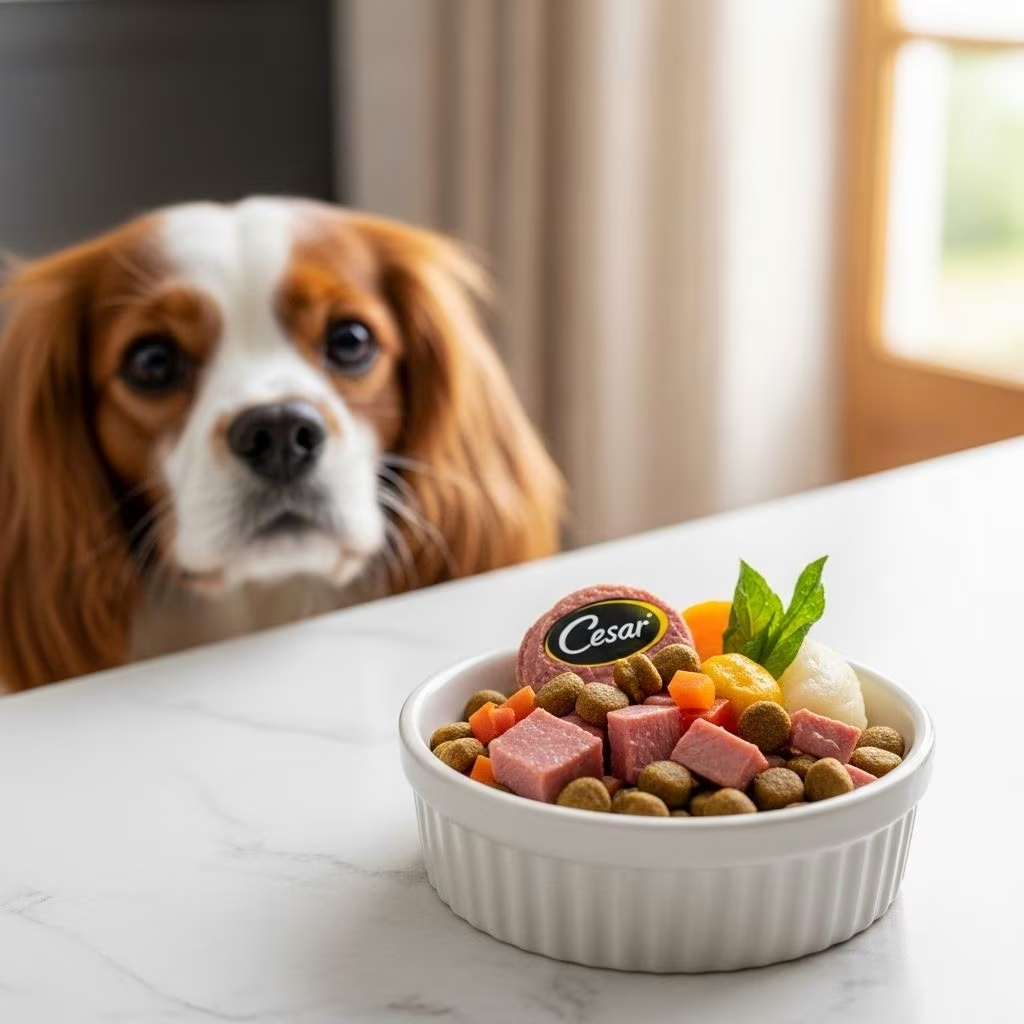
Is Cesar Dog Food Good for My Dog?
Dog owners everywhere want the best for their furry companions, and choosing the right food is a significant part of that responsibility. Cesar dog food has become a recognizable brand on pet store shelves, especially known for its small, single-serving wet trays and dry varieties targeting small breeds. But with growing consumer awareness and scrutiny over pet food ingredients, many are left wondering—Is Cesar food good for my dog? In this extensive analysis, we examine Cesar dog food’s ingredients, nutritional quality, benefits, drawbacks, expert opinions, and how it compares to other brands to help you make the most informed decision for your dog’s health.
Cesar Dog Food Ingredients: What’s Inside?
The foundation of any dog food’s quality lies in its ingredients. Let’s break down the primary contents in popular Cesar products—primarily the wet food line known as Cesar Classics—and discuss their significance for your pet’s health.
- Chicken: The first ingredient in many Cesar wet foods. It is a quality protein source, rich in essential amino acids required for canine health.
- Beef Lung: Organ meat, low in fat and high in protein. Provides nutrients not always present in muscle meat.
- Chicken Liver: Another organ meat, contributing vitamins, minerals, and a strong flavor that increases palatability.
- Chicken Broth & Water: Adds moisture and flavor. Chicken broth supplies only modest nutrition; water solely hydrates.
- Pork By-Products: Considered to be leftover parts of the pig after premium cuts are removed. These may include organs, but the quality varies widely. By-products are not inherently dangerous but can be less desirable than whole muscle meats.
- Cereals and Vegetable Derivatives: Some Cesar recipes include cereals with high glycemic indexes (carbohydrates that may cause rapid blood sugar spikes) and unspecified vegetable derivatives. Such non-specific ingredients can be problematic, especially for dogs with allergies or food sensitives.
- Minerals & Additives: Vitamins and minerals are added to meet balanced nutritional requirements. Gelling agents and unspecific additives are sometimes present in wet food for texture.
While Cesar’s ingredient list features quality animal proteins, less transparency in some recipes—especially the use of terms like “meat and animal derivatives” or “cereals”—raises questions for owners seeking higher quality or specific protein sources.
Nutritional Analysis: Protein, Fat, and More
To assess a dog food’s suitability, nutritional balance is crucial. The following nutritional breakdown is typical for Cesar Classics wet food:
| Nutrient | Percentage (Wet Basis) |
|---|---|
| Protein | 10.0% |
| Fat | 5.0% |
| Fibre | 0.4% |
| Ash | 2.0% |
| Moisture | 81.0% |
This composition offers a moderate protein and fat content, particularly suitable for small breeds or dogs that require lower daily caloric intakes. However, when the moisture is accounted for (i.e., on a dry matter basis), the protein and fat content would be much higher, making Cesar comparable to many standard wet foods. Cesar foods do tend to have higher moisture content, which can aid hydration.
Technological Additives and Other Ingredients
Some trays also use unspecified gelling agents and “technological additives,” which modify texture and shelf life but are not always fully disclosed.
Private Label and Ingredient Variability
Cesar food is considered a private label or “white label” product, meaning the company can source recipes from third-party manufacturers. This leads to:
- Potential for ingredient variability between batches
- Changes in texture, smell, or palatability due to different ingredient sources
Has Cesar Dog Food Changed Its Recipe?
Over the years, Cesar has made changes to its recipes. These adjustments are often due to:
- Ingredient Sourcing and Availability: Supply chain fluctuations can force temporary or even permanent adjustments to formulas.
- Nutritional Compliance: As pet food guidelines, research, and regulations evolve, companies may reformulate recipes to improve nutritional profiles or respond to consumer demand.
- Palatability Improvements: Brands occasionally tweak formulas to increase flavor or texture appeal.
Recipe changes can be beneficial if they improve nutritional content but may also introduce new allergens, flavors, or textures that may not suit all pets. For sensitive dogs, even slight changes can cause digestive upset or food refusal.
Benefits and Drawbacks of Cesar Dog Food
Feeding Cesar dog food comes with both advantages and disadvantages. Let’s examine them in detail:
Benefits
- Convenience: Small, easily stored trays minimize waste and make portion control simple, especially for small dogs or those with picky appetites.
- Palatability: Organ meats (liver, lung) and broths boost smell and taste, making Cesar food attractive to most dogs, including seniors or those recovering from illness.
- Moisture Content: High water content helps keep small dogs hydrated, which is especially important for dogs with dental issues or difficulty chewing dry kibble.
- Portioned Packaging: Suitable for portion control and helps with freshness every meal.
- Variety: Numerous flavor options and textures.
Drawbacks
- Ingredient Transparency: Use of broad ingredient names like “meat and animal derivatives” or “vegetable derivatives” reduces clarity. Owners can’t always know if a particular protein (e.g., beef, chicken, lamb) is the precise source in a given batch, which is a problem for dogs with sensitivities or allergies.
- Cereal Content: The use of cereals and grains as cheap fillers can lower nutritional value and is a concern for dogs prone to weight gain or dietary intolerance.
- By-Products: Pork by-products and other non-muscle meats are legal and not necessarily harmful, but their quality varies widely. For owners seeking exclusively muscle meat-based diets, this is a disadvantage.
- Potential for Digestive Issues: Unspecified ingredients can sometimes cause gastrointestinal upset in sensitive dogs.
- Not a Complete Diet for All Dogs: May not provide adequate nutrition for large breed puppies, working dogs, or dogs with special medical needs without supplementation.
- Price: Price per serving (especially for wet trays) can add up quickly compared to buying dry food in bulk.
Cesar vs. Other Dog Food Brands
When choosing a food, it’s important to see how Cesar compares to alternatives within the same price and convenience segment. Here’s a comparison table highlighting key differences:
| Aspect | Cesar (Wet) | Premium Wet Brand | Budget Dry Kibble |
|---|---|---|---|
| Main Ingredients | Chicken, organ meat, by-products, cereals | Muscle meat, organs, named vegetables/fruit | Grains, chicken/beef, by-products |
| Ingredient Specificity | Sometimes vague (“meat/animal derivatives”) | Clearly listed, single-protein sources | Often vague |
| Protein Content | ~10% (wet basis, higher on dry matter) | 10–12% (wet basis) | 18–25% (dry) |
| Fat Content | ~5% (wet basis) | 5–8% (wet basis) | 8–16% (dry) |
| Cereal Content | Often present | Rare/absent | Usually high |
| Cost | Moderate | High | Low |
| Best For | Small, fussy, or senior dogs | All life stages, dogs with allergies | Large breeds, budget-conscious |
Dog Owner Experiences and Expert Opinions
Many owners report their dogs enjoy Cesar’s aromas and flavors, largely due to the inclusion of livers and broths. The convenience of the packaging is a frequent positive, especially for those needing tightly controlled meal portions. However, some dog nutritionists and experienced owners advise caution:
- Nutrition experts tend to recommend foods with more specific, transparent ingredient lists for dogs with dietary issues.
- Homemade or premium dog foods are often favored for pets with chronic health issues or strict dietary requirements.
- Some owners using Cesar food as a primary diet for long periods report digestive upsets in sensitive dogs, likely due to variable and sometimes non-specific contents.
- Others blend Cesar trays as a topper mixed with high-quality kibble, benefiting from its taste appeal while supplementing with more balanced nutrition.
It’s important to remember that palatability does not always equate to optimal nutrition; not all dogs will thrive on the same formula.
Frequently Asked Questions (FAQ)
Is Cesar food suitable for all dog breeds?
Cesar’s small, portioned trays are designed primarily for small breeds but can be served to any dog as a treat or meal supplement. For puppies, large breeds, or dogs with medical conditions, consult your veterinarian before making it a dietary staple.
Can Cesar food cause allergies?
The inclusion of generic animal derivatives and cereals could potentially trigger allergies in sensitive or food-intolerant dogs. If your dog shows signs of itching, vomiting, or diarrhea following any new food, discontinue use and seek veterinary advice.
Is Cesar dog food grain-free?
Most Cesar recipes are not grain-free—they often contain cereals and other carbohydrate sources. Read the ingredient label for each specific recipe.
Should I feed Cesar food as my dog’s sole diet?
Cesar can be part of a balanced canine diet but may not supply complete nutrition for all life stages or health conditions. For optimal results, many owners use it as a meal topper or occasional treat, alongside more nutritionally robust foods.
What are the alternatives if my dog doesn’t tolerate Cesar?
Consider dog foods with single-protein sources, limited ingredient diets, or premium wet foods that offer full transparency. There are also home-cooked and raw diet options for pets with complex dietary requirements.
Conclusion: Should You Feed Cesar Food to Your Dog?
In summary, Cesar dog food is a convenient, palatable option best suited for small breeds or as an occasional meal topper for fussy eaters. Its inclusion of real animal proteins and flavor enhancers makes it attractive, but the use of vague ingredient terminology, presence of grains, and batch-to-batch variability may be a downside for pets with allergies, food sensitivities, or those needing strict dietary regimens. For dogs with no known dietary issues, occasional feeding as part of a varied diet is unlikely to cause harm. If you require a consistent, hypoallergenic diet, or want to avoid by-products and cereals altogether, consider alternatives with clearer labeling and higher nutritional value.
Above all, monitor your dog’s health, coat condition, and digestive comfort when trying any new food, and consult your veterinarian to tailor nutrition to your pet’s individual needs.
References
- https://www.dogfoodadvisor.com/dog-food-reviews/cesar-classics-wet/
- https://www.youtube.com/watch?v=uXIBg2pkWSU
- https://www.allaboutdogfood.co.uk/dog-food-reviews/0218/cesar-classics
- https://www.houndsy.com/blogs/pupdiet/has-cesar-dog-food-changed-its-recipes-understanding-the-evolution-of-a-beloved-brand
- https://www.houndsy.com/blogs/pupdiet/is-cesar-dry-dog-food-good-for-dogs-a-comprehensive-review