Simple Vegan Meatballs
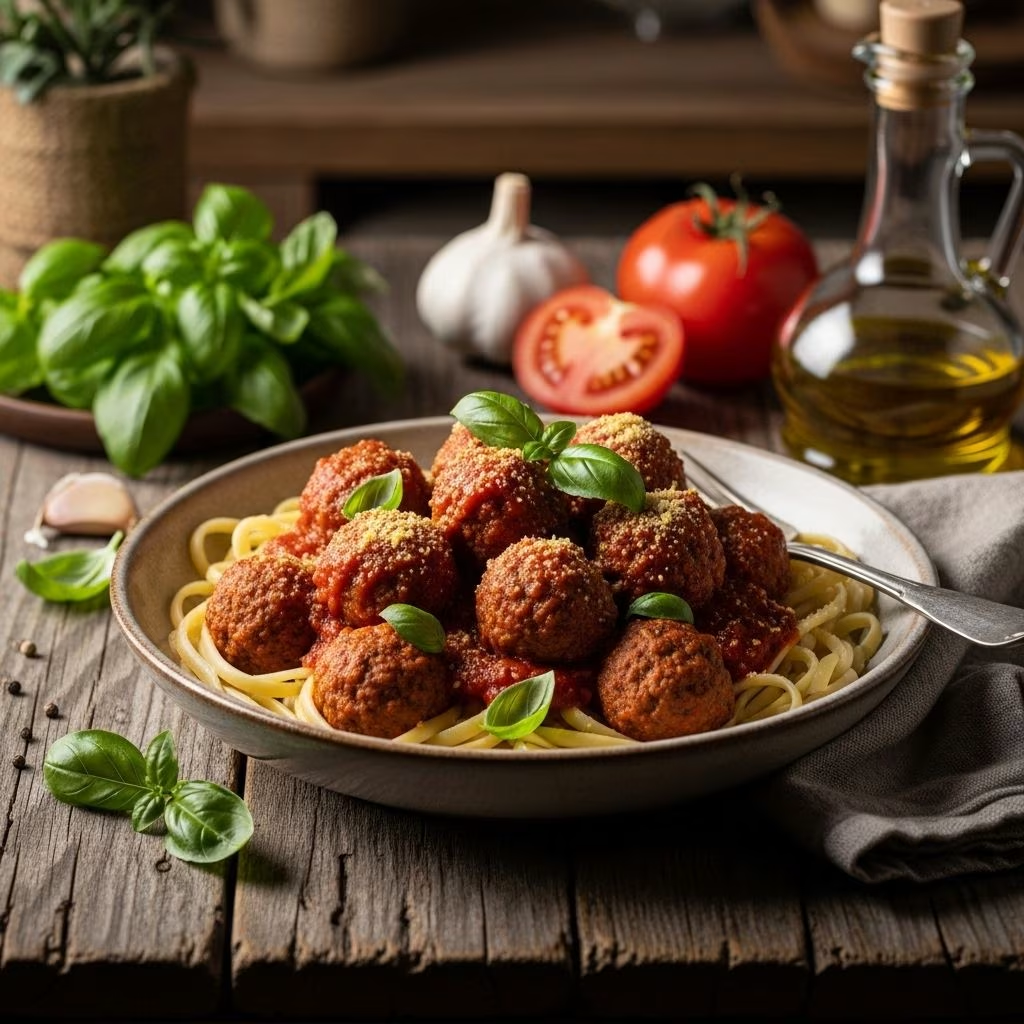
Vegan cuisine continues to delight the palate with creative alternatives to old favorites. This simple vegan meatballs recipe delivers all the savory satisfaction of traditional meatballs, using a blend of tempeh, herbs, and vegan parmesan to recreate the classic in a wholesome, plant-based package designed for both weeknight dinners and special occasions. Enjoy these meatballs atop pasta, tucked in subs, or served as hearty appetizers at any gathering.
Why Vegan Meatballs?
- Healthier alternative: Lower in saturated fat and cholesterol compared to animal-based meatballs.
- Rich in protein and fiber: Tempeh and even chickpea alternatives ensure ample nutrition.
- Simple ingredients, big flavor: A modest pantry list yields deep flavors thanks to herbs, spices, and tomato sauce.
- Diet and allergy-friendly: Easy to make gluten-free and nut-free for diverse diets.
Ingredients
This recipe comes together with just 10 essential ingredients plus some simple seasonings, making it both approachable and highly adaptable for cooks of all skill levels.
For the Meatballs
- 1/2 cup white onion, minced
- 3 cloves garlic, minced
- 1 tablespoon flaxseed meal (for flax egg)
- 2 ½ tablespoons water (for flax egg)
- 8 ounces tempeh
*Substitution: 1 heaping cup rinsed and drained chickpeas - 1/3 cup vegan parmesan cheese
- 2 teaspoons Italian seasonings
Or 1/2 teaspoon each dried basil and oregano - 1/4 cup fresh parsley (optional)
- 1/2 cup vegan bread crumbs
Use gluten-free if desired; almond meal can substitute for crumbs - 2 tablespoons tomato or marinara sauce
- Olive oil (for sautéing)
- Salt and pepper, to taste
For Coating
- 1/3 cup vegan bread crumbs (gluten-free as needed)
- 1/3 cup vegan parmesan cheese
Step-by-Step Preparation
Serve these meatballs with freshly cooked pasta and your favorite marinara, topped with more vegan parmesan and herbs. The process is straightforward, making this recipe an excellent option for beginners and weeknight cooks alike.
1. Prepare the Flax Egg
- In a small bowl, whisk together 1 tablespoon flaxseed meal and 2 ½ tablespoons water.
- Set aside to thicken; this mixture will bind the meatballs, replacing a traditional egg.
2. Sauté the Aromatics
- Heat a drizzle of olive oil in a large skillet over medium heat.
- Sauté onion and garlic until tender and fragrant (about 3-5 minutes).
- Allow to cool slightly.
3. Prepare the Tempeh
- Crumble tempeh with your hands or a fork, breaking it down for easier binding. Alternatively, pulse in a food processor for a finer texture.
- If preferred, steam or boil the tempeh for about 15 minutes beforehand to neutralize its stronger flavor (optional—most do not find it necessary).
- Chickpea Option: Substitute tempeh with chickpeas for a soy-free version; follow the same texture preparation.
4. Combine Ingredients
- In a large mixing bowl, combine the sautéed onion and garlic, crushed tempeh (or chickpeas), vegan parmesan, Italian seasonings, parsley (optional), vegan bread crumbs, tomato sauce, and flax egg.
- Season generously with salt and pepper.
- Mix until a dough forms that holds together when pressed; add more bread crumbs if the mixture is too wet or more tomato sauce if too dry.
5. Form and Coat the Meatballs
- With slightly damp hands, roll the dough into 1–1.5 inch diameter balls (yields about 12-14 balls).
- Mix together the coating bread crumbs and parmesan on a shallow plate. Roll each meatball in this mixture for a crispier baked shell.
6. Sauté/ Bake
- Heat a skillet with another drizzle of olive oil over medium heat.
- Gently sauté the meatballs until golden on all sides, about 5 minutes total. For a lighter option, transfer them to a lined baking sheet and bake at 375 F (190 C) for 20 –25 minutes, turning once at the halfway point.
- The exterior should be crisp and the inside firm but tender.
7. Serve
- Spoon over cooked pasta and marinara sauce.
- Top with extra vegan parmesan and fresh parsley.
Nutritional Highlights
| Nutrient | Estimated per Meatball |
|---|---|
| Calories | Approx. 50-70 |
| Protein | 2-3g |
| Fiber | 1-2g |
| Fat | 2-4g |
| Carbohydrates | 4-6g |
Nutrition information is approximate and will vary based on ingredients used and serving size.
Customization Tips & Variations
- Make it gluten-free: Use certified gluten-free bread crumbs or substitute almond meal.
- Soy-free option: Chickpeas can replace tempeh in equal measure, yielding a mild, hearty result.
- Nut-free option: Check bread crumbs and vegan parmesan ingredients for nut content.
- Make ahead: Prepare mixture, shape, and refrigerate (uncooked) up to 2 days in advance. Bake just before serving.
- Freeze: After baking, cool completely, then freeze in an airtight container for up to 1 month. Reheat in the oven until hot.
Serving Suggestions
Vegan meatballs are incredibly versatile. Beyond classic spaghetti, try these ideas:
- Sub sandwich: Pile meatballs into a toasted baguette, top with marinara and vegan cheese for a hearty vegan sub.
- Appetizers: Serve meatballs on toothpicks with a side of dipping sauce for party snacks.
- Salad topping: Crumble warm meatballs over a mixed green salad for protein and crunch.
- Pizza: Add meatball slices atop pizza before baking for a fun fusion.
Frequently Asked Questions
Q: Can I use something other than tempeh?
A: Absolutely. Chickpeas are the recommended substitute, maintaining a similar firm texture and flavor profile.
Q: How do I store leftovers?
A: Leftover meatballs can be stored in an airtight container in the refrigerator for 2 –3 days. For best texture, reheat in a hot skillet or oven.
Q: Are these suitable for freezing?
A: Yes. Freeze cooked and cooled meatballs in a single layer, then transfer to a bag or container for up to 1 month. Reheat straight from frozen in the oven.
Q: Can I bake instead of fry?
A: Both methods work well. Baking reduces oil and results in a crisp, evenly cooked exterior.
Q: How do I make these meatballs extra firm?
A: Let the meatballs rest for a few minutes after baking or sautéing—this allows the structure to set. Using enough bread crumbs and not over-processing the mixture also helps.
Pro Tips for Success
- Don’t over-mix: For the best texture, combine the ingredients until just mixed. Over-mixing can lead to a dense or gummy meatball.
- Test seasonings: Fried a mini patty first and taste to adjust herbs, salt, and pepper before shaping all the meatballs.
- Uniform sizing: Roll meatballs to a consistent size for even cooking.
- Crispier result: Give the meatballs extra time on the skillet, rotating gently for even browning, or place them under the broiler for 1-2 minutes after baking.
Why This Recipe Works
- Simplicity: Ten ingredients, clear steps, and pantry-friendly choices.
- Nutrition: A balance of protein, fiber, and healthy fats for a satisfactory meal.
- Flavor: Depth from sauteed aromatics, fresh parsley, and robust Italian seasonings.
- Customizable: Easy to adapt based on dietary restrictions or available ingredients.
Related Recipes
- The Best Vegan Meatballs: Try a version with black beans and quinoa for a different protein base and texture.
- Sun-Dried Tomato & Basil Vegan Meatballs: Chickpeas, sun-dried tomatoes, and basil create a Mediterranean-inspired twist.
- Easy Lentil Meatballs: Green lentils, Italian herbs, and gluten-free flour combine for a hearty and tender spin.
Final Thoughts
These simple vegan meatballs deliver everything you want in a comfort food staple: easy preparation, nourishing ingredients, and flexibility for every taste and occasion. Whether you are plant-based or simply looking to add more creative, protein-rich dishes to your routine, this recipe is sure to satisfy and inspire. Pair with pasta for a classic meal, or innovate with subs and salads for fresh new flavors all week long.