Border Collie Dog Breed Overview
The Border Collie stands out among dog breeds for its exceptional intelligence, boundless energy, and unwavering work drive. Originating as a premier sheepdog on the Anglo-Scottish border, Border Collies have become highly valued not only for herding livestock but also for excelling as athletic companions in active households. This guide explores their heritage, physical traits, temperament, health considerations, training needs, and suitability for diverse lifestyles.
Breed Origins and History
Border Collies hail from the Anglo-Scottish border region, where they emerged as the quintessential herding breed. Their lineage can be traced to traditional British Isles sheepdogs, bred for stamina, intelligence, and responsiveness to shepherds’ commands. Over time, they became indispensable partners to farmers, adept at managing flocks across rugged, hilly terrain.
Today, Border Collies are celebrated not just as working sheepdogs but also as companions, excelling in competitive sheepdog trials, agility contests, and obedience competitions.
Border Collie Appearance
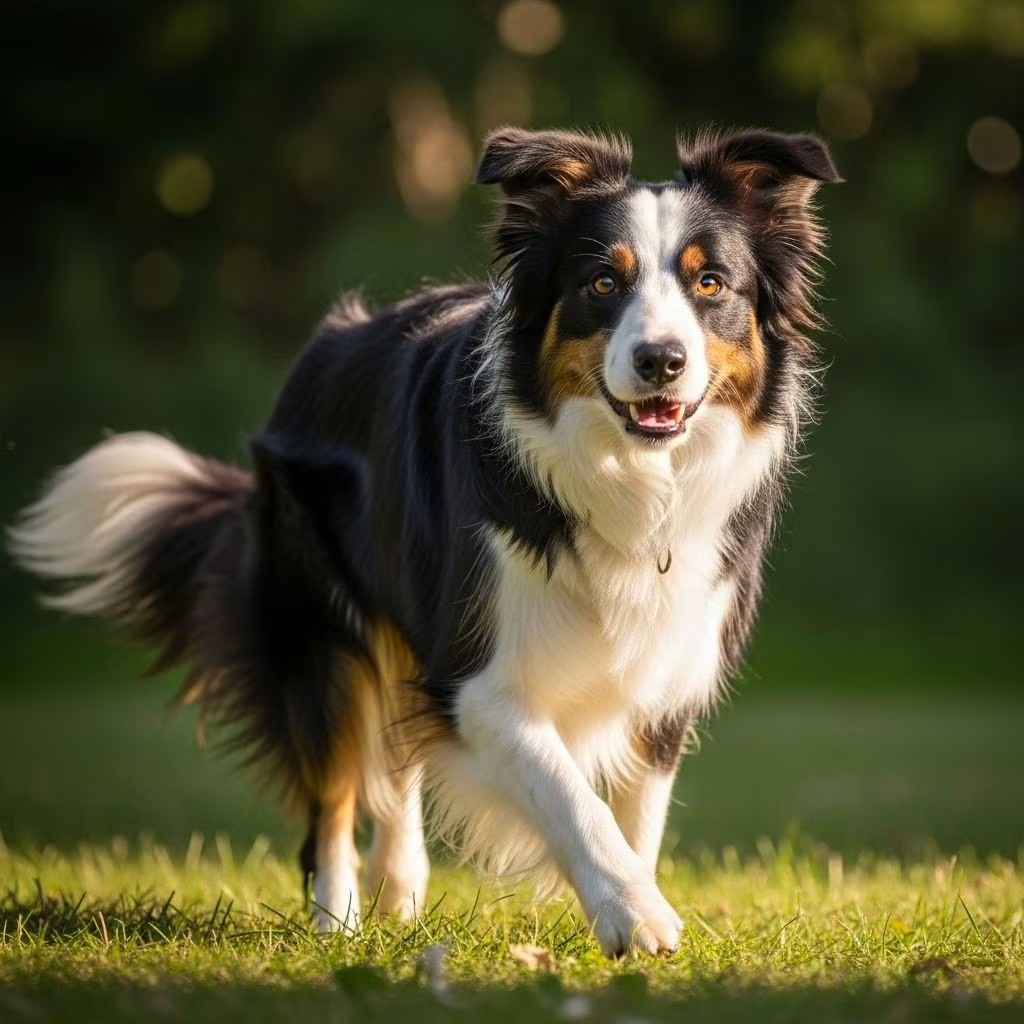
Border Collies epitomize agility and athleticism in their balanced, medium-sized frames. Their overall look is functional, built for grace, speed, and endurance across challenging landscapes.
- Size: Males stand 19–22 inches tall and weigh 35–45 pounds; females stand 18–21 inches, weighing 30–40 pounds.
- Body: Slightly longer than tall, with a streamlined, fluid silhouette ideal for rapid directional change.
- Head and Expression: Well-proportioned, with expressive eyes—usually dark, but blue or odd-colored eyes are found in merles. Ears may stand fully pricked or have tips that fold over, reflecting alertness and attentiveness.
- Tail: Moderately long, feathered, typically carried low with an upward swirl at rest or when in action.
- Coat: Double-coated, either smooth (about one inch) or rough (up to three inches). The coat is weather-resistant and may have a prominent mane and tail in longer-haired varieties.
- Color: Most often black and white, but also found in blue merle, red and white, tricolor, and other variations, often with unique facial or collar markings.
Border Collie Personality & Temperament
At their core, Border Collies are intelligent, energetic, and responsive. They form powerful bonds with their handlers and thrive when given purpose. Key traits include:
- Intelligence: Considered among the most intelligent of all canine breeds, Border Collies quickly grasp new commands and tasks, sometimes exceeding their handler’s ability to keep them stimulated.
- Work Drive: These dogs are natural workers. They crave activity, mental stimulation, and meaningful tasks—such as herding, agility challenges, or advanced obedience routines.
- Sensitivity: Highly attuned to their handlers, Border Collies respond to subtle cues—whether vocal, whistled, or gestural.
- Energy Level: Incredibly lively, often needing hours of daily exercise and engagement. If not occupied, they may develop problem behaviors such as barking, digging, or chasing moving objects.
- Strong Instincts: The herding drive is powerful, sometimes resulting in chasing or “herding” children, pets, or vehicles in the absence of livestock.
- Loyalty and Affection: Though reserved with strangers, Border Collies are loyal and deeply affectionate with their families, often protective and watchful over children.
- Sociability: Early socialization is crucial; without it, they may become shy, reserved, or reactive.
Border Collie Key Traits (Table)
| Trait | Description |
|---|---|
| Size | Medium; males 19–22 in/35–45 lb, females 18–21 in/30–40 lb |
| Coat | Double; smooth or rough, weather-resistant |
| Color | Black & white, blue merle, red, tricolor, and more |
| Intelligence | Extremely high—requires mental stimulation |
| Activity Needs | Very high—requires regular intense exercise |
| Temperament | Alert, energetic, loyal, may be reserved |
| Skills | Herding, agility, obedience, dog sports |
Typical Activities and Suitability
Border Collies’ skills and drive make them excellent in a variety of canine pursuits beyond herding:
- Agility competitions
- Flyball and disc sports
- Competitive obedience and rally
- Herding instinct trials
- Therapy and service dog work (for active handlers)
- Family companion (for active, engaged homes)
Living with a Border Collie
Border Collies thrive best in environments where they can be both physically active and mentally engaged. They are generally better suited for:
- Active homes: Owners should be committed to long daily exercise, play, and training.
- Rural or suburban settings: Access to safe, secure outdoor spaces is ideal; apartments are only suitable if the dog’s exercise and mental needs are diligently met.
- Experienced owners: Their intelligence and sensitivity require confident, consistent leadership and positive reinforcement-based training.
Note: Boredom or insufficient stimulation often leads to destructive behaviors; these dogs are not content as couch potatoes.
Border Collie Health & Nutrition
The breed is generally healthy, with an average lifespan of 12–15 years, but they are predisposed to certain conditions:
- Hip Dysplasia: A hereditary condition that can affect the hip joints; responsible breeders test breeding stock.
- Collie Eye Anomaly (CEA): An inherited eye disorder common in collie breeds.
- Progressive Retinal Atrophy (PRA): Leads to gradual vision loss.
- Epilepsy: Occasional seizures of varying severity.
- Deafness: Most often associated with merle coloring.
- Allergies and sensitivity to certain drugs (such as ivermectin): These issues may crop up due to the breed’s specific genetics.
To mitigate health risks, choose reputable breeders who provide health screenings. Regular veterinarian visits, a balanced diet formulated for active breeds, and maintaining a healthy weight further support longevity and well-being.
Grooming and Maintenance
- Shedding: Moderate year-round, heavier during seasonal changes. Plan for weekly brushing; more frequent during shedding seasons.
- Bathing: Only as needed to avoid drying the coat’s natural oils.
- Other good habits: Routine checks for ears, trimming nails, and dental hygiene are essential.
Training and Socialization
Effective training and ongoing socialization are non-negotiable for Border Collies:
- Methods: Positive reinforcement, consistency, and early social exposure yield the best results—harsh training undermines their sensitive disposition.
- Challenges: Intelligent enough to outsmart inexperienced handlers; can become willful or reserved if not properly guided or challenged.
- Mental Stimulation: Provide advanced obedience, puzzle toys, or jobs around the house to keep their mind engaged.
Ideal Family Compatibility
Border Collies are loyal and affectionate with their families but might be best for households that:
- Lead an active or outdoors lifestyle
- Are committed to regular training, exercise, and mental stimulation
- Do not mind a dog with a strong herding impulse—especially in homes with children or other pets
- Have time and willingness for daily engagement, not just occasional walks
Finding and Caring for a Border Collie
If you decide a Border Collie suits your lifestyle, consider these guidelines:
- Contact breed-specific rescues, shelters, or responsible breeders committed to health testing and animal welfare.
- Prepare your home for an energetic dog—secure fencing, safe toys, and ready access to trainers if needed.
- Learn to recognize their cues and participate actively in daily engagement, whether structured sports or creative tasks.
Your investment in training, socialization, and health maintenance helps the Border Collie live up to its extraordinary potential.
Frequently Asked Questions (FAQs)
Q: Are Border Collies good with children?
A: Yes, Border Collies can be excellent with children, especially when raised with them. Supervision is necessary, and their herding drive may cause them to “round up” kids. Socialization and training help curb this behavior.
Q: Can Border Collies adapt to apartment living?
A: While not the ideal breed for apartment living, Border Collies can adapt if their need for intense exercise and mental stimulation is consistently met. Neglecting those needs leads to restlessness and behavioral issues.
Q: How much exercise does a Border Collie need?
A: Border Collies need vigorous, daily exercise—at least 1–2 hours of activity, plus challenges like agility games, fetch, or herding-like activities to keep their minds engaged.
Q: Are Border Collies difficult to train?
A: They are highly trainable due to their intelligence, but their energy and sensitivity require an experienced, consistent handler who uses positive reinforcement techniques.
Q: What are the most common health problems in Border Collies?
A: Look out for hip dysplasia, eye problems (such as CEA and PRA), epilepsy, and rare drug sensitivities. Regular veterinary care and genetic screening help minimize risks.
Key Takeaways
- Extremely intelligent and energetic—requires daily exercise and mental challenges.
- Best for experienced, active owners who understand the demands of the breed.
- Susceptible to certain genetic health conditions—choose breeders who health test adults.
- Legendary herding ability—instincts can appear outside herding work and must be carefully managed at home.
Conclusion
If you seek a dog that will not only keep up with your active lifestyle but also provide unmatched loyalty, companionship, and intelligence, a Border Collie could be your ideal companion. With thoughtful socialization, rigorous training, and love, these remarkable dogs will delight owners who can rise to the challenge of their unique needs and extraordinary talents.