American Bullweiler: An Expert Guide to the Loyal Bulldog-Rottweiler Mix
The American Bullweiler is a captivating crossbreed known for its robust strength, intelligence, and unwavering loyalty. Rooted in the powerhouse genetics of the American Bulldog and the Rottweiler, this breed offers experienced dog owners an affectionate, vigilant companion with an impressive physical presence. Though not suited for first-time pet parents, the Bullweiler thrives in active homes that can provide structure, stimulation, and firm leadership.
Breed Origins & History
The American Bullweiler is a designer breed, born from the union of two iconic canines: the relentlessly loyal American Bulldog and the formidable yet gentle Rottweiler. Both parent breeds have distinct backgrounds—Bulldogs originated as strong working dogs in the United States, while Rottweilers hail from Germany as diligent cattle herders and protectors. The combination yields a dog that is extremely energetic, loving, and fiercely protective of its family .
- Parent breeds: American Bulldog & Rottweiler
- Purpose: Companion, watchdog, family pet
- Rarity: Still an uncommon breed; not often found in shelters
Physical Characteristics
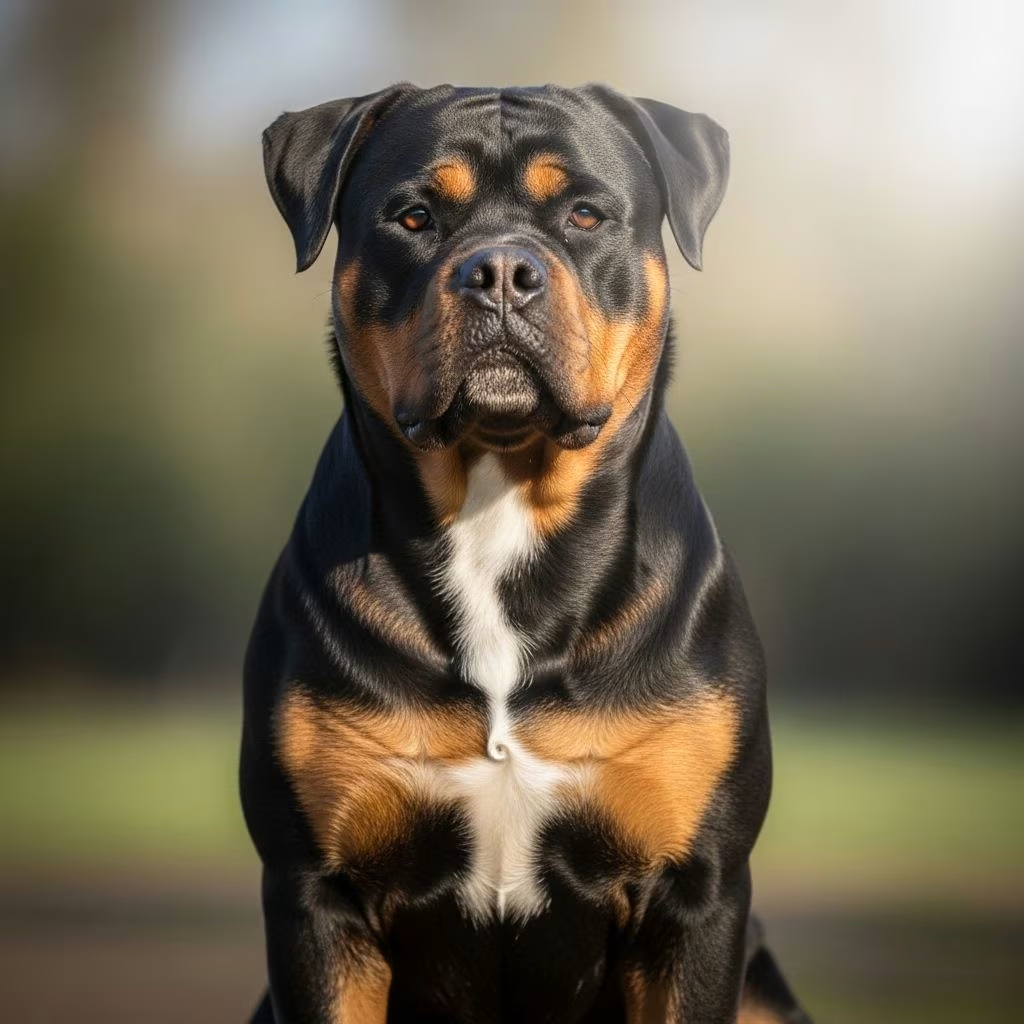
The American Bullweiler is notable for its muscular build, large head, dense coat, and striking resemblance to both its parent breeds. Most Bullweilers stand between 18–25 inches tall and weigh anywhere from 70–120 pounds, depending on sex and lineage .
| Feature | Description |
|---|---|
| Height | 18–25 inches |
| Weight | 70–120 pounds |
| Coat Type | Dense, short, stiff |
| Colors | Black, brown, tan, red, gold, white, yellow |
| Shedding | Moderate |
| Grooming | Low maintenance—occasional brushing, bathing as needed |
- Head: Deep, blocky, similar to Rottweiler
- Eyes: Typically dark, expressive
- Ears: Floppy, falling to the side
- Skin: May have some loose, wrinkly patches
Temperament and Personality
The American Bullweiler’s personality blends the playfulness and devotion of the Bulldog with the keen intelligence and loyalty of the Rottweiler. This breed is known for being:
- Loyal—forges deep bonds with family members and is particularly protective
- Intelligent—quick to learn commands and routines, but requires mental stimulation to prevent boredom
- Energetic—needs regular activity and thrives in homes where exercise and playtime are plentiful
- Affectionate—enjoys cuddling and attention; often described as a heavy lap dog despite its size
- Strong-willed—may exhibit a stubborn streak, making training with consistent, firm handling crucial
- Goofy & Playful—loves games, children, and interactive play; known to “prance” around the house
- Watchful—serves as an excellent guard dog, routinely patrolling the home and yard
Due to these traits, the Bullweiler is ideal for experienced dog parents who understand leadership, discipline, and structured training. Early socialization and obedience work are essential to channel their protective instincts positively .
Activity and Exercise Needs
This breed has a very high energy level and requires daily exercise to remain happy and healthy. Long walks, vigorous playtime, and mentally engaging activities are necessary to meet the Bullweiler’s demands. Without adequate stimulation, they may develop unwanted behaviors due to boredom .
- Activity Level: Very active
- Preferred activities: Running, playing fetch, agility exercises
- Behavior: Can cover significant ground when playing; loves interactive games
Family Compatibility
Despite their intimidating stature, American Bullweilers are deeply devoted to their families and get along well with children if properly socialized. They are protective but can be gentle playmates when raised around kids and other pets. Early exposure and training are critical to ensuring safe, friendly interactions .
- Kid Friendliness: Generally very friendly once socialized
- Affection Level: Highly affectionate to household members
- Other Pets: Can cohabit peacefully, especially if raised together. Dog aggression is rare when properly socialized, though some Bullweilers may be possessive of toys.
Suitability for First-Time Owners
The breed’s size, power, and stubborn streak make the American Bullweiler ill-suited for beginners or those without dog experience. Novice owners may struggle with their strong-willed nature and the need for consistent boundary-setting. An experienced, confident handler is the best fit .
- Not recommended for: First-time dog parents, those unable to provide strong leadership
- Recommended for: Active, experienced owners seeking an affectionate but protective companion
Training & Socialization
Firm, positive reinforcement-based training is the key to a well-behaved American Bullweiler. Early socialization helps curb the breed’s natural wariness of strangers and encourages good behavior with children and other animals. They respond well to structured routines and thrive when given mentally stimulating challenges .
- Training tips:
- Start socialization and basic obedience from puppyhood
- Use consistent commands and rewards
- Engage their intellect with puzzle toys and exercises
- Set clear boundaries to prevent possessiveness
Grooming & Care
One appealing trait of the Bullweiler is its low-maintenance grooming. Their dense, short coats shed minimally, requiring only occasional brushing and rare bathing—mainly to prevent skin irritations. Nail trimming and ear cleaning should be part of regular care routines .
- Brushing: Once or twice weekly to maintain coat and reduce loose hair
- Bathing: As needed—typically every few months
- Ear care: Clean regularly to prevent infection
- Nail trimming: Every 3–4 weeks
Health Considerations
The American Bullweiler is a robust breed, but like all dogs, can inherit health issues common to its parent breeds. Overall, this hybrid has no universally reported breed-specific diseases, though prospective owners should research the lineage’s health history to avoid hereditary conditions .
- Common health concerns:
- Hip and elbow dysplasia
- Skin allergies or irritations
- Obesity (due to large size and strong appetite)
- Lifespan: Typically 8–12 years
- Regular checkups: Annual vet visits recommended; track joint health and weight
Adoption & Buying Guide
American Bullweiler puppies are sometimes bred by designer breeders, though the practice is rare and should be approached with caution. Avoid breeders with suspicious circumstances or poor care environments, as this can lead to unhappy, unhealthy dogs .
- Adoption tips:
- Visit local shelters or breed-specific rescues
- Check for sound temperament and good health
- Ask about parent health and puppy socialization
- Avoid unethical “backyard breeders”
- Rescue advantage: Older Bullweilers may be available for adoption, often already spayed/neutered
Living Environment
This breed adapts well to spacious homes with secure yards or access to outdoor exercise. Apartments may be suitable if daily exercise routines are strictly maintained. Bullweilers need space to stretch and burn off energy—keeping them confined without activity leads to restlessness .
- Ideal home: House with fenced yard
- Apartment living: Possible with dedicated activity schedule
Breed Comparison Table
| Characteristic | American Bullweiler | American Bulldog | Rottweiler |
|---|---|---|---|
| Size | Large | Medium–Large | Large |
| Energy | Very High | High | Moderate–High |
| Trainability | Good (needs firm leader) | Good | Excellent |
| Guard Ability | Excellent | Strong | Exceptional |
| Family-Friendly | Yes (with socialization) | Yes | Yes |
Frequently Asked Questions (FAQs)
Q: Are American Bullweilers good with children?
A: Yes, they are generally friendly and playful with children, especially when socialized early and raised alongside kids. Supervision is recommended due to their size and strength.
Q: How much exercise does an American Bullweiler require?
A: They need daily vigorous exercise—multiple walks, active play, and mentally challenging activities to remain content.
Q: Are American Bullweilers easy to train?
A: With consistent, firm leadership they can be highly trainable. Their intelligence makes them quick learners, but their stubbornness requires patience.
Q: Do American Bullweilers shed much?
A: Bullweilers have moderate shedding; regular brushing helps control loose hair. Bathing is only necessary for skin health.
Q: What is their average lifespan?
A: Bullweilers typically live 8–12 years, depending on care, genetics, and overall health.
Final Thoughts
The American Bullweiler stands as a testament to what active, loving crossbreeds can offer experienced owners. With their blend of affection, power, and vigilance, Bullweilers reward attentive families with laughter, warmth, and unwavering protection. Remember, early training, exercise, and socialization are non-negotiable for this vibrant breed’s happiness and your peace of mind.