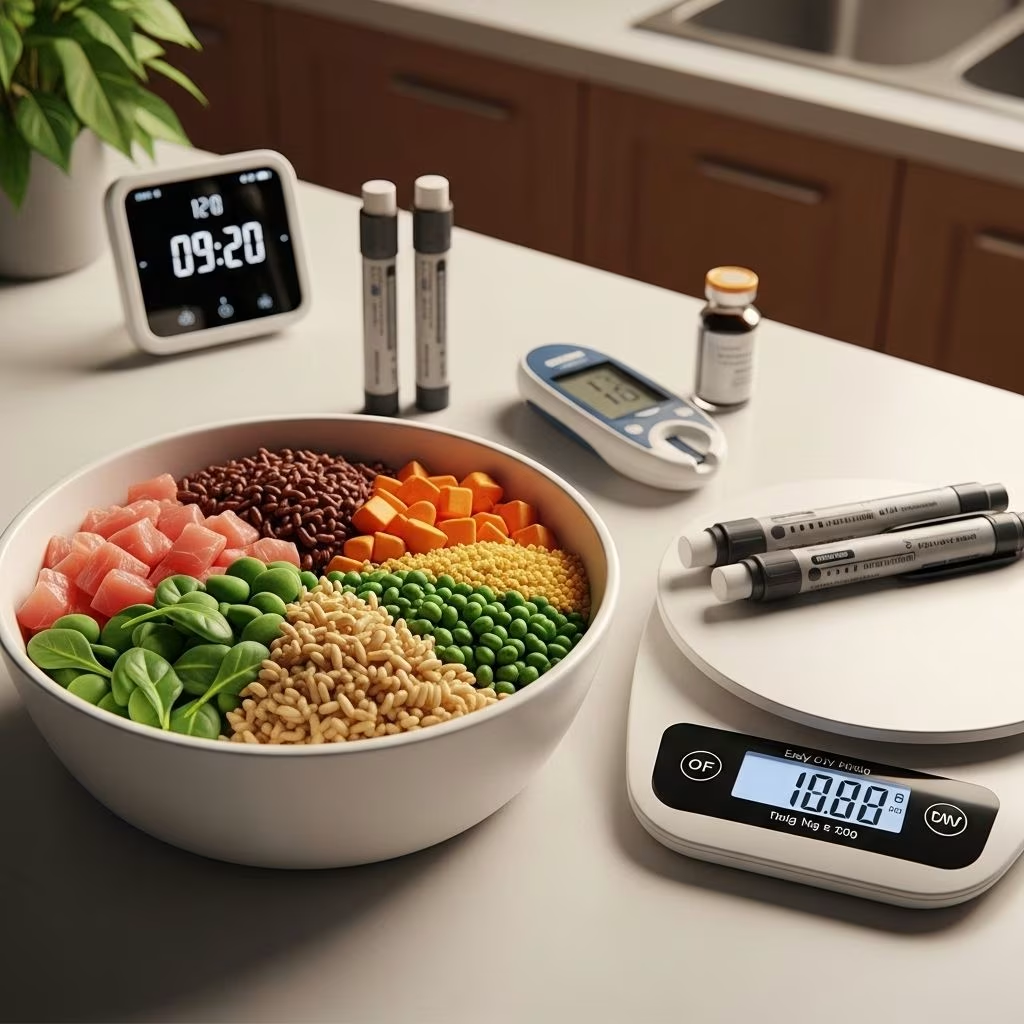
Feeding Dogs With Diabetes: Nutrition, Schedules, and Care Guide
Diabetes mellitus is a chronic condition affecting an increasing number of dogs, characterized by the body’s inability to regulate blood sugar due to insufficient insulin production. Diet plays a crucial role in managing canine diabetes, helping to stabilize blood glucose and support overall health. This guide details best practices for feeding diabetic dogs, including recommended foods, meal timing, ingredient choices, and ongoing monitoring methods.
Understanding the Basics of Canine Diabetes
Canine diabetes is predominantly Type 1—known as insulin-dependent diabetes. Type 2 diabetes is less common but can sometimes be prevented or managed by maintaining healthy body weight and lifestyle through proper nutrition and regular exercise.
Meal Timing and Feeding Schedule
A strict feeding schedule is paramount for diabetic dogs. Two well-balanced meals spaced 12 hours apart, with no snacking or food given between meals, helps maintain stable glucose levels and allows insulin regimens to work effectively. Irregular feeding patterns or unexpected treats can trigger dangerous spikes or drops in blood sugar, potentially leading to complications.
- Feed two meals per day, 12 hours apart.
- Do not give food between meals (no snacks, treats, or table scraps).
- Coordinate meal timing closely with insulin administration as directed by your veterinarian.
What Is the Best Diabetic Dog Food?
Choosing the right food for a diabetic dog requires understanding the role of fiber, starch, and protein in diet management:
- Starch: Rapidly digested carbohydrates that quickly raise blood glucose. Diabetic dogs need low-starch diets to avoid sharp glucose spikes after eating.
- Protein: Maintains muscle and supports immune function. High-protein diets help preserve muscle mass, especially since diabetic pets often break down fat and muscle for energy.
- Fiber: Slows digestion and absorption of glucose, which dampens post-meal blood sugar spikes. Fiber binds to starch, reducing rapid assimilation.
Additionally, diabetic dog food should include essential vitamins and minerals to meet overall nutritional needs.
Prescription Diets for Diabetic Dogs
The simplest and safest way to fulfill all dietary requirements for diabetic dogs is to use prescription diets. These formulas are designed by veterinarians and tested in clinical trials for their efficacy in blood glucose control. Commonly prescribed diabetic dog foods include:
- Royal Canin Glycobalance
- Hill’s Prescription Diet w/d
- Hill’s Metabolic Diet
- Purina Pro Plan Veterinary Diet Overweight Management Formula
Always consult your veterinarian before changing your dog’s diet or introducing a new food.
Key Nutritional Factors in Diabetic Dog Foods
Starch and Carbohydrates: Types and Impact
Carbohydrates are classified into several types that influence how quickly they affect blood glucose:
| Type | Examples | Function | Digestibility |
|---|---|---|---|
| Simple sugars | Fruits, honey | Quick energy | Highly digestible |
| Oligosaccharides | Legumes, some fruits & vegetables | Prebiotic, energy | Moderately digestible |
| Polysaccharides | Corn, wheat, rice, oats, potatoes | Sustained energy, fiber | Variable (from slow to fast) |
| Fibrous carbohydrates | Bran, apples, guar gum | Digestive aid, gut health | Fermentable, support gut bacteria |
Diabetic dog diets focus on lowering simple sugars and increasing polysaccharides and fiber, which delay glucose absorption and prevent dangerous blood sugar spikes.
Protein: Building and Maintaining Muscle
High-protein diets are vital for diabetic dogs because they help prevent muscle wasting—a common side effect of diabetes. Protein also supports immune function and overall body maintenance.
Fiber: Slowing Digestion
Fiber-rich diets benefit diabetic dogs by:
- Slowing the absorption of glucose from meals
- Improving bowel movements and encouraging gut health
- Supporting weight management by increasing satiety
Vitamins and Minerals
Complete and balanced diabetic diets include all essential vitamins and minerals for maintaining health, immune function, and proper metabolic activity. Prescription diets are formulated to meet these needs.
Ingredients to Look For in Diabetic Dog Foods
To help manage blood glucose and maintain overall health, diabetic dog foods typically include:
- Low glycemic index carbohydrates (e.g., barley, oats, brown rice)
- High-quality animal proteins (e.g., chicken, lamb, fish)
- Soluble and insoluble fiber sources (e.g., beet pulp, rice bran, apple fiber)
- Essential fatty acids for skin, coat, and energy
- Vitamins and minerals supporting metabolic and immune health
Sample Feeding Table: Diabetic Dog Diet Composition
| Nutrient | Ideal Range | Notes |
|---|---|---|
| Carbohydrates (dry matter) | 20–25% | Anything above 30% considered high-carb for diabetic dogs |
| Protein (dry matter) | High | Supports body mass |
| Fiber | Moderate to high | Aids digestion, slows glucose absorption |
Wet Versus Dry Diabetic Dog Foods
Commercial dog foods vary widely in composition. Dry dog foods often contain 30–60% carbohydrates (primarily starch); lower-carb wet foods may have higher protein and fat contents.
Choosing between wet and dry diets for diabetic dogs is best done under veterinary guidance, considering your dog’s unique calorie and nutrient needs.
Special Considerations: Senior and Overweight Diabetic Dogs
Age, body condition, and concurrent health issues play a role in dietary management:
- Senior dogs (7 years and older for most breeds) may require reduced calorie intake and added nutrients for joint health.
- Overweight diabetic dogs need calorie restriction and increased activity, often with diets formulated for weight loss and maintaining lean mass.
- Large breeds may require specialized feeding tables and portion controls to reduce stress on joints and organs.
Sample Senior Dog Feeding Table
| Weight Range | Daily Food Amount |
|---|---|
| 18–23 lbs | 1–1⅓ cups |
| 24–45 lbs | 1⅓–2¼ cups |
| 46–65 lbs | 2⅓–3 cups |
| 66–85 lbs | 3–3⅔ cups |
| 86–105 lbs | 3¾–4⅓ cups |
| 106–125 lbs | 4⅓–4¾ cups |
| Over 125 lbs | Add ¼ cup per additional 10 lbs |
Work closely with your veterinarian to determine if your diabetic dog requires a senior formula or tailored calorie count.
Insulin Therapy and Feeding Coordination
Diet alone cannot control diabetes; insulin therapy is essential for most diabetic dogs. Insulin is an injectable hormone that moves glucose from the blood into cells for energy.
- Typical protocol is twice daily insulin injections with meals.
- Dosing is standardized and adjusted based on glucose monitoring (see below).
- Insulin syringes must match the concentration used (U-40 or U-100); a mismatch can lead to under- or overdose.
- Always confirm insulin type, syringe compatibility, and dosing instructions with your veterinarian.
Monitoring and Managing Glucose Levels
Ongoing monitoring is vital for achieving glycemic control and preventing complications. Standard veterinary protocols may include:
- Glucose Curve Testing: A 12-hour profile to chart blood sugar levels after meals and insulin dosing.
- Regular check-ups: Frequent follow-ups for dose adjustments and overall health status.
- Home blood glucose monitoring: Some pet owners may use portable monitors after training.
- Watch for signs of hypoglycemia or hyperglycemia: Unusual lethargy, increased thirst, changes in appetite, confusion, or collapse should prompt immediate veterinary attention.
FAQs: Feeding Dogs With Diabetes
Q: What should I do if my diabetic dog misses a meal?
A: Contact your veterinarian. Skipped meals can disrupt insulin’s effect and risk dangerously low blood sugar.
Q: Can I give treats to my diabetic dog?
A: Avoid treats unless specifically approved by your veterinarian. Even small snacks can upset blood glucose balance and counteract insulin therapy.
Q: Are homemade diets safe for diabetic dogs?
A: Homemade meals should only be prepared under the guidance of a veterinary nutritionist to ensure nutrient balance and blood sugar stability.
Q: What foods should be strictly avoided?
A: High-sugar foods (like honey, table sugar, sweetened cereals), high-starch foods without fiber, and fatty table scraps should be excluded from your dog’s diet.
Q: How can I prevent diabetes in my dog?
A: Maintain a healthy weight, provide regular exercise, and choose a balanced diet. Prevention is mostly applicable to Type 2 diabetes, which is less common than Type 1 in dogs.
Tips for Success: Managing Your Dog’s Diabetes
- Work closely with your veterinarian to create an individualized feeding and insulin schedule.
- Feed only recommended foods, measuring portions precisely.
- Maintain consistency: avoid sudden changes to diet or routine.
- Monitor for warning signs: excessive thirst, urination, weight loss, and abnormal behavior.
- Keep a log of meals, insulin doses, and symptoms for veterinary review.
Conclusion
Managing canine diabetes is a team effort, requiring attention to nutrition, feeding schedules, insulin therapy, and ongoing monitoring. With the support of prescription diets, regular veterinary care, and careful meal planning, most diabetic dogs can enjoy a healthy, active life. Remember, each dog is unique, and treatment plans must be customized according to individual needs, lifestyles, and medical status.
References
- https://www.petmd.com/dog/nutrition/feeding-dogs-with-diabetes
- https://www.petmd.com/dog/nutrition/evr_dg_whats_in_a_balanced_dog_food
- https://www.petmd.com/monitoring-and-managing-glucose-levels-dogs-and-cats
- https://www.petmd.com/dog/nutrition/are-you-feeding-your-dog-right-amount
- https://www.chewy.com/education/dog/food-and-nutrition/diabetic-dog-food-guide-what-to-feed-a-dog-with-canine-diabetes