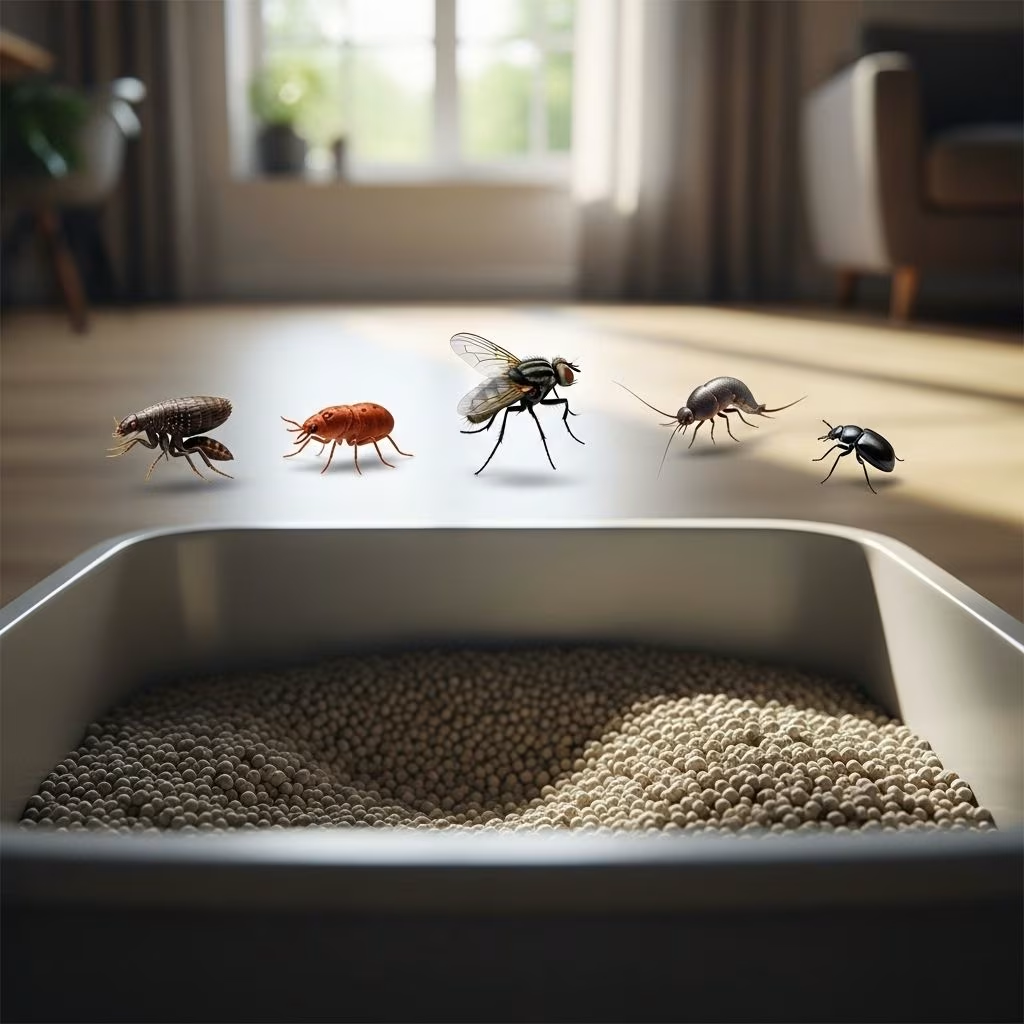
Few aspects of cat ownership are as off-putting as discovering bugs in your cat’s litter box. Whether you’re spotting fruit flies, fungus gnats, maggots, or even tapeworm segments, knowing why these pests appear—and, more importantly, how to get rid of and prevent them—is essential for your cat’s health and your home’s cleanliness. This comprehensive guide explores the common bugs found in litter boxes, health risks, causes, and a step-by-step approach to eliminating and preventing infestations.
Why Are There Bugs in My Cat’s Litter Box?
Bugs are attracted to cat litter boxes for several reasons, all related to the environment created by waste and moisture. The litter box is an ideal breeding ground for pests if not maintained meticulously.
- Attraction to waste: Feces and urine offer nutrients and moisture for many insects.
- Warmth and dampness: A rarely-cleaned, humid, or poorly ventilated location makes the box more inviting.
- Organic matter in litter: Some natural or biodegradable litters can provide food sources for pests.
Common Bugs Found in Cat Litter Boxes
Identifying the bugs present is the first step to dealing with them. The most frequently discovered pests include:
| Bug Type | Appearance | Typical Cause | Health Risk |
|---|---|---|---|
| Fruit Flies/Fungus Gnats | Small, flying; dark gray or black | Decaying organic matter, damp litter | Low |
| Maggots | White, worm-like larvae | Flies lay eggs in dirty litter | Moderate (hygiene risk) |
| Tapeworm Segments | White, rice-sized | Cat digestive parasites | High (indicates infection) |
| Litter Beetles, Silverfish | Small beetles or silvery, fast insects | Dampness, organic litter, humidity | Usually low |
| Springtails | Tiny, jumping insects | Moist environments | Low |
Fruit Flies and Fungus Gnats
These bugs are attracted to moist, decaying matter and thrive in litter boxes that are not cleaned frequently. Gnats and fruit flies can multiply quickly, especially in warm, humid environments.
Maggots
Maggots are the larval stage of flies. They appear when adult flies lay eggs on decaying organic matter—cat feces and urine-soaked litter being prime candidates. It typically takes flies only 24–48 hours to lay eggs and for these eggs to hatch into maggots, so even a short lapse in cleaning can create conditions for maggot infestation.
Tapeworm Segments
Unlike other bugs, tapeworms indicate an internal parasite problem in your cat. Tapeworm segments are white and rice-shaped, expelled in your cat’s stool. While not a hazard to healthy adults, they present a treatment priority for any pet owner.
Litter Beetles and Silverfish
Though rare, some owners report seeing these insects in litter. Both are attracted to moisture and may feed on proteins, carbohydrates, or other organic matter in used litter. Silverfish in particular thrive in warm, damp areas.
Springtails
Springtails are minuscule insects that jump and are typically found in very damp corners. Their presence signals high humidity or water leaks near the box.
Health Risks: For Cats and Humans
A bug infestation in the litter box isn’t just unpleasant; it can pose real health risks:
- Transmission of bacteria and parasites: Cat feces can harbor parasites like Toxoplasma gondii and various bacteria, which can infect humans and pets if hygiene lapses occur.
- Worsening cat health: Tapeworms and other parasites can cause digestive upset, weight loss, and poor coat condition.
- Skin irritation: Maggots, flies, or beetles could cause skin reactions if they come into contact with people or pets.
- Mental stress: Persistent bugs can lead to avoidance behaviors in cats, especially if bitten or irritated, causing inappropriate elimination elsewhere.
What Causes Bugs in the Litter Box?
The most common reasons bugs breed or enter litter boxes include:
- Sporadic cleaning: Infrequent scooping or changing of litter allows organic matter to build up.
- Damp or poorly ventilated location: Litter boxes placed in humid, low-airflow areas foster insect breeding.
- Use of organic litter: Plant-based litters (corn, wheat, pine) break down and feed bugs if left soiled.
- Open garbage nearby: Flies and gnats, attracted by trash, may migrate to the litter box as another habitat.
- Cross contamination: Cats bringing in pests from outdoors or via their own fur and paws.
How to Get Rid of and Prevent Bugs in a Cat Litter Box
Effective prevention and eradication require a combination of hygiene, environment management, and, if needed, safe pest deterrents.
Daily and Weekly Cleaning Routine
- Daily scooping: Remove all feces and clumps of urine at least once, preferably twice, per day.
- Weekly full change: Discard all litter, scrub the empty box with hot water and mild detergent, disinfect (pet-safe bleach solution if possible), and allow to dry thoroughly.
- Dry thoroughly: A completely dry box discourages bugs and prevents lingering smells that attract flies and gnats.
Natural and Safe Pest Control Products
- Diatomaceous earth: Food-grade powder that kills many insects but is harmless to cats. Sprinkle a thin layer in the empty box before adding clean litter.
- Natural repellents: Cloves, apple cider vinegar, or citronella (in a dish near the box, not mixed with litter) can help deter some flies and gnats.
- Pet-safe fly traps: Placing these in the room can catch adult flies before they lay eggs.
Environmental Adjustments
- Ventilation: Ensure the area is dry and well-ventilated; a small fan blowing nearby can reduce humidity.
- Relocate the box: Move it out of damp basements or humid closets into a main living area with better airflow if possible.
- Prevent dampness: Check for leaks or condensation near the box, use desiccant packs nearby if necessary.
Choosing the Right Litter
- Silica or crystal litters: These absorb moisture better than traditional clay or biodegradable litters, reducing bug attraction and odor.
- Litter with odor absorbers: Additives like baking soda help neutralize ammonia from urine, cutting down on odors that attract flies and gnats.
- Promptly replace organic litter: If using corn, wheat, or recycled paper litters, change more frequently and scoop at least twice a day.
Step-by-Step: Deep Cleaning After Bug Infestation
- Dispose of all used litter, double-bagging it to prevent further spread of bugs.
- Rinse the box thoroughly with hot water, then scrub with mild, pet-safe detergent.
- Disinfect with a diluted bleach solution (1 part bleach to 10 parts water). Let sit a few minutes.
- Rinse thoroughly. It’s crucial no bleach residue remains.
- Let the box air dry completely, ideally in direct sunlight.
- Sprinkle a light layer of diatomaceous earth (optional) before adding new litter.
- Fill with fresh litter, return to location, and monitor closely for renewed bug activity.
Additional Tips for Ongoing Prevention
- Keep trash covered: Flies and gnats often breed in nearby garbage, then find litter boxes.
- Vacuum surrounding areas regularly: Clean up tracked litter and organic debris.
- Don’t overfill the box: Too much litter holds more moisture and encourages bugs beneath the surface.
- Use covered, but well-ventilated boxes: Covers can reduce bug entry but must not trap moisture inside.
- Consult your vet for parasites: At the first sign of tapeworm segments or repeat bug issues, have your cat checked for internal parasites and treated as needed.
Frequently Asked Questions (FAQ)
Are bugs in the litter box dangerous to my cat or my family?
Most bugs are a nuisance and point to hygiene issues, but maggots and tapeworms can indicate health risks that should be promptly addressed. Daily cleaning and veterinary checks are the main safeguards.
How quickly can bugs appear if I forget to clean the litter box?
Some flies can lay eggs that hatch into maggots in as little as 24–48 hours, particularly in hot, humid conditions. Daily cleaning is key to prevention.
Is it safe to use bug sprays or chemical cleaners in or around the litter box?
Avoid most chemical sprays as they can be toxic to cats. Instead, use natural options like diatomaceous earth and pet-safe cleaning agents. If using bleach to disinfect, rinse the box thoroughly and allow it to dry completely before returning it to use.
My cat keeps getting tapeworms—what should I do?
Recurrent tapeworms usually result from your cat ingesting fleas. Treat both the tapeworm infection and any fleas on your pet and in the home. Keep your cat on a regular deworming and flea prevention program per your veterinarian’s advice.
What’s the best litter to use to prevent bugs?
Silica gel and crystal litters are less attractive to bugs because they absorb moisture and odor better than most clay or biodegradable litters. However, frequent cleaning is most important regardless of litter type.
Conclusion
Finding bugs in your cat’s litter box is a signal that routine cleaning or environmental conditions need improvement. With consistent hygiene, careful litter selection, and regular vet checks, you can keep pests at bay—and your household healthy and comfortable for everyone, feline or human.
References
- https://purrfectinsights.com/guides/maggots-in-cat-litter-boxe/
- https://www.petcheckers.co.uk/bugs-in-cat-litter/
- https://smart.dhgate.com/effective-strategies-to-prevent-and-eliminate-bugs-in-cat-litter-boxes-for-a-healthy-home/
- https://www.thriftyfun.com/tf743618.tip.html
- https://www.wormsandgermsblog.com/files/2008/04/M2-Litter-Box.pdf