Rescued Dog Surprises with the Birth of a Giant Singleton Puppy
Pregnancies can be unexpected, particularly in the animal world. Few stories, though, match the surprise that awaited when a severely neglected rescue dog named Salem delivered not a litter, but a single, giant puppy—astonishing everyone involved in her rescue and care. This extraordinary event not only sheds light on the unpredictability of animal rescue but also offers fascinating insights into the phenomenon of singleton puppies and their unique challenges.
The Unexpected Rescue of Salem
Salem’s journey began in Mississippi, where her previous owners, unable or unwilling to provide care, surrendered her to a neighbor. Salem’s condition was dire—she was malnourished, infested with parasites, and bore signs of injury. Recognizing the urgency, the neighbor contacted Happy Tails Canine Rescue, a local organization known for its swift, compassionate interventions. Without delay, the rescue team sprang into action, intent on offering Salem the second chance she so desperately needed.
- Condition at Rescue: Severely underweight, suffering from worms, and apparent physical pain.
- Rescue Efforts: Immediate medical evaluation and social media updates, which quickly garnered the attention of potential adopters.
- Adoption Interest: Despite her poor state, many families lined up to welcome Salem into their homes.
From Neglect to a New Beginning
Thanks to the dedication of her rescuers and the support of the online community, Salem was swiftly adopted. Her new family prepared to integrate her fully into their home, scheduling a spay procedure both as a standard health measure and to prevent future unwanted litters. What happened next, however, would upend all expectations—and bring a new layer of complexity to Salem’s story.
Discovering the Hidden Pregnancy
When the veterinarian began Salem’s scheduled spay procedure, they discovered she was not only pregnant, but heavily pregnant and due in a matter of days. The surprise was total: neither her rescuers nor her adoptive family had the faintest inkling that she was expecting.
- Date of Adoption: October 26
- Planned Spay Date: November 8
- Pregnancy Discovery: Detected during pre-op examination; Salem was due in 2–3 days
The Singleton Puppy Revelation
A quick X-ray delivered an even bigger surprise: Salem was carrying just one enormous puppy, rather than the litter commonly expected in canine pregnancies. This rare situation—having a single, disproportionately large puppy—is medically termed a singleton pregnancy and occurs infrequently in dogs.
- Number of Puppies: Only one (singleton, named Astrid)
- Condition: Puppy occupied nearly the entirety of Salem’s uterus, making the pregnancy especially hard to detect without close monitoring
Welcoming Astrid: Salem’s Giant Puppy
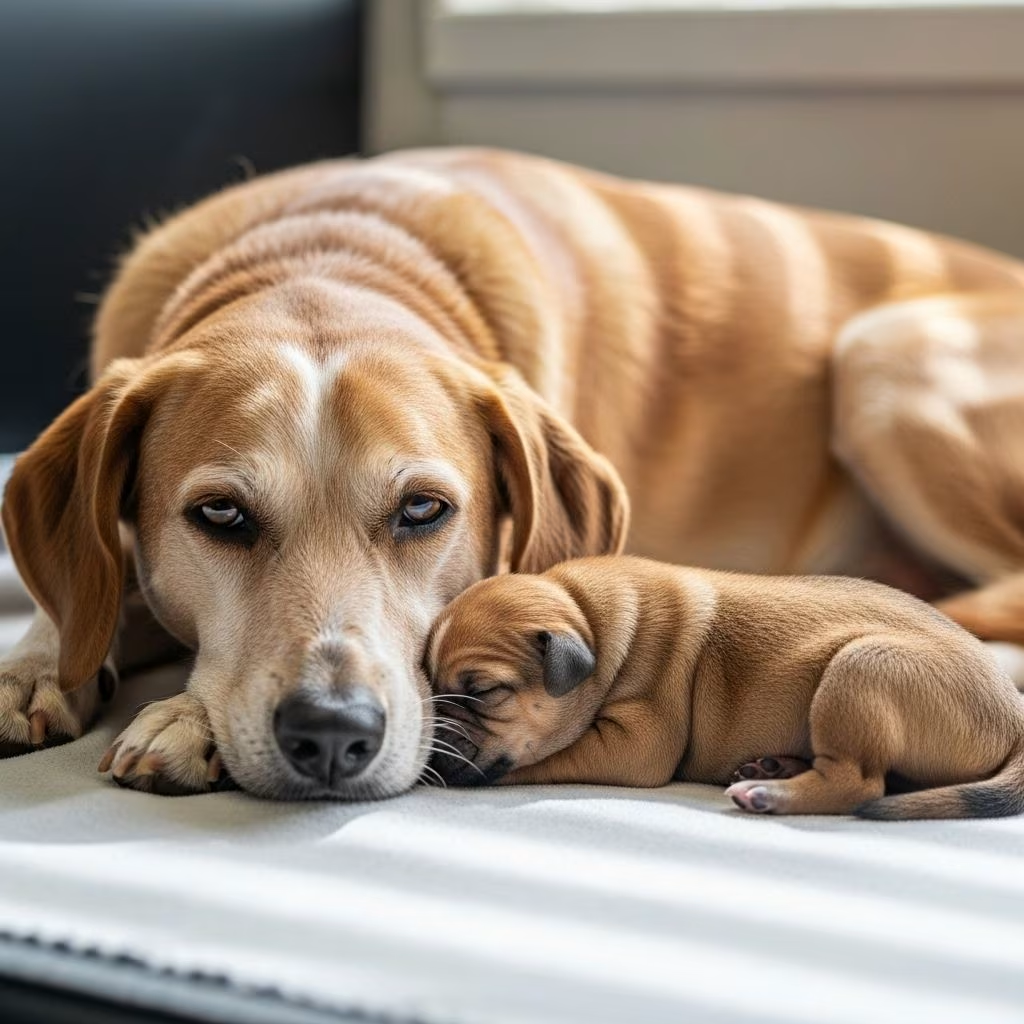
Just days after the stunning discovery, Salem gave birth to her singleton puppy, later named Astrid. The puppy’s size was remarkable—far surpassing what is typical for newborn pups, as she had no siblings with whom to share uterine space or nutrients.
- Birth Outcome: One exceptionally large, healthy female puppy
- Name Chosen: Astrid
Salem’s adoptive family, though surprised and unable to commit to keeping Astrid permanently due to their existing obligations (two children and two other pets), immediately resolved to ensure that both mother and puppy received the best care possible while preparations for Astrid’s future home were made.
Understanding Singleton Puppies
Singleton puppies—those born alone without littermates—are a rare but well-documented phenomenon in the world of canine reproduction. While the precise cause of singleton litters remains unclear, genetics, maternal health, age, and other factors may contribute. The rarity and implications of singleton births bring several unique considerations, both medical and behavioral.
Why Singleton Litters Occur
- Genetic Factors: Certain genetic predispositions or breed-specific tendencies
- Maternal Age: Older or very young dams may be more prone to smaller litters
- Health and Fertility: Underlying health issues, stress, or malnutrition can reduce litter size
Risks and Challenges of Singleton Puppies
Singleton puppies often face hurdles not commonly encountered by those born in litters. Without siblings to interact with, these puppies may experience deficits in early socialization and the physical skills developed during play and competition for resources.
| Typical Litter Puppies | Singleton Puppies |
|---|---|
| Learn bite inhibition, social skills, and group play | May struggle with bite inhibition and reading social cues |
| Share maternal attention and resources | Receive all nourishment and care, often resulting in faster growth |
| Learn to cope with frustration and group dynamics | Likely to experience impulse control and frustration tolerance issues |
Single Puppy Syndrome: Potential Behavioral Effects
Singleton puppies may develop a pattern sometimes described as Single Puppy Syndrome. Without the interactive feedback from siblings, certain behaviors can become pronounced:
- Poor bite inhibition
- Impaired ability to resolve social tension
- Heightened sensitivity to touch or confinement
- Difficulty adapting to new social situations
- Lack of impulse control
- Trouble understanding canine social cues
- Obedience challenges
Not all singleton puppies develop these issues, especially with early intervention and positive socialization, but the risks underscore the importance of attentive, informed care.
Astrid’s Journey: Growing Up Unique
Under the care of Salem’s adoptive family, Astrid quickly became the heart of their household. Though her stay would be temporary due to the family’s commitments, they ensured both mother and puppy nurtured a strong bond, with plenty of play, gentle handling, and positive reinforcement.
- Daily Routine: Eating, playing, sleeping, and experiencing new sights and sounds
- Future Plans: Once grown and weaned, Astrid would be available for adoption through Happy Tails Canine Rescue
The rescue and Salem’s family coordinated closely to post regular updates on Astrid’s progress. Followers on social media expressed delight as her personality emerged—curious, bold, and irresistibly adorable, resembling, as one observer put it, a “polar bear puppy.”
Looking Ahead: A Bright Future for Astrid
While Salem’s saga began with neglect, her rescue and the surprise of Astrid’s birth have become a celebration of resilience and the power of compassionate intervention. When the time comes for Astrid to find her forever home, careful attention will be given to placing her with adopters who can meet the unique needs of a singleton puppy: patient, consistent training; mindful socialization with other dogs and people; and a loving environment enriched by positive experiences.
- Adoption Criteria: Families who can offer patience, structure, social opportunities, and plenty of affection
- Rescue Support: Ongoing engagement with Happy Tails Canine Rescue for advice and progress updates
Lessons from Salem and Astrid’s Story
The story of Salem and Astrid highlights several essential truths for those interested in animal rescue and adoption:
- Hidden pregnancies can occur even in dogs evaluated by professionals—thorough veterinary checks are crucial.
- Singleton puppy births, while unusual, require specialized care and awareness of potential behavioral needs.
- Rescue organizations and adoptive families must work together to ensure all animals, especially those with special circumstances, receive individualized care and placement.
- Compassion, patience, and education are key to transforming the lives of neglected or abused animals.
Frequently Asked Questions (FAQs)
What is a singleton puppy?
A singleton puppy is a dog born as the sole offspring in a litter, rather than alongside siblings.
Why are singleton puppies considered rare?
Dogs usually deliver litters of several puppies. Single-puppy litters are uncommon and can be caused by genetics, maternal age, health, or environmental factors.
What are some challenges faced by singleton puppies?
Singleton puppies may struggle with social skills, bite inhibition, and impulse control due to the absence of littermate interactions during key developmental periods.
How can singleton puppies be helped to socialize?
Intentional exposure to other puppies, gentle handling, supervised playgroups, and positive reinforcement training can aid a singleton puppy’s behavioral development.
Is it possible to adopt a singleton puppy?
Yes—singleton puppies can make wonderful companions, provided their adopters are attentive to their training and socialization needs.
Key Takeaways for Animal Advocates
- Unexpected animal stories, like Salem and Astrid’s, showcase the ongoing need for rescue organizations and community involvement in pet welfare.
- Understanding the unique needs of special cases, such as singleton puppies, can ensure all rescued animals have the best chance at a healthy, happy life.
- Every animal, regardless of their history or start in life, deserves care, compassion, and the opportunity for a joyful future.
Resources for Prospective Adopters
- Contact local animal rescues for guidance on adopting animals with special backgrounds.
- Consult qualified veterinarians for health checks and behavioral advice on singleton puppies or other rescue animals.
- Seek out community groups or trainers experienced with unique puppy development needs.
- Continue learning about animal welfare through reputable organizations and educational materials.