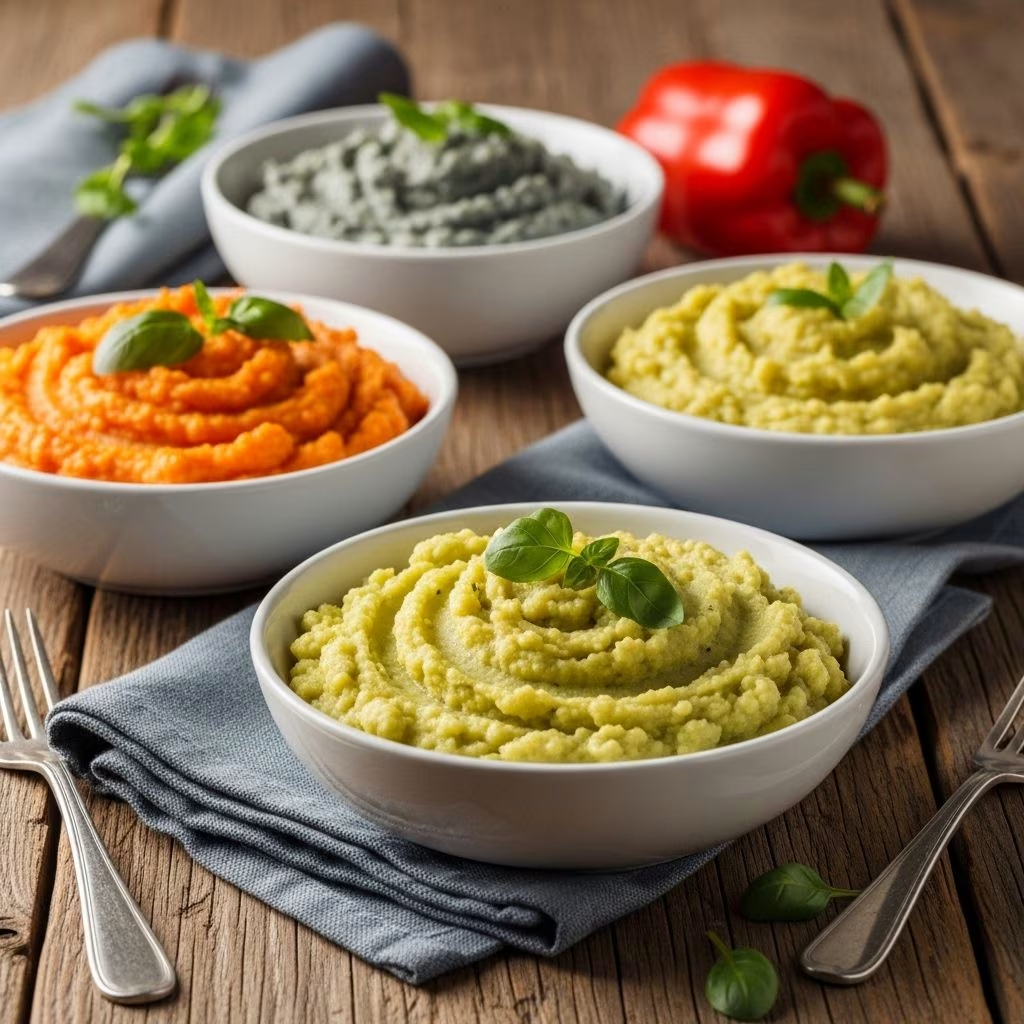
Swapping out classic mashed potatoes for a variety of vegetable mash alternatives brings extra nutrition, color, and flavor to your table. Whether you’re looking for lighter sides, lower-carb options, or simply want to diversify your dinner plate, these four vegetable mashes offer a world of possibilities and easy-to-follow recipes. Impress your family and guests with vibrant, flavorful mash creations that go far beyond the typical potato.
Why Try Vegetable Mashes Instead of Mashed Potatoes?
Mashed potatoes are beloved for their creamy texture and mellow taste, but other vegetables can deliver a similar comfort while stepping up nutrition and flavor variety. Here’s why you might consider vegetable mashes:
- Lower carbohydrates: Many root and bulb vegetables have fewer carbs than potatoes, making them ideal for lower-carb diets.
- Extra nutrients: Options like cauliflower, pumpkin, or parsnips offer vitamins, fiber, and antioxidants.
- Flavor diversity: From nutty celeriac to sweet butternut squash, each vegetable introduces a unique profile to your side dishes.
- Appealing colors: Mix vegetables for beautiful orange, yellow, or white mash that brightens every plate.
- Adapts to various diets: Vegetable mashes suit gluten-free, vegetarian, vegan, and paleo needs with a few ingredient tweaks.
1. Cauliflower Mash
Cauliflower Mash is perhaps the best-known potato stand-in, prized for its silky texture and neutral taste that soaks up other flavors beautifully. Naturally low in carbs and high in fiber and vitamin C, cauliflower mash is perfect for anyone looking for healthier comfort food.
Ingredients
- 1 large head cauliflower, cut into florets
- 2–3 tablespoons butter (or olive oil for vegan)
- 1/4 cup milk, cream, or unsweetened dairy-free milk
- Salt and freshly ground black pepper
- Optional: 2 cloves roasted garlic, fresh herbs
Instructions
- Steam or boil the cauliflower florets until very tender, about 10–12 minutes.
- Drain well and dry thoroughly (pat with a towel or return briefly to hot pot).
- Mash with a potato masher, immersion blender, or food processor until smooth and creamy.
- Add butter and milk gradually, mashing until you reach desired texture.
- Season generously with salt, pepper, and optional additions like roasted garlic or herbs.
Flavor upgrade: Stir in a little grated parmesan, fresh chives, or a sprinkle of smoked paprika for extra depth.
Nutrition Tip
Cauliflower is very low in net carbs (~2g/100g), and offers vitamin C, K, and folate.
2. Celeriac (Celery Root) Mash
Celeriac, also called celery root, has a rustic, knobby appearance but transforms into an ultra-creamy mash with subtle celery and nutty flavors. It’s an excellent low-carb alternative and blends well with potatoes for extra creaminess.
Ingredients
- 1 medium celeriac (about 1–1.5 lbs), peeled and cut into chunks
- 2–3 tablespoons unsalted butter (or dairy-free substitute)
- Salt and pepper to taste
- Optional: a splash of cream or milk
- Fresh herbs such as parsley or thyme (optional)
Instructions
- Peel and chop the celeriac, discarding tough outer layer.
- Boil or steam until fork-tender, about 15–20 minutes.
- Drain well, return to pot to dry out any extra moisture.
- Mash with butter and optional cream until smooth.
- Season to taste and garnish with fresh herbs.
Flavor upgrade: Blend with a little potato or parsnip for a sweeter, richer taste, or top with chives for color.
Nutrition Tip
Celeriac contains fiber, vitamin K, and is lower in carbs (~9g/100g) than potatoes.
3. Carrot & Root Vegetable Mash
For a colorful and subtly sweet alternative, combine carrots with other root vegetables, such as pumpkin, sweet potato, or parsnip. This blend creates a mash with stunning orange color and a hint of earthy sweetness. Use a mixture to balance flavors and maximize nutrients.
Ingredients
- 1 large sweet potato, peeled and chopped
- 1 cup chopped pumpkin (or butternut squash)
- 3 carrots, peeled and chopped
- 1 regular potato (optional, for creaminess)
- 2–3 tablespoons butter (or olive oil)
- Salt and pepper
- Optional: ginger, nutmeg, or cumin for flavor
Instructions
- Peel, chop, and combine all vegetables in a large pot.
- Boil in salted water until all are fork-tender (about 20–25 minutes).
- Drain well, then return to pot to evaporate excess moisture.
- Mash with butter, then season with salt, pepper, and optional spices.
Flavor upgrade: Top with toasted seeds, chopped fresh herbs, or a swirl of Greek yogurt for luxury.
Nutrition Tip
Combining these colorful roots increases vitamins A and C, fiber, and antioxidants while maintaining moderate carbs.
4. Parsnip & Turnip Mash
Parsnips and turnips offer a delightful combination, with parsnip contributing earthy sweetness and turnip bringing light, slightly spicy notes. This mash is especially good for mixing up your side dish routine with a unique flavor profile and plenty of fiber.
Ingredients
- 2 large parsnips, peeled and cubed
- 2 medium turnips, peeled and cubed
- 2 tablespoons butter or olive oil
- 1/4 cup milk or cream (or plant-based alternative)
- Salt and freshly ground pepper
- Optional: fresh chives, nutmeg, or a dollop of sour cream or cream cheese
Instructions
- Peel and cube the parsnips and turnips.
- Boil together in salted water until very tender, 15–20 minutes.
- Drain and mash with butter and milk or cream.
- Season to taste, adding chives or seasoning as desired.
Flavor upgrade: Add a hint of nutmeg or roasted garlic for warmth, or stir in a spoonful of cream cheese for velvety texture.
Nutrition Tip
Parsnips are higher in carbs but packed with vitamin A, fiber, and antioxidants; turnips provide vitamin C, magnesium, and fiber with fewer carbs.
Other Exciting Vegetable Mash Ideas
Looking to branch out even further? Try these mashable veggies in place of (or alongside) the classics for even more flavors and textures:
- Rutabaga: Sweet and earthy, pairs well with turnips or carrots for a robust mash.
- Butternut Squash: Naturally sweet and creamy, bright orange, and vitamin-rich.
- Zucchini: Very low in carbs, be sure to squeeze out extra moisture; combine with cream cheese for stability.
- White Beans: Protein-packed, easily mashed with garlic and olive oil for a creamy, dairy-free side.
- Daikon Radish: Mild and mellow when cooked, low in carbs, pairs well with horseradish or chives.
Table: Quick Comparison of Mash Alternatives
| Vegetable | Carb Content (per 100g) | Main Flavors | Best Pairings |
|---|---|---|---|
| Cauliflower | ~2g | Mild, creamy | Garlic, cheese, herbs |
| Celeriac | ~9g | Earthy, nutty, mild celery | Potato, chive, bacon |
| Carrot/Sweet Potato | ~10g (carrot) | Sweet, earthy | Ginger, cumin, yogurt |
| Parsnip | ~13g | Sweet, nutty, earthy | Turnip, cream, nutmeg |
| Turnip | ~4.5g | Light, slightly spicy | Chive, butter, carrot |
| Rutabaga | ~8g | Sweet, dense, earthy | Carrot, potato, nutmeg |
| Daikon | ~2g | Mild, mellow | Horseradish, green onion |
| Zucchini | ~2g | Mild, watery | Cream cheese, tomato, basil |
Tips for the Perfect Vegetable Mash
- Dry your vegetables well before mashing to avoid watery results—let them steam dry in the pot or use a towel.
- Use an immersion blender or food processor for extra smooth mash, or a hand masher for rustic texture.
- Season well—many root veggies are naturally sweet or earthy, so balance with salt, pepper, and herbs.
- Mix and match veggies for custom flavor and nutrient profiles—combine your favorites for colorful, multidimensional mashes.
- Add richness with butter, cream cheese, Greek yogurt, or a drizzle of olive oil as your diet allows.
- Roast before mashing for deeper, caramelized flavors—especially for carrots, parsnips, and squash.
Frequently Asked Questions (FAQs)
Q: Can I make vegetable mash ahead of time?
A: Yes. Vegetable mashes keep well in the fridge for up to 3 days. Reheat gently on the stovetop or in the microwave, stirring in a bit more butter or cream if needed to restore creaminess.
Q: Are vegetable mashes suitable for vegan or dairy-free diets?
A: Absolutely! Replace butter and cream with olive oil, coconut cream, or any unsweetened plant-based milk for a vegan version. Many root vegetables are naturally creamy even without dairy.
Q: Which mash is lowest in carbs?
A: Cauliflower, daikon, zucchini, and turnip mashes are all very low in net carbohydrates and work well for low-carb and keto diets.
Q: How do I thicken a watery vegetable mash?
A: Ensure you drain and dry vegetables well after boiling. If mash still seems watery, add a thickener such as softened cream cheese, a tablespoon of coconut flour, or stir in some instant mashed potato flakes or pureed white beans.
Q: Can I freeze leftover vegetable mash?
A: Most vegetable mashes freeze well, especially those with added butter or cream. Thaw overnight in the fridge and reheat slowly for best texture.
Try These Mash Creations at Home
Whether you’re reinventing weeknight meals or updating a holiday spread, these vegetable mash alternatives add color, nutrition, and variety to your kitchen. Experiment with single veggies or creative blends for a beautiful, flavorful, and satisfying side dish that puts a fresh spin on comfort food classic.
References
- https://www.thelowcarbgrocery.com/low-carb-lifestyle-blog/cooking-low-carb/mashed-potato-alternatives
- https://www.theproducemoms.com/mashed-potato-alternatives/
- https://blog.hellofresh.com/veggies-you-can-mash/
- https://lukbeautifood.com/blogs/blog/dinner-tonight-4-vegetable-mash
- https://www.thepioneerwoman.com/food-cooking/recipes/a90560/4-vegetable-mash-alternatives/
- https://tastefoodblog.com/2019/11/25/mashed-root-vegetables-recipe-2/
- https://sweetveg.org/2012/11/20/mashed-root-vegetables-alternative-mashed-potatoes/