Cassava (Yuca) 101: A Comprehensive Guide
If you’ve ever sampled tapioca pudding or enjoyed chewy pearls in bubble tea, you’ve tasted the world’s third most important carbohydrate crop—cassava, also known as yuca. Beneath its rugged brown skin lies a starchy, versatile root that has fueled generations and cultures spanning Latin America, Africa, and Asia. But how did this humble root find its way onto plates worldwide, and how can you safely prepare and enjoy it? This guide covers everything you need to know, from history and origins to step-by-step preparation and cooking ideas.
What is Cassava or Yuca?
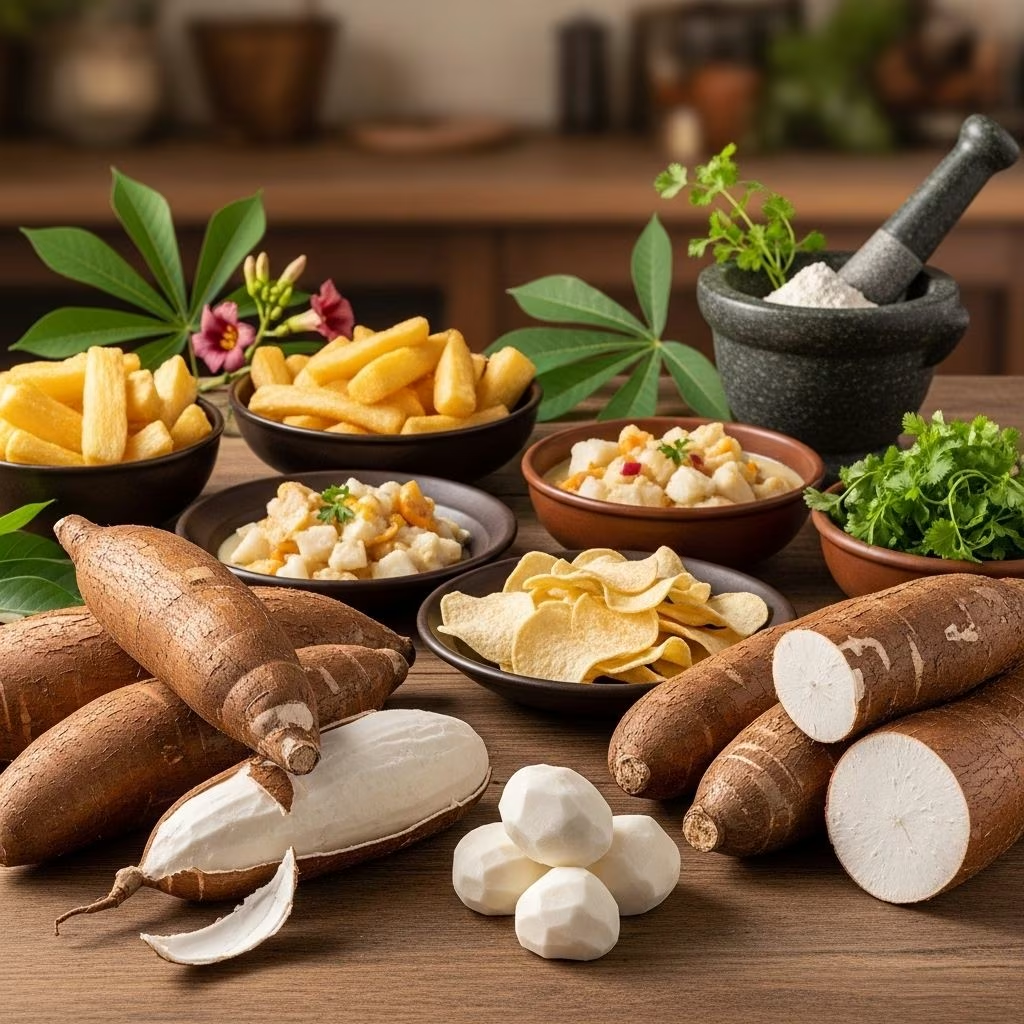
Cassava (pronounced joo-kah) is a starchy tuberous root, resembling a large brown potato with a tough, bark-like skin and a stark white flesh. It should never be confused with yucca (pronounced yuck-ah), which is an unrelated flowering plant or shrub known for ornamental and medicinal purposes, but not for edible tubers. Cassava is also widely known as manioc or Brazilian arrowroot.
- Form: Long, tapered, 6-12 inches in length, 2-4 inches in diameter.
- Skin: Thick, brown, bark-like texture—often waxed for preservation in stores.
- Flesh: Bright white, dense, and starchy.
While cassava’s most famous contribution is tapioca—made by drying and grinding the root into a powder—its uses are diverse. In fact, tapioca pudding and bubble tea both owe their signature texture to cassava starch.
Origins and Global Significance
Cassava is grown across tropical and subtropical regions of the world, including the Caribbean, Central and South America, Africa, and Southeast Asia. It is available year-round and serves as a staple carbohydrate source in many local cuisines.
In Puerto Rico, yuca was a staple crop for the Taíno people, the island’s indigenous inhabitants. The Taínos even named their major god Yúcahu, honoring him as the giver or spirit of cassava, believed to reside atop El Yunque rainforest and responsible for the rains that sustain yuca crops. Its cultural significance echoes across much of Latin America and Africa, where it still features widely in traditional dishes and rituals.
Historical and Cultural Facts
- Cassava was integral to indigenous American diets and survival well before European colonization.
- The process of transforming cassava into edible forms—cakes, flours, and more—became a symbol of adaptability and innovation.
- It remains key in many national and celebratory recipes, reflecting cultural evolution and fusion.
What Does Cassava Look Like?
Physical traits:
- Long, cylindrical, with tapered ends.
- Brown, flaky, thick skin (often with a shiny wax layer for transport).
- Firm, white, starchy flesh inside.
When you purchase cassava at the grocery store, it likely appears wax-coated. This is a preservation method allowing cassava to survive shipment and storage over long distances without drying out or spoiling.
How to Select, Store, and Prep Cassava
Choosing the Right Cassava
- Pick roots that are firm, not soft or shriveled.
- The skin should be intact and free of mold or splits.
- Avoid roots with discoloration or dark veins in the flesh, as these can indicate spoilage.
Storing Cassava
- Unpeeled cassava: Store in a cool, dry place and use within 1-2 weeks.
- Peeled and cut cassava: Wrap tightly and refrigerate for several days or freeze for long-term storage.
Peeling and Cutting Cassava: Step-by-Step
- Use a large, sharp knife. Cut the root into 2- to 3-inch segments for easier handling.
- Score the skin: On the edges, you’ll see a ring—gently slice into the skin around the circumference, piercing all the way through the brown shell.
- Remove the skin: Wedge the knife tip under the slit; work the blade back and forth to lift and peel the thick skin off. Discard skin.
- Remove the fibrous core: Split each segment in half lengthwise to reveal the woody interior stem. Pry it out with a V-shaped cut or quarter the piece and cut away the core. The root is now ready for cooking or freezing.
Tip: If you won’t be using yuca right away, store peeled pieces in water in the fridge for up to two days or freeze for longer storage.
How to Safely Eat Cassava
Important: Cassava must not be eaten raw. Like potatoes, cassava contains natural cyanogenic glycosides (precursors to cyanide). However, cassava sold in American or Caribbean groceries is the sweet variety, which, when peeled and cooked, is safe for consumption and poses no risk. The more toxic bitter varieties (mostly found in parts of Africa) require lengthy soaking and cooking to reduce cyanide content.
- Peeling and boiling removes toxins from sweet cassava.
- Bitter cassava is uncommon outside certain regions and not typically sold in standard groceries.
- Never eat cassava raw, regardless of variety.
How Do I Cook Cassava?
Once cassava is peeled and the central core removed, the possibilities are broad—much like with potatoes!
Common Cooking Methods
- Boiling: Cassava is most often cut into chunks and boiled in salted water until fork-tender, about 20-30 minutes.
- Frying: After boiling, yuca can be cut into fries or wedges and deep-fried until golden and crispy for classic yuca fries.
- Mashing: Boiled yuca can be mashed and seasoned much like potatoes for a creamy side dish.
- Baking and roasting: Less common, but chunks or slices can be baked with oil and seasonings.
- Grating: Grated yuca forms the base of many traditional cakes and flatbreads.
Popular Cassava Dishes by Region
| Region | Dish |
|---|---|
| Latin America & Caribbean | Yuca fries, enyucado, yuca en escabeche |
| West Africa | Gari, fufu, cassava dough |
| Asia | Tapioca pearls, cassava cake |
| Jewish Cuisine | Yuca (cassava) latkes |
Recipe Spotlight: Enyucado (Colombian Cassava & Coconut Cake)
Across the Caribbean and Latin America, cassava’s adaptability shines in both savory and sweet preparations. A beloved example is Colombia’s enyucado, a dense and comforting cassava cake made with coconut and sometimes cheese, reflecting the rich fusion of indigenous, African, and European influences.
Basic Enyucado Ingredients:
- Grated yuca
- Grated coconut
- Eggs
- Milk or cream
- Butter
- Piloncillo (cane sugar), coconut, or caster sugar
- Cream cheese
- Condensed milk (optional, for serving)
Preparation involves combining the ingredients into a thick batter, baking until set and golden, and serving warm sometimes with a drizzle of condensed milk. The result is a naturally gluten-free, subtly sweet cake that embodies cassava’s versatility. Similar cakes or puddings are enjoyed in Venezuela, Nicaragua, El Salvador, and Brazil.
Other Creative Ways to Cook Cassava
- Yuca fries: Boiled and deep-fried, crisp outside and tender inside.
- Mashed yuca: Buttery and simple, like a potato mash.
- Soups and stews: Add peeled, chunked yuca to hearty broths for thickening and substance.
- Latkes: Substitute yuca for potatoes in traditional Jewish latkes, capitalizing on its high starch content for extra crispness.
- Tapioca: Use cassava starch to make tapioca pearls for bubble tea, pudding, or baking.
Interesting Traditional Uses of Cassava
Cassava’s importance extends beyond ordinary meal times. Among some South American Indigenous communities, cassava fermentation is central in producing masato—a traditional fermented beverage with unique preparation methods. Women chew and mash boiled cassava, spit it out, and allow it to ferment with their natural enzymes before mixing it with water. This ritual both bonds the community and creates a nourishing, mildly alcoholic drink. For visitors, participating may feel strange but is often received as an honor.
Cassava Safety, Nutrition, and Storage
- Cassava is a rich source of carbohydrates, providing energy in tropical diets where grains may be scarce.
- Contains some vitamins (notably C and B-complex) and trace minerals.
- Raw yuca harbors cyanogenic compounds—always peel and cook thoroughly.
Tip: Whenever possible, use freshly peeled and prepared cassava for maximum flavor and safety.
Frequently Asked Questions (FAQs)
Q: Is cassava the same as yucca?
A: No. Cassava (yuca) is a starchy edible root, while yucca is a non-edible, ornamental shrub. The two are unrelated species.
Q: Is it safe to eat cassava in the United States?
A: Yes. Supermarkets sell the sweet variety of cassava, which contains low levels of natural toxins. Peeling and boiling it before use ensures safety.
Q: How do I know if cassava has gone bad?
A: Soft spots, mold, or dark streaks in the flesh are signs of spoilage. The root should be firm, smooth, and white inside.
Q: Can cassava be used for baking?
A: Yes. Grated cassava is the base for cakes like enyucado, and its starch becomes tapioca for puddings and gluten-free baking.
Q: What are some ways to use cooked cassava leftovers?
A: Leftover boiled yuca can be mashed, fried into croquettes, or blended into soups and stews for extra texture.
Summary Table: Cassava (Yuca) Quick Facts
| Aspect | Details |
|---|---|
| Type | Root vegetable (tuber) |
| Origin | Tropical & subtropical regions, native to Latin America |
| Main Nutrient | Carbohydrate (starch) |
| Preparation | Peel, remove core, cook before eating |
| Common Uses | Boiling, frying, mashing, baking, puddings |
| Safety | Do not eat raw (contains natural cyanide compounds) |
With a little know-how and respect for tradition, cassava (yuca) can open up a world of new flavors and textures in your kitchen. From its deep roots in Latin American history to its place in thoughtful modern recipes, this tropical staple deserves a spot in every adventurous cook’s repertoire.