How to Make Mustard: A Step-by-Step Guide for Home Cooks
If you’re looking for a simple yet transformative kitchen DIY project, learning how to make your own mustard is a must. Not only is it easy and affordable, but homemade mustard also bursts with customizable flavors and texture. Whether spread on sandwiches, whisked into dressings, or added to marinades, you’ll find homemade mustard soon becomes a staple in your fridge.
What Is Mustard?
Mustard is a tangy, spicy, and sometimes sweet condiment made from ground mustard seeds, a liquid (usually vinegar or water), salt, and flavorings. Its uniquely sharp flavor comes from the mustard seed’s natural compounds, which react when mixed with liquid. The process is straightforward, but the results can be customized infinitely to suit your taste.
History and Variations of Mustard
Originating thousands of years ago, mustard has held an enduring place in international cuisine. Ancient Romans mixed ground mustard seeds with wine, and the French later refined it into the classic Dijon style. Modern home cooks enjoy experimenting with both rustic, whole-grain mustards and finely ground options, adding honey, herbs, fruit, or spices for character and complexity.
- Dijon Mustard: Smooth, sharp, and made with white wine or wine vinegar.
- Yellow Mustard: Mildest, bright in color, and typically used on hot dogs.
- Whole-Grain Mustard: Retains the pop and crunch of partially ground seeds.
- Honey Mustard: Sweet, tangy, and ideal as a dipping sauce.
Mustard Basics: Essential Ingredients
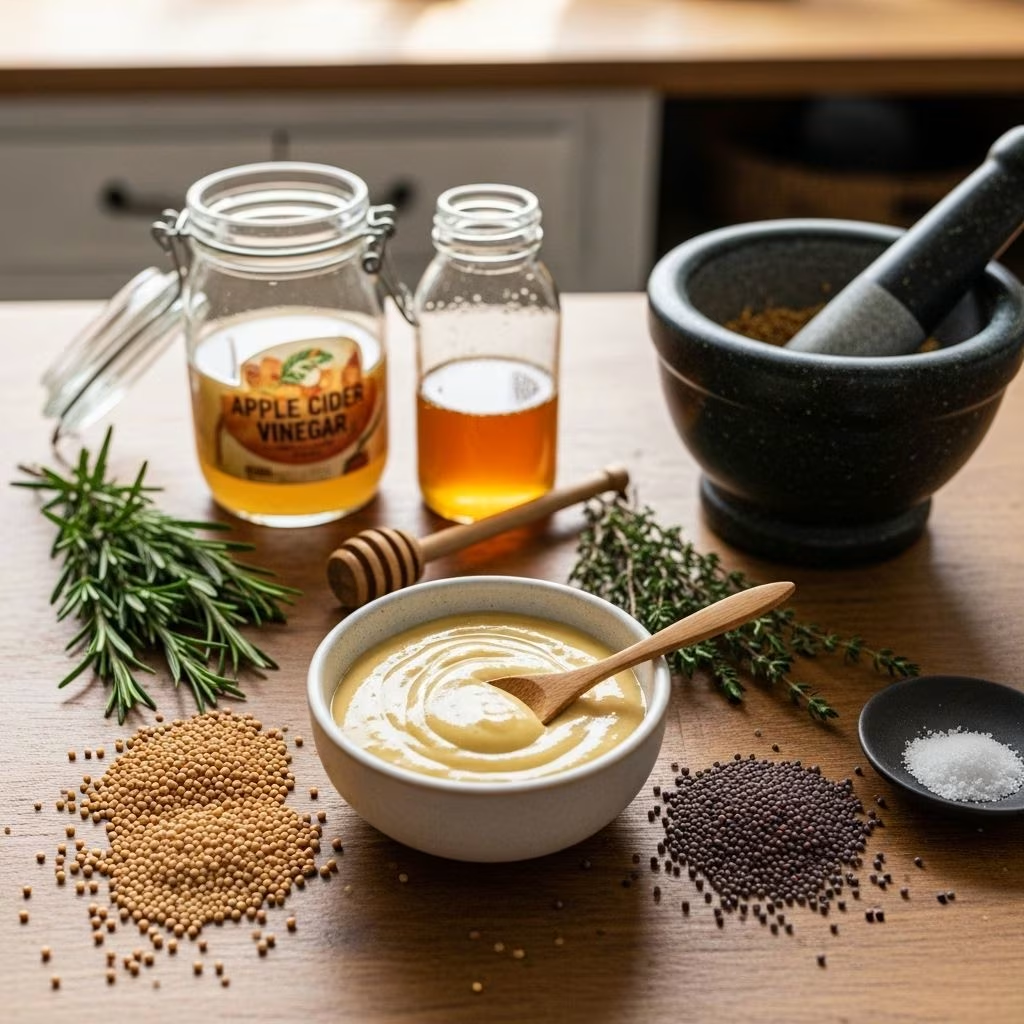
To make brilliant homemade mustard, you only need a few essentials. The process is easily adaptable, allowing you to craft mustards of various intensity, sweetness, and texture.
| Ingredient | Role in Mustard |
|---|---|
| Mustard seeds (yellow, brown, or black) | Provide flavor and texture; yellow is milder, brown and black are spicier |
| Vinegar (apple cider, white, wine vinegar, etc.) | Acid activates the flavor; affects sharpness and keeps mustard shelf stable |
| Water | Hydrates the seeds and determines the final consistency |
| Salt | Balances and preserves the flavor |
| Optional add-ins: honey, herbs, spices, horseradish | For unique flavors and extra kick |
Choosing the Right Mustard Seeds
Mustard comes from three primary seeds, each imparting a distinct flavor profile:
- Yellow (white) mustard seeds: Mildest and most commonly found in American yellow mustard.
- Brown mustard seeds: Spicier; found in Dijon and spicy brown mustards.
- Black mustard seeds: Most intense, used mostly in South Asian cuisines.
You can use a single variety, but combining yellow and brown seeds often gives the best balance between pungency and sweetness.
Essential Equipment
- Glass or ceramic mixing bowl
- Glass jars with lids (for storage)
- Food processor, blender, or mortar and pestle (for grinding seeds)
- Measuring cups and spoons
- Non-reactive spoon (wooden or plastic)
Step-By-Step: Basic Homemade Mustard Recipe
- Soak the seeds: In a non-reactive bowl, combine 1/3 cup mustard seeds (yellow, brown, or a mix) with 1/3 cup vinegar (apple cider, white wine, or your favorite) and 1/3 cup water. Cover and let sit at room temperature for 24 hours. The seeds will absorb the liquid and soften, creating a slurry.
- Blend for desired texture: Transfer 2/3 of the mixture to a food processor or blender. Pulse until you reach the consistency you prefer—coarse for a rustic whole-grain, or blended longer for smooth mustard. Leave some seeds unblended for extra texture if you like.
- Add flavorings and adjust: Stir in 1 teaspoon salt. Taste and add honey, garlic, herbs, or horseradish if desired. If the mustard is too thick, add a splash of water or olive oil to thin it.
- Store and age: Transfer the mustard to clean glass jars. Seal tightly and refrigerate. Homemade mustard is very spicy at first—it mellows as it sits, typically reaching peak flavor after a few days to a week in the fridge.
Tips, Tricks, and Flavor Variations
- Patience pays off: Younger mustard tastes harsh and bitter; aging allows flavors to mellow and deepen. Wait at least three days before using; a week is better.
- Experiment with liquids: Swap in beer, white wine, verjuice, cider, or even whisky for memorable mustards.
- Sweet and spicy: Honey, maple syrup, or brown sugar transform basic mustard into a crowd-pleasing dip. Adjust amounts to taste.
- Herbs and spices: Fresh tarragon, dill, rosemary, or chives are classic; so are cracked pepper, garlic, and chilies for extra heat.
- Add texture: For extra crunch, stir in unblended mustard seeds, or finely chop pickles and stir through after blending.
- Low-sodium and sugar-free: Omit or swap flavorings to suit your dietary needs.
Quick Reference Table: Flavor Variations
| Variation | Add-Ins | Best Pairings |
|---|---|---|
| Honey Mustard | 2-3 tbsp honey, 1 tsp ground black pepper | Chicken, salad dressing |
| Spicy Mustard | More brown/black seeds, 1/2 tsp chili flakes | Pretzels, sausages |
| Herbed Mustard | 2 tbsp chopped fresh herbs, 1 clove garlic | Fish, vinaigrettes, lamb |
| Horseradish Mustard | 1 tbsp prepared horseradish | Roast beef, sandwiches |
| Beer Mustard | Replace water with dark beer | Bratwurst, grilled meats |
Storing and Serving Homemade Mustard
Once made, store mustard in glass jars in the refrigerator. Properly made and stored, it can last for several months, its flavor improving over time. Always use a clean spoon to prevent spoilage, and check for any off smells or mold after prolonged storage.
Enjoy mustard in countless ways:
- Spread on sandwiches, burgers, or wraps
- Swirled into salad dressings or vinaigrettes
- As a tangy base for marinades and glazes
- Paired with cheese, charcuterie, or roasted meats
- Added to deviled eggs, potato salad, or coleslaw for depth
Frequently Asked Questions (FAQs)
Q: Can I use ground mustard powder instead of seeds?
A: Yes, you can substitute an equal amount of ground mustard powder for seeds. The texture will be smooth, not grainy, and the process is faster—just combine with liquid and refrigerate immediately.
Q: Why is my homemade mustard so bitter?
A: Fresh homemade mustard is often aggressively spicy or bitter due to chemical reactions in the seeds. This mellows over several days in the fridge. If it’s still bitter after a week, try adding a little honey or more vinegar for balance.
Q: Is letting the seeds soak for 24 hours necessary?
A: Yes, soaking softens the seeds, making them easier to blend and enhancing flavor development. Skipping this step usually results in gritty, tough mustard.
Q: How long does homemade mustard last?
A: Most homemade mustards keep well in the refrigerator for up to 3 months if stored in clean, airtight jars. Discard if you see mold or if there are off smells.
Q: Can I scale the recipe up or down?
A: Absolutely. Double or halve the recipe as needed, maintaining the same proportions of liquid and seeds.
Pro Tips for Mustard Success
- Non-reactive bowls and containers: Always use glass, ceramic, or plastic—never metal, as it reacts with acids and can affect flavor.
- Customize your vinegar: Experiment with wine vinegar, cider vinegar, rice vinegar, or flavored types to add depth.
- Blending for smoothness: For creamy Dijon, blend longer; for coarse country-style, pulse briefly.
- Aging for complexity: Flavors mellow with time; don’t judge right after blending.
Homemade mustard is one of those transformative, small-batch projects that’s simple but yields outsized returns. With just a handful of pantry staples, you can whip up endless variations that far outshine most grocery store jars.
Creative Ways to Use Homemade Mustard
- Toss roasted vegetables with a spoonful of mustard, olive oil, and herbs for a lively side.
- Stir a bit of honey mustard into mashed potatoes for a bright, savory note.
- Whisk grainy mustard into creamy soups for an unexpected punch.
- Mix with mayo for a tangy sandwich spread or to top grilled salmon.
- Add to deviled egg filling instead of classic yellow for a gourmet twist.
Troubleshooting Common Homemade Mustard Issues
- Mustard is too thick: Whisk in water or vinegar a tablespoon at a time until desired consistency is reached.
- Mustard is too thin: Blend in more ground mustard seeds or let sit uncovered in the fridge for a few hours to thicken.
- Too spicy or bitter: Let it age longer in the fridge, or stir in honey, more vinegar, or a pinch of sugar.
- Mild flavor: Increase brown or black mustard seed ratio, or add new spices/herbs.
Mustard Myths and Facts
- Fact: Mustard has zero fat and is very low in calories—unless sweeteners or oils are added.
- Myth: Mustard always needs eggs or dairy. (It’s naturally egg-free and dairy-free, making it ideal for vegans.)
- Fact: Mustard’s vibrant yellow color in commercial products comes from added turmeric.
- Myth: Homemade mustard isn’t safe to store. (With enough vinegar or acid, it keeps for months in the fridge.)
Basic Whole-Grain Mustard Recipe Card
- Prep time: 5 minutes
- Rest time: 24 hours
- Total time: 1 day 5 minutes
- Yield: About 1 cup
Ingredients:
- 1/3 cup yellow and/or brown mustard seeds
- 1/3 cup apple cider or white wine vinegar
- 1/3 cup water
- 1 teaspoon kosher salt
- 1 tablespoon olive oil (optional, for richness)
- 1 tablespoon honey, or to taste (optional)
- 1 tablespoon prepared horseradish (optional)
- Herbs or spices as desired
Instructions:
- Combine mustard seeds, vinegar, and water in a non-reactive bowl. Cover and soak overnight (24 hours recommended).
- Transfer most of the mixture to a food processor/blender. Pulse for your preferred texture.
- Stir in salt, olive oil, honey, and any other add-ins.
- Transfer to clean glass jars. Refrigerate at least 3 days before using for best flavor.
Further Reading and Inspiration
Explore homemade mustard with fresh herbs or fruit, or try incorporating unique vinegars. The world of mustard is deliciously open to experimentation—don’t be afraid to make it your own!