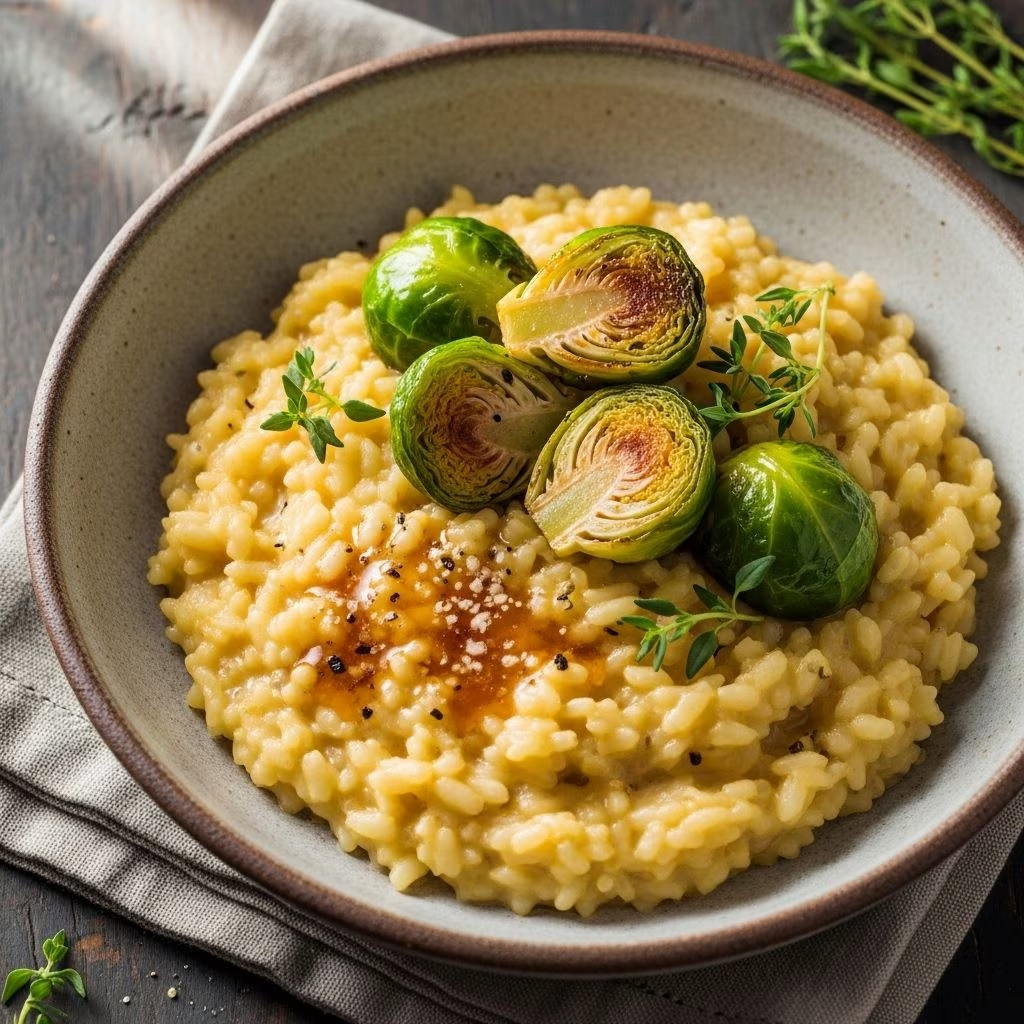
The Perfect Marriage of Flavors: Risotto with Brussels Sprouts and Browned Butter
There’s something truly magical about the combination of creamy, perfectly cooked risotto paired with the earthy sweetness of Brussels sprouts and the nutty richness of browned butter. This sophisticated dish transforms humble ingredients into an extraordinary culinary experience that will leave you craving more with every spoonful.
This recipe represents the epitome of comfort food elevated to restaurant-quality dining. The slow, methodical process of making risotto allows the Arborio rice to release its natural starches, creating that signature creamy texture that makes risotto so beloved. When combined with caramelized Brussels sprouts that have been lovingly sautéed in golden browned butter, the result is nothing short of spectacular.
Essential Ingredients for Success
The beauty of this dish lies in its carefully selected, high-quality ingredients that work together harmoniously to create an unforgettable flavor profile.
The Foundation: Premium Butter
The recipe calls for one stick of European-style super premium butter, which serves as both a cooking medium and a flavor enhancer. The process of browning butter transforms it from a simple fat into a complex, nutty ingredient with deep caramel notes that elevate every component of the dish.
The Star Vegetable: Fresh Brussels Sprouts
Two cups of trimmed and halved Brussels sprouts (approximately half a pound) provide the perfect vegetable component. These miniature cabbages, when properly prepared, offer a delightful contrast of textures – crispy on the outside and tender within, with a slightly sweet and mildly bitter flavor that complements the richness of the risotto.
The Aromatic Base
One medium onion, finely diced, and three cloves of minced garlic create the aromatic foundation that forms the flavor base of the risotto. These ingredients, when sautéed in browned butter, develop a golden sweetness that permeates throughout the entire dish.
The Rice: Arborio’s Creamy Magic
One cup of Arborio rice is the heart of this recipe. This short-grain Italian rice variety is specifically chosen for its high starch content, which creates the characteristic creamy texture of perfect risotto without the need for cream or other additives.
The Liquid Gold: Warm Chicken Broth
Four cups of low-sodium chicken broth, kept warm throughout the cooking process, provides the liquid that the rice gradually absorbs. The warmth of the broth is crucial – cold broth would shock the rice and interrupt the cooking process, preventing the proper release of starches.
The Finishing Touches
Fresh thyme leaves add an herbaceous note that brightens the entire dish, while salt and black pepper allow for seasoning to taste. Freshly grated Parmesan cheese serves as the final flourish, adding a sharp, salty complexity that ties all the flavors together.
The Art of Browning Butter: Creating Liquid Gold
The process begins with one of the most crucial steps in this recipe – creating perfectly browned butter. This technique, known as beurre noisette in French cuisine, transforms ordinary butter into an ingredient with profound depth and complexity.
Using a large, high-sided skillet placed over medium-low heat, the butter is added and allowed to melt completely. Patience is essential here – rushing this process will result in burned rather than browned butter. As the butter heats, it begins to bubble gently, and the pan should be swirled continuously to prevent burning.
The magic happens as the butter continues to cook and the water content evaporates. The milk solids begin to caramelize, creating beautiful golden solids in the bottom of the pan while the liquid butter takes on a deep, amber hue. The aroma becomes distinctly nutty and toasted, signaling that the browning process is complete.
Half of this precious browned butter is reserved in a heatproof bowl, waiting to be stirred in at the end of cooking to provide a final burst of nutty richness that will make the dish truly extraordinary.
Brussels Sprouts: From Bitter to Beautiful
The Brussels sprouts receive special attention in this recipe, transforming from their sometimes maligned reputation into golden, caramelized gems that add both texture and flavor complexity to the finished risotto.
With the heat increased to medium, the halved Brussels sprouts are added to the remaining browned butter in the pan. The sautéing process takes approximately eight minutes, during which the sprouts are stirred occasionally to ensure even cooking. This timing is perfect for achieving Brussels sprouts that are slightly tender while maintaining some textural integrity.
During this cooking phase, the natural sugars in the Brussels sprouts begin to caramelize, creating those coveted golden-brown edges that provide both visual appeal and concentrated flavor. The sprouts develop a sweet, nutty character that perfectly complements the browned butter, while their slight bitterness adds depth and prevents the dish from becoming overly rich.
Building the Risotto Foundation
Once the Brussels sprouts have achieved their perfect golden color and tender texture, they are removed from the pan and set aside, making way for the construction of the risotto base. The same pan, now infused with the flavors of browned butter and caramelized Brussels sprouts, becomes the vessel for creating the risotto.
The finely diced onion and minced garlic are added to the skillet along with one tablespoon of the reserved browned butter. This combination is stirred and cooked for three to four minutes, allowing the aromatics to become translucent and golden. This step is crucial for building the flavor foundation of the risotto.
The Arborio rice is then added to the pan and stirred for exactly one minute. This brief toasting process, known as tostatura in Italian cooking, lightly coats each grain of rice with the aromatic fat and begins the cooking process. The rice should be stirred constantly during this minute to ensure even coating and prevent sticking.
The Gradual Broth Addition: Patience Rewarded
The heart of risotto-making lies in the gradual addition of warm broth, a process that cannot be rushed and requires constant attention. This methodical approach allows each grain of rice to slowly release its starches, creating the signature creamy consistency that defines perfect risotto.
The first cup of warm broth is added to the rice mixture, and the stirring begins. The liquid should be stirred gently but consistently as the rice absorbs the broth, a process that takes approximately two to three minutes. The stirring motion helps release the starches from the rice while preventing the grains from sticking to the bottom of the pan.
Once the first addition of broth has been absorbed and no liquid is visible in the pan, the second cup is added. This pattern continues – adding broth, stirring until absorbed, then adding more – for the duration of the cooking process, which typically takes twenty to twenty-five minutes.
The gradual absorption of warm broth allows the rice to cook evenly while building the creamy texture that makes risotto so distinctive. Each addition of broth brings the dish closer to perfection, with the rice gradually transforming from hard, individual grains into a cohesive, creamy mass.
Testing for Perfect Doneness
Achieving the perfect texture in risotto requires careful attention and periodic testing. The rice should be tender but still maintain a slight al dente bite – firm enough to have character but not so soft that it becomes mushy. This balance is crucial for the success of the dish.
After approximately twenty to twenty-five minutes of gradual broth addition and stirring, the rice should be tested for doneness. If additional tenderness is needed, more warm broth can be added and the cooking process continued until the desired texture is achieved.
The final consistency should be creamy and flowing, with the rice bound together by its own released starches rather than appearing dry or separated. When the spoon is drawn through the risotto, it should leave a temporary trail that slowly fills back in.
The Grand Finale: Bringing It All Together
Once the rice has reached perfect doneness, the magic of assembly begins. The caramelized Brussels sprouts, which have been patiently waiting, are stirred back into the risotto along with the fresh thyme leaves. The herbs add a bright, aromatic note that lightens the richness of the dish.
The remaining reserved browned butter is stirred in at this point, providing that final layer of nutty complexity that makes this dish truly special. Adding the browned butter at the end allows its distinctive flavor to shine through without being diminished by prolonged cooking.
Salt and black pepper are added to taste, with careful attention paid to balancing the flavors. The dish should be well-seasoned but not overpowering, allowing each component to contribute to the overall harmony.
Finally, freshly grated Parmesan cheese is stirred in, adding a sharp, salty element that provides the perfect counterpoint to the rich, creamy base. The cheese also adds an additional layer of umami that deepens the overall flavor profile.
Serving and Presentation
This risotto is best served immediately while it’s at its peak temperature and consistency. The dish should be plated in warm bowls and can be garnished with additional fresh thyme leaves and extra Parmesan cheese for those who desire it.
The visual presentation is as important as the flavor – the golden Brussels sprouts studded throughout the creamy, pale risotto create an appealing contrast, while the aromatic steam rising from the hot dish adds to the sensory experience.
Frequently Asked Questions
Q: Can I use regular butter instead of European-style butter?
A: While European-style butter is recommended for its higher fat content and richer flavor, regular butter can be substituted. The browning process will still create the desired nutty flavor, though the result may be slightly less rich.
Q: Is it necessary to use Arborio rice?
A: Arborio rice is strongly recommended due to its high starch content, which creates the signature creamy texture. Other short-grain rices like Carnaroli or Vialone Nano can be substituted, but long-grain rice will not produce the same results.
Q: Can I prepare any components ahead of time?
A: The Brussels sprouts can be trimmed and halved earlier in the day, and the broth can be warmed and kept ready. However, risotto is best made fresh and served immediately for optimal texture and temperature.
Q: What should I do if my risotto becomes too thick?
A: If the risotto becomes too thick during cooking, simply add more warm broth, one ladle at a time, stirring until the desired consistency is reached. The final dish should flow slightly when stirred.
Q: How do I know when the butter is properly browned?
A: Properly browned butter will have golden-brown solids in the bottom of the pan, a deep amber color, and a distinctly nutty aroma. The process typically takes 5-7 minutes over medium-low heat with constant swirling.
References
- https://www.thepioneerwoman.com/food-cooking/recipes/a78654/risotto-with-brussels-sprouts-and-browned-butter/
- https://www.thepioneerwoman.com/food-cooking/cooking-tips-tutorials/a99417/brussels-sprouts-101/
- https://www.thepioneerwoman.com/food-cooking/recipes/a10447/brussels-sprouts-with-balsamic-and-cranberries/
- https://www.mormonmavens.com/risotto-with-brussels-sprouts-browned-butter/
- https://www.thepioneerwoman.com/food-cooking/meals-menus/g37328783/brussels-sprouts-recipes/
- https://tastykitchen.com/recipes/main-courses/risotto-with-brussels-sprouts-and-browned-butter/