Zucchini noodles, often called zoodles, are a delicious, healthy, and versatile alternative to traditional pasta. Quick to prepare and easy to customize, zoodles are a staple for anyone seeking lighter meals, gluten-free options, or just more inspiring ways to enjoy summer’s abundant zucchini. This comprehensive guide details how to make, cook, and serve zucchini noodles, highlights their nutritional benefits, and provides creative inspiration for your next meal.
Why Zucchini Noodles?
Zoodles are a fantastic way to add more vegetables to your diet while keeping meals light and low in carbs. Their neutral flavor pairs well with a range of sauces and toppings, making zoodles an endlessly customizable base for your favorite dishes. Whether you’re following a low-carb or gluten-free diet, or simply love fresh, veggie-packed meals, zucchini noodles deserve a spot in your culinary repertoire.
- Low-carb and low-calorie: Only 19 calories and about 4 grams of carbohydrates per cup, compared to roughly 200 calories and 40 grams of carbs for regular pasta per cup.
- Highly nutritious: Zucchini is a good source of potassium, vitamin C, vitamin A, folate, magnesium, and fiber.
- Hydration: Zucchini is about 95% water, helping you stay hydrated.
- Gluten-free: Perfect for those with celiac disease or gluten sensitivity.
The Best Tools for Cutting Zucchini Noodles
There are several effective tools for transforming zucchini into noodles, and your choice depends on the shape and texture you want and what’s available in your kitchen.
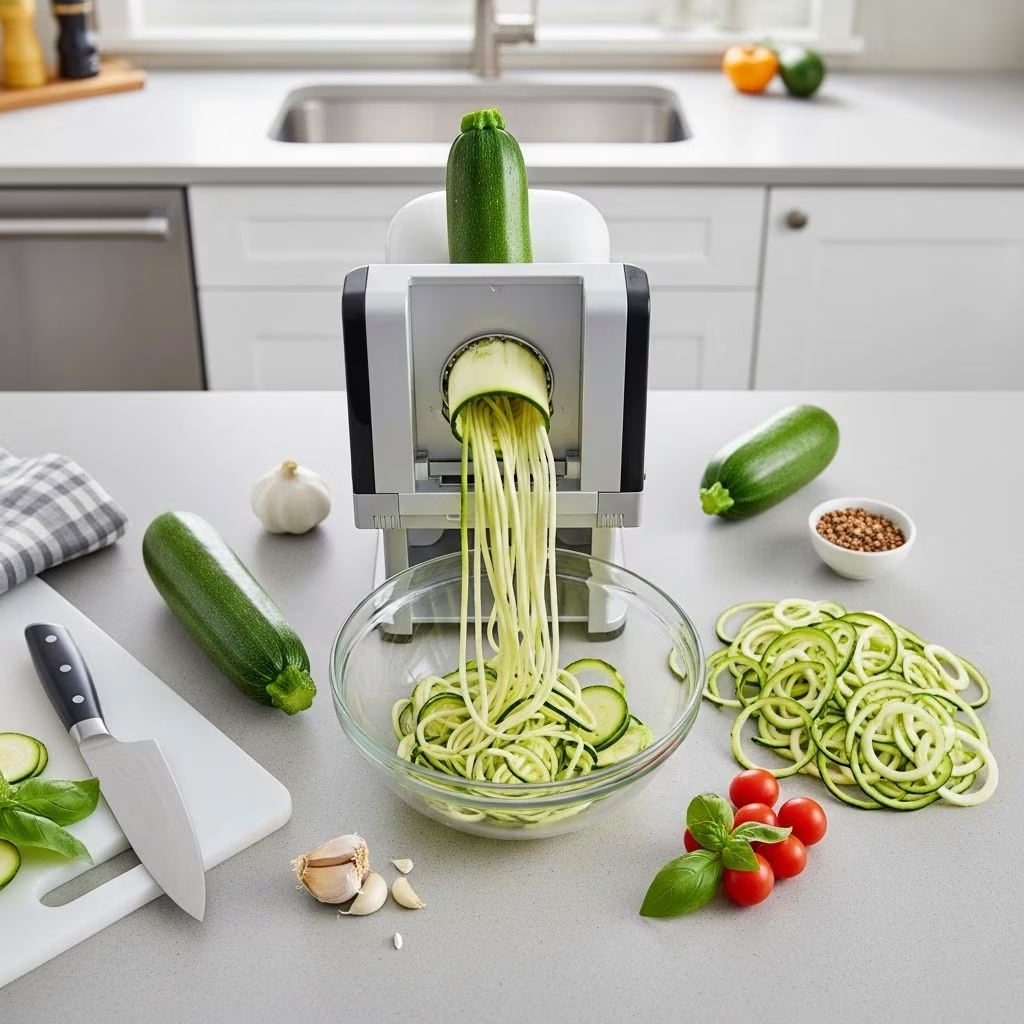
- Spiralizer: The classic tool for long, uniform, curly noodles. Spiralizers come in handheld and tabletop versions and work best with medium to large zucchinis.
- Julienne Peeler: A compact kitchen gadget that creates straight noodles with a more ‘homey’ look. Simply drag the peeler down the length of the zucchini.
- Mandoline Slicer: Equipped with a julienne blade, this tool makes quick work of a pile of zucchinis and delivers matchstick-sized noodles.
- Regular Vegetable Peeler: For rustic, wide “ribbon” noodles, use a standard vegetable peeler to shave long, thin strips along the length of the zucchini.
- Knife: With some patience and a steady hand, you can cut thin planks and then slice them into strips for homemade noodles.
Step-by-Step: How to Make Zucchini Noodles
Ready to get started? Follow these basic steps for perfect zucchini noodles every time.
- Wash and trim the zucchini. Remove both ends, but there’s no need to peel the skin unless you prefer a softer noodle.
- Choose your cutting tool and create noodles in your preferred shape—spirals, ribbons, or matchsticks.
- Pat noodles dry with a clean kitchen towel or paper towels. Removing excess moisture prevents soggy noodles and helps them absorb sauces.
- Use or store: If not cooking right away, store raw zucchini noodles in an airtight container lined with paper towels in the refrigerator for up to 3 days.
Cooking Methods: How to Cook Zucchini Noodles
Zucchini noodles cook quickly and can turn mushy if overdone. Here are the best methods to achieve perfectly cooked zoodles:
- Sautéing: Heat a little olive oil in a large skillet over medium-high heat. Add the noodles and toss frequently for 2–4 minutes, just until softened but still bright green. Avoid overcrowding the pan.
- Stir-Frying: Similar to sautéing, stir-frying uses a wok and works best for Asian-inspired dishes.
- Microwaving: Place noodles in a microwave-safe bowl and heat for 1–2 minutes. Pat dry with paper towels if needed to remove excess moisture.
- Boiling (Not Recommended): Even a quick plunge in boiling water can make zoodles mushy. Use this method only if you’re mixing zoodles with regular pasta for extra volume.
- Raw: Zucchini noodles are delicious raw, tossed with vinaigrette or pesto, for a refreshing summer salad.
Tips for Perfect Zucchini Noodles
- Don’t overcook: Zoodles only need 2–4 minutes to soften. Remove them from heat as soon as they’re tender-crisp.
- Drain excess moisture: Zucchini contains a lot of water. Salt the noodles and let sit for 10–15 minutes, then pat dry, especially if using them in baked dishes.
- Add sauces just before serving: Sauce can make zoodles watery if mixed too early. For thick, clingy sauces, serve noodles immediately after tossing.
- Mix with regular pasta: Combine zoodles and pasta for a lighter dish that still satisfies carb cravings.
Nutritional Benefits of Zucchini Noodles
| Nutrient | Per 1 cup Zucchini Noodles | % Daily Value (approx) |
|---|---|---|
| Calories | 19–27 | 1% |
| Carbohydrates | 3.5–5g | 2% |
| Fiber | 1–2g | 4–8% |
| Protein | 1–2g | 3% |
| Fat | 0–1g | <1% |
| Potassium | 500–514mg | 10–15% |
| Vitamin C | 20–26mg | 25–30% |
| Vitamin A | 390–450 IU | 7–11% |
| Folate | 57mg | 14% |
In addition, zucchini is rich in antioxidants, which help reduce oxidative stress, may help support eye and heart health, and promote healthy digestion.
How to Store Zucchini Noodles
- Raw noodles: Store in an airtight container lined with paper towels in the refrigerator for up to 3 days.
- Cooked noodles: Best eaten immediately. If leftovers remain, store in a covered container in the refrigerator for up to 1 day. Expect extra liquid on reheating—drain before serving.
- Freezing: Not recommended, as the high water content of zucchini leads to a mushy texture when thawed.
Zoodles vs. Traditional Noodles: A Quick Comparison
| Feature | Zucchini Noodles (Zoodles) | Regular Pasta (per cup) |
|---|---|---|
| Calories | 19–27 | 200–210 |
| Carbs | 4–5g | 40g |
| Fiber | 1–2g | 2g |
| Gluten-free | Yes | No |
| Vitamins & Minerals | High (Vitamin C, A, Potassium) | Lower |
Serving Ideas: Delicious Ways to Eat Zoodles
Zucchini noodles make a fresh and healthy foundation for many meal ideas. Here are a few flavor-packed ways to enjoy them:
- Pesto Zoodles: Toss hot or raw noodles with a vibrant basil pesto, cherry tomatoes, and toasted pine nuts.
- Garlic-Parmesan Zoodles: Sauté zoodles in olive oil and garlic, then finish with grated Parmesan and black pepper.
- Zoodle Primavera: Sauté zoodles with seasonal vegetables, olive oil, and a splash of lemon juice for color and flavor.
- Asian-Style Zoodles: Stir-fry noodles with ginger, garlic, soy sauce, and sesame oil. Top with scallions and sesame seeds.
- Zoodles with Marinara: Simmer zoodles briefly in your favorite marinara sauce and serve with fresh basil and mozzarella.
- Cold Zoodle Salad: Combine raw noodles with sliced radish, cucumber, and a tangy vinaigrette for a cooling salad.
Creative Recipe Ideas
Looking to take your zoodles to the next level? Try these:
- Zoodle “Alfredo”: Toss sautéed noodles with a creamy, lightened-up sauce based on yogurt or cashews, fresh herbs, and a sprinkle of Parmesan.
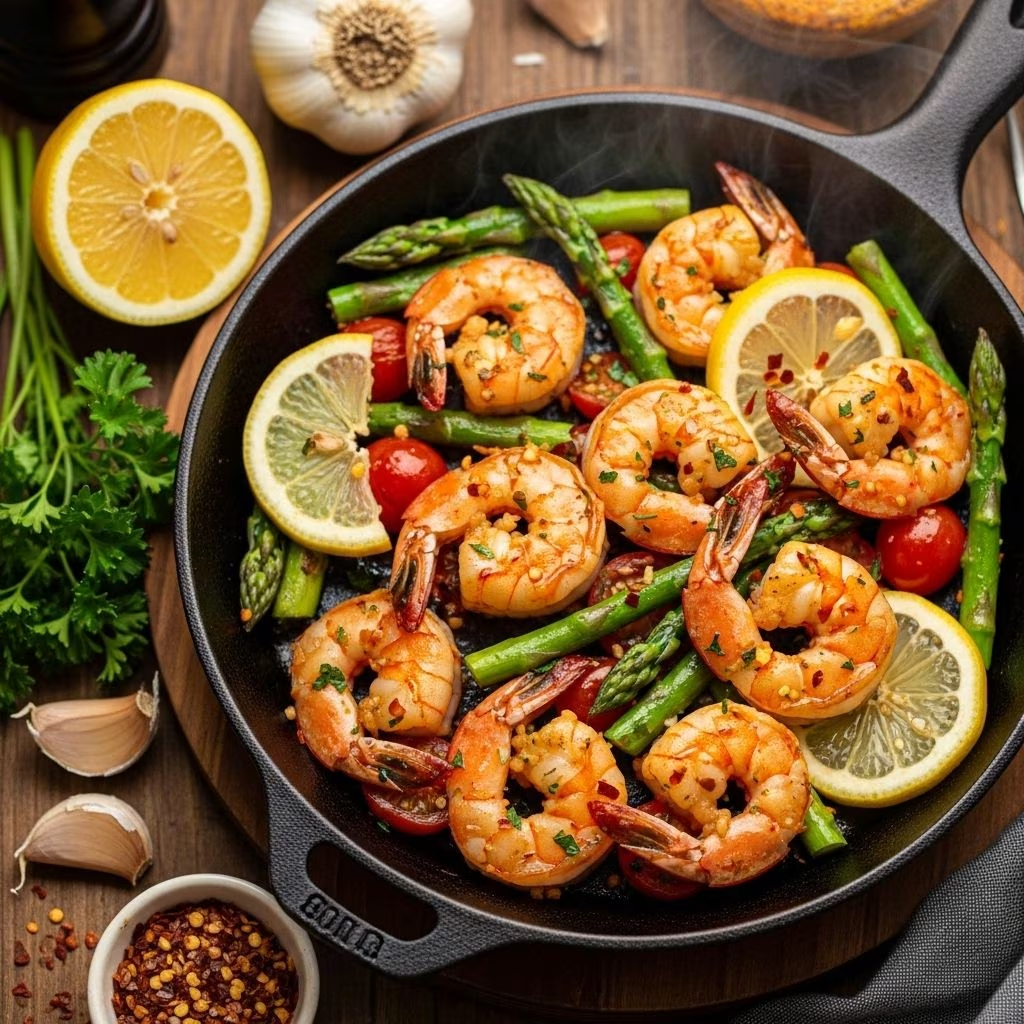
- Lemon Shrimp Zoodles: Sauté shrimp in garlic and olive oil, add lemon zest and juice, then toss with warm zoodles.
- Chicken Zoodle Soup: Substitute zoodles for noodles in classic chicken soup for a gluten-free, lower-carb meal.
- Bolognese Zoodles: Top sautéed zoodles with a rich beef or turkey sauce, simmering everything together for hearty flavor.
Zucchini Noodles FAQs
What is the best way to avoid soggy zoodles?
Pat them dry after cutting; sauté or stir-fry quickly over high heat, and add sauces just before serving. Salt zoodles and let them drain for 10–15 minutes, then squeeze out excess water for best results.
Do you have to peel zucchini before making noodles?
No, the peel is both edible and nutritious. It adds color, texture, and extra fiber. Only peel if you want a milder flavor or softer noodle.
Can I use yellow squash instead of zucchini?
Yes, yellow summer squash makes great noodles, though they may be a bit less firm and release more water. Pat them dry before cooking.
What sauces work best with zucchini noodles?
Light, oil-based sauces, pesto, lemon-garlic, tomato-based sauces, and Asian-inspired glazes all flatter zoodles. Heavy cream sauces can overwhelm their delicate texture but are possible with proper draining.
Are zucchini noodles good for weight loss?
Absolutely—zoodles are low in calories and carbs, contain fiber and water, and are filling, making them ideal for weight management plans.
Frequently Asked Questions
Q: Can you prep zucchini noodles ahead?
A: Yes, raw zoodles can be prepared up to 3 days in advance. Store them in an airtight container lined with paper towels for best results.
Q: How many zucchinis do I need per serving?
A: Typically, 1 medium zucchini yields about 1 to 1.5 cups of noodles, which makes one generous serving.
Q: Are zoodles gluten-free and keto-friendly?
A: Yes, zucchini noodles are naturally gluten-free and low in net carbs, making them suitable for keto, Paleo, and gluten-free diets.
Q: Can zucchini noodles be eaten raw?
A: Definitely. Zoodles are crisp, refreshing, and perfect for salads when raw. Just dress and serve.
Q: Do zucchini noodles taste like pasta?
A: Zoodles are mild and slightly sweet, with a tender-crisp texture. They don’t taste like wheat pasta but provide a satisfying base for many sauces.
Ready to give zoodles a try? With so many easy options for cutting and cooking, plus loads of health benefits, zucchini noodles are sure to become a beloved addition to your kitchen routine. Experiment with flavors and sauces, and discover all the ways this humble vegetable can shine!
References
- https://www.slenderkitchen.com/article/zucchini-noodles-and-zoodles
- https://draxe.com/nutrition/zoodles/
- https://www.healthline.com/nutrition/zucchini-benefits
- https://wildgrain.com/blogs/news/regular-pasta-vs-zoodles-vs-spaghetti-squash
- https://www.downtoearth.org/articles/health-tips/10451/oodles-zoodles
- https://health.clevelandclinic.org/zucchini-health-benefits
- https://blogs.csun.edu/nutritionexperts/2018/04/17/oodles-of-zoodles/