Introduction
Cooking ahead is more than a trend—it’s a practical solution for busy families, working parents, and anyone looking to enjoy home-cooked meals without the daily hassle. Whether you’re new to meal prep or a seasoned planner, preparing food in advance saves time, reduces stress, and helps avoid last-minute takeout. This guide walks you through everything you need to know to successfully cook for tomorrow, including time-saving tips, must-try recipes, and answers to your most common questions.
Why Cook Ahead for Tomorrow?
We’ve all faced those evenings when there’s just not enough time to start from scratch. Cooking ahead lets you break up kitchen time, so you’re not tackling everything at once. With a little planning, you can enjoy hot, flavorful meals—even on your busiest days.
- Save Time: Prep once, eat multiple times. Chop, marinate, or fully cook dishes when you have a few extra minutes.
- Reduce Stress: No more 5 PM “What’s for dinner?” panic. Just reheat and enjoy.
- Eat Healthier: Takeout can be tempting, but home-cooked meals give you control over ingredients and portion sizes.
- Waste Less Food: Use up leftovers and ingredients efficiently, reducing grocery bills and food waste.
Setting Yourself Up for Success
Cooking ahead starts with planning. Here’s how to set yourself up for a week of easy meals:
Plan Your Menu
Decide what you want to eat, considering your schedule, dietary needs, and cravings. Mix up proteins, grains, and vegetables for variety.
Shop Smart
Create a grocery list based on your menu. Shop for fresh ingredients, shelf-stable pantry staples, and any special items for your planned dishes.
Prep in Batches
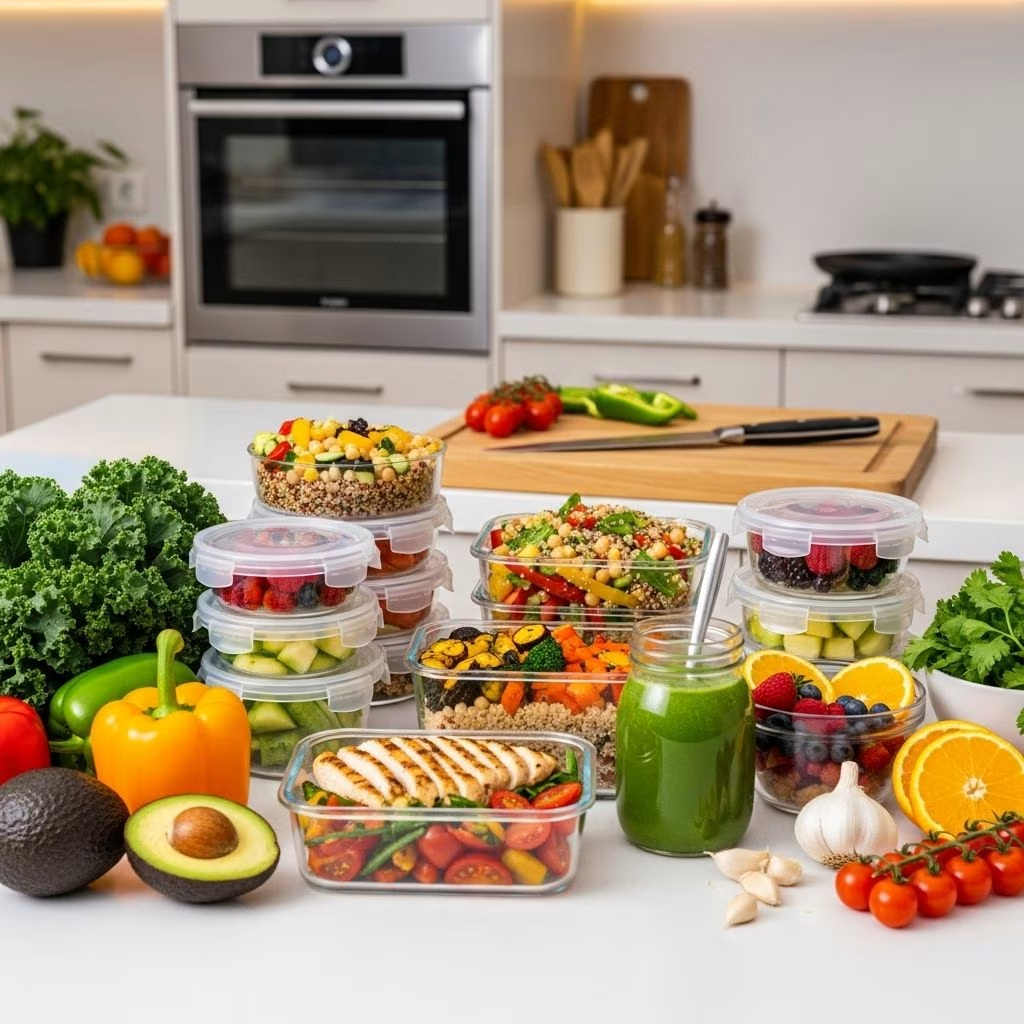
Block out an hour or two to wash, chop, marinate, and pre-cook. Batch cooking grains, proteins, and veggies makes assembling meals a breeze.
Essential Meal Prep Tools
Having the right equipment can make or break your meal prep routine. Here’s what you’ll need:
| Tool | Purpose |
|---|---|
| Chef’s Knife & Cutting Board | For chopping vegetables, fruits, and proteins quickly and safely. |
| Mixing Bowls | Great for marinating, tossing salads, and holding prepped ingredients. |
| Sheet Pans | Roast vegetables, meats, or bake multiple dishes at once for efficiency. |
| Glass Storage Containers | Store prepped items and leftovers safely in the fridge or freezer. |
| Slow Cooker or Instant Pot | Easily cook large batches of soups, stews, or grains with little supervision. |
Top Make-Ahead Dishes
Not every dish is suited for cooking ahead, but many are even better after a day or two in the fridge. Here are some top categories to consider:
Soups & Stews
Flavors deepen over time, making soups and stews perfect for make-ahead meals. Try classic chili, chicken soup, or vegetarian minestrone.
Casseroles
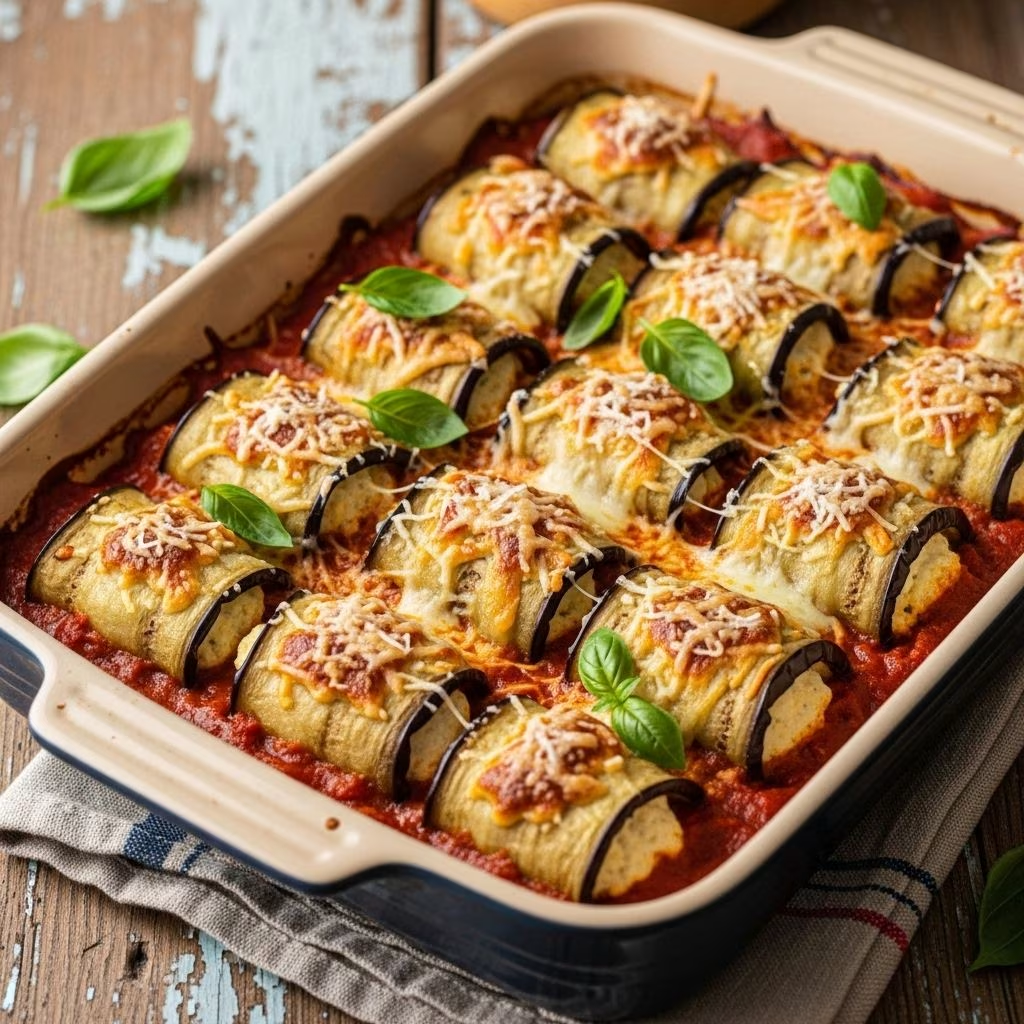
Casseroles are the ultimate comfort food for meal prep. Assemble in advance, refrigerate, and just bake when needed.
Grain & Pasta Salads
Quinoa, farro, or pasta salads hold up well, absorbing dressings and flavors as they sit.
Marinated Proteins
Chicken, tofu, or fish marinated in your favorite sauce can be cooked quickly when you’re ready to eat.
Breakfasts
Prepare overnight oats, breakfast burritos, or muffins for busy mornings.
Sample Make-Ahead Recipes
Here are a few easy, flexible recipes to inspire your meal prep routine:
Hearty Vegetable Soup
Simmer onions, carrots, celery, canned tomatoes, broth, and your choice of protein (chicken, beef, beans) for an hour. Let cool, refrigerate, and reheat for a quick, nourishing meal.
Cheesy Chicken & Rice Bake
Sauté onions, garlic, and chicken, mix with cooked rice, a can of tomatoes, and cheese. Cover and bake. Refrigerate leftovers for up to three days.
Overnight Oats
Combine rolled oats, milk (or a dairy-free alternative), chia seeds, and sweetener in a jar. Refrigerate overnight; add fresh fruit and nuts before serving.
Storing & Freezing Meals
Proper storage ensures your meals stay fresh and safe:
- Refrigeration: Most cooked dishes last 3–4 days in the fridge. Store in airtight containers and label with dates.
- Freezing: Soups, stews, casseroles, and baked goods freeze well. Use freezer-safe containers and leave room for expansion.
- Thawing: Transfer frozen meals to the fridge overnight to thaw. Reheat thoroughly before eating.
Reheating Tips
To bring back the best texture and flavor:
- Oven: Great for casseroles, baked pasta, and roasted vegetables (350°F until heated through).
- Stovetop: Reheat soups, stews, and stir-fries gently, stirring often.
- Microwave: Quick for individual portions; cover to retain moisture, and stir midway.
Creative Ways to Repurpose Leftovers
Turn last night’s dinner into something new:
- Roasted chicken becomes chicken salad, tacos, or soup.
- Leftover rice is perfect for stir-fries, fried rice, or rice pudding.
- Vegetable sides can be blended into soups or added to omelets.
Meal Prep for Special Diets
Cooking ahead works for nearly any dietary need:
- Vegetarian & Vegan: Focus on beans, lentils, tofu, and hearty vegetables. Try tofu scrambles, lentil soups, or grain bowls.
- Gluten-Free: Use gluten-free grains like quinoa, rice, or certified oats. Check labels on sauces and broths.
- Low-Carb/Keto: Prep egg muffins, cauliflower rice, and protein-rich salads.
Timing Your Meal Prep
Meal prep doesn’t have to take hours. Here’s how to break it down:
- Daily Prep: Spend 10–15 minutes washing produce, repacking snacks, or marinating proteins.
- Weekly Prep: Set aside 1–2 hours for major projects—cooking grains, roasting veggies, and portioning meals.
- Monthly Prep: Freeze extra portions of family favorites for busier weeks.
Overcoming Common Meal Prep Challenges
Even seasoned preppers run into obstacles. Here’s how to tackle them:
Lack of Time
Meal prep can feel overwhelming if you try to do everything at once. Start small—just prep a few ingredients or one meal. Even partial prep (chopping veggies, marinating meat) can make weekday cooking much faster.
Boredom
Eating the same thing all week can get old. Plan for variety—prepare a few different proteins, grains, and sauces each week, and mix and match. Try new spices, cuisines, or kitchen gadgets to keep things interesting.
Storage Space
Invest in stackable, space-efficient containers. Use freezer bags for flat storage (soups, sauces) and jars for salads or overnight oats.
Make-Ahead Smoothie Packs
Smoothies are an easy way to get a nutritious breakfast or snack on the go. Pre-measure all your ingredients—frozen fruit, greens, flaxseed, etc.—into single-serve bags. Just dump into the blender with liquid, blend, and enjoy.
Kid-Friendly Meal Prep Ideas
Getting kids involved can make meal prep fun and encourage healthier eating:
- Let kids assemble their own lunches with prepped ingredients: whole-grain wraps, sliced veggies, hummus, and cheese cubes.
- Create a snack station with pre-portioned containers of fruit, nuts, and yogurt.
- Freeze smoothie pops or yogurt tubes for easy, healthy treats.
Meal Prep on a Budget
Cooking ahead can actually save money, if done right:
- Buy in bulk when possible, especially for grains, beans, and frozen produce.
- Shop sales and use coupons for proteins and pantry staples.
- Repurpose leftovers and use what you have before it spoils.
FAQs: Cooking Ahead for Tomorrow
How long do cooked meals last in the fridge?
Most cooked meals are safest for 3–4 days in the fridge. If you won’t eat them within that time, freeze for longer storage.
Can you freeze everything?
Not everything freezes well—foods with high water content (lettuce, cucumbers) can get mushy. Dairy-based sauces sometimes separate. But soups, stews, and many baked goods freeze beautifully.
How do you keep meals from being soggy when reheated?
Reheat in the oven or toaster oven for crispier textures. For microwave reheating, cover food with a damp paper towel to prevent drying out.
Is it safe to reheat food more than once?
It’s best to reheat food only once after cooking, to minimize the risk of bacterial contamination.
What’s the best way to meal prep for a family?
Plan meals the whole family enjoys, and get everyone involved in the process. Batch cook staples that can be customized (rice, pasta, roasted veggies, proteins) so everyone can build their own plates.
Conclusion
Cooking ahead for tomorrow is a practical, budget-friendly way to make healthy, delicious meals a regular part of your life—even when life gets hectic. With a little planning, the right tools, and a handful of versatile recipes, you can enjoy home-cooked food every day, without the last-minute stress. Start small, experiment with flavors, and find the routine that works best for your household. Your future self will thank you!