Yellowstone Chef Gator’s Cast Iron Ribeye: Legendary Cowboy Steak
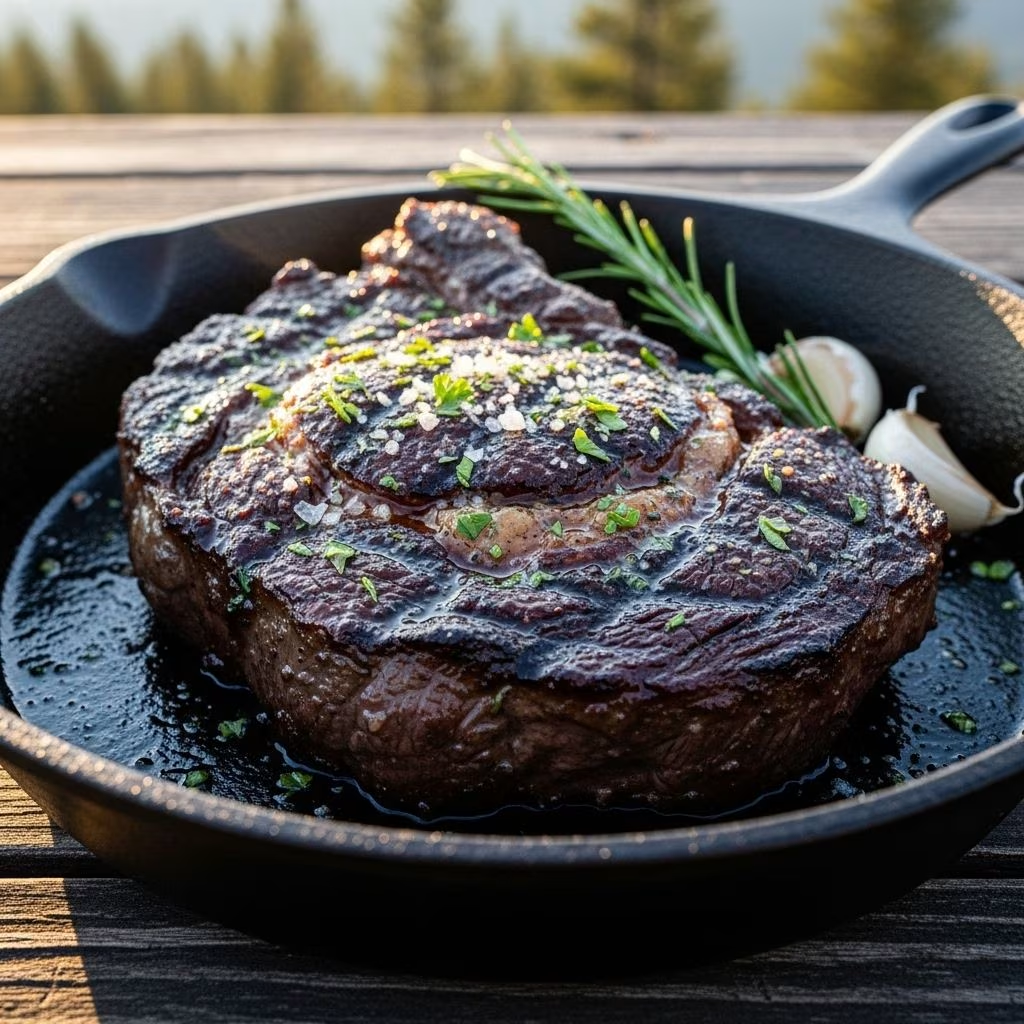
Cowboy cuisine has long been a symbol of rugged simplicity and hearty flavor, but few recipes embody these traditions as boldly as the cast iron-seared ribeye steak prepared by Chef Gator on the set of Yellowstone. Sourced from the official ‘Yellowstone’ Cookbook, this steak recipe merges culinary technique with honest cowboy storytelling, making it more than just a meal—it’s a rite of passage for cast, crew, and fans alike.
Introduction
The ribeye steak has achieved legendary status on the Yellowstone set, not just for its bold flavor and perfect crust, but as a symbol of cowboy camaraderie and culinary tradition. Chef Gator, whose real name is Gabriel Guilbeau, brings authenticity from his Louisiana roots and family cookouts to the cast and crew of this hit series. His cooking blends classic Southern flavors with rugged Montana cowboy sensibilities, offering a steak experience few can rival.
Yellowstone: A Celebration of Cowboy Food
Cowboy cuisine is more than steak—it’s a reflection of long days, hard work, and gathering around a fire or table for nourishment and storytelling. In the Yellowstone cookbook, you’ll find Cajun gumbo, fried shrimp, dirty rice, and corn maque choux, but it’s the cast iron-seared ribeye steak that stands out as a favorite among the cast and even the crew.
- Cajun gumbo and fried shrimp reveal Gator’s Southern heritage.
- Dirty rice and corn maque choux add depth and regional flavor.
- Ribeye steak remains the iconic cowboy indulgence, often devoured by crew with their bare hands.
Chef Gator and His Steak Legacy
Steak wasn’t just something Chef Gator perfected on set. It was a staple of his childhood, taught and enjoyed with his father during weekend cookouts. “We liked to eat ribeyes. In fact, it’s still what I like to eat,” Chef Gator says. On the Yellowstone set, cooking steak has taken on new meaning—it’s considered almost a ritual, with cast members trying their first hand-held steak at camp. “At some point, you’ve gotta eat a steak with your hands,” Gator explains, capturing the spirit of cowboy cooking.
Ingredients
To recreate Chef Gator’s legendary ribeye, you will need the following:
| Ingredient | Amount | Details |
|---|---|---|
| Thick-cut boneless ribeye steaks | 2 | About 12 oz. each, 1.5 inches thick |
| Kosher salt | To taste | For seasoning |
| Coarsely ground black pepper | To taste | For seasoning |
| Olive oil | As needed | To coat pan |
| Turbinado sugar | For sprinkling | Provides caramelization and crust |
| Unsalted butter | 2 Tbsp. | For basting |
| Hot-pepper sauce | 3 dashes | Or to taste |
| Fresh thyme | For serving | Optional garnish |
Step-by-Step Directions
- Remove the Steaks: Bring steaks to room temperature by removing them from the refrigerator 30 to 60 minutes before cooking.
- Salt the Steaks: Generously season both sides of each steak with kosher salt.
- Heat the Pan: Place a cast-iron frying pan (large enough for both steaks) over medium-high heat until slightly smoking. Drizzle with olive oil to coat.
- Sear: Add steaks to the hot pan, turning heat to high. Sear until bottoms are deep golden brown (2-3 minutes).
- Flip and Continue Searing: Flip steaks; sear the other side for about 2 additional minutes.
- Add Sugar and Pepper: Sprinkle turbinado sugar for crust; season with black pepper. Flip steaks again.
- Butter and Hot Sauce: Lower heat to medium. Add butter; season steaks with hot-pepper sauce. Swirl pan and spoon butter over steaks until it browns and steaks reach desired doneness (about 4 minutes for medium-rare).
- Rest: Transfer steaks to cutting board; rest for 5 minutes before slicing and serving. Top with fresh thyme if desired.
Chef Gator’s Cooking Tips and Traditions
- Room Temperature Steak: Letting the meat warm helps with even cooking.
- Generous Salt: Salt moves into the meat, intensifies flavor, and creates the foundation for a satisfying crust.
- Sugar for Caramelization: “Sprinkle a little coarse sugar over the steak. It provides an extra layer of caramelization,” Chef Gator notes, emphasizing that the crust makes the steak special.
- High-Heat Cast Iron: Cast iron retains heat, giving steak its signature golden crust.
- Basting with Butter: Swirling the browned butter and repeatedly spooning it over the steak enhances richness.
The Art of the Crust
A great ribeye isn’t just about tenderness—it’s about the perfect, caramelized crust. Chef Gator’s trick using turbinado sugar helps amplify this effect, creating both flavor and texture. Combined with high heat, salt, and pepper, the crust sets Yellowstone steaks apart in presentation and taste.
- Why sugar? The crystalline texture of turbinado sugar browns without burning, adding subtle sweetness and crunch.
- Pan selection: Only a true cast iron skillet achieves the right balance of char and juicy interior.
Frequently Asked Questions (FAQs)
Q: Can I use bone-in ribeye instead of boneless?
Yes, bone-in ribeye provides even more flavor and can be cooked similarly. Adjust timing for thickness.
Q: What’s the ideal steak thickness?
Chef Gator recommends 1.5-inch thick steaks for perfect crust and juicy results. Thinner steaks will cook quicker and may not develop as robust a crust.
Q: Is it necessary to use turbinado sugar, or can I substitute?
Turbinado sugar is best for its slow melting and caramelization properties, but in a pinch, you can use brown sugar or even coarse white sugar.
Q: Why cook steak with hot-pepper sauce?
Hot-pepper sauce adds subtle heat and depth to the steak’s glaze, balancing out the rich beef and butter flavors.
Q: Can I use other herbs besides thyme?
Absolutely. Rosemary, sage, or parsley can be swapped in based on season or preference.
Q: Is cast iron seasoning important?
Yes, a well-seasoned cast iron pan prevents sticking and ensures even heat for an ideal crust (see ‘About Cast Iron Cooking’ below).
Serving Suggestions & Pairings
- Classic Sides: Mashed potatoes, dirty rice, or corn maque choux reflect both cowboy and Cajun traditions for your steak dinner.
- Fresh Salad: Add a tangy salad with a simple vinaigrette to cut through the richness.
- Grilled Vegetables: Asparagus, squash, or Texas sweet onions balance the hearty steak.
About Cast Iron Cooking
The cast iron skillet is beloved for its ability to retain and evenly distribute high heat, crucial for the steak’s caramelized exterior. Over time, cast iron also builds a natural non-stick surface, intensifying flavors and making cleanup easier. To maintain your skillet:
- Season regularly with a thin layer of oil after each use.
- Avoid soap; clean with coarse salt and water.
- Dry thoroughly to prevent rust.
Cowboy Food on Yellowstone
The tradition of cowboy food on Yellowstone is both authentic and celebratory. Chef Gator’s ribeye recipe is just one of many dishes enjoyed by the cast and crew, symbolizing long-standing culinary rituals. From Louisiana classics to Montana ranch staples, sharing meals forms the heart of Yellowstone’s culture—and the ribeye steak remains the centerpiece of this ongoing legacy.
- Cowboy ribeye cooked in cast iron brings together rustic flavor and modern technique.
- Crews bond by eating steak with their hands—a pure, communal experience.
- Other favorites include gumbo, fried shrimp, and hearty side dishes celebrating regional diversity.
Final Thoughts: Bringing Yellowstone Home
Chef Gator’s cast iron ribeye recipe is more than a meal—it’s a connection to Yellowstone history, cowboy culture, and the shared joy of authentic home cooking. Whether prepared for a family dinner or a campfire feast among friends, the combination of simple seasoning, caramelized crust, and buttery richness captures the very heart of American ranch cuisine. Follow these steps, embrace the traditions, and savor a steak worthy of the Dutton ranch—or any great kitchen.
Frequently Asked Questions (FAQs)
Q: What should I do if my steak comes out tough?
A: Make sure to use well-marbled ribeye and avoid overcooking. For extra tenderness, let the steak rest well after cooking.
Q: Can I replicate this recipe on a grill instead of cast iron?
A: Yes, a hot grill recreates the charred crust and smoky flavor. Use the same approach: salt, sugar, butter for basting, and rest before slicing.
Q: How do I determine steak doneness without a thermometer?
A: Use the finger test: gently press steak for resistance. Soft = rare, slightly springy = medium-rare, firm = well-done.
Q: What’s the importance of letting steak rest?
A: Resting allows juices to redistribute, ensuring moist and flavorful steak slices.
Nutritional Information & Cowboy Wisdom
- Protein-rich: Ribeye is a strong source of protein, iron, and B vitamins.
- Balanced meal: Pair with vegetables and grains for a balanced cowboy dinner.
Chef Gator’s wisdom remains: “A real good steak is all about the crust.” Savor the ritual and celebration of great ribeye, shared among friends just like on Yellowstone.
References
- https://www.thepioneerwoman.com/food-cooking/recipes/a45084844/yellowstone-chef-gator-ribeye-steak-recipe/
- https://www.thepioneerwoman.com/food-cooking/recipes/a9744/pan-fried-ribeye-steak-heaven-in-a-skillet/
- https://www.youtube.com/watch?v=oe_NkIlHZJU
- https://www.youtube.com/watch?v=xAVa_KX0GlU
- https://dinnerwithdiana.wordpress.com/category/chefs/ree-drummond-pioneer-woman/