Gordon Ramsay Style Mac and Cheese: The Ultimate Comfort Recipe
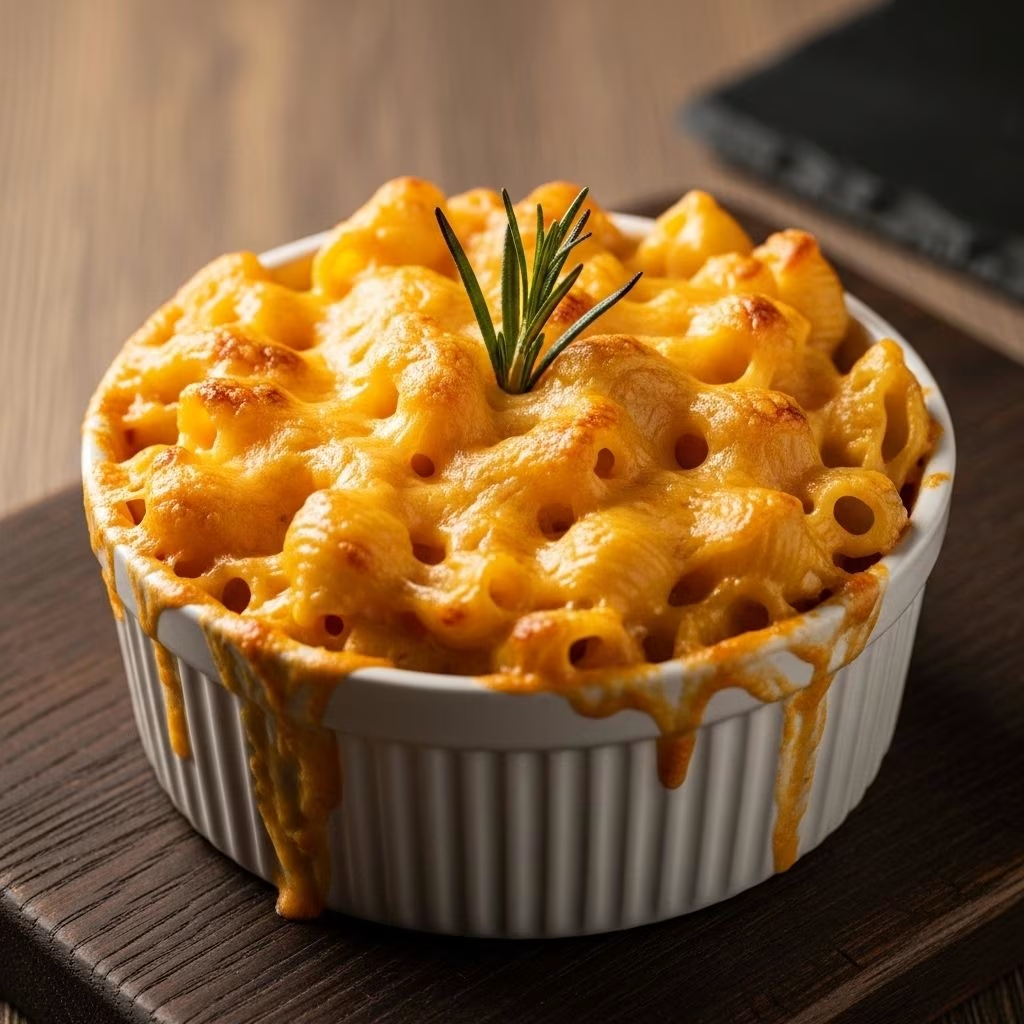
This gourmet adaptation of the classic mac and cheese draws on chef Gordon Ramsay’s signature style, delivering a dish that’s rich, ultra-creamy, and layered with complex cheese flavors. Perfect for everyday comfort or as a show-stopping side at gatherings, this mac and cheese achieves a luscious sauce, perfectly cooked pasta, and a golden, crunchy top—every bite is pure indulgence.
Introduction
Mac and cheese has long held a cherished place in kitchens around the world. Gordon Ramsay’s take on this beloved classic elevates it with a blend of luxurious cheeses, a hint of Dijon mustard, and a crisp baked topping that offers contrast to the creamy interior. The practical, gourmet-inspired method creates a dish that’s as at home on a restaurant menu as it is at the family table.
Ingredients
For the creamiest, most flavorful mac and cheese, gather the following ingredients:
- Macaroni Pasta: 450g (1 lb), or elbow pasta
- Unsalted Butter: 56g (4 tbsp)
- All-Purpose Flour: 30g (¼ cup)
- Whole Milk: 480ml (2 cups), warmed
- Heavy Cream: 240ml (1 cup)
- Sharp Cheddar Cheese: 2 cups, grated
- Gruyère Cheese: 1 cup, grated
- Parmesan Cheese: ½ cup, grated (plus extra for topping)
- Dijon Mustard or Mustard Powder: 1 tsp
- Salt and Black Pepper: to taste
- Nutmeg: ½ tsp, optional
- Paprika: ½ tsp, optional (for added flavor and color)
- Panko or Regular Breadcrumbs: ½ cup, for topping
- Butter, Melted: 2 tbsp (for mixing with breadcrumbs)
Special Notes
- Pasta shape: While elbow macaroni is classic, penne, fusilli, or shells can also work.
- Cheese blend: Opt for a mix of sharp cheeses for flavor complexity.
- Breadcrumbs: Panko breadcrumbs create a crispier topping; regular breadcrumbs work too.
Step-by-Step Instructions
Follow these steps for a professional, restaurant-quality mac and cheese:
- Preheat Oven: Set your oven to 190°C (375°F).
- Cook the Pasta:
- Boil macaroni in salted water until just al dente—1 minute less than directed on the package (the pasta will finish cooking in the sauce).
- Drain and set aside.
- Make the Roux:
- In a large saucepan over medium heat, melt 56g (4 tbsp) of butter.
- Whisk in 30g (¼ cup) flour and cook for 2 minutes until light golden, stirring constantly.
- Build the Béchamel:
- Slowly add the warm milk and cream (480ml milk + 240ml cream), whisking as you pour to prevent lumps.
- Continue stirring until the sauce thickens and coats the back of a spoon.
- Add Seasoning:
- Remove sauce from heat and stir in 1 tsp Dijon mustard or mustard powder, salt, pepper, and nutmeg or paprika if using.
- Incorporate the Cheeses:
- Gradually fold in the grated cheeses (cheddar, Gruyère, Parmesan), letting each addition melt before adding the next. This ensures a smooth, creamy sauce.
- Combine Sauce and Pasta:
- Gently fold the cooked pasta into the cheese sauce until evenly coated.
- Take care not to break up the pasta by overmixing.
- Prepare for Baking:
- Pour the pasta and sauce into a buttered baking dish.
- Mix panko breadcrumbs with 2 tbsp melted butter and a little more Parmesan, then sprinkle evenly over the top.
- Bake:
- Bake at 190°C (375°F) for 20–25 minutes, or until the top is golden brown and the edges are bubbling.
- Serve:
- Let the mac and cheese cool for 5–10 minutes before serving. This helps the sauce set and intensifies the flavors.
Tips & Tricks for Perfect Mac and Cheese
- Choose Strong-Flavored Cheeses: Sharp cheddar and Gruyère add richness and tang; a bit of Parmesan gives depth and saltiness.
- Don’t Overcook the Pasta: Keeping the pasta firm avoids mushy results after baking.
- Warm Your Dairy: Adding warm milk and cream helps create a smoother sauce.
- Stir Constantly: While making béchamel, constant whisking prevents lumps, ensuring a creamy base.
- Customize the Topping: Mix in a pinch of smoked paprika, fresh herbs, or extra cheese to your breadcrumb topping for added flavor.
- Nutmeg Adds Warmth: Just a hint (¼ to ½ tsp) warms the flavors without overpowering the cheese.
Choosing the Right Cheeses
The variety and quality of cheese make all the difference:
- Sharp Cheddar: Classic, tangy flavor and creamy melt.
- Gruyère: Nutty, slightly sweet, and melts beautifully into the sauce.
- Parmesan: Salty, umami-rich, and helps thicken the sauce.
For a twist, try adding fontina, mozzarella, or even a touch of blue cheese. Adjust the proportions for your taste, but keep at least half as cheddar for authenticity.
Substitutions & Variations
This recipe invites customization. Here are some ideas:
- Make It Spicy: Add a pinch of cayenne pepper or diced jalapeños to the sauce.
- Vegetable Boost: Fold in sautéed spinach, peas, roasted cauliflower, or broccoli before baking.
- Protein Additions: Top with crispy bacon, diced ham, rotisserie chicken, or lobster for luxury.
- Gluten-Free: Substitute with gluten-free pasta and flour, and use gluten-free panko for the topping.
- Dairy-Free: Use plant-based butter, milk, cream, and cheeses if you have dietary restrictions.
- Cauliflower Mix: For a lighter version, replace half the macaroni with lightly steamed cauliflower florets just as Gordon Ramsay sometimes recommends in other bakes.
Nutrition Facts
| Nutrient | Amount (per serving) |
|---|---|
| Calories | ~500 kcal |
| Protein | 19g |
| Fat | 28g |
| Carbohydrates | 43g |
| Sugar | 5g |
| Fiber | 2g |
| Sodium | 650mg |
Nutrition values are estimated for a typical serving and may vary with optional ingredients and cheese types.
Frequently Asked Questions
Q: Can I make mac and cheese ahead of time?
A: Yes! Assemble the dish (leave off the breadcrumb topping), cover, and refrigerate for up to 24 hours. When ready to bake, add topping and bake as directed, adding a few extra minutes if baking from cold.
Q: How do I keep the sauce from becoming grainy?
A: Use freshly grated cheeses—not pre-shredded—and add them to the sauce off the heat. Pre-shredded cheeses often contain anti-caking agents which inhibit melting.
Q: Why bake mac and cheese if it’s already cooked?
A: Baking creates a golden, crispy topping and allows the flavors to meld. The contrast between the creamy sauce and crunchy top is key to this dish’s appeal.
Q: Can I freeze leftover mac and cheese?
A: Yes! Portion into airtight containers and freeze for up to 2 months. Thaw overnight in the refrigerator and reheat in the oven or microwave, adding a splash of milk if needed to restore creaminess.
Q: Which side dishes pair best with mac and cheese?
A: Serve with crisp green salads, roasted vegetables, or grilled proteins for a balanced meal.
Serving & Presentation Ideas
- Finish with a final sprinkle of Parmesan and chopped chives or parsley before serving.
- Use mini-casserole dishes for individual portions at dinner parties.
- For special occasions, drizzle with a little truffle oil or top with sautéed wild mushrooms.
Conclusion
Gordon Ramsay’s mac and cheese is a celebration of comfort, simplicity, and indulgence, brought together by careful cheese selection, velvety sauce, and a satisfyingly crisp top. This versatile dish is easily customized and guaranteed to please crowds—whether it’s a weeknight dinner or the star of a holiday table. Once you master this method, classic macaroni and cheese will become a cornerstone of your home cooking repertoire.
References
- https://www.gordonramsay.com/gr/recipes/macaroni-and-cauliflower-bake-with-three-cheeses/
- https://www.youtube.com/watch?v=4Qv1XeO5XEY
- https://cheframsayrecipes.com/gordon-ramsay-creamy-mac-and-cheese-recipe/
- https://gordonramsayeats.com/gordon-ramsay-creamy-mac-and-cheese/
- https://www.pinterest.com/pin/gordon-ramsay-mac-and-cheese-recipe-thefoodxp–838725130614317373/