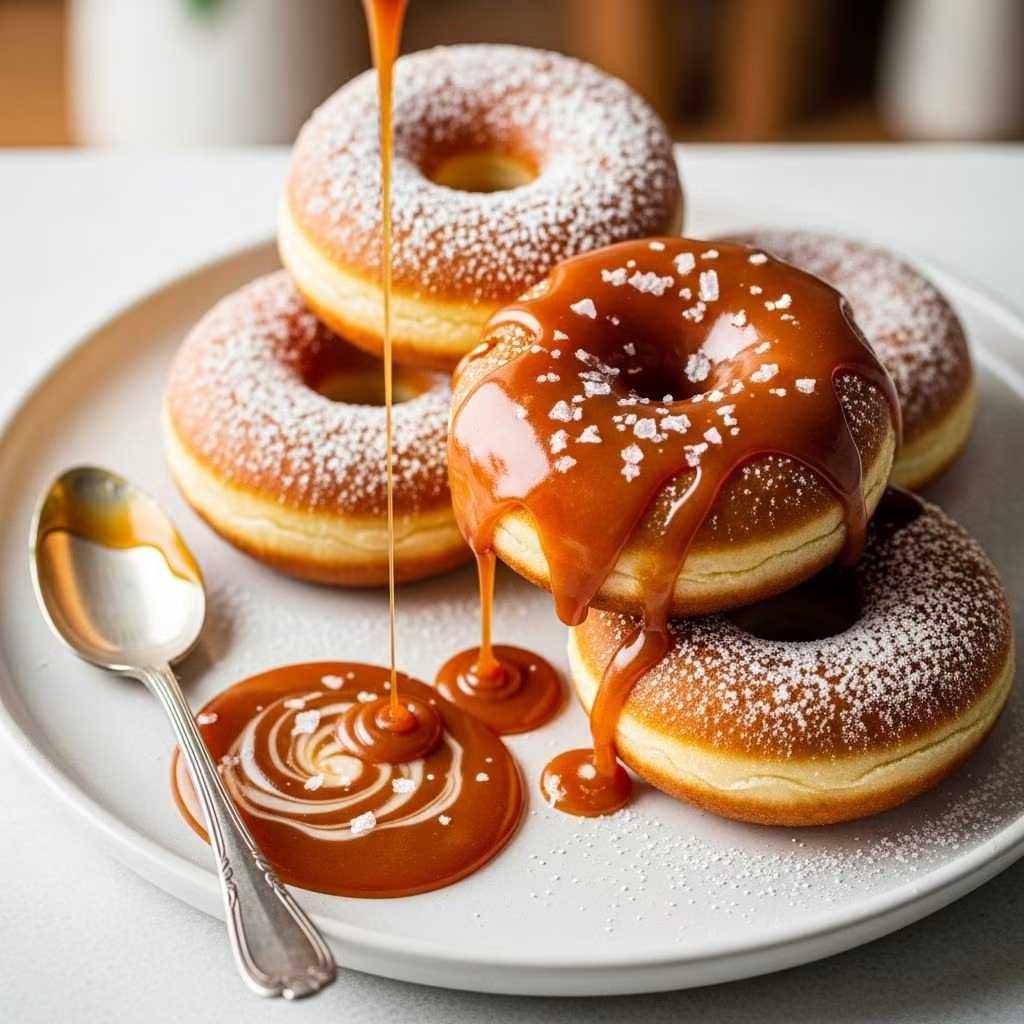
There’s something magical about the combination of warm, pillowy doughnuts and rich, buttery salted caramel sauce. This indulgent treat brings together the best of both worlds – the comfort of freshly fried dough and the sophisticated sweetness of homemade caramel. Whether you’re planning a special weekend breakfast, hosting a brunch gathering, or simply want to treat yourself to something extraordinary, these doughnuts with salted caramel sauce will exceed every expectation.
The beauty of this recipe lies not just in its incredible taste, but also in the satisfaction of creating everything from scratch. While store-bought doughnuts might be convenient, nothing compares to the texture and flavor of homemade ones. The dough is tender and light, with just the right amount of sweetness, while the salted caramel sauce provides that perfect balance of sweet and salty that makes each bite irresistible.
Why This Doughnut Recipe Works
What sets this doughnut recipe apart is its foolproof approach to achieving the perfect texture and flavor. The dough uses a combination of techniques that ensure consistent results every time:
- Proper yeast activation: Starting with active dry yeast ensures a good rise and fluffy texture
- Temperature control: Maintaining the right oil temperature prevents greasy or undercooked doughnuts
- Balanced ingredients: The right ratio of flour, sugar, and fat creates the perfect dough consistency
- Resting time: Allowing the dough to rise properly develops flavor and structure
The salted caramel sauce complements the doughnuts beautifully without overwhelming their delicate flavor. Made with simple ingredients – sugar, butter, cream, and a touch of sea salt – it transforms these already delicious doughnuts into a gourmet dessert.
Essential Ingredients for Perfect Doughnuts
Creating exceptional doughnuts starts with quality ingredients. Each component plays a crucial role in achieving the desired texture and flavor:
For the Doughnuts:
- All-purpose flour: Provides structure while maintaining tenderness
- Active dry yeast: Creates the light, airy texture characteristic of great doughnuts
- Granulated sugar: Sweetens the dough and feeds the yeast
- Whole milk: Adds richness and moisture
- Unsalted butter: Contributes to flavor and creates a tender crumb
- Large eggs: Provide structure and richness
- Salt: Enhances all other flavors
- Vanilla extract: Adds depth and warmth to the flavor profile
- Vegetable oil: For frying – choose oil with a high smoke point
For the Salted Caramel Sauce:
- Granulated sugar: The base of the caramel
- Unsalted butter: Adds richness and helps create the smooth texture
- Heavy cream: Creates the creamy consistency
- Sea salt: Provides the essential salty contrast
- Vanilla extract: Enhances the overall flavor
Step-by-Step Doughnut Making Process
Making homemade doughnuts might seem intimidating, but breaking it down into manageable steps makes the process enjoyable and achievable:
Preparing the Dough
Begin by activating the yeast in warm milk with a pinch of sugar. This step is crucial – the mixture should become foamy within 5-10 minutes, indicating that the yeast is alive and ready to work. If it doesn’t foam, start over with fresh yeast.
In a large mixing bowl, combine the flour, remaining sugar, and salt. Create a well in the center and add the yeast mixture, melted butter, eggs, and vanilla. Mix until a soft dough forms, then knead on a floured surface for about 8-10 minutes until the dough becomes smooth and elastic.
First Rise
Place the kneaded dough in a greased bowl, cover with a damp towel, and let it rise in a warm place for about 1-2 hours, or until doubled in size. This first rise is essential for developing flavor and creating the light texture that makes great doughnuts.
Shaping the Doughnuts
Once the dough has risen, punch it down gently and roll it out on a floured surface to about 1/2-inch thickness. Use a doughnut cutter or two round cutters (one large, one small) to cut out the doughnuts and holes. Place them on parchment-lined baking sheets, leaving space between each one.
Second Rise
Cover the shaped doughnuts with a clean towel and let them rise again for 30-45 minutes. They should look puffy and almost doubled in size. This second rise ensures the final texture will be light and airy.
Mastering the Salted Caramel Sauce
While the doughnuts are rising, prepare the salted caramel sauce. This recipe requires attention and patience, but the results are worth the effort:
Creating Perfect Caramel
Start by heating granulated sugar in a heavy-bottomed saucepan over medium heat. As the sugar begins to melt, stir occasionally with a heat-resistant spatula. The sugar will first clump together, then gradually melt into a smooth, amber-colored liquid. This process takes patience – rushing it will result in burnt caramel.
Once the sugar reaches a deep amber color, immediately remove it from heat and quickly whisk in the butter. Be careful, as the mixture will bubble vigorously. Slowly pour in the heavy cream while whisking constantly. The mixture may seize up initially, but continue whisking until smooth.
Finishing Touches
Return the saucepan to low heat and simmer for 2-3 minutes, stirring constantly, until the sauce reaches your desired consistency. Remove from heat and stir in the vanilla extract and sea salt. The sauce should be smooth and pourable but not too thin.
Frying Techniques for Perfect Results
Proper frying technique is crucial for achieving golden, non-greasy doughnuts. Here are the key points to remember:
Oil Temperature Management
Heat vegetable oil to 375°F (190°C) in a heavy-bottomed pot or deep fryer. Use a candy thermometer to monitor the temperature throughout the frying process. Oil that’s too hot will burn the outside before the inside cooks; oil that’s too cool will make the doughnuts greasy.
Frying Process
Carefully lower 2-3 doughnuts at a time into the hot oil using a slotted spoon. Fry for 1-2 minutes per side, or until golden brown. Don’t overcrowd the pot, as this will lower the oil temperature and result in greasy doughnuts.
Remove the doughnuts with a slotted spoon and drain on paper towels or a wire rack. Let them cool for a few minutes before glazing or serving.
Serving and Presentation Ideas
The presentation of your doughnuts can elevate them from simple treats to impressive desserts:
- Classic drizzle: Drizzle the warm salted caramel sauce over the doughnuts just before serving
- Dipping station: Serve the sauce in small bowls for dipping
- Glazed finish: Dip the tops of cooled doughnuts in slightly cooled caramel for a glossy coating
- Garnish options: Sprinkle with sea salt flakes, toasted nuts, or a light dusting of powdered sugar
Storage and Reheating Tips
While doughnuts are best enjoyed fresh and warm, proper storage can help maintain their quality:
Short-term Storage
Store unfrosted doughnuts in an airtight container at room temperature for up to 2 days. Keep the salted caramel sauce covered in the refrigerator for up to one week.
Reheating Methods
To refresh day-old doughnuts, warm them in a 350°F oven for 3-4 minutes. For the caramel sauce, gently reheat it in a saucepan over low heat, stirring frequently, or microwave in 15-second intervals.
Troubleshooting Common Issues
Even experienced bakers encounter challenges. Here are solutions to common problems:
| Problem | Cause | Solution |
|---|---|---|
| Dense, heavy doughnuts | Over-kneaded dough or insufficient rising | Knead just until smooth; ensure proper rising time and temperature |
| Greasy doughnuts | Oil temperature too low | Maintain oil at 375°F throughout frying |
| Burnt exterior, raw interior | Oil temperature too high | Lower temperature and fry longer |
| Grainy caramel sauce | Sugar crystallized during cooking | Start over; avoid stirring sugar too much initially |
Variations and Flavor Combinations
Once you’ve mastered the basic recipe, consider these delicious variations:
- Cinnamon sugar doughnuts: Roll warm doughnuts in cinnamon sugar instead of using caramel
- Chocolate caramel: Add melted dark chocolate to the caramel sauce
- Spiced doughnuts: Add nutmeg, cinnamon, or cardamom to the dough
- Filled doughnuts: Use a piping bag to fill cooled doughnuts with caramel sauce or pastry cream
Frequently Asked Questions
Q: Can I make the dough ahead of time?
A: Yes, you can prepare the dough through the first rise, then refrigerate it overnight. Let it come to room temperature before shaping and continuing with the recipe.
Q: What’s the best oil for frying doughnuts?
A: Vegetable oil, canola oil, or peanut oil work best due to their neutral flavor and high smoke points. Avoid olive oil or butter for frying.
Q: How do I know when the caramel is ready?
A: The caramel should be a deep amber color and register about 340°F on a candy thermometer. It should smell nutty and caramelized, not burnt.
Q: Can I bake these doughnuts instead of frying?
A: While you can bake them at 375°F for 12-15 minutes, they won’t have the same texture as traditional fried doughnuts. The result will be more cake-like.
Q: How long does the salted caramel sauce keep?
A: The sauce will keep in the refrigerator for up to one week. Gently reheat before serving to restore its pourable consistency.
This recipe for doughnuts with salted caramel sauce represents the perfect marriage of technique and indulgence. While it requires some time and attention to detail, the process is straightforward and the results are consistently impressive. Whether you’re treating yourself to a special breakfast or impressing guests with a memorable dessert, these homemade doughnuts will deliver satisfaction in every bite. The combination of light, airy dough and rich, complex caramel sauce creates a treat that’s both comforting and sophisticated – truly the best of both worlds.