Do Dogs Know When You Step on Their Paws by Accident?
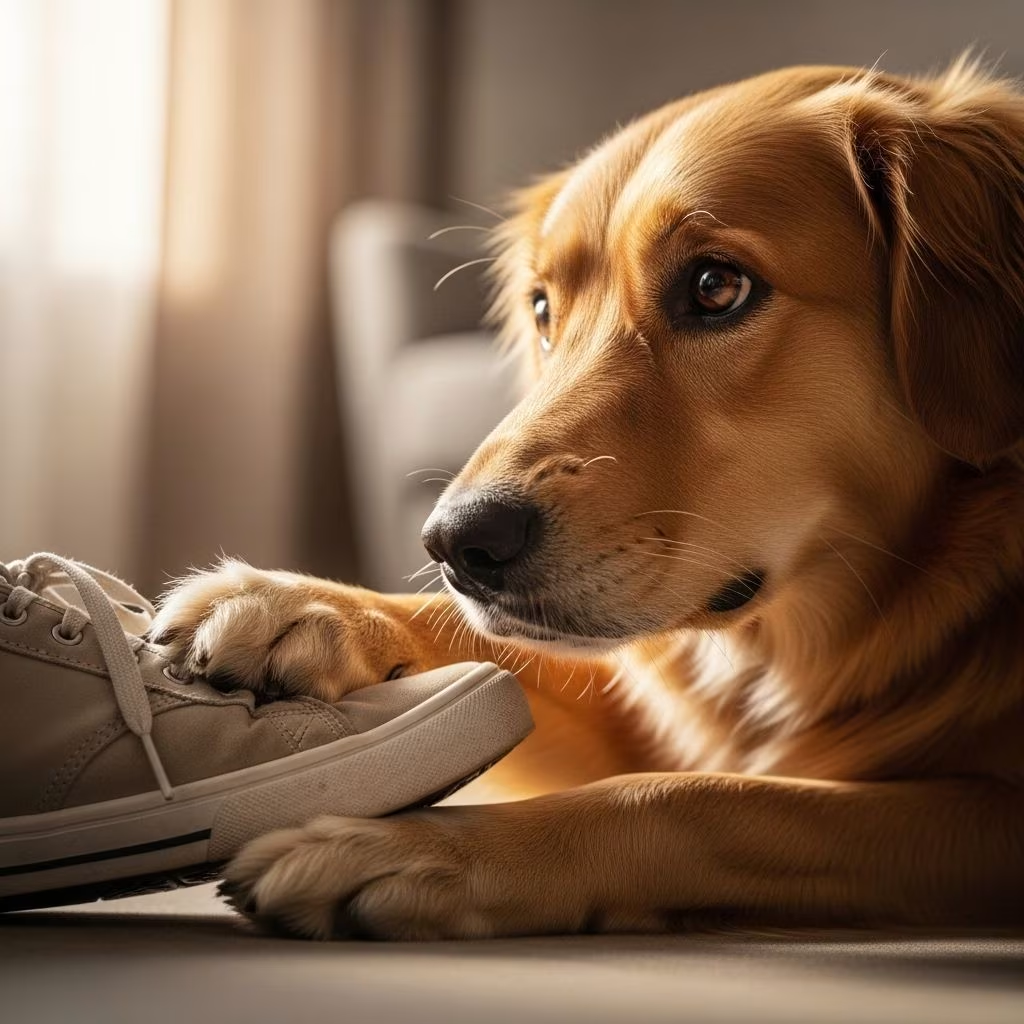
Most dog owners have experienced the sinking feeling that comes after accidentally stepping on their beloved pet’s paw. The initial yelp, the hurt look, and the flood of guilt is immediate. But do dogs really know you didn’t mean to hurt them? This article explores current research, expert insights, and practical tips to help you understand how dogs interpret human intentions and what you should do if you ever accidentally cause your pup pain.
Understanding Dogs’ Ability to Read Human Intentions
Over the years, researchers have sought to answer whether dogs can distinguish between actions done purposefully and those that are accidental. This question goes beyond curiosity—understanding the dog-human relationship sheds light on animal cognition and emotional intelligence.
What Science Says About Dog Cognition
- Dogs are highly sensitive to human body language. They often look to our faces and gestures to interpret our mood and intentions.
- Studies reveal dogs can differentiate between intentional and unintentional actions. For example, dogs responded differently when humans withheld treats on purpose versus by accident. When the treat was intentionally kept away, dogs often sat or lay down, signaling an understanding of the person’s intention. When a treat was dropped by mistake, dogs were more likely to remain attentive and hopeful, suggesting they could tell the difference between accident and intent.
- Dogs respond to our vocal tones and facial expressions. Apologizing in a soft, soothing voice and showing concern visually can be understood by your pet as signs of remorse.
The “Unwilling vs. Unable” Experiment
Researchers at the Max Planck Institute in Germany conducted the “unable vs. unwilling” study with 51 dogs of various breeds. Dogs were offered treats through a gap in a transparent barrier under three circumstances:
- Unwilling: The human deliberately pulled the treat back and withheld it.
- Unable: The human tried to give the treat but dropped it by accident, or was physically blocked by an obstacle.
Results showed:
- Dogs waited longer and often showed appeasement behaviors (like sitting or lying down) when the treat was withheld on purpose, implying they could ‘read’ that the action was intentional.
- When the treat was accidentally dropped or the person was prevented from delivering it, dogs were more likely to keep waiting actively and appeared optimistic, suggesting they recognized the lack of intent.
How Dogs React When You Accidentally Hurt Them
So, if you do step on your dog’s paw by accident, what goes through their mind?
- Startled response: Most dogs will yelp or withdraw, showing their shock or discomfort.
- Observation: Dogs closely observe your reaction after the incident. They pick up on guilt, concern, or love and use these cues to determine intent.
- Emotional resilience: While some dogs may momentarily act wary or anxious, especially immediately after the incident, most quickly forgive and resume normal behavior once they sense it was accidental and you still care for them.
Do Dogs Hold Grudges?
While a stepped paw may cause temporary hurt feelings, dogs do not bear grudges in the way humans do. Their social intelligence allows them to integrate your emotional response:
- Dogs can be startled or upset briefly, but with a proper response from you, their trust is restored quickly.
- Chronic or repeated negative interactions, however, can impact your relationship over time. A single accident, especially if handled with care and comfort, rarely causes lasting harm.
Your Dog Can Sense Your Emotions
Dogs are remarkable at picking up on human emotions. Studies indicate that canines pay attention to our emotional expressions, vocal tones, and even subtle behavioral shifts. When you feel guilty or distressed about hurting your dog, your pet often perceives this and responds accordingly.
- Dogs integrate emotional cues from both vocalizations and facial expressions.
- Using a gentle, apologetic voice and comforting gestures signals to your pup that you did not mean harm, promoting forgiveness and reassurance.
What To Do If You Accidentally Step on Your Dog’s Paw
Even the most careful pet parents make mistakes. If you accidentally cause your dog pain, take these steps:
- Stay calm. Your dog will look to you for cues. React calmly to avoid escalating anxiety.
- Check their paw. Inspect for signs of real injury, including redness, swelling, limping, or bleeding. If the paw looks hurt, apply a cold compress (such as an ice pack wrapped in a towel) for 10 minutes to reduce swelling.
- Apologize gently. Use a soft and soothing tone. Speak calmly and offer affection, reassuring your dog that it was a mistake.
- Observe your dog’s behavior. Give them a minute to process the event and come to you. Some dogs may want space first.
- Reward trust. After the incident, positive reinforcement (gentle petting, treats, or praise) helps restore normalcy and trust.
Can Dogs Recognize When Humans Are Clumsy?
An intriguing aspect of canine intelligence is the ability to distinguish clumsy human behavior from deliberate actions. Dogs’ responses to dropped food or accidental bumps demonstrate that they are quite adept at interpreting our mistakes:
- Dogs are more optimistic and patient when owners are clumsy, showing hope that the treat or positive interaction will still reach them.
- Purposeful withholding of rewards makes dogs more likely to show appeasement, potentially interpreting the behavior as intentional exclusion.
How Dogs Interpret Our Apologies
Owners often feel compelled to apologize after an accident. Your dog may not understand the words “I’m sorry” the way humans do, but they are keenly sensitive to your intention behind the apology:
- Using a soft, apologetic voice is comforting for dogs and helps convey your intention not to harm.
- Physical affection—such as gentle petting or hugging—along with calm words, usually helps your dog understand that all is well.
Building a Stronger Human-Dog Bond Through Understanding
Accidental injuries are unfortunate but can become opportunities to strengthen your bond. Science suggests that:
- Responding thoughtfully to your dog’s distress helps reinforce their sense of security and trust in you.
- Learning to recognize your dog’s signs of discomfort or anxiety enables you to avoid future incidents.
- Engaging in positive reinforcement and consistent affectionate communication bolsters your relationship long-term.
Frequently Asked Questions About Dogs and Human Accidents
Q: Will my dog forgive me if I accidentally step on him?
Yes, most dogs are quick to forgive accidents, especially if you show immediate affection, check for injury, and use a calm, apologetic tone. Dogs are sensitive to human emotion and do not bear grudges over genuine mistakes.
Q: Can stepping on my dog’s paw damage our bond?
An isolated incident, handled with reassurance and care, will not harm your relationship. Repeated or harsh treatment, however, can decrease trust over time. Positive responses reinforce a healthy bond.
Q: How do I know if my dog is really hurt?
Look for signs of limping, swelling, bleeding, excessive licking, or yelping. If symptoms persist, seek veterinary attention. Most paw injuries from accidental stepping are minor, but prompt first aid and observation are important.
Q: Should I punish my dog if he yelps or tries to bite after being stepped on?
No. Reacting aggressively or with punishment teaches fear and anxiety. Instead, respond with calm reassurance and care for your dog’s physical and emotional comfort.
Q: What can I do to prevent stepping on my dog in the future?
- Stay aware of your dog’s favorite resting spots, especially near your feet.
- Keep rooms well-lit and avoid distractions when walking indoors.
- Train your dog not to lie directly behind or underneath you, if possible.
Why Do Dogs Tilt Their Heads When We Talk to Them?
A charming question often asked by dog owners! Dogs tilt their heads to better locate sounds and interpret our voices. Besides widening their field of hearing, dogs with longer muzzles may rely more on head tilts to see our faces clearly. Hearing familiar words or gentle tones can prompt a cute tilt—part of how dogs try to understand us even further.
Key Takeaways
- Dogs recognize human intentions and can distinguish between accidental and purposeful actions.
- Apologies matter; using gentle tones and offering affection helps reassure your dog after accidents.
- Check your dog for injury if you accidentally hurt them, and seek veterinary care for serious injuries.
- Dogs don’t hold grudges and are quick to forgive, especially if you show care and love.
- Accidental incidents can strengthen your bond if handled with understanding and compassion.
References
- Research from the Max Planck Institute, as covered by Science Focus and animal behavior experts.
- Insights from dog trainers, veterinarians, and animal cognition studies.