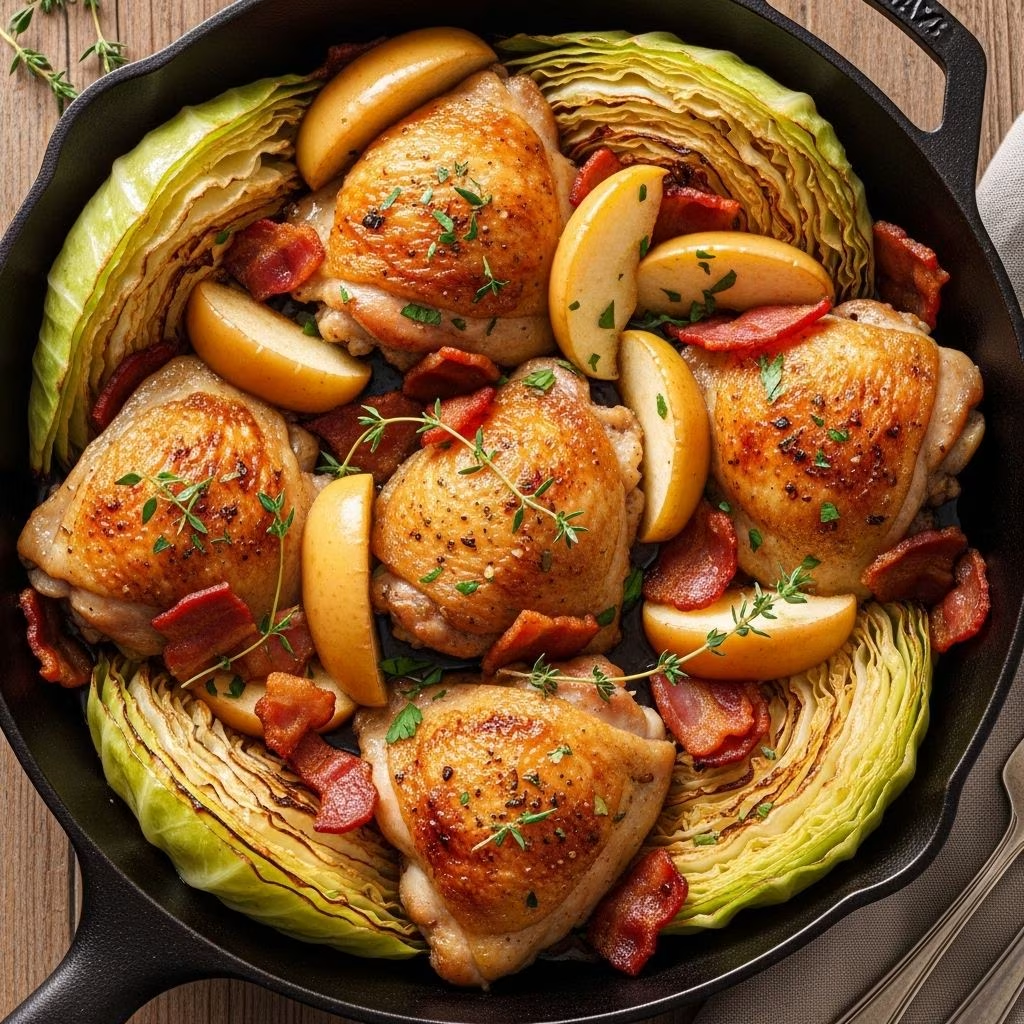
Roasted Chicken Thighs with Bacon, Apple, and Cabbage
If you’re searching for a meal that layers savory, sweet, and smoky flavors in a simple process, look no further than roasted chicken thighs with bacon, apple, and cabbage. This one-pan recipe is a celebration of comfort-food roots, making use of everyday ingredients and classic techniques to yield a dinner that’s both vibrant and deeply satisfying.
Why This Recipe Works
- Layered Flavor: Searing chicken thighs develops a deep, meaty flavor base, while bacon brings smoky richness. Apple adds subtle sweetness, and cabbage caramelizes for a nutty, mellow backbone.
- One-Pot Convenience: All the components roast together, allowing flavors to fuse and keeping cleanup minimal.
- Adaptability: Use what you have—swap in different greens, try pears for apples, and adjust seasonings to taste.
- Texture Balance: Crispy chicken skin contrasts with tender vegetables and the gentle crunch of browned cabbage.
Essential Ingredients
| Ingredient | Role | Notes & Substitutions |
|---|---|---|
| Chicken Thighs (bone-in, skin-on) | Main protein | Dark meat stays moist; substitute drumsticks if desired |
| Bacon | Adds fat & smoky flavor | Thick-cut preferred; pancetta or slab bacon work well |
| Apple (e.g., Honeycrisp or Gala) | Sweetness & balance | Pear or firm Asian pear as alternative |
| Cabbage (green or savoy) | Vegetable base | Kale, collards, or Napa cabbage for variation |
| Onion | Aromatic & base flavor | Leeks or shallots for milder taste |
| Apple Cider Vinegar | Bright acid | White wine vinegar, lemon juice, or sherry vinegar substitute |
| Brown Sugar | Enhances caramelization | Maple syrup or honey for flavor twist |
| Salt & Pepper | Seasoning | Adjust to taste |
Step-by-Step Guide
1. Prep Chicken and Bacon
Pat the chicken thighs dry and season generously with salt and pepper. Roughly chop the bacon into chunky pieces—leaving the pieces large helps retain texture during roasting.
2. Brown the Chicken
Heat a large, oven-safe skillet over medium-high. Add chicken thighs, skin side down, and sear undisturbed until the skin is golden and crisp, about 6–8 minutes. Turn and brown the other side (optional, but adds deeper flavor).
3. Sauté Bacon and Aromatics
Remove chicken and set aside. Pour off excess fat, leaving about 2–3 tablespoons. Add bacon to the pan and cook until slightly rendered and golden. Stir in sliced onions and cook until lightly browned.
4. Add Cabbage and Apple
- Shred or chop cabbage; the texture is based on preference—chunky pieces offer more bite, fine shreds melt into the dish.
- Core and chop apple into bite-sized chunks.
- Add both to the pan and let them soften, stirring often until edges start to caramelize.
5. Build the Braise Base
Stir in brown sugar for subtle sweetness, followed by a splash of apple cider vinegar. Allow the vinegar to reduce slightly, scraping the pan to dissolve browned bits—this step amplifies the depth of flavor.
6. Return Chicken and Roast
Nestle the seared chicken thighs, skin side up, atop the cabbage-apple mixture. Transfer the skillet to a preheated oven (375°F/190°C). Roast until the chicken is cooked through and juices run clear, about 30–35 minutes.
7. Serve and Enjoy
- Let the dish rest for a few minutes before serving to allow juices to redistribute.
- Garnish with herbs such as parsley or thyme.
Pro Tips for Maximum Flavor
- Sear well: A deep, golden crust on the chicken skin is essential for both flavor and texture.
- Chunky cuts: Thick-cut bacon and chunky cabbage retain body after roasting, producing a satisfying bite.
- Deglaze: Use apple cider vinegar to scrape up browned bits; these add a savory-sweet backbone to the sauce.
- Layer ingredients: Start with aromatics on bottom, then cabbage and apple, finishing with chicken on top for the crispiest skin.
Variations and Substitutions
- Vegetable swaps: Substitute kale, collard greens, or Swiss chard for cabbage.
- Fruit choices: Pears or quince offer different sweetness profiles; try mixing with apples for complexity.
- Herbs: Fresh thyme, rosemary, or sage can be added during roasting for aromatic lift.
- Smoked paprika: Sprinkle for a hint of spice and added color.
Serving Suggestions
- With potatoes: Add quartered Yukon Golds or fingerlings before roasting for a built-in side dish.
- Over rice: Spoon cabbage and apples alongside chicken atop steamed rice for extra comfort.
- With crusty bread: Mop up the pan juices and softened vegetables with rustic sourdough slices.
Storing and Reheating
- To Store: Place leftovers in an airtight container for up to 3 days in the refrigerator.
- To Reheat: Warm gently in a skillet over medium heat; a splash of broth or water helps restore moisture.
- Freezing: Cabbage and apples may lose texture if frozen, but the chicken itself freezes well for up to 2 months.
Frequently Asked Questions (FAQs)
Can I use boneless chicken thighs?
Yes, boneless thighs work and will cook slightly faster. However, bone-in pieces remain juicier and offer more flavor throughout roasting.
Is there a vegetarian version?
Omit chicken and bacon; use smoked paprika for depth, increase cabbage and apple amounts, and add roasted mushrooms or chickpeas for protein.
Do I need a specific type of apple?
Any firm, sweet-tart variety is ideal—such as Honeycrisp, Gala, or Fuji. Softer apples may break down too much.
How do I prevent soggy chicken skin?
Always place chicken skin-side up atop vegetables; roasted uncovered, the skin crisps rather than steams.
Can I make this ahead?
Prepare up to the roasting step, cover and refrigerate; roast when ready to serve. Leftovers keep well and flavors deepen overnight.
Expert Notes: Chicken Thighs in One-Pan Meals
Chicken thighs excel in oven-roasted preparations. Their higher fat content and connective tissue provide superior moistness during roasting, while skin-on versions crisp up beautifully given dry heat. Bacon acts as both a flavor enhancer and fat source, boosting the richness of the entire dish. The addition of apple and cabbage not only supplies complexity but also represents a classic pairing—fruity acidity and mellow sweetness temper the dish, balancing the richer meat and bacon. This approach epitomizes efficient, thoughtful cooking for both home kitchens and restaurant settings.
Nutrition Information (per portion, estimate)
| Nutrient | Amount |
|---|---|
| Calories | 450 |
| Protein | 28g |
| Fat | 26g |
| Carbohydrates | 26g |
| Sodium | 780mg |
(Values may vary based on serving size and exact ingredients.)
Tips and Tricks for Success
- Use a well-seasoned cast iron or enameled skillet for best browning and easy oven transfer.
- For extra caramelization, briefly broil the dish in the final 2–3 minutes.
- Add a splash of cider or white wine before roasting for a subtle, background tang.
- Chop cabbage and onions the night before to minimize meal-day prep.
Chef’s Insight: Why Chicken, Bacon, Apple, & Cabbage Work Together
These ingredients echo French, German, and Eastern European roots, where cooks have long paired rich poultry, smoked pork, and fruits/vegetables in a single dish. The bacon’s salt and smoke contrast beautifully with chicken’s fatty richness, while apple’s tartness and cabbage’s earthy notes bring cohesion. Searing, caramelizing, and layering build a dish that’s more than the sum of its parts—each component rising to create memorable, nuanced comfort.
More FAQs
Do I need to blanch the cabbage first?
No blanching necessary—raw cabbage softens and caramelizes as it roasts, absorbing juices and flavors for superior taste.
Can I make this without an oven-safe skillet?
If you don’t have one, cook on the stovetop as directed and transfer to a baking dish for roasting.
What herbs are best for garnish?
Parsley, chives, or thyme add freshness and a pop of color that contrasts with golden chicken and browned vegetables.
Can I use turkey instead?
Yes, turkey thighs or drumsticks work in place of chicken, though cooking time may require adjustment; keep an eye on doneness.
Summary & Final Takeaway
Roasted chicken thighs with bacon, apple, and cabbage exemplify the magic of one-pan cooking—layers of flavor, textures that harmonize, and a simplicity that invites both weeknight ease and dinner-party acclaim. With adaptable ingredients and step-by-step instructions, anyone can bring this hearty, satisfying dish to their table.