Dirty Rice: Louisiana’s Flavorful Classic
Dirty rice is a dish deeply woven into the fabric of Louisiana’s culinary landscape. Often seen on the tables of Southern homes and served at festive gatherings, it beams with flavor and a heritage as rich as its seasoning. This comprehensive guide explores every facet of dirty rice—from history and ingredients to pro tips and FAQs—mirroring the structure and depth found in classic food writing.
What is Dirty Rice?
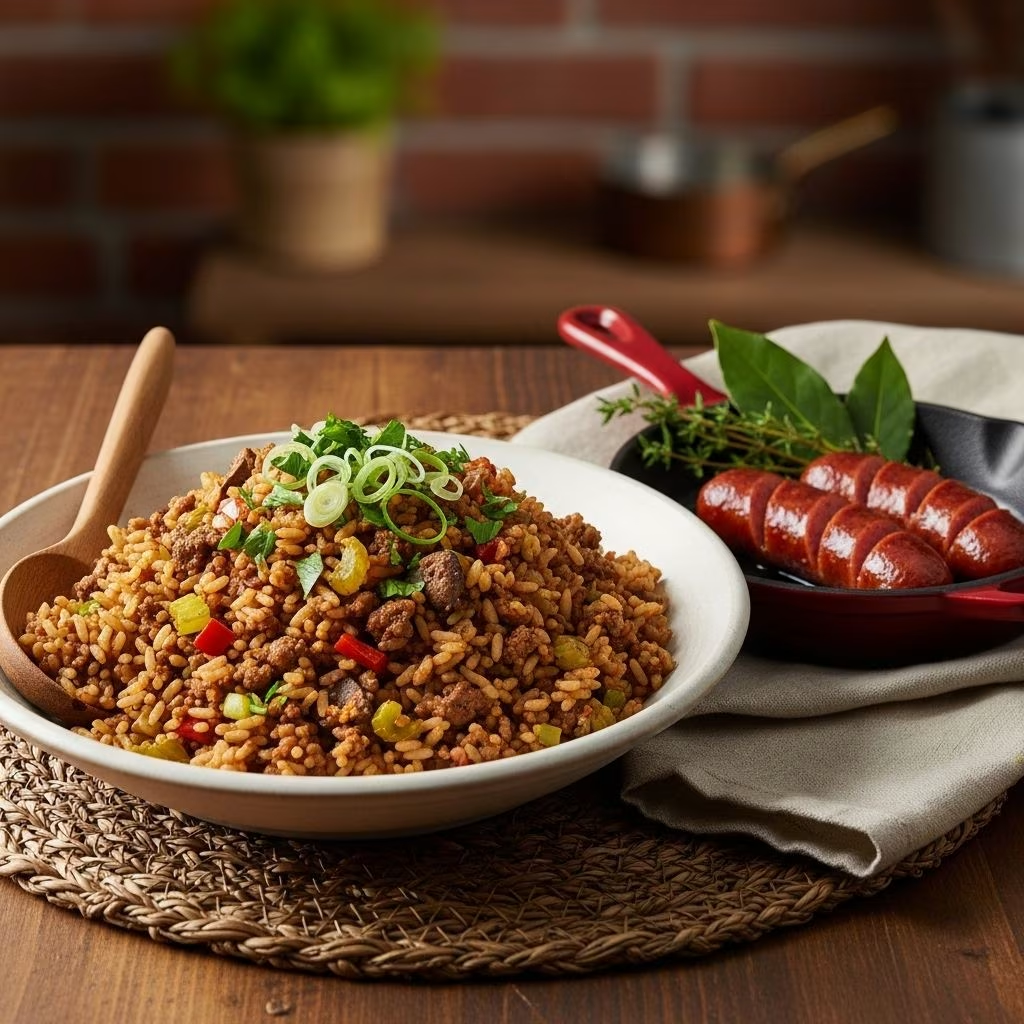
Dirty rice is a boldly seasoned rice dish native to Louisiana, made with cooked white rice stirred together with ground meat, vegetables, and generous spices. Its signature “dirty” appearance stems from the meat and vegetables turning the rice a speckled brown, rather than the pristine white of plain steamed rice. Traditionally, it features the “holy trinity” of Cajun and Creole cooking: bell pepper, onion, and celery.
The History and Cultural Roots
This humble side dish has its origins in the kitchens of Southern Louisiana, with deep ties to both Cajun and Creole foodways. The term “dirty” refers to the visual transformation of rice from white to mottled brown due to the use of flavorful meats like ground pork, sausage, or even organ meat (chicken liver, gizzards), which were once considered scraps.
Dirty rice was born during times of scarcity, especially among enslaved African Americans and working-class families who had to maximize flavor using inexpensive cuts or leftovers. Over generations, the dish evolved, incorporating local seasonings and each family’s twist, making it a versatile staple at every Southern table.
Core Ingredients & Substitutions
The heart of dirty rice lies both in its versatility and its adherence to time-tested flavors. Standard ingredients include:
- White rice (preferably long-grain)
- Ground beef and/or ground pork sausage
- Bell pepper (green for classic flavor)
- Onion
- Celery
- Chicken broth (for extra richness)
- Flour and oil (to create a quick roux)
- Seasonings: parsley, oregano, thyme, paprika, cayenne, black pepper, salt, chili powder, bay leaves, garlic
Optional, for traditional flavor:
- Chicken livers or giblets (finely diced, adds earthiness)
- Spicy sausage or even chopped bacon
Substitutions:
- Vegetarians may substitute meat with mushrooms for a similar richness.
- Low-sodium chicken broth can help manage salt content.
- Spice levels can be adjusted with jalapeños or hot sauce.
Step-by-Step Cooking Technique
Preparing dirty rice involves layering flavors and careful cooking:
- Sauté the meat: In a large skillet or Dutch oven, heat oil or bacon grease, then add the ground meat. Break apart and brown thoroughly.
- Add vegetables: When the meat is half done, stir in diced bell pepper, onion, and celery—the holy trinity. Cook until vegetables are soft and fragrant.
- Season well: Sprinkle over garlic, parsley, oregano, thyme, paprika, cayenne, chili powder, bay leaves, and black pepper. Stir well.
- Incorporate flour: Sprinkle flour evenly over the mixture and stir for several minutes, letting the flour coat everything. This helps thicken and bind the flavors.
- Pour in chicken broth: Add broth and mix thoroughly, scraping up any browned bits from the skillet. Simmer for 5–8 minutes for depth of flavor.
- Fold in rice: Stir in cooked rice and finish with chopped parsley. Simmer another five minutes until everything is heated through and well combined.
Tip: Don’t overcook the rice; it should stay firm yet tender—never mushy.
Expert Tips for the Best Dirty Rice
- Use a heavy-bottomed skillet or Dutch oven for maximum caramelization and depth.
- The flour “dirty” step is essential—don’t skip it. It pulls together the meat and aromatics, and absorbs excess fat.
- Let rice rest with the lid cracked to dry out a little and intensify flavors. This also prevents sogginess.
- Fresh herbs (like parsley) add vibrance; dried herbs anchor flavor.
- Chillies (such as jalapeño or cayenne) can be added for spice and heat.
- Finely dice chicken liver, hearts, or gizzard for the most authentic taste, or stick to sausage and ground beef for a milder version.
Popular Variations
Dirty rice can be easily customized for taste, dietary restrictions, or regional preferences.
| Variation | Main Change | Flavor Profile |
|---|---|---|
| Classic Cajun | Add chicken livers, hot sausage | Rustic, deep earthiness, spicy |
| Creole Style | Includes tomatoes, less heat | Brighter, softer spices |
| Vegetarian | Replace meat with mushrooms, plant-based sausage | Rich, umami, slightly milder |
| Low-Carb | Substitute cauliflower rice | Lighter, fresher |
| Crock Pot | Slow-cooked, hands-off | Extra tender, melded flavors |
Serving Suggestions
Dirty rice is versatile—perfect as a main or a side:
- Serve alongside fried chicken, grilled fish, or pork chops.
- Use it as a stuffing for chicken, turkey, or quail.
- Plate with collard greens, cornbread, and hot sauce for a classic Southern feast.
- Chill leftovers; dirty rice reheats well for easy meal prep.
Nutritional Notes
- Dirty rice is calorie-dense due to its meat and rice content; a serving runs approximately 400–500 kcal.
- Protein-rich, with ground meats offering around 20g per serving.
- Vegetarian substitutions lower both fat and calories.
- Sodium can be reduced by using homemade or low-sodium broth.
Note: Nutrition data varies with substitutions; consult dietary apps for precise information.
Frequently Asked Questions (FAQs)
Q: Why is it called dirty rice?
A: The name comes from the speckled, “dirty” appearance of rice tinted brown by meat, vegetables, and spices.
Q: Do you have to use chicken livers?
A: No. Chicken livers are traditional but optional—a combination of ground beef and sausage works well for most tastes.
Q: Can dirty rice be made vegetarian?
A: Yes. Replace meat with diced mushrooms, plant-based sausage, and use veggie broth.
Q: How spicy is dirty rice?
A: Classic dirty rice has a mild kick from cayenne and black pepper, but heat can be increased with additional chilies to taste.
Q: Can I use brown rice instead of white?
A: Brown rice works, but adjust liquid and cooking times for best texture.
Q: What makes the best dirty rice texture?
A: Aim for tender but separate grains—never clumpy or mushy. Spread the mixture to slightly dry before serving for optimal results.
Pro Cooking Tips Recap
- Brown your meat well and deglaze the pan.
- Rest your dirty rice before serving.
- Taste and adjust seasoning before final serving.
- Use all fresh vegetables—it makes a definite difference!
Conclusion
Dirty rice embodies the soulful spirit of Louisiana cuisine—affordable, festive, deeply flavored, and welcoming to all manner of variation. Whether prepared as a main dish or an accompaniment, its roots, versatility, and sheer deliciousness make it a must-have for any home cook aiming to evoke the warmth of Southern hospitality.