Artichokes à la Barigoule: Provençal Braising Masterpiece
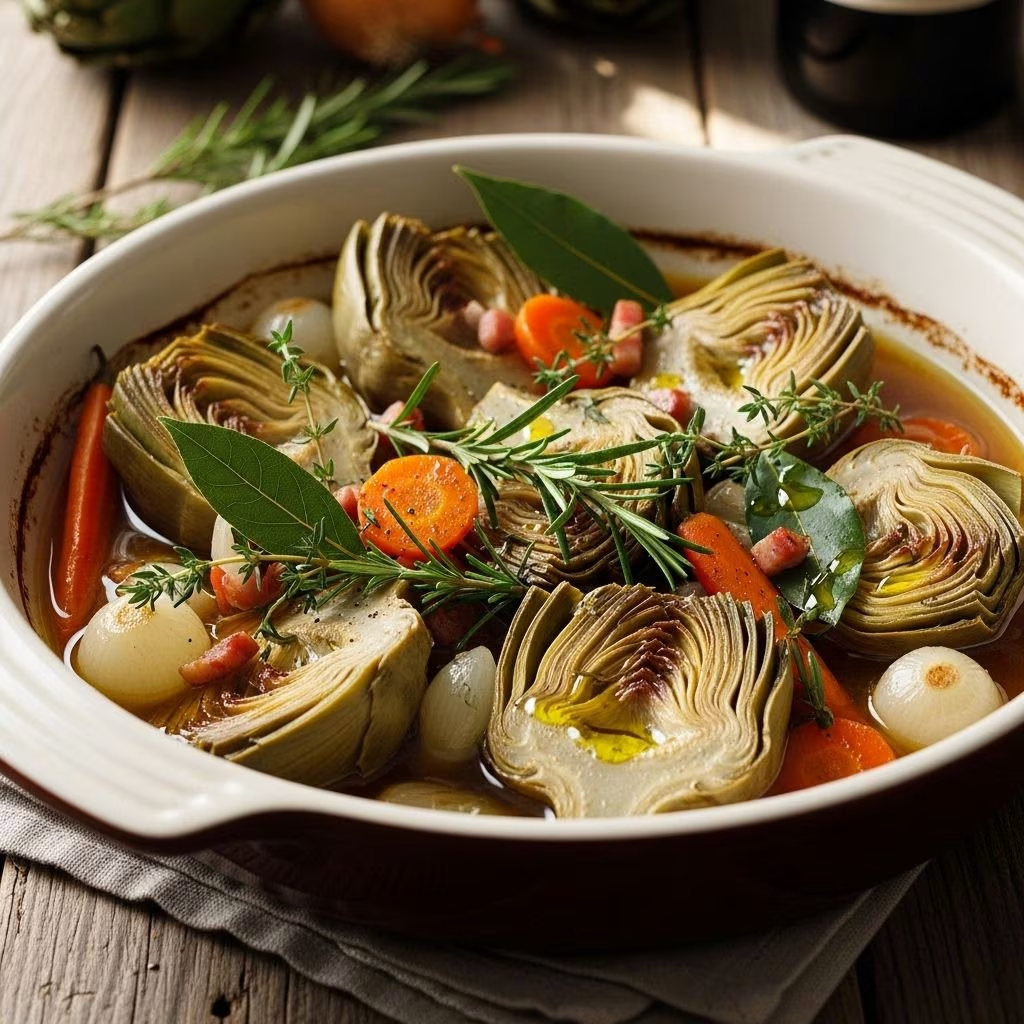
Artichokes à la Barigoule stands out as a signature Provençal vegetable dish, renowned for transforming the humble artichoke into a fragrant, herb-infused braise. Rooted in southern French tradition, this recipe exemplifies how simple vegetables can be made exquisite through meticulous preparation and slow cooking.
Introduction
If you love traditional French cuisine, Artichokes à la Barigoule should be on your list. This dish began as a humble Provençal recipe, utilizing the region’s famous vegetables and aromatic herbs. It has since evolved, celebrated for its subtle flavors, healthfulness, and ability to highlight the artichoke’s unique texture and taste.
A Brief History of Barigoule
The term Barigoule actually refers to a mushroom (the Lactarius deliciosus), which was once part of the dish. Over generations, the recipe shifted focus to artichokes, often omitting mushrooms entirely. Today, Artichokes à la Barigoule means artichokes braised in aromatic liquid, classically with wine, vegetables, herbs, and occasionally bits of pork or anchovy for depth.
- Origins: Provençal country cooking, dating back centuries.
- Evolution: Originally featured wild mushrooms; now focuses on artichokes as centerpiece.
- Modern variations: Vary from pure vegetarian to versions with anchovies or bacon for added flavor.
Key Ingredients
To make authentic Artichokes à la Barigoule, you need:
- Artichokes (6 large or 8 small)
- Lemons (for acidulation and flavor)
- Olive oil (extra virgin is preferred)
- Onion and carrot (thinly sliced or brunoise)
- Garlic (minced)
- White wine (dry, such as Sauvignon Blanc)
- Stock (vegetable or chicken, as base for braising)
- Fresh herbs (thyme, parsley stems, bay leaf — in a bouquet garni)
- Salt and pepper
- Optional: Anchovy, bacon, or mushrooms for layering flavor
| Ingredient | Purpose | Notes |
|---|---|---|
| Artichokes | Main vegetable | Use young, fresh for tenderness |
| Lemon | Prevents discoloration, adds brightness | Acidulated water crucial during prep |
| Olive Oil | Sautéing vegetables, flavor | High-quality preferred |
| Wine | Deglazes, infuses subtle acidity | Dry white recommended |
| Bouquet Garni | Herbal background | Tied bundle: thyme, bay, parsley stems |
| Anchovy/Bacon | Optional umami boost | Use sparingly for traditional flavor |
Artichoke Preparation: Step-by-Step Guide
Artichoke prep demands attention to detail. The result: tender, beautiful hearts ready for braising. Follow these steps for best results:
- Fill a bowl with water and juice of 3 lemons. Reserve extra lemon for rubbing artichoke cut surfaces.
- Break off tough outer leaves by hand, work toward pale yellow tender leaves.
- Trim the stems at the base; rub cut areas immediately with lemon.
- Slice away the base to remove the top of the heart, discard excess leaves.
- Rotate the heart to knife away dark green and tough parts, leaving only pale flesh.
- Use a melon baller or spoon to scoop out the fuzzy choke from the center.
- Immediately submerge in acidulated water to prevent browning.
- Repeat for all artichokes, keeping them in water until ready to cook.
Tip: Lemon is your best friend for keeping artichokes bright and beautiful.
The Braising Method
This dish’s flavor builds during a gentle braise, allowing vegetables and aromatics to meld beautifully. The classic French technique is both precise and forgiving:
- Heat olive oil in a wide, heavy sauté pan.
- Add onions with a pinch of salt; sweat until translucent (about 3 minutes).
- Stir in carrot and garlic with more salt; cover, cook 2 minutes over low heat.
- Drain and pat dry artichoke hearts; arrange over vegetables in the pan, stem side up.
- Sear lightly for about 1 minute per side.
- Pour in white wine; bring to simmer, allow alcohol to evaporate (1 minute).
- Add stock to nearly cover the artichokes.
- Bundle herbs (thyme, parsley stems, bay leaf) as bouquet garni. Add to pan.
- Season braising liquid with salt and pepper to taste.
- Weigh down artichokes with a double layer of cheesecloth (or a clean towel) to keep them submerged.
- Braise gently over low heat until artichokes are tender when poked with a knife (35–45 minutes).
When done, stir in minced anchovy (if using) for funk and complexity. Let cool in liquid for further flavor meld.
Serving Suggestions & Variations
Artichokes à la Barigoule is highly versatile:
- Serve warm, at room temperature, or chilled.
- Often served as a stand-alone appetizer, or a side for fish, roasted poultry, or lamb.
- Garnish with chopped fresh parsley, lemon zest, or drizzle with additional olive oil.
- Use reserved braising liquid as a base for soup, risotto, or pasta sauce.
- Bring in spring vegetables like peas, asparagus, or mushrooms for seasonal variation.
Classic Variations
- Vegetarian/Vegan Barigoule: Use vegetable stock and omit anchovy/bacon.
- Pescatarian: Add anchovy or cook with fish stock for more depth.
- Traditional: Sauté a little pork belly or bacon with initial vegetables; add mushrooms if desired.
Wine Pairing: Try chilled rosé or white wine from Provence.
Technique Tips for Perfect Barigoule
- Use young, tender artichokes—older ones will be tough and fibrous.
- Prep quickly—artichokes oxidize fast.
- Don’t skip acidulated water for soaking; prevents browning.
- Low and slow braise is key; rushing this stage will toughen artichoke hearts.
- Let cool in liquid for maximal flavor absorption.
- Bouquet garni makes herb removal easy and keeps flavors gentle, not overwhelming.
- Reserve leftover braising liquid—crowded with flavor, great as a base for other dishes.
Frequently Asked Questions (FAQs)
Q: Can I use canned or frozen artichokes for Barigoule?
A: Fresh artichokes deliver the best texture and flavor. Canned or frozen can be used in a pinch, but will lack the nuance of fresh-prepped hearts.
Q: What’s the traditional protein for Barigoule?
A: Most classic recipes are vegetarian, but old versions might include pork belly, bacon, or anchovy as subtle flavor notes.
Q: Is Barigoule gluten-free?
A: Yes. The core recipe contains no gluten; just be mindful of stock ingredients if buying pre-made.
Q: What herbs work best?
A: Thyme, parsley stems, and bay leaf are foundational. Tarragon or chervil can be added for additional aromatics.
Q: How can I tell when artichokes are done?
A: A paring knife should pass through the heart smoothly without resistance—this is the marker for tenderness.
Conclusion
Artichokes à la Barigoule is a celebration of Provençal cuisine’s spirit—local produce handled with care and lifted by careful technique, aromatic herbs, and the gentle coaxing of a slow braise. Whether you’re striving for authenticity or tailoring to modern tastes, Barigoule remains a showcase of what’s best in southern French kitchens. Serve it with pride, and savor the flavors of a timeless tradition.