Stir-Fried Tomato and Egg: A Love Letter to a Chinese Home Kitchen Classic
There is a certain magic in the union of tomato and egg—a combination both universally beloved and intimately specific. This humble stir-fry, iconic in Chinese home kitchens, transcends its simple ingredients: eggs, tomatoes, and a handful of seasonings. It is comfort incarnate. It speaks to a shared childhood, a kitchen table surrounded by family, and the ineffable nostalgia of food that feels like home.
Why Tomato and Egg Matters
Stir-fried tomato and egg is more than the sum of its parts. Across China and beyond, it’s often the first dish a child learns to cook, the dish a college student craves, and the one a weary traveler returns for. Its appeal rests in:
- Simplicity: Few ingredients, readily available.
- Speed: Quick to prepare, easy for busy homes.
- Nutrition: Balanced, combining protein, vitamins, and a satisfying savory-sweet flavor.
- Comfort: Widely considered “mom’s food,” evoking a sense of belonging.
- Adaptability: Receptive to customization, matching tastes and pantry constraints.
But what is it about tomato and egg that makes it so emotionally resonant?
Tomato and Egg in Chinese Culinary Culture
Tomato and egg stir-fry is a fixture of the Chinese “家常菜” (jiāchángcài), or home-style cuisine. Unlike banquet fare, these dishes are for everyday nourishment, marked by pragmatic technique and maximizing flavor from what’s on hand.
Some core features of the tomato and egg dish’s cultural role include:
- Universality: Found across regions, with slight local tweaks.
- Intergenerational: Children learn to cook by making it; elders teach by tasting it.
- Memory: For many, eating this dish is entwined with memories of childhood, family meals, and coming home.
- Accessibility: An entry point into cooking for novices, a standby for professionals short on time.
Decoding the Appeal: Science and Sensation
The enduring appeal of tomato and egg is not just sentimental—there is culinary science behind its success.
- Umami: Both tomatoes and eggs are rich in glutamates, yielding a savory punch.
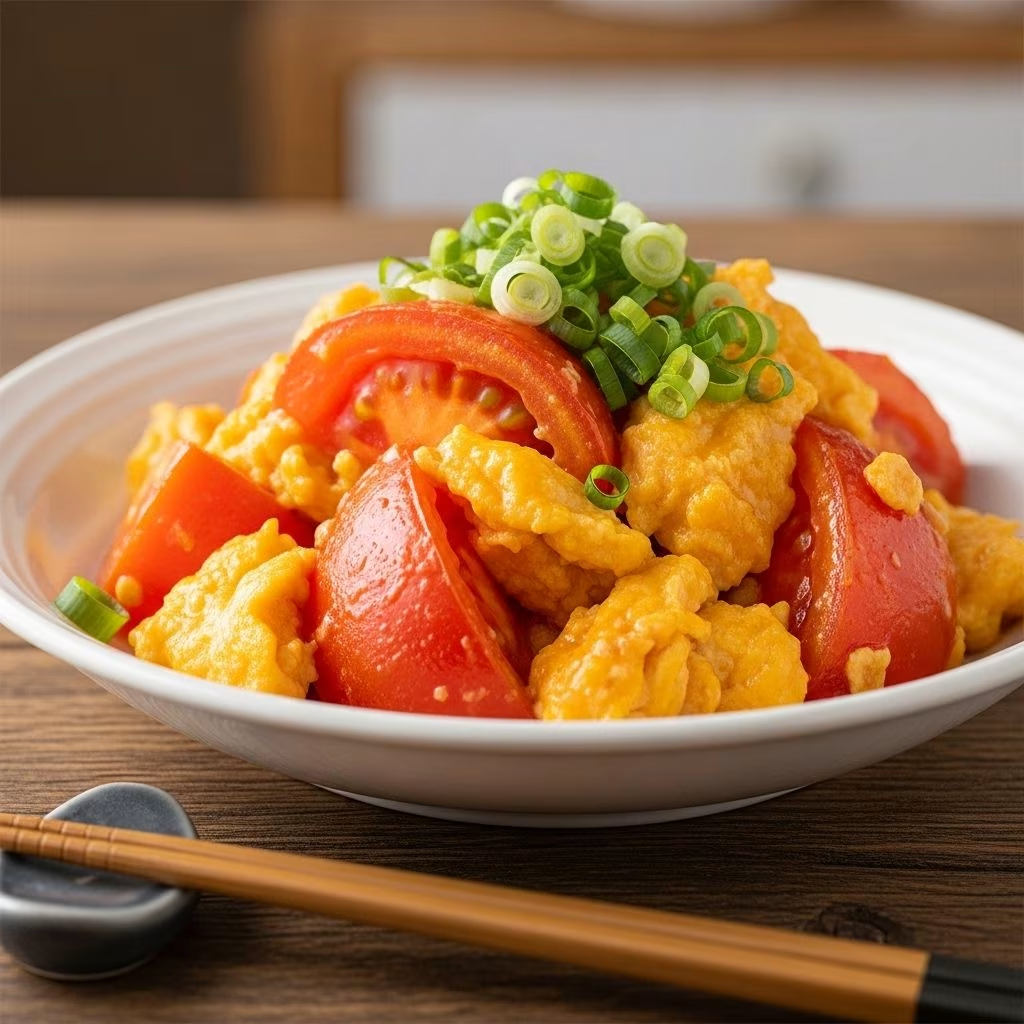
- Texture: Soft, delicate curds of scrambled egg soak up the tomato’s juicy sauce, yielding a plush mouthfeel.
- Balancing Tastes: The tomato’s acidity cuts through the richness of eggs. A dash of sugar or ketchup—surprisingly common in Chinese home kitchens—counterbalances any tartness.
- Color: Vivid reds and glowing yellow—alluring, homey, appetizing.
The Anatomy of a Dish: Step-by-Step Breakdown
While ingredients are few, technique matters. Each step offers an opportunity for flavor and texture nuance:
1. Preparing the Ingredients
- Eggs: Typically 4 to 6, beaten lightly with a touch of salt (some add Shaoxing wine or milk for extra tenderness).
- Tomatoes: Roma or vine tomatoes are preferred for their balance of juice and flesh, cut into wedges or chunks. Peeling is optional.
- Alliums: Scallions or garlic chives are common; both add aromatic lift.
2. The Wok: Heat and Control
- Begin with a preheated wok over high heat (wok hei—”breath of the wok”—can be elusive, but even stovetop heat works).
- Add neutral oil (peanut, canola), swirl to coat.
3. Cooking the Eggs
- Pour in the eggs. Let them set briefly, then stir gently—aim for large, soft curds.
- Remove eggs while still tender (they will finish cooking later), set aside.
4. Sautéing Tomatoes and Aromatics
- Layer in tomatoes and chopped scallions or garlic chives.
- Season with salt, a pinch of sugar, and MSG (if desired).
- Add ketchup—an unexpected but widely used trick, lending sweetness and umami.
- Sauté until tomatoes soften yet retain some structure, exuding their juices to make a light sauce.
5. Bringing It Together
- Return eggs to the wok. Toss gently to combine, letting the curds soak up the sauce.
- Finish with a cornstarch slurry if a thicker sauce is desired.
- Add fresh herbs (cilantro or more scallion) for color and freshness.
| Step | Purpose | Tips |
|---|---|---|
| Eggs | Create soft, pillowy base | Don’t overcook; stop at 90% doneness |
| Tomatoes | Provide juice and acidity | Use ripe fruit; adjust sweetness to taste |
| Seasoning | Balance sweet, savory, and umami | MSG and ketchup are traditional, not taboo |
| Final Toss | Integrate flavors | Be gentle to keep egg curds intact |
Variations and Personal Touches
Every home has its own version. Some key variations:
- Saucy vs. Dry: More tomato juice and cornstarch yields a saucy dish; less makes it drier and more like scrambled eggs.
- Alliums: Garlic or ginger can join scallions/chives.
- Sweetness: Optional extra sugar or more ketchup for balance.
- Herbs: Cilantro or Thai basil for final fragrance.
- Egg Texture: Some add a splash of stock or milk to beaten eggs for a silkier bite.
Beyond China: International Variants
While tomato and egg is quintessentially Chinese, the pairing resonates worldwide:
- Mediterranean: Shakshuka—eggs poached in tomato sauce.
- Middle Eastern: Similar dishes in Turkish and Arab cuisines.
- Western: Scrambled eggs with fresh tomatoes and cheese for breakfast.
The Chinese stir-fry has its own texture, sauce profile, and flavor notes—recognizably distinct from its distant cousins.
Tomato and Egg: A Dish for All Seasons
Part of the appeal lies in its seasonality and flexibility:
- Tomatoes at peak ripeness, whether in midsummer or hothouse winter, shine here.
- Eggs provide steady nutrition and comfort year-round.
- Adaptable to what’s on hand—extra veggies, different herbs, even tofu.
Serving Suggestions and Pairings
Common ways to enjoy tomato and egg stir-fry include:
- Over white rice: Classic pairing for maximum sauce absorption.
- With noodles: Stir the mixture into hot noodles for a fast, complete meal.
- As a side: Fits alongside stir-fried greens, stewed pork, or a bowl of light soup.
- Cold next day: Many find the dish just as good, if not better, chilled.
The Emotional Heart: Nostalgia and Memory
For many, tomato and egg is bound up in stories:
- Childhood dinner tables, where this was the first dish a parent taught.
- Student apartments, when money and skill ran short, but comfort was needed.
- Homecomings—the dish often requested after long absences.
- Family gatherings, where tastes are debated but memories shared.
There’s something universal in the way people remember tomato and egg—a dish not only eaten but felt, carrying humble love and deep longing.
Frequently Asked Questions (FAQs)
Q: Can I make tomato and egg without a wok?
A: Yes, any wide skillet or frying pan works—a wok makes tossing easier, but isn’t essential.
Q: What kind of tomatoes are best?
A: Roma tomatoes are a favorite due to their juice and flesh ratio, but any ripe variety suffices.
Q: Is ketchup traditional in Chinese tomato and egg?
A: Surprisingly yes; many home cooks add ketchup for sweetness and umami.
Q: Can I skip MSG?
A: Certainly. While MSG deepens flavor, it’s optional.
Q: How do I avoid tough eggs?
A: Stir gently and stop cooking when the eggs are still slightly soft; they finish in the tomato sauce.
The Last Bite: More than Flavor
Food is memory, connection, and comfort—and few dishes embody this as beautifully as stir-fried tomato and egg. From its straightforward recipe to its ability to evoke long-lost afternoons or reunite families across the distance, this humble Chinese dish is a love letter written in aroma, color, and taste. Whether you’re a seasoned cook or a beginner, returning to tomato and egg recalls the simple joys of the home kitchen—a place where even the most humble ingredients speak volumes.