Imagine walking through a supermarket produce aisle. Gleaming apples, flawless zucchinis, and perfectly shaped carrots line the shelves — an illusion of agricultural perfection. But behind this curated façade exists a vast world of fruits and vegetables that never see the light of the retail display, deemed too ‘ugly’ to sell. This article explores why embracing ugly produce not only benefits our environment, farmers, and food culture, but can ignite a deeper appreciation for the food we eat.
The Myth of Perfect Produce
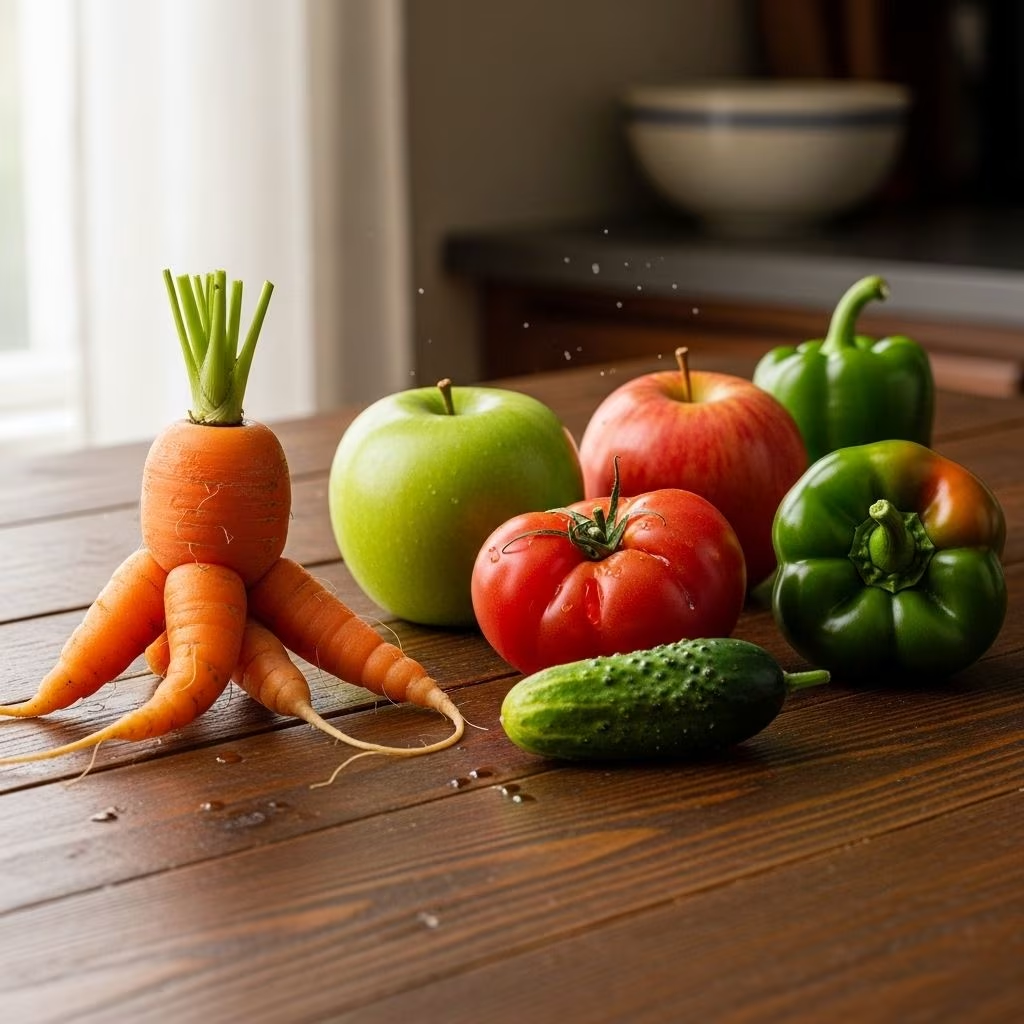
In our modern food system, beauty standards extend to everything — even what we eat. Retailers reject odd-shaped potatoes, apples with cosmetic blemishes, and carrots that split at the tip, all based on strict visual criteria that have little to do with nutrition, taste, or safety. The result is enormous food waste. By some estimates, more than 20% of fruits and vegetables grown for the US market are discarded simply because of the way they look—a figure echoed globally in countries like Australia and the UK as well.
- Supermarkets display only uniform, unblemished produce, pushing growers to discard as much as 70% of their yield if it doesn’t measure up.
- Farmers are forced to selectively harvest and often leave ugly but edible food in the fields, or send it to landfill or animal feed.
- Consumers rarely see the variety present in farms, reinforcing the myth that natural food should be ‘perfect.’
Where Does Ugly Produce Go?
Most ‘imperfect’ fruits and vegetables have historically been labeled as ‘seconds,’ ‘surplus,’ or ‘cosmetic rejects’. The majority of this produce is kept out of supermarkets entirely. Some of it ends up as lower-value processing ingredients (like juice, soup, or purees), donated to food banks, or, sadly, wasted.
The implications are staggering:
- Millions of tons of edible produce are lost every year worldwide.
- This waste squanders all the resources already spent — water, land, energy, and human labor — on growing the crop.
- Farmers can lose substantial income and may face financial hardship, especially small-scale and independent growers.
The True Value of Ugly Produce
The rejection of ‘ugly’ fruits and vegetables is not just a matter of appearance — it’s a social, economic, and environmental dilemma. Yet, there are major reasons to change our perception:
Nutritional and Culinary Value
Cosmetic flaws do not diminish a food’s nutritional quality. A speckled apple contains as many vitamins as a shiny one. In fact, produce grown organically or with fewer chemicals may even look ‘uglier’ — markings may be signs of fewer pesticides or more natural biodiversity.
Cost and Accessibility
Ugly produce is often sold at a discount, giving budget-conscious families affordable access to healthy foods. Programs such as Fresh Harvest, Imperfect Produce, and Hungry Harvest bring these fruits and vegetables to consumers’ doors at lower prices, supporting both eaters and local farms.
Environmental Impact
Reducing cosmetic food waste:
- Cuts greenhouse gas emissions generated by rotting produce.
- Reduces stress on landfill sites.
- Helps decrease unnecessary use of farm resources for unsold produce.
How Appearance Became the Standard
The demand for uniform produce is a relatively recent development, brought on by:
- Industrialization of farming and logistics, where stacking and transporting identical shapes is easier.
- Marketing strategies relying on visual perfection as a symbol of quality.
- Changing consumer expectations reinforced by decades of curated displays.
But these standardized aesthetics are, in many senses, arbitrary and out of sync with how food really grows.
What Do We Lose When We Shun Ugly Food?
- Flavors and Varieties: Many heirloom or specialty varieties grow in rustic, irregular shapes, sometimes yielding far superior taste. These rarely reach the mainstream market because appearance trumps flavor.
- Connection to Seasonality: Unusual-looking fruits and vegetables can encourage us to rediscover seasonal eating and culinary diversity.
- Farmers’ Livelihoods: When growers are forced to discard up to 70% of their output, it cuts deeply into profits and makes farming less sustainable.
How Can We Bring Ugly Food to Our Tables?
There’s growing momentum behind accepting imperfect produce, driven by farmers, advocacy groups, and consumers alike. Here are ways you can help:
- Buy from farmer’s markets: Local markets often sell the whole range of what is harvested, not just the prettiest selections.
- Support ugly produce box schemes: Subscription boxes like Imperfect Produce deliver odd-shaped or surplus fruits and veggies directly to your door.
- Shop ‘seconds’ at independent grocers: Ask your local store to stock ‘imperfect’ produce or buy discounted items nearing their expiration date.
- Advocate for change: Ask your grocery store manager about carrying more ugly produce or supporting food rescue initiatives.
Relearning to Cook with Imperfect Ingredients
Much of traditional cooking assumes ingredients are imperfect — bruised peaches are for jam, oddly sized potatoes make great mashes and soups, and blemished tomatoes become sauce. Embracing ugly produce can inspire creativity and lessen our reliance on wasteful habits.
- Preserving and fermenting: Make pickles, chutneys, or jams from fruit and veg that won’t keep long.
- Batch cooking: Use up random odds and ends in stews, stir-fries, or stock.
- Joy of surprise: Celebrate oddball ingredients and learn to let go of perfectionism in the kitchen.
Social Responsibility and Equity
Food relief and hunger organizations are increasingly sourcing ugly produce for their operations, acknowledging that nutrition and food dignity don’t have to come wrapped in perfection. During times of crisis, including the COVID-19 pandemic, programs that rescued ‘seconds’ from waste streams supported struggling farmers, workers, and vulnerable communities, proving that ugly food plays a vital social role.
Initiatives such as the Melbourne Food Hub’s Grow / Source / Eat program demonstrate the far-reaching benefits of normalizing ugly produce: reduced waste, strengthened local agriculture, and more inclusive, equitable food systems.
Table: The Hidden Cost of Ugly Food Waste
| Problem | Impact | Solution |
|---|---|---|
| Supermarket cosmetic standards | Up to 70% of crops discarded | Relax standards, sell more ‘seconds’ |
| Food wasted at farm level | Loss of income for growers; wasted inputs | Direct-to-consumer sales; ugly produce boxes |
| Consumer expectations | Lack of food diversity; increased landfill waste | Consumer education, food culture shift |
Redefining Beauty & Changing Habits
The modern movement towards sustainability demands we rethink our relationships with food:
- Celebrate food diversity in all its forms — lumpy, knobby, twisted, or scarred.
- Teach children that ‘ugly’ food is beautiful, flavorful, and valuable.
- Vote with your wallet: Each purchase of imperfect produce is a message to retailers and suppliers that beauty does not equate to worth.
- Share the story: Use social media and community groups to raise awareness about food waste and ugly produce.
Frequently Asked Questions (FAQs)
Q: Is ugly produce less nutritious or safe to eat?
A: No. The appearance of a fruit or vegetable rarely reflects its nutritional value. Most blemishes are only skin-deep and do not affect food safety.
Q: Why do supermarkets reject ugly produce?
A: Retailers enforce cosmetic standards for uniformity and visual appeal, assuming customers will only buy perfect-looking food. These standards are not based on nutrition or safety.
Q: How can buying ugly produce help combat climate change?
A: Wasted fruits and vegetables in landfills emit methane, a potent greenhouse gas. Reducing waste by eating ugly produce lowers emissions and conserves agricultural resources.
Q: Is ugly food cheaper than regular produce?
A: Yes, ugly produce is typically sold at a discount. This makes nutritious food more affordable and accessible for many families.
Q: What are easy ways to use ugly food?
A: Use it in soups, stews, jams, sauces, or baked goods, where appearance matters less. Preserve or freeze surplus produce before it goes bad.
Resources and Further Reading
- Australian Food Sovereignty Alliance – Campaigns supporting seconds produce
- National Resources Defense Council (NRDC) – Reports on food waste and labeling
- Food rescue and exchange platforms – Donate or purchase ugly food directly
Final Thoughts: Why Ugly Food Matters
Ugly food has the power to challenge our perceptions, connect us with sustainable eating, and foster a more just and resilient food system. Rethinking how we value and use imperfect produce can help reduce waste, support farmers, and unlock new levels of creativity in the kitchen. By embracing all that the land yields, we celebrate the real, unvarnished beauty and plenty that nature provides.