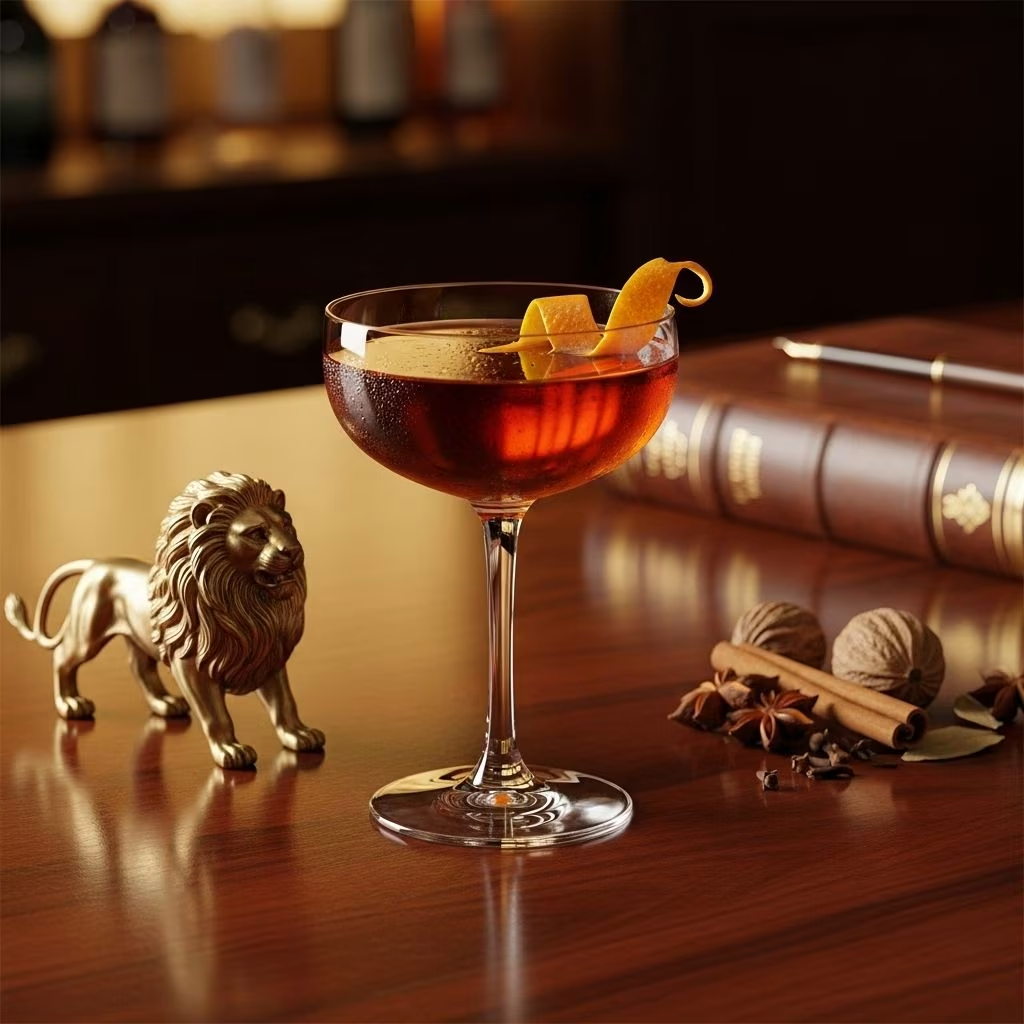
The Lion’s Tail is an evocative whiskey cocktail balancing robust bourbon with the spicy complexities of allspice dram, fresh citrus, and aromatic bitters. Despite its obscurity for much of the 20th century, this drink has found renewed appreciation among bartenders and cocktail enthusiasts for its spicy, sour, and subtly sweet profile. Here, we explore the origins, flavor profile, variations, and methods that define the Lion’s Tail experience.
Origins and Historical Context
The Lion’s Tail cocktail first appeared in print in the 1937 Café Royal Cocktail Book, a London publication curated by William J. Tarling during England’s embrace of American mixology. The drink reflects Prohibition’s creative period: a time when American bartenders—exiled by the 18th Amendment—channeled their ingenuity into new concoctions abroad and at home.
In the Lion’s Tail, the inclusion of pimento dram (now known as allspice dram) was an adventurous choice. This Jamaican liqueur, rarely found in cocktails before the 1930s, brings a distinct depth and holiday spice to the combination of American whiskey and fresh lime. The result felt both exotic and familiar, and this unusual pairing set the Lion’s Tail apart from other whiskey drinks of its era.
Flavor Profile: Exploring the Tasting Experience
The Lion’s Tail unites four key flavor elements:
- Bourbon whiskey delivers a full-bodied, warming backbone.
- Allspice dram lends clove, cinnamon, and nutmeg notes—a flavor reminiscent of spiced baked goods or winter holidays.
- Fresh lime juice provides tart acidity, brightening the dram’s heavy spice and whiskey’s depth.
- Bitters introduce a final layer of complexity, merging the drink’s sweet, sour, and spicy components.
This combination is both inviting and invigorating; the Lion’s Tail is often described as a ‘snappy’ drink, with the sharpness of lime and allspice creating a lively, warming sensation on the palate. The addition of a small amount of rich simple or demerara syrup softens the acidity and rounds out the finish, creating a seamless texture while highlighting the bourbon’s caramel and vanilla notes.
The Core Lion’s Tail Recipe
Though minor variations exist, the classic recipe for the Lion’s Tail is as follows:
| Ingredient | Amount |
|---|---|
| Bourbon whiskey | 1.5 oz (45 ml) |
| Allspice dram (pimento dram) | 0.5 oz (15 ml) |
| Fresh lime juice | 0.75 oz (22.5 ml) |
| Rich simple or demerara syrup | 0.25 oz (7.5 ml) |
| Angostura aromatic bitters | 2 dashes |
| Lime twist | Garnish |
Preparation:
- Add bourbon, allspice dram, fresh lime juice, syrup, and bitters to a cocktail shaker filled with ice.
- Shake vigorously until well chilled and properly diluted.
- Double strain into a chilled coupe or cocktail glass.
- Express a lime twist over the drink to release aromatic oils, then use it as garnish.
This recipe yields a cocktail that is both refreshing and warming, ideal for transitioning seasons but suitable year-round.
Understanding the Ingredients
Bourbon Whiskey
Bourbon is preferred for its caramel-rich profile and vanilla overtones, which serve as an ideal foundation for the Lion’s Tail. Use a bourbon with enough proof (ideally 90 or higher) to stand up to the bold flavors of allspice and citrus. Choose brands that offer a balance of spice and sweetness without heavy oak influence.
Allspice Dram (Pimento Dram)
This is the defining element of the Lion’s Tail. Allspice dram is a liqueur made by steeping crushed allspice berries (pimenta dioica) in rum, then sweetened and rested. It delivers intense, layered spice notes: clove, cinnamon, nutmeg, and hints of pepper. Commercially available brands like St. Elizabeth Allspice Dram are commonly used, though some bartenders opt to make their own for nuanced results and flexibility in sweetness.
Fresh Lime Juice
Unlike most classic whiskey sours which favor lemon, the Lion’s Tail uses lime for a brighter and distinctly tart acidity. Always use freshly squeezed lime juice for optimal flavor and to avoid bitterness.
Rich Simple or Demerara Syrup
A small amount of syrup is important for texture and balance. Demerara syrup, made from unrefined cane sugar, imparts a subtle molasses flavor and a thicker mouthfeel than white sugar simple syrup. This bolsters the bourbon’s sweet undertones while offsetting the lime and spice intensity.
Bitters
Angostura bitters—aromatic, with botanical, bark, and baking spice tones—bridge the drink’s spicy and sour elements. They are essential for completing the Lion’s Tail’s flavor arc.
Method, Technique, and Presentation
Success with the Lion’s Tail hinges on proper technique:
- Glass chilling: Always chill your serving glass in advance to ensure the drink remains at optimal temperature and dilution.
- Vigorous shaking: Shaking with ice fully integrates the dense allspice liqueur, ensures a lively texture, and rapidly chills the mixture.
- Double straining: Use both a Hawthorne and a fine mesh strainer to yield a silky, pulp-free cocktail.
- Garnishing: A strip of lime zest, twisted over the finished cocktail, expresses bright oils that play harmoniously with the dram’s spice and the bourbon’s vanilla notes.
Recipe Variations and Modern Interpretations
The resurgence of interest in forgotten classics has led to experimentation with the Lion’s Tail. Some modern bars swap the proportions for a boozier or more citrusy profile, or embellish with extra spice or textural elements. Here are common variations:
- Different whiskeys: Rye can be substituted for bourbon for a spicier, drier result; some adventurous bartenders have used Irish whiskey or blended Scotch for distinct takes.
- Homemade allspice dram: Allows adjustment of sweetness and spice intensity, giving the drinker more control over the cocktail’s backbone.
- Rich syrups: Some opt for 2:1 rich simple syrup or demerara, which increases body and smoothness, especially useful with high-acid lime juice.
- Nutmeg garnish: A gentle grating of fresh nutmeg on top enhances the spiced aroma but can overwhelm if overdone. Start modestly.
- Alternative bitters: In addition to Angostura, some recipes feature orange bitters or cocoa bitters for nuanced layers.
Dead Rabbit, the renowned New York cocktail bar, created a riff featuring white cacao and pear liqueurs, lemon juice instead of lime, and orange juice, yielding a creative but distinct expression. (For most purists, the classic formulation—as described above—remains the gold standard.)
Why the Lion’s Tail Endures
The Lion’s Tail stands out in the whiskey cocktail pantheon for several reasons:
- Unique flavor balance—Combining tropical and North American flavors, it straddles the line between ‘sour’ and ‘spiced’ cocktails.
- Versatility: Suitable for transitioning seasons; warming in fall and winter, but refreshing in summer thanks to the lime.
- Bartender appeal: Its structure encourages experimentation with proportions and garnish, making it a compelling template for riffing.
- Approachability: It broadens the appeal of bourbon by pairing it with lively citrus and allspice, winning over fans of both tiki and whiskey drinks.
Troubleshooting: Balancing the Lion’s Tail
Common pitfalls and fixes:
- Too tart? Try a touch more syrup, less lime, or use a higher-proof, sweeter bourbon.
- Too spicy? Cut back on the allspice dram or skip the nutmeg garnish.
- Too boozy? Use less bourbon, or shake longer to increase dilution for a lighter texture.
- Texture flat? Use a richer syrup and ensure hard shaking for a frothier, more satisfying mouthfeel.
Frequently Asked Questions (FAQs)
Q: Can I substitute lemon juice for lime in the Lion’s Tail?
A: Lemon juice can be used, but it will yield a softer acidity and a less distinctive contrast to the allspice dram. Authentic Lion’s Tail recipes call for lime juice, whose sharp brightness best balances the dram’s spice.
Q: What if I can’t find allspice dram?
A: Allspice dram (often called ‘pimento dram’) is unique, but if unavailable, you can craft a homemade version by infusing rum with crushed allspice berries, then sweetening and resting. Online recipes can guide you; homemade allspice dram allows control over the final flavor and sweetness.
Q: Is the Lion’s Tail suitable for batching or parties?
A: The Lion’s Tail can be batched for groups. Mix all components except lime juice and bitters in advance. Add fresh lime and bitters immediately before serving, shake/strain individual portions to maintain quality, and garnish each glass at service.
Q: Why shake rather than stir?
A: The Lion’s Tail includes citrus juice and syrup, making it a classic candidate for shaking. This technique fully integrates the rich and dense allspice dram while delivering the necessary chill and aeration to the cocktail.
Q: What glassware should I use?
A: Traditionally, a chilled coupe glass is preferred for the Lion’s Tail. Its wide opening allows the lime and spice aromas to be best appreciated, though a Nick & Nora or small cocktail glass works in a pinch.
Final Thoughts: Mastering the Lion’s Tail at Home
The Lion’s Tail is a beguiling choice for home bartenders and professionals alike. Its punchy blend of American whiskey, Caribbean spice, and fresh lime is as refreshing as it is warming—a versatile option for nearly any occasion. Master the basics, tweak proportions to personal taste, and savor the cocktail’s historic legacy. With a well-chosen bourbon and real allspice dram, you’ll capture a drinking experience both classic and adventurous, certain to surprise and satisfy whiskey lovers and spice seekers alike.