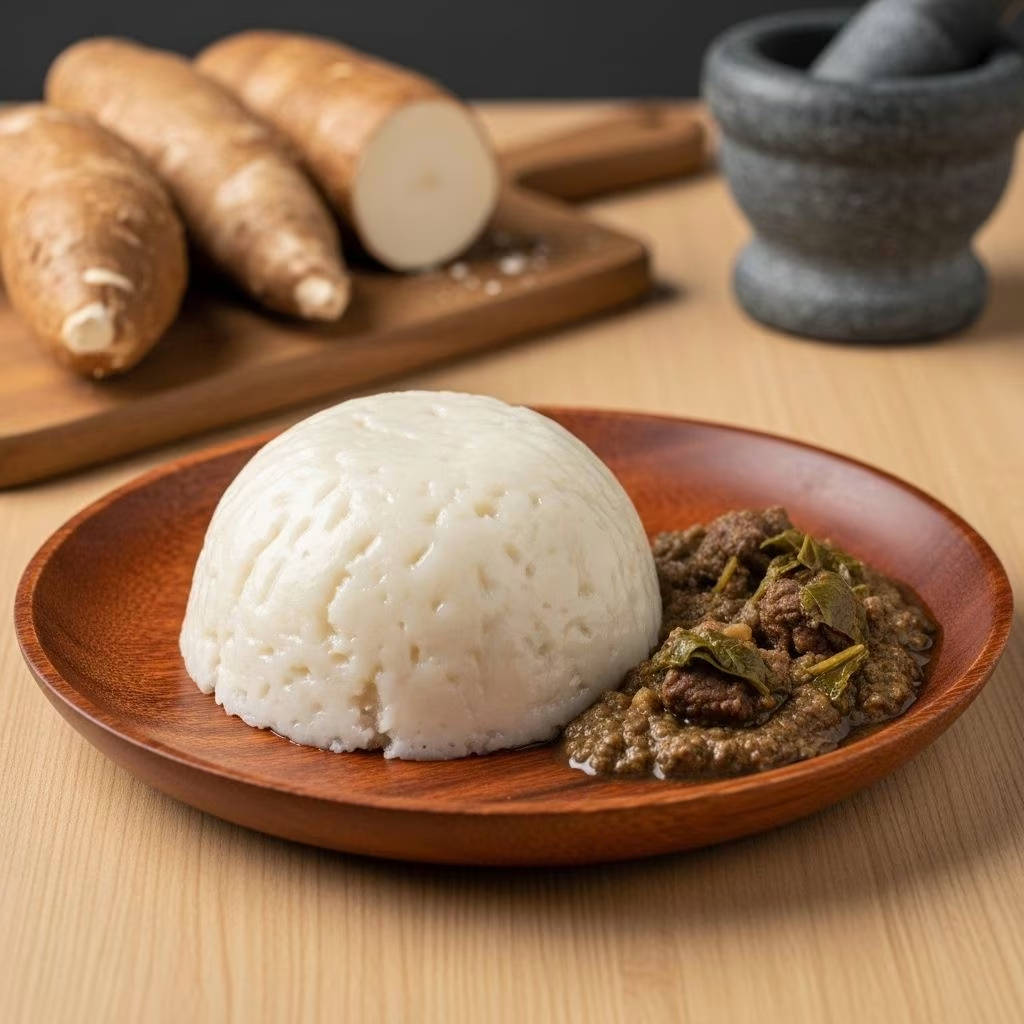
Lafun is one of Nigeria’s most iconic staple foods, popular especially among the Yoruba people in the country’s southwest. This traditional ‘swallow’ is made from dried fermented cassava flour, resulting in a dish with a unique aroma, complex tang, and a smooth yet slightly sticky texture. Lafun is typically served with a variety of rich, flavorful Nigerian soups and stews, such as efo riro, gbegiri, or ogbono. This article delves into Lafun’s origins, the science behind fermented cassava, detailed preparation steps, serving suggestions, and addresses some common questions about this beloved dish.
What Is Lafun?
Lafun is a starchy, cooked dough made from fermented cassava flour. It belongs to the category of Nigerian swallow foods—a group of soft, stretchy starches used to scoop up soups and sauces by hand. While many are familiar with fufu, eba, and pounded yam, Lafun offers its own distinct taste and texture—a little lighter and stickier, with an earthy and slightly acidic flavor profile thanks to its fermentation process.
Swallow Foods in Nigerian Cuisine
- Pounded yam: Boiled and pounded yam tubers.
- Fufu: Fermented dough made from various tubers, often cassava or yam.
- Lafun: Dried, fermented cassava flour formed into a dough.
- Eba: Quick-cooked dough from garri (cassava granules).
- Amala: Yam or cassava flour dough with a dark hue.
The Origins and Cultural Importance of Lafun
Lafun originates from the Western region of Nigeria, where the Yoruba community developed time-honored methods for processing cassava into a safe, shelf-stable, and palatable staple. Historically, cassava had to be carefully treated to remove harmful cyanogenic glycosides—a process achieved through fermentation and drying. Over generations, Lafun became a reliable food source, distinguished by its tart note, pale color, and flexible texture.
Why Fermentation Matters
Fermentation does more than just remove toxins—it develops distinctive flavors and aromas in Lafun, much like sourdough breads or fermented vegetables. The wild bacteria and yeasts break down starches and create lactic acid, infusing the flour with a subtle tang and mild, pleasant funk that sets it apart from simpler starches like eba or garri.
All About the Main Ingredient: Cassava
Cassava (also called manioc or yuca) is a tropical root vegetable, rich in starch and a dietary cornerstone throughout Africa, Latin America, and Asia. In its raw state, cassava contains natural toxins, but traditional processing—soaking, fermenting, drying, milling—renders it safe. For Lafun, only fermented cassava flour is used, which is sold in West African markets and specialty grocers.
Fermented Cassava Flour vs. Other Cassava Products
| Product | Description | Use |
|---|---|---|
| Lafun Flour | Dried, fermented cassava ground to a fine powder | Swallow (Lafun), dumplings |
| Garri | Granulated, fermented, fried cassava | Soaked in water or cooked as eba |
| Lafun (Dish) | Cooked dough made from Lafun flour | Swallow for soups/stews |
How to Make Authentic Nigerian Lafun
Making Lafun at home is straightforward and requires only two ingredients: authentic lafun flour and water. The process is similar to making eba or amala but with distinct results. Lafun flour is hydrated in hot water and stirred until a smooth, elastic dough forms. The key is temperature and vigorous mixing to create the right texture—smooth and cohesive, without lumps or excessive stickiness.
Ingredients
- 2 cups (about 250 grams) Lafun flour (fermented cassava flour; fine powder, not garri or starch)
- 3 to 4 cups water (divided as needed)
Equipment
- Medium saucepan or pot
- Sturdy wooden spoon or spatula
- Bowl for serving
Step-by-Step Instructions
- Boil the water: Bring 2.5 to 3 cups of water to a boil in a sturdy pot. You’ll need a fast, rolling boil.
- Mix in Lafun flour: Reduce to low heat. Pour the Lafun flour into the boiling water in a steady stream, stirring constantly with a wooden spoon to avoid lumps.
- Stir vigorously: As you stir, the mixture thickens rapidly. Continue mixing and pressing out any lumps until you have a smooth, elastic dough. If it gets too thick, add a little more hot water and stir in thoroughly. If it’s too thin, sprinkle in a bit more Lafun flour and mix well.
- Steam (optional): Cover the pot and let the Lafun steam over low heat for 3–5 minutes for a softer, stretchier consistency.
- Serve: Use a small bowl to mold portions of Lafun and serve immediately. Traditionally, Lafun is wrapped in plastic or banana leaves to keep warm and prevent drying out.
Texture, Taste, and Aroma
The hallmark of Lafun is its balanced texture—soft and cohesive so it can be easily scooped, with a pleasant stretch. The fermentation process imparts a light sourness and earthy note, distinct from plain cassava or garri-based dishes. Visual cues: Lafun is pale, almost ivory white, with a glossy, unified appearance.
- Texture: Smooth, slightly elastic, not sticky enough to coat hands
- Flavor: Mildly sour, earthy, clean, with subtle complexity
- Aroma: Faintly tangy, yeasty, reminiscent of mildly fermented grains
Serving Suggestions and Combinations
Lafun is always paired with one of Nigeria’s rich, often spicy soups and stews. Its bland, tangy flavor complements and balances more assertive flavors. Some of the best pairings include:
- Ewedu: A viscous, okra-like green soup (Jew’s mallow leaves)
- Gbegiri: Creamy bean soup (Nigerian-style split pea soup)
- Efo riro: Rich spinach and pepper stew
- Ogbono soup: Wild mango seed thickened stew
- Okra soup: Chopped okra and tomato-based stew
Traditionally, Lafun is served shaped in balls or logs, and eaten with the fingers: pinch off a small piece, form an indentation, and scoop up soup.
Tips and Tricks for Perfect Lafun
- Water temperature is crucial: Only boiling water will gelatinize the starch, giving Lafun its proper stretch. Lukewarm water leads to a gritty, undercooked texture.
- Mix vigorously: Continuous, brisk stirring prevents lumps and ensures even hydration.
- Adjust water: Start with less water and add more as needed to achieve the desired softness and elasticity.
- Keep covered: Lafun dries quickly. Keep finished Lafun wrapped or covered until ready to eat.
- Use genuine Lafun flour: Substitute flours or garri won’t yield the same taste and texture.
Storing and Reheating Lafun
Lafun is best enjoyed fresh, when its aroma and texture are optimal. If you must store leftovers:
- Wrap tightly in plastic wrap or an airtight container to prevent drying.
- Reheat with a splash of water in a saucepan or microwave, stirring until soft and steamy.
- Consume within 1–2 days; the texture degrades with storage.
Variations and Regional Twists
In Nigeria, subtle regional differences exist. Some cooks incorporate yam or plantain flour for a nuanced flavor and texture. Occasionally, a pinch of salt is added. However, the basic process remains the same. Outside Nigeria, access to fresh Lafun flour may limit home preparation, but many African grocers import authentic brands.
Why Lafun Remains Beloved
Lafun is both nutritious and culturally significant. It’s:
- Gluten-free and naturally vegan
- Easy to digest, making it suitable for all ages
- Rich in resistant starch, supporting digestive health
- A key part of ceremonial and everyday Yoruba meals
Its tangy aroma, satisfying stretch, and healthful simplicity continue to endear it to generations of Nigerians and West Africans.
Frequently Asked Questions (FAQs)
Q: What makes Lafun different from fufu or eba?
A: Lafun is made from fermented, dried cassava flour and has a light, slightly sour tang. Fufu often involves a wetter fermentation of cassava or other tubers, while eba is made from garri (granulated cassava) and has a firmer, grittier texture with a less pronounced sourness.
Q: Can I use regular cassava flour for Lafun?
A: No, Lafun relies on specifically fermented and dried cassava flour. Regular cassava flour, which is not fermented, lacks the unique aroma and flavor. Garri or unfermented cassava flours are not suitable substitutes.
Q: Is Lafun healthy?
A: Yes, Lafun is gluten-free and high in resistant starch, which supports gut health. However, it’s primarily carbohydrates, so should be balanced with a variety of proteins and vegetables provided by the accompanying stews and soups.
Q: Where can I buy Lafun flour?
A: Lafun flour is available at African and international grocery stores, particularly those specializing in West African foods. It’s often labeled as “fermented cassava flour.” If unavailable, some online retailers carry it.
Q: What soups go best with Lafun?
A: Traditional pairings include ewedu (Jew’s mallow soup), gbegiri (bean soup), ogbono, efo riro (vegetable stew), and okra soup. These soups add moisture, flavor, and nutrients—balancing Lafun’s gentle, tangy flavor and chewy texture.
Conclusion: Enjoying a Nigerian Classic
Lafun is more than a side dish—it’s a bridge to Nigeria’s culinary heritage, a centerpiece for family gatherings, and a foundation for a myriad of flavors. Whether you grew up eating it or are new to West African cuisine, mastering Lafun opens a world of comforting, satisfying meals. With just cassava flour, water, and a little technique, you can recreate this cherished dish and experience one of Africa’s most beloved swallows at home.