Fake ‘Nduja: Bringing Calabrian Heat to Your Table Without the Wait
What if you could replicate the fiery flavor and creamy, spreadable texture of ‘nduja—Calabria’s world-famous spicy pork sausage—at home, in minutes, and with ingredients from your local deli? This guide shows you how to create a convincing fake ‘nduja, complete with kitchen-tested tips, serving suggestions, answers to reader FAQs, and the story behind this cult charcuterie favorite.
What Is ‘Nduja?
‘Nduja (pronounced en-doo-ya) is a spicy, soft, and spreadable pork salami originating from the Calabrian region in southern Italy.
Its distinctive characteristics include:
- Fiery bite from locally-grown Calabrian chiles
- Spreadable texture, almost like a meat pâte
- Rich, smoky flavor profile
Traditionally, ‘nduja is fermented, cured, and aged, making it both a specialty and a rarity outside of Italy—especially because import restrictions often limit availability in North America and other regions. Though similar in some ways to Spanish chorizo, ‘nduja is softer, spicier, and far more spreadable, thanks to high fat content and Calabrian chiles that give it both heat and its signature red hue.
Why Make Fake ‘Nduja?
Authentic ‘nduja demands weeks to ferment, high-quality pork, specialized equipment, and time-consuming aging. Most home cooks and even many chefs can’t access the classic version outside of Calabria.
But you can capture the essence of ‘nduja—its bold flavor, color, and creamy texture—using:
- Modern kitchen appliances (like a food processor)
- Common deli meats
- A handful of pantry spices and oils
This shortcut hack delivers something shockingly close to the real deal, perfect for quick snacks, impressive appetizers, or to spice up pasta and eggs with minimal effort.
Key Ingredients: Building Blocks of Fake ‘Nduja
To replicate ‘nduja’s texture and flavor, you’ll need a thoughtful blend of readily available meats, spices, fats, and chiles.
1. Meats: The Core
- Soft Genoa or Italian Dry Salami: Choose a mild, fat-rich, relatively plain pork salami—avoid anything aggressively seasoned (e.g., strongly flavored, garlic-heavy, or peppercorn-studded). Thicker slices or chubs work well.
- Pancetta or Fatty Prosciutto: For extra richness and balance, add a small amount of thinly sliced pancetta or prosciutto. These contribute fat and the meltingly soft texture that is the hallmark of great ‘nduja.
2. Chiles & Spices: The Heat and Hue
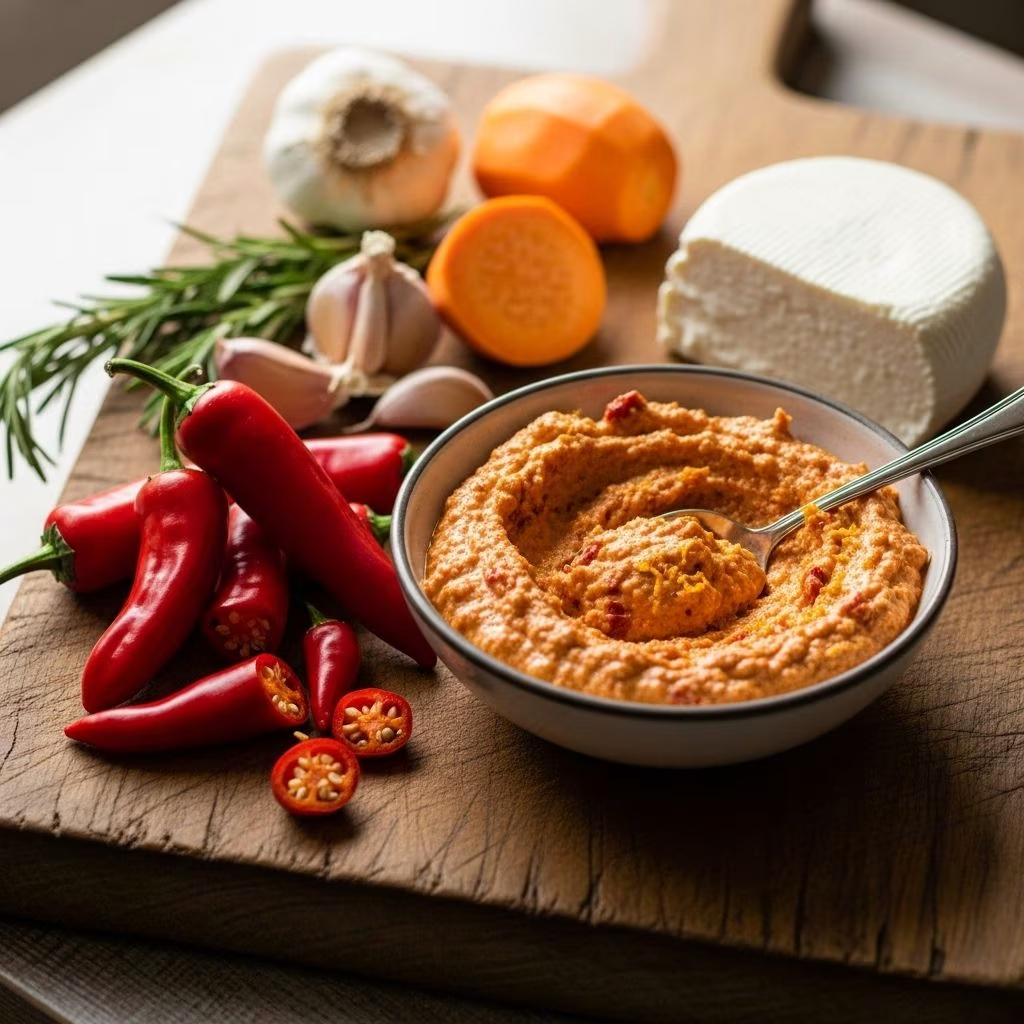
- Calabrian Chiles: For authenticity, use jarred Calabrian chile paste or chopped chiles if you can find them. Powdered Calabrian chiles also work; otherwise, a mix of hot smoked paprika (pimentón picante), regular red pepper flakes, and chili oil can step in.
- Smoked & Hot Paprika: Delivers both vibrant color and smokiness. Adjust the proportion for desired heat and depth.
- Optional: A pinch of garlic powder, black pepper, or cayenne for complexity.
3. Fat: The Silky Secret
- Extra-Virgin Olive Oil:
Generous amounts of quality olive oil are essential; this emulsifies with the meat and fats, producing a creamy, spreadable consistency that mimics properly aged ‘nduja. Don’t be shy—a few good glugs are vital.
Step-By-Step: Making Fake ‘Nduja at Home
Creating your own fake ‘nduja takes only a few minutes and requires no special skills. Here is a streamlined step-by-step approach:
- Prepare the Meat:
Remove any casing from the salami. Cut both the salami and pancetta into small chunks to help your food processor work efficiently. - Blend the Base:
Combine meats in the bowl of a food processor. Pulse several times until coarsely chopped—but not pureed. - Spice It Up:
Add your Calabrian chiles (or the spicy paste, flakes, or powders you’re using), smoked paprika, and any other desired spices. - Add Olive Oil:
With the processor running, drizzle in a generous amount of extra-virgin olive oil, scraping down the bowl as needed. Continue blending until the mixture holds together in a creamy, spreadable paste. - Taste and Adjust:
Sample for seasoning. Add more chiles for heat, more oil for silkiness, or additional spices to taste. - Serve or Store:
Use immediately on toasted bread, or store in an airtight container in the refrigerator for up to a week.
Tips for Perfecting Your Homemade Fake ‘Nduja
- Meat Quality: Use a salami with subtle flavor. If it’s heavily spiced or cured, the taste may clash with your intended ‘nduja flavor.
- Embrace the Fat: High fat content is essential for proper texture and flavor. Don’t skimp on olive oil—it’s key to getting that melt-in-your-mouth spread.
- Customize Heat and Smoke: The proportion of smoked versus hot paprika, and the amount/type of chile used, let you fine-tune the heat and smokiness to your preference.
- Serve at Room Temperature: Chilled fake ‘nduja will be firmer; let it soften before serving for best texture.
Table: Typical Ingredients in Real vs. Fake ‘Nduja
| Component | Traditional ‘Nduja | Fake ‘Nduja |
|---|---|---|
| Pork | Pork shoulder, belly, fatback | Genoa salami, pancetta, prosciutto |
| Chiles | Calabrian chiles | Calabrian chile paste, smoked/hot paprika, chile flakes |
| Fat | Pork fat (integral from meat) | Olive oil (added as needed) |
| Fermentation | Yes (weeks of aging) | No (immediate use) |
Serving Suggestions: How to Enjoy Fake ‘Nduja
Fake ‘nduja is stunningly versatile. Its smoky heat and creamy profile suit a range of dishes:
- Crostini / Toast: Spread thickly on toasted baguette slices, garnished with a drizzle of olive oil and flaky sea salt.
- Charcuterie Boards: Add to your next antipasti spread alongside cheeses, olives, and cured meats.
- Pasta Sauce: Swirl a spoonful into hot pasta or tomato sauce for instant spicy depth.
- Eggs: Dollop onto scrambled eggs, top fried eggs, or melt slightly over an omelet.
- Pizza: Drop small spoonfuls onto pizza before baking for pools of spicy richness.
- Braised Dishes: Stir into stews, beans, or grains for meaty, smoky umami boost.
Frequently Asked Questions (FAQs)
What does fake ‘nduja taste like compared to the original?
Properly made, fake ‘nduja offers a remarkable mimic of the real thing—smoky, tangy, spicy, spreadable, and rich, though it lacks the depth conferred by fermentation and curing.
Can I make a vegetarian or vegan version?
Yes. Substitute the meats with roasted or smoked sun-dried tomatoes and cooked white beans or grilled eggplant. Add smoky paprika, Calabrian chiles, and plenty of olive oil, then blend to a spread. The flavor is different, but the heat and consistency will evoke ‘nduja.
How spicy should fake ‘nduja be?
Traditional ‘nduja packs a noticeable punch. Start with a conservative amount of chile and increase to taste, especially if you’re serving guests with varied spice tolerance.
How long does fake ‘nduja keep?
Stored in an airtight container in the fridge, it lasts up to a week. Always stir or let come to room temperature before serving for best spreadability.
Is there a perfect store-bought substitute?
Store-bought spreadable salamis, spicy fegatini, or Spanish sobrasada offer similar textures, but the real secret is customizing flavor and fat to match your preferences.
Expert Tweaks and Extra Tips
- Double down on smokiness: Try blending in a few drops of liquid smoke or finely chopped lightly smoked bacon for an even more authentic depth.
- Seek true Calabrian chiles: Imported jars of chopped Calabrian chiles can be found in Italian markets and some online retailers. They bring authentic fruitiness and heat.
- Texture control: Prefer a chunkier spread? Pulse less. Want it ultra-creamy? Blend longer and add extra olive oil or even a knob of softened unsalted butter.
- Allergies and dietary needs: For nut-free, gluten-free, or dairy-free diets, this recipe is naturally compliant. Simply check labels of your meats and spice blends to avoid additives.
Troubleshooting Fake ‘Nduja
- Too firm or dry? Add additional olive oil, a teaspoon at a time, until the texture loosens.
- Too bland? Increase smoked paprika, Calabrian chile, or add a hit of salt or vinegar to sharpen the flavor.
- Too greasy? Use leaner meat or mix in some cooked white beans to lighten the blend.
Speedy Variations
- ‘Nduja Butter: Fold a spoonful of fake ‘nduja into softened unsalted butter. Chill, then slice to serve over steak, grilled vegetables, or bread.
- ‘Nduja Aioli: Whisk fake ‘nduja into mayo (store-bought or homemade), then use it as a spread for sandwiches or as a dip for fries and roasted potatoes.
- ‘Nduja Oil: Stir pureed fake ‘nduja into olive oil, strain, and use the infused oil for drizzling over soup, pizza, or pasta.
Final Thoughts
While nothing can entirely capture the magic of true Calabrian ‘nduja, the loophole of blending deli charcuterie and bold spices delivers a dangerously close approximation. This hack democratizes one of Italy’s most coveted salumi—no meat grinder, no fermentation, just bold flavors and satisfying heat, any day of the week.
Ready to wow your guests or yourselves? Try this fake ‘nduja recipe and bring a taste of Calabria to your next meal.