Steamed Artichokes with Light Balsamic Vinaigrette
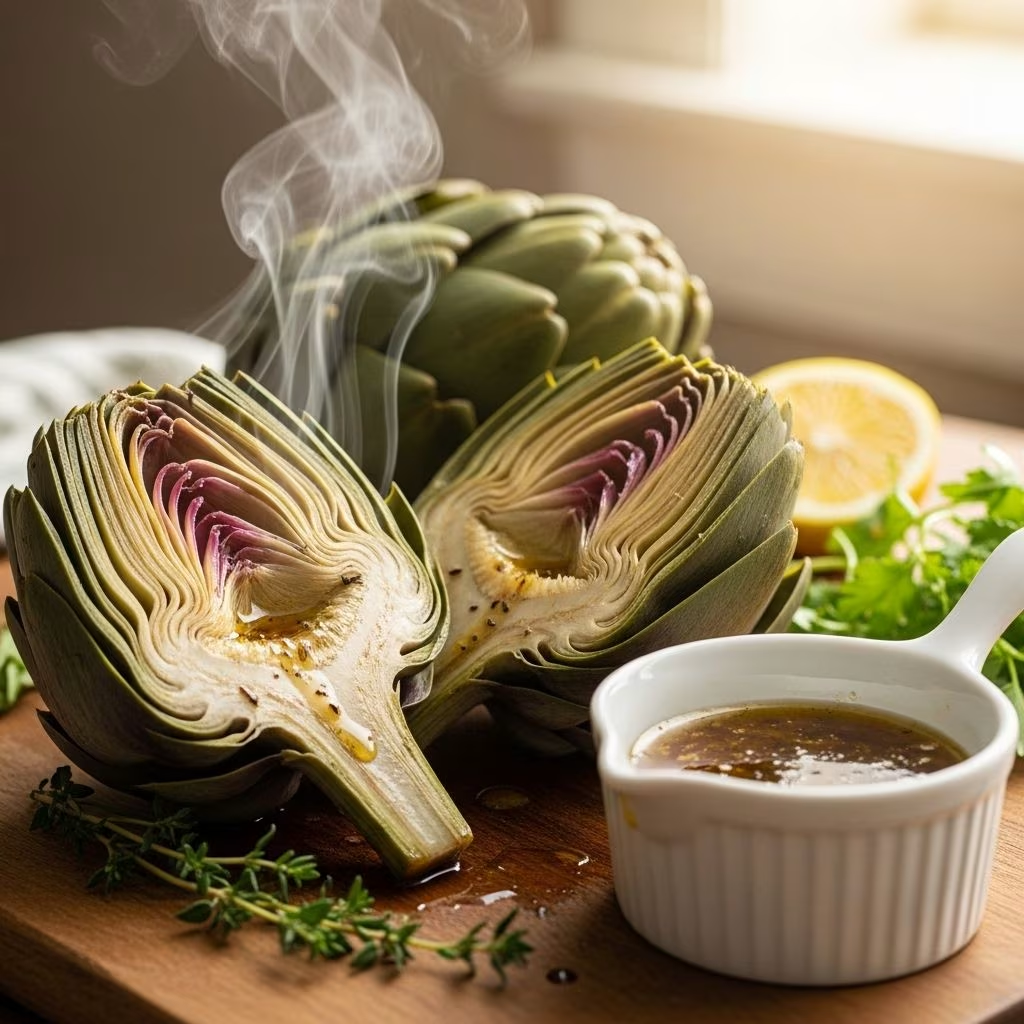
Steamed artichokes are an exemplar of seasonal simplicity—a vegetable that asks for little more than care in preparation and a light, flavorful dipping sauce to make each leaf and heart shine. The combination of tender, grassy artichoke leaves dipped in a light balsamic vinaigrette brings out both classic comfort and a hint of elegance, making this dish as suitable for a weeknight meal as for entertaining. This comprehensive guide takes you through everything: selecting, prepping, steaming, and savoring artichokes—with an easy, tangy vinaigrette as the perfect finishing touch.
Understanding Artichokes: Selection and Basics
Artichokes are actually the flower buds of a thistle—a staple in Mediterranean cuisine and a springtime favorite among vegetable enthusiasts. Their flavor, while mild, features earthy, nutty, and slightly sweet notes. When steamed, artichokes become tender and take well to a range of sauces.
- Selection Tips: Choose artichokes that are heavy for their size, bright green, and tightly closed. Leaves should squeak when rubbed together, indicating freshness.
- Time of Year: Peak artichoke season runs from March through May, with a secondary harvest in the fall.
- Common Varieties: The most typical are the Globe artichokes, large and round, but baby and purple artichokes are also delicious when you can find them.
Essential Equipment and Ingredients
While artichokes may seem complicated, you need minimal equipment and just a few staple ingredients for basic steaming and a simple vinaigrette.
| Equipment | Key Ingredients |
|---|---|
|
|
How to Prep Artichokes for Steaming
Proper trimming ensures both easier eating and prettier presentation. Follow these steps before cooking:
- Rinse artichokes thoroughly under cold water, opening the leaves to remove any hidden dirt.
- Using a sharp serrated knife, cut about 1–1.5 inches from the top of the artichoke (the leafy end).
- Trim the stem to an inch or so, removing the tough outer layer with a peeler if you plan to eat it (the stem is edible and delicious!).
- With kitchen shears, snip off the sharp tips of remaining outer leaves, removing the thorns.
- Peel off any tough, small, or loose leaves near the stem base.
- Rub cut surfaces with a lemon half to prevent browning; you can also put cut artichokes in a bowl of acidulated water (water with lemon juice) while prepping others.
Why Lemon?
Lemon juice acts as an antioxidant, keeping the exposed surfaces vibrant and preventing enzymatic browning which affects both the appearance and flavor.
Step-by-Step: Steaming Artichokes
Steaming yields a tender, evenly cooked artichoke that retains subtle flavor and doesn’t get waterlogged, as can happen with boiling.
- Prepare the steaming liquid: Fill a large pot with a couple of inches of water, adding lemon slices, a bay leaf, a few smashed garlic cloves, and peppercorns for aromatics if desired.
- Place a steamer basket or insert above the water level—artichokes should not be submerged.
- Arrange artichokes in the basket, cut-side down if halved (or upright), fitting snugly but not overcrowding.
- Bring water to a boil, then reduce heat to maintain a steady simmer. Cover with a tight lid.
- Steam for 25–45 minutes, depending on size and freshness (large or older artichokes may take up to an hour). Check doneness by inserting a knife into the base or stem—it should slide in effortlessly.
- Optional: For a deeper flavor and a bit of crisp texture, sear steamed artichokes cut-side down in a skillet with a little olive oil or butter for 2–3 minutes.
- How to Know When They’re Done: The outer leaves should pull off easily, and the base should be easily pierced.
- Cooling: Serve warm immediately, or refrigerate artichokes for up to 2 days—they are also delicious cold.
Making the Light Balsamic Vinaigrette
Though artichokes shine with just a squeeze of lemon or melted butter, a light balsamic vinaigrette takes them to the next level, marrying sweet, sour, and subtle notes that accentuate their delicate flavor.
- 2 tablespoons extra-virgin olive oil
- 1 tablespoon balsamic vinegar (preferably aged)
- 1 teaspoon Dijon mustard
- 1/2 teaspoon honey (optional, for balance)
- 1 small clove garlic, finely minced
- Kosher salt and freshly ground black pepper, to taste
Directions:
- In a small bowl or jar, whisk together the balsamic vinegar, Dijon, honey, garlic, salt, and pepper.
- Slowly drizzle in olive oil while whisking vigorously to form an emulsion. Taste and adjust seasoning—add more oil for a mellower vinaigrette, extra honey for sweetness, or a dash more vinegar for brightness.
This vinaigrette doubles as a salad dressing or drizzle for roasted vegetables. If making ahead, whisk well before using as the ingredients will separate on standing.
Serving, Eating, and Enjoyment
The ritual of eating artichokes is as enjoyable as the finished taste. Here’s how to serve and eat them, especially if you’re new to artichokes:
- Transfer steamed artichokes to a platter or individual plates. Serve with vinaigrette in small bowls for dipping.
- To eat, pull off a leaf at a time. Dip the fleshy base in vinaigrette, then scrape off the soft, cooked portion with your teeth.
- Continue leaf by leaf, progressing toward the center. The leaves become more tender as you get closer to the heart.
- Remove the choke (the inedible fuzzy part above the heart) with a spoon once exposed. The heart and stem are fully edible—considered the prize for making your way through the leaves.
- Serving Suggestions: Pair with rustic bread, a leafy salad, or as a shared appetizer. Lemon wedges, extra freshly ground pepper, and a sprinkle of finishing salt can round out the flavors.
Variations and Extra Tips
- Alternative Dips: Classic melted butter, aioli, toum (garlic sauce), or lemon-mayo are all excellent partners.
For a tangier twist, try Greek yogurt with dill, or a garlicky salsa verde. - Flavor the Steaming Water: Add wine, fresh herbs (thyme, parsley), or extra aromatics to impart subtler flavors to the artichokes.
- Make Ahead: Steamed artichokes keep well in the fridge for 2–3 days. Reheat gently or enjoy chilled with vinaigrette.
- Use the Whole Vegetable: Reserve the stem and use in vegetable broth—or mince cooked hearts for pasta, salads, or bruschetta toppings.
Nutrition Highlights
Artichokes are loaded with fiber, antioxidants, vitamins C and K, and are naturally low in calories. The moderate use of olive oil in the vinaigrette adds heart-healthy fats. Serving with a light, homemade sauce lets the vegetable shine while keeping the dish nutritious and balanced.
Frequently Asked Questions (FAQs)
How do you tell when a steamed artichoke is done?
Insert the tip of a knife or skewer into the base; it should glide in easily. Leaves should pull off without resistance and the flesh at the base should be tender.
Can you prep artichokes in advance?
Absolutely. Trimmed, uncooked artichokes can be held in acidulated water for several hours, or steam them ahead and chill until ready to serve. Reheat in the microwave or oven, covered to prevent drying.
What can I use instead of balsamic vinaigrette?
Lemon-garlic mayo, melted butter, toum (garlic sauce), or even a simple squeeze of lemon are all excellent, traditional choices.
Is it possible to steam artichokes without a steamer basket?
Yes. Use a colander set over a pot, ensuring it sits above the water level, and cover tightly with a lid or foil.
Can leftover artichokes be stored?
Yes. Once cooled, store steamed artichokes in an airtight container in the refrigerator for up to 3 days. Enjoy cold or gently reheated.
Further Reading and Resources
- Explore Mediterranean and California cuisines for more artichoke inspiration
- Try grilling or roasting for another twist on this versatile vegetable
- Experiment with other homemade vinaigrettes and dips to find your favorite pairing
Mastering the art of selecting, steaming, and savoring artichokes not only offers a delightful meal, but connects you to an age-old ritual of slowing down and appreciating humble vegetables at their best.