Casunziei: Rooted Flavor from the Heart of the Dolomites
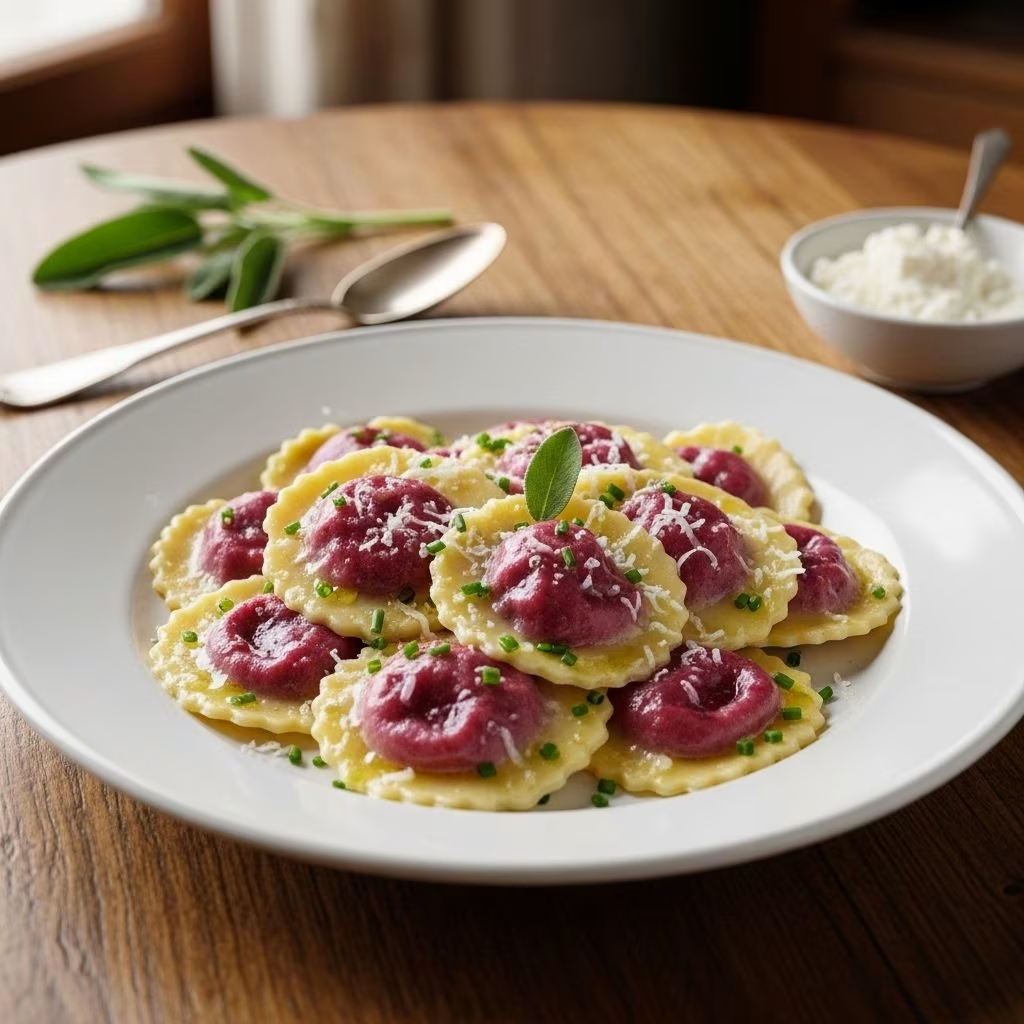
In a small corner of northern Italy, nestled in the dramatic peaks of the Dolomites, an ancient pasta tradition endures. Casunziei, half-moon ravioli filled with a vibrant mix of beet, ricotta, and local cheese, embody the resourcefulness and artistry of Alpine cooking. This dish, both rustic and visually striking, stands as an edible ode to locality and seasonality, offering a distinct contrast of sweet, earthy filling and silken, golden dough, finished simply with poppy seed-speckled melted butter.
What are Casunziei?
Casunziei (also spelled “casunziei all’ampezzana” or, in Veneto dialect, “casumziei”) are traditional filled pastas originally from Cortina d’Ampezzo, a historic town in the Veneto region of the Dolomites. This mountain area, shaped by harsh winters and isolated valleys, fostered a cuisine that relies on what the land—and root cellar—can provide. Casunziei were thus a way to carry flavor through the cold months, long before refrigeration and supermarkets.
- Shape: Typically, casunziei are folded into a half-moon and carefully sealed at the edge, resembling small pastel bonbons when cut through.
- Seasonal Variation: While “casunziei rossi”—the red kind—have a beet-based filling, a green, springtime version uses greens such as spinach, chives, and fresh cheese.
- Serving Tradition: These ravioli are most often lightly coated in melted butter, sprinkled with poppy seeds, and finished with grated Parmigiano or another sharp Alpine cheese.
Origins and Regional Heritage
The name “casunziei” likely derives from the Ladin language, spoken in parts of the Dolomites, reflecting both the area’s cultural blend and its culinary ingenuity. Every house might have its preferred filling, but beet and ricotta is now recognized as the classic “all’ampezzana” preparation. Recipes echo the local ethos: make do with what’s available, elevate it with technique, waste nothing.
- Dolomites Cuisine: Characterized by hearty, simple flavors, often featuring root vegetables—beets, turnip, potatoes—as well as cheeses from high-mountain dairies.
- Festive Dish: Casunziei, demanding attention to detail, were often reserved for Christmas, winter gatherings, or feast days.
Essential Ingredients
To capture the spirit of casunziei all’ampezzana, focus on freshness and quality. This minimalist filling truly shines when each element is at its best.
For the Pasta Dough
- Tipo 00 flour (finely milled for silkiness)
- Fresh eggs (yolks for richness, whites for elasticity)
- A pinch of salt
For the Filling
- Red beets, roasted or boiled for sweetness and body
- Ricotta cheese, well-drained
- Grated Parmigiano Reggiano (or regional hard cheese such as Grana or Asiago)
- A touch of nutmeg
- Bread crumbs, to absorb extra moisture
- Salt and freshly ground pepper
For the Sauce
- High-quality butter
- Poppy seeds
- Optional: Lemon zest or juice, for a fresh lift
- Extra Parmigiano for serving
Casunziei Step-by-Step: Secrets to a Vibrant Alpine Ravioli
1. Roast and Prepare the Beets
Start by scrubbing and trimming the beets. Roasting, rather than boiling, will concentrate their natural sugars and deepen flavor. Wrap the beets in foil, drizzle with olive oil, and place in a hot oven (400°F/200°C) for about an hour, until fork-tender. Once cool, peel and finely grate or purée.
2. Mix the Filling
- Combine the roasted beet purée with ricotta, parmesan, a little nutmeg, bread crumbs, salt, and pepper.
- Taste for balance: the filling should be savory and creamy, yet subtly earthy and sweet from the beets.
- Allow the mixture to cool completely. This can be prepared in advance, storing covered in the fridge to set the texture.
3. Make the Pasta Dough
- Mound the flour on a board and make a well in the center. Add eggs (and a pinch of salt) to the well, then gently incorporate flour, kneading into a supple, elastic dough.
- Wrap and let rest at room temperature for at least 30 minutes. This rest makes rolling easier.
4. Roll and Shape the Casunziei
- Using a pasta machine, roll the dough into thin sheets—setting 7 on a standard machine is good for translucency without tearing.
- Cut rounds using a biscuit cutter or glass (roughly 5 cm in diameter).
- Place a small spoonful of filling in the center of each circle. Lightly moisten the border with water, fold into a half-moon, then press edges to seal securely. Avoid overfilling.
- Lay the finished pasta on a floured towel and cover to keep from drying out.
5. Cook and Finish
- Drop casunziei into gently boiling salted water. Cook 2–3 minutes, just until they float and the dough is cooked but tender.
- Meanwhile, melt butter in a large skillet. For a nutty depth, brown it lightly.
- Transfer the drained pasta straight to the pan, tossing gently so each raviolo is glossed in butter.
- Scatter with poppy seeds, a squeeze of lemon (if you like), and a shower of grated cheese. Serve immediately.
Expert Tips for Perfect Casunziei
- Roast, Don’t Boil: Roasting beets enhances sweetness; boiling can make the filling too watery.
- Drain Ricotta Thoroughly: Excess moisture can cause the pasta to burst during cooking.
- Season Generously: The filling should be tasty eaten on its own—remember, pasta and butter will mellow out the flavors.
- Don’t Overwork the Dough: Too much kneading or too little rest makes pasta tough; balance is key.
- Handle with Care: These delicate shapes are best handled with a light, quick touch to prevent sticking and tearing.
Casunziei Variations and Regional Spins
- With Potato: Many classic recipes add cooked potato to the filling, making it heartier. Substitute half the beet for potato if desired.
- Green Casunziei: In spring, traditions swap in wild greens, chard, or spinach—still seasoned with cheese and nutmeg.
- Cheese Choices: Parmigiano is classic, but Montasio, Grana Padano, or smoked Ricotta Salata give regional authenticity and different nuances.
Serving and Presentation Suggestions
| Component | Traditional | Modern Twist |
|---|---|---|
| Finishing Sauce | Melted butter, poppy seeds | Browned butter, lemon zest, sage |
| Cheese Topping | Parmigiano Reggiano | Regional hard cheese or goat cheese |
| Garnish | Poppy seeds | Fresh herbs or edible flowers |
Pairing Casunziei with Wine and Sides
- Wine: An aromatic white from Alto Adige (such as Gewürztraminer) or a light-bodied Pinot Noir complements the sweet earthiness perfectly.
- Sides: Keep accompaniments simple: a crisp green salad or roasted root vegetables echo the Alpine feel.
Casunziei Recipe: Step-by-Step Instructions
Ingredients
- For the pasta:
- 300g Tipo 00 flour
- 3 eggs
- Pinch of salt
- Extra semolina for dusting
- For the filling:
- 500g red beets (about 2–3 medium)
- 375g ricotta cheese, drained
- 50g grated Parmigiano Reggiano
- 2 teaspoons ground nutmeg
- 1/3 cup breadcrumbs
- Salt and pepper, to taste
- For the sauce:
- 150g unsalted butter
- 1 tablespoon poppy seeds
- Lemon zest or juice (optional)
- Extra cheese for serving
Instructions
- Roast the Beets: Preheat oven to 400°F/200°C. Wrap beets in foil, drizzle with olive oil, and bake until tender (about 1 hour). Cool, peel, and grate or purée.
- Prepare Filling: In a bowl, mix beet purée with ricotta, Parmigiano, nutmeg, breadcrumbs, salt, and pepper. Adjust seasoning and refrigerate until cool.
- Make Pasta Dough: On a clean surface, form a mound with flour and create a well in the center. Add eggs and salt. Gradually mix to form dough, knead until smooth, then wrap and let rest 30 minutes.
- Roll and Shape Pasta: Roll out dough into thin sheets. Cut circles (5 cm diameter), spoon filling in center, dampen edge, fold into half-moons, and seal tightly.
- Cook Ravioli: Gently boil ravioli in salted water for 2–3 minutes until they float.
- Finish and Serve: Melt butter in a large skillet (brown lightly for extra flavor). Toss cooked pasta in butter, stir in poppy seeds, and serve immediately with grated cheese and optional lemon zest.
Frequently Asked Questions (FAQs)
Q: What is the origin of casunziei?
A: Casunziei hail from Cortina d’Ampezzo in Italy’s Dolomite region. Their filling and preparation reflect the seasonal and agricultural rhythm of Alpine life.
Q: Can I prepare casunziei ahead of time?
A: Yes. The filling and dough can both be made up to two days in advance. Shape the ravioli and freeze them in a single layer; cook from frozen, allowing a minute or two extra in water.
Q: Are there alternative fillings?
A: Classic casunziei often use potato in addition to beet. In spring, regional versions use wild greens, chard, or spring onion with cheese instead of beetroot.
Q: What if I don’t have poppy seeds?
A: The poppy seed garnish is traditional and provides subtle crunch, but you may substitute with toasted breadcrumbs or omit them if desired.
Q: Can I use a pasta machine?
A: Absolutely. A pasta machine ensures a thin, even sheet—aim for the penultimate setting for the best translucent effect.
Preserving a Mountain Tradition
Casunziei serve as a delicious reminder of how regional food can express the soul of a place and time. By making—and sharing—these jewel-toned ravioli, you continue a legacy born in Alpine kitchens, where humble ingredients and patient craft yield unforgettable comfort.
References
- https://www.ninaspastaproject.com/blog/casunziei-allampezzana
- https://italianhomecooking.co.uk/2017/12/17/casunziei-beetroot-ravioli/
- https://www.jessicanguyen.com.au/blogs/recipes/casunziei-allampezzana-beetroot-ravioli-with-poppy-seeds
- https://www.chefbikeski.com/casunziei-ampezzani-beet-ravioli-with-poppy-seed-browned-butter/
- https://food52.com/story/11221-beet-ravioli-with-poppy-seed-sauce-casunziei-all-ampezzana
- https://www.youtube.com/watch?v=6deDHyzdtek